
The link between a warehouse and a production line acts as a vital material-flow path inside any manufacturing plant. Raw supplies have to leave storage right on schedule. Next, pallets must reach the exact line-side station. Work-in-process items might also shift between different workshops. Finally, finished goods have to go back to storage or shipping zones. Forklift AGVs automate this entire pallet flow. They do this without relying on a human driver for each trip. Manufacturers can mix autonomous forklift technology with basic warehouse automation. They can also add pallet handling automation and production-line logistics software. This combination builds a much steadier warehouse-to-production process. It offers clearer traceability and cuts down on transport delays.
Why Is Warehouse-to-Production Transport Often a Bottleneck?
Production machines run well only if materials show up in the right amounts and proper order. Yet, many factories still handle pallet transport through manual forklift calls. They might use radio messages or stick to strict schedules. These old methods rarely match the actual, real-time production demand.
How Do Manual Pallet Movements Create Delays?
A human driver might be busy in a different area when a production line asks for materials. The needed pallet could still sit deep inside the storage racks. An aisle might be blocked by other carts. Sometimes, finished goods take up the main transfer point. These minor hold-ups add extra waiting time to the daily production cycle. Because of this, repeated routes between the warehouse and the factory floor make excellent targets for material handling automation.
Why Does Line-Side Delivery Need More Than Speed?
Moving quickly does not secure a reliable production-line setup. The forklift AGV has to reach the exact station first. It must then identify or verify the load carrier. After that, the robot completes a very safe pallet pickup or drop-off. Finally, it sends status updates back to the main control system. When setting up just-in-time material supply, exact timing and steady repetition matter just as much as the top speed of the vehicle.
How Does a Forklift AGV Move Pallets Between Warehouse and Production?
A standard forklift AGV cycle begins with a clear transport request. This request comes from either the warehouse or the production system. The system assigns the robot to a specific pickup point. The robot then picks up the pallet and travels along a managed route. Finally, it drops the load at a line-side buffer, a workstation, or another logistics node.
What Happens on the Warehouse Side?
The AGV might grab a pallet straight from floor storage. It could also use a transfer station, an automated storage system, or a specific outbound spot. Based on the project setup, the warehouse software releases the right load. At the same time, the robot control layer picks the best vehicle and path. This setup lets automated pallet transport begin from a smart inventory choice. It completely removes the need for a manual forklift request.
What Happens on the Production Side?
Once it reaches the destination, the robot drops raw materials at a line-side buffer or a handoff spot. This same fleet can later clear away empty pallets. It can also return extra materials or move work-in-process items. Furthermore, the robots can carry finished goods back into storage. This helpful two-way flow makes forklift AGVs highly effective links between warehouse duties and production logistics.
Which Forklift AGV Configuration Fits the Material Flow?
Not all forklift AGVs are built for the exact same task. Picking the right setup depends heavily on the specific factory needs. A plant might require basic horizontal transport or complex rack storage. It could also need higher lifting abilities, narrow-aisle access, or special pallet support.
When Is the F3-1500 a Good Fit for Horizontal Pallet Transport?
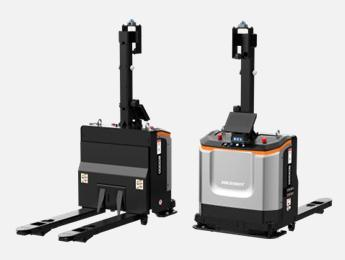
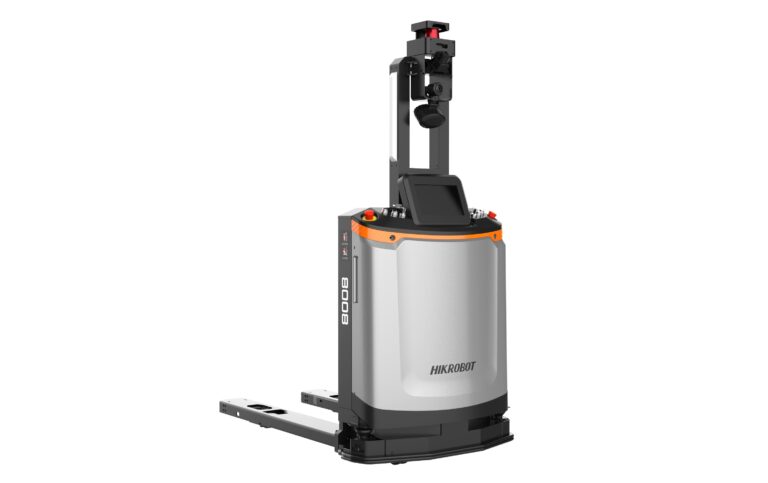
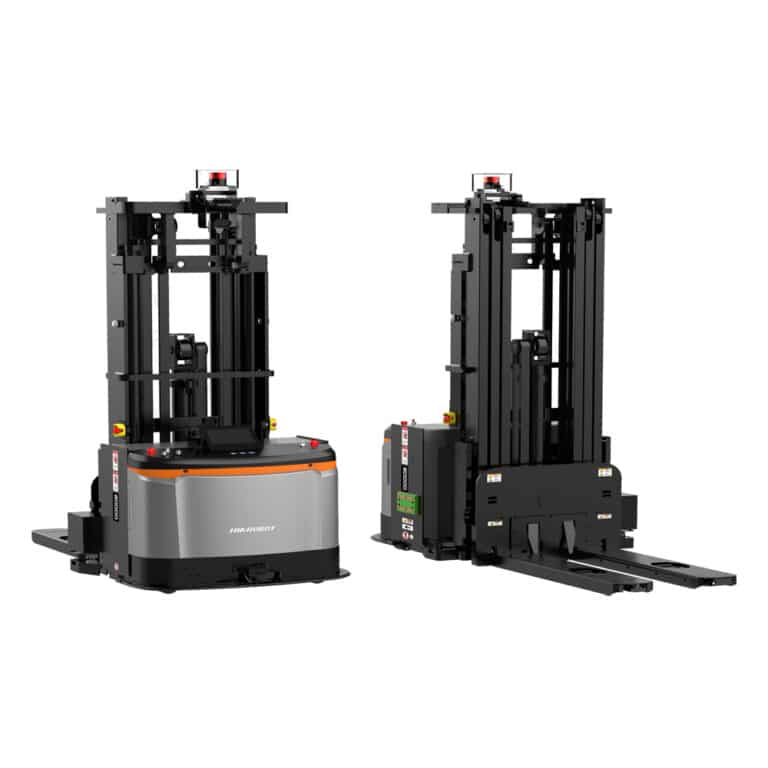
The F3-1500 Forklift Mobile Robot handles basic floor-level pallet transport. It features a solid 1,500 kg rated load and a 200 mm fork lifting height. The official spec sheet notes support for a 1,200 × 1,000 mm pallet. It uses L-SLAM or custom 3D L-SLAM navigation. The battery offers 6 to 8 hours of runtime and charges fully in under two hours. These clear traits make it highly useful for delivering raw materials or refilling line-side stations. It also works great for buffer transfers and moving finished goods when high stacking is unnecessary.
When Is a Stacking Forklift AGV More Suitable?
A stacking model proves much better if the warehouse needs to put away or fetch pallets from tall racks. Wesar’s Forklift Mobile Robot (FMR) range offers carrying, stacking, and omnidirectional styles. This variety lets the transport setup match the real storage and production areas perfectly. It prevents managers from forcing a single vehicle type into every possible route.
How Do WMS, MES and RCS Synchronize the Warehouse-to-Line Flow?
A forklift AGV gains far more value when its physical pallet moves link directly to digital warehouse and production plans. Inside a modern smart factory, WMS, MES, and RCS programs each manage a separate layer of the daily process.
How Are Inventory and Production Requests Converted Into Robot Tasks?
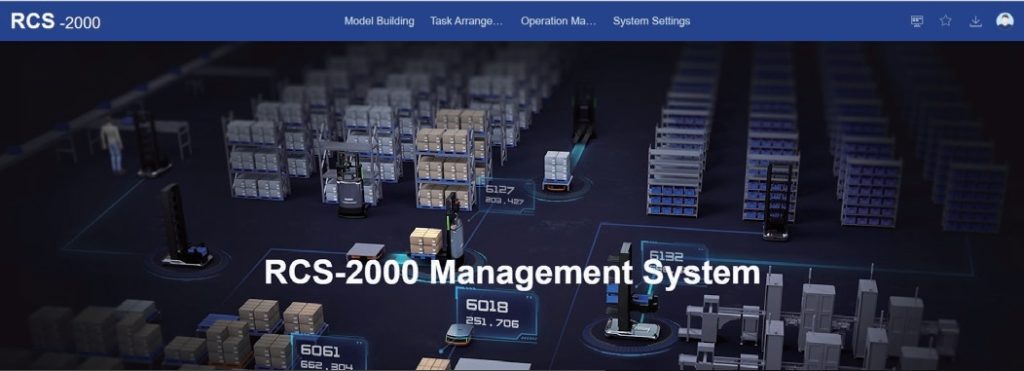
The WMS checks the available inventory and sends out warehouse tasks. Meanwhile, the MES shares exactly what the production line requires at that moment. After receiving this data, the RCS-2000 Robot Control System handles task assignments. It also takes care of AGV scheduling and maps out the travel routes. This tight teamwork stops multiple robots from fighting over a single aisle or narrow transfer point. It ultimately supports much steadier line-side material deliveries.
Why Does Software Integration Improve Traceability?
Connecting forklift AGVs to WMS and MES allows every pallet move to create instant digital feedback. Warehouse staff can easily see if a task is issued, picked up, delivered, or held back. Production teams also gain a much clearer view of all incoming materials. Wesar has shared helpful guides regarding this topic. They explain how AGV systems integrate with WMS and MES platforms. This integration allows real-time teamwork across both warehouse and production floors.
What Should Be Checked Before Deploying Forklift AGVs Between Warehouse and Line?
Building a solid warehouse-to-production AGV project relies heavily on the actual site conditions. The vehicle payload capacity remains important. However, it is just one single engineering detail to consider.
How Do Pallets, Aisles and Transfer Points Affect the Design?
Engineers need to verify pallet sizes and fork-entry shapes first. They must also check the load center, pickup height, and aisle width. Other key details include turning radius, door heights, crossways, floor slopes, and line-side transfer spots. A forklift AGV might carry the correct weight perfectly. But, if it cannot enter the pallet smoothly or steer through the path, it is simply not a practical option.
How Do Takt Time and Fleet Size Affect Performance?
Finding the right number of AGVs depends on several factors. These include route length, loaded trips, and empty travel times. Pickup delays, drop-off speeds, sharp turns, traffic, charging habits, and production beats also matter greatly. A factory must size its fleet based on the needed moves per hour. Simply buying extra vehicles is rarely a smart fix. Wesar’s recent AGV fleet-sizing guidance explains this well. It shows why the exact vehicle count must come from studying the entire logistics cycle.
Why Work With Wesar on Warehouse-to-Production AGV Projects?
Wesar Intelligence Co., Ltd. supplies forklift mobile robots along with warehouse and robot-control software. They also handle project planning, system integration, physical setup, and ongoing after-sales support. This broad service lets teams evaluate warehouse routes, production beats, and pallet types all at once. They can also review transfer stations, charging plans, and software links together. For modern manufacturers, this complete system-level approach proves much more helpful. It easily beats just picking an autonomous forklift from a basic product brochure.
Conclusion
Forklift AGVs successfully link warehouses and production lines. They do this by automating the boring, repeated pallet trips between inventory zones and manufacturing areas. These robots can drop raw materials at line-side buffers. They also shift work-in-process items and return empty load carriers. Furthermore, they haul finished goods back to storage while sending constant digital task updates. The best results happen when managers match the forklift AGV perfectly to the specific pallets and routes. They must then link the robots with WMS, MES, and RCS platforms. This ensures that the automated pallet transport truly follows the actual production demand. In this vital role, a forklift AGV acts as far more than just a driverless machine. It serves as an active, smart partner in modern factory intralogistics.
FAQs
1. What is the main role of a forklift AGV between a warehouse and a production line?
Its primary job focuses on automating daily pallet transport. This includes moving items among storage racks, transfer spots, and line-side buffers. It also covers production stations and finished-goods zones. Doing this greatly lowers the factory’s reliance on endless manual forklift trips.
2. Can forklift AGVs work with WMS and MES systems?
Yes, they absolutely can. The WMS handles warehouse and inventory duties. The MES outlines the exact production needs for the day. Finally, an RCS assigns the specific vehicles and plans out the travel routes. This keeps the physical pallet movements perfectly synced with the digital factory demand.
3. Is one forklift AGV model suitable for every warehouse-to-line application?
No, it is not. Managers must check many details before picking a vehicle setup. They need to review horizontal transport needs, stacking heights, and pallet types. They should also measure payload limits, aisle widths, and safe turning spaces. Finally, transfer interfaces and daily production beats require careful review.






 English
  Russian
  Chinese
  Japanese
  Italian
  Korean
  Spanish
  Arabic
  French
  German