
Car production needs more than quick assembly tools. Parts, pallets, battery pieces, racks, work-in-process goods, and finished items have to reach the correct spot at the exact time. Internal transport often depends on manual forklifts or worker calls. In these cases, minor delays can easily ruin the production schedule. Automated guided vehicles (AGVs) build a highly steady automotive intralogistics system. They do this by handling routine material movements across warehouses, supermarkets, buffer zones, workshops, and line-side spots. You can pair AGVs with warehouse automation, smart factory programs, and live scheduling. This setup supports just-in-time material delivery. Furthermore, it avoids changing every path into a rigid conveyor belt.
Why Is Intralogistics So Important in Automotive Manufacturing?
Automotive intralogistics includes all material transfers within the factory. It ranges from inbound storage to the assembly zone. Then, it moves from the shop floor back to finished-goods sections. Car factories deal with numerous part numbers. They also face shifting sequences and tight schedules. Therefore, the standard of internal logistics directly impacts line stability.
How Do Material Delays Affect Production Takt?
A production line might have ready machines and workers. However, it can still lose output if a needed pallet, rack, or part shows up late. Because of this issue, line-side delivery and just-in-time logistics are top goals in car making. Production logistics automation is also a huge priority. AGV systems can perform regular transport jobs based on actual factory needs. They do not have to wait for a human driver to free up.
Why Are Manual Forklift Routes Hard to Scale?
Manual forklifts stay helpful for odd or special tasks. Yet, frequent warehouse-to-line trips cause scheduling stress as workloads grow. Driver limits and crossing traffic can slow things down. Uneven dispatching and empty trips also make material flow hard to guess. AGVs bring steady routines and digital task logs. This upgrade makes automotive material handling much simpler to manage across different work shifts.
Where Do AGVs Fit in the Automotive Material Flow?
AGVs work well at multiple spots in an automotive plant. They are not tied to just one warehouse job. The finest uses are normally busy routes. These paths need clear pickup and drop-off spots. They also require trackable volume and standard carriers.
How Can AGVs Support Warehouse-to-Line Delivery?
Inside an automotive warehouse, AGVs move pallets or racks. They shift items from receiving and storage zones to supermarkets. They also serve kitting areas or line-side buffers. This kind of warehouse automation cuts down on constant manual driving. It helps keep parts ready near the assembly line. Wesar also offers an automotive warehouse automation solution. This setup suits sites dealing with mixed items. Examples include fasteners, plastic pieces, tires, panels, bumpers, and other large parts.
How Can AGVs Move Materials Between Production Processes?
AGVs are highly useful across stamping, welding, and machining zones. They also serve battery, assembly, testing, and packing areas. Depending on the cargo weight, a factory might pick forklift mobile robots for pallets. They could choose latent mobile robots for racks or carts. Heavy-duty vehicles work best for massive parts. The main goal is to keep work-in-process goods flowing. This prevents building up huge line-side stock.
What Happens After Production?
The material flow does not stop at the assembly stage. AGVs can bring back empty carriers. They can move finished pallets to storage spaces. They also shift completed goods to shipping docks. Planners can link these return trips with incoming deliveries. When they do this, the fleet cuts down on empty driving. This strategy makes much better use of every single vehicle.
Which AGV Types Are Useful in Automotive Plants?
Automotive material flow is far too diverse for one robot model to manage every chore. Picking a vehicle must begin with payload size and carrier type. Managers should also look at lifting height and aisle space. Transfer methods and the needed production pace are equally vital factors.
When Does a Forklift AGV Make Sense?
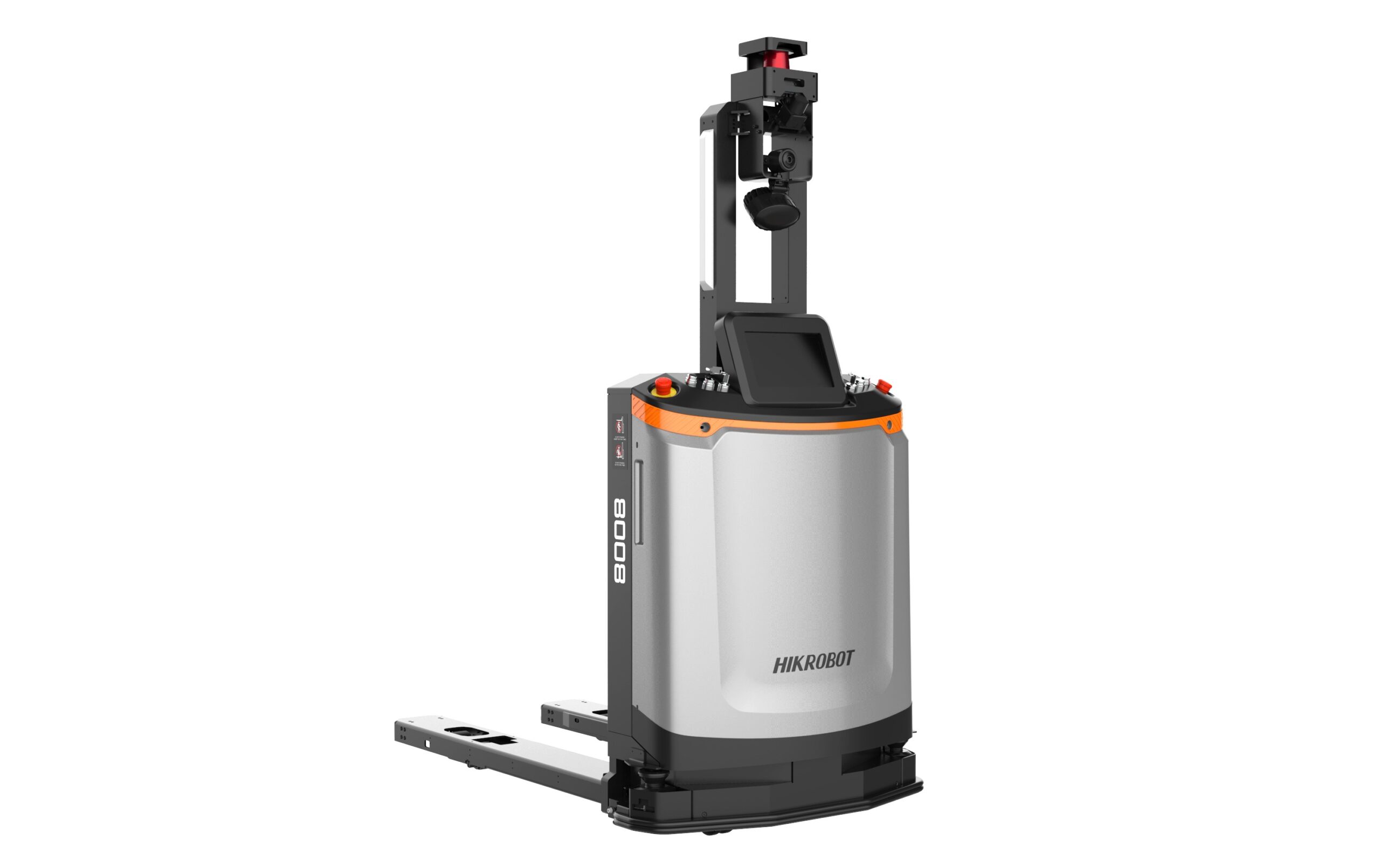
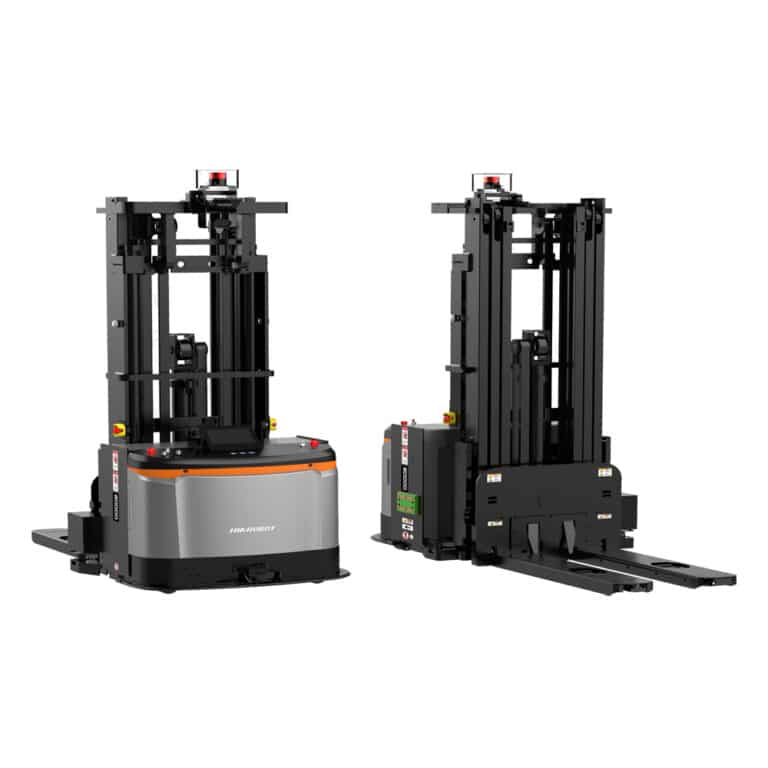
Forklift AGVs are a smart pick for automated pallet hauling. They handle line-side restocking, raw-material supply, and finished-goods transit. For instance, the F3-1500 Forklift Mobile Robot handles a 1,500 kg rated load. It offers a 200 mm lifting height for ground-level pallet moves. This model fits perfectly for constant trips. It travels between storage zones, production lines, and buffer spaces. It works best when pallets stay near the floor.
Where Do Other Mobile Robot Types Add Value?
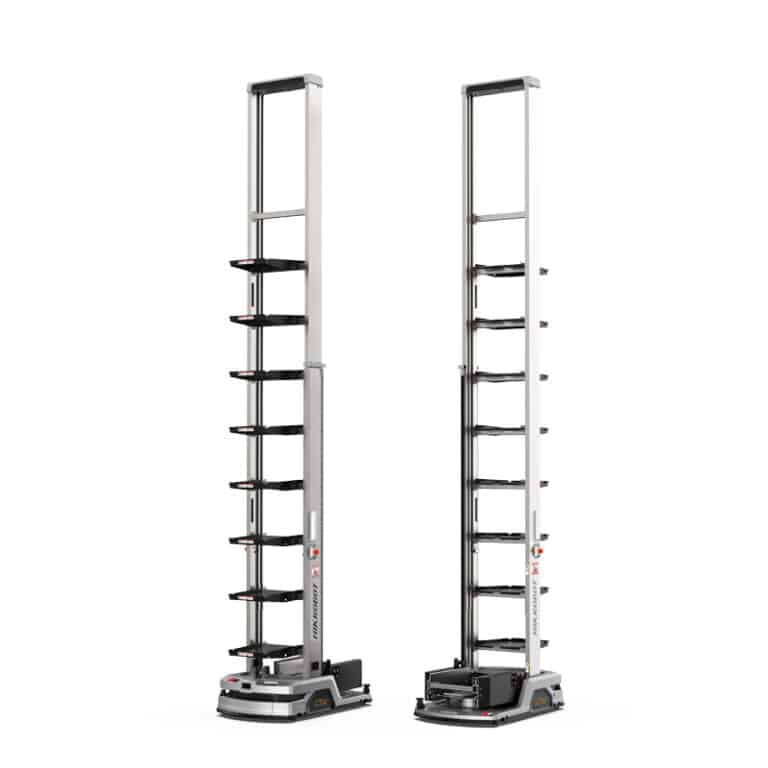
Latent mobile robots can pull matching racks or carts. Meanwhile, heavy-duty mobile robots deal with bigger parts and carriers. In mixed automotive plants, various robot types often work inside the same building. The vehicle style should always match the material needs. The material should never have to adapt to the robot.
How Do WMS, MES and RCS Make Automotive AGVs More Effective?
The largest benefits show up when AGVs link to warehouse and production networks. They should not run as lonely machines. This connection builds a closed data loop. It links inventory needs, production demands, robot dispatching, and task updates.
How Are Transport Tasks Created and Assigned?
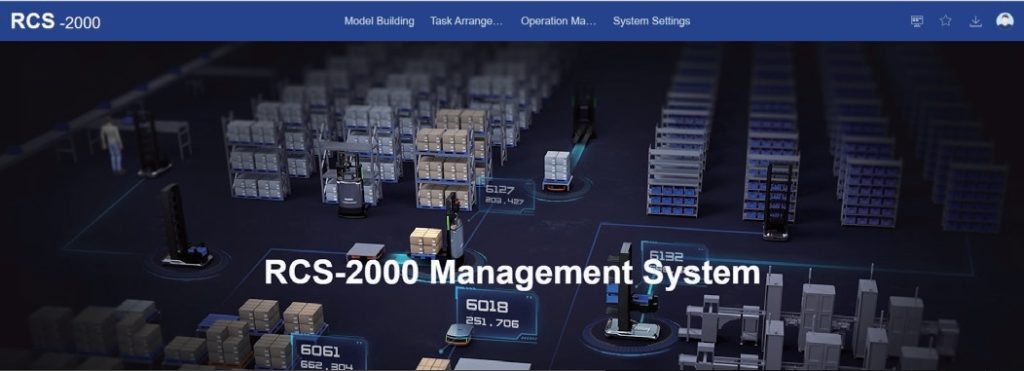
A WMS can control stock and warehouse duties. At the same time, an MES provides clear production rules. The RCS-2000 robot control system then manages robot task handing, timing, and path mapping. This step is highly vital. It matters most when many AGVs cross the same intersections, doors, lifts, or line-side spots.
Why Does Integration Matter for JIT and JIS Logistics?
Automotive plants frequently rely on just-in-time delivery. In certain cases, they need just-in-sequence supply. Linking AGVs with WMS and MES platforms lets transport jobs mirror actual stock and production needs. This setup also boosts tracking power. Every single move gets logged digitally. This is far better than using casual phone calls or paper dispatch sheets.
What Operational Benefits Can Automotive AGVs Deliver?
The true worth of an AGV project should tie to material-flow success. It should not just count the number of robots you install. Good metrics include on-time line delivery and transport cycle speed. Vehicle usage, station wait times, empty driving, and production buffer stability are also solid signs of success.
How Do AGVs Improve Flow, Safety and Flexibility?
Automated guided vehicles can cut down on boring forklift driving. They make travel paths much more steady. They also help split normal transport from special tasks. Managers can easily tweak their routes and task rules. This happens when factory layouts or product mixes shift. This feature supports flexible manufacturing extremely well. In many cases, it beats permanently fixed transport gear.
What Does a Real Automotive Project Look Like?
In a specific Wesar automotive-industry project, the automated warehouse held one stacker crane. It also featured two rack sets, 468 storage spots, and four forklift mobile robots. The team built the system for a volume of 46 pallets per hour. The Wesar AGV implementation case reveals a smart approach. It shows how warehouse gear and FMRs blend to meet a clear production logistics goal. They are not treated as lonely, standalone machines.
Why Work With Wesar for Automotive AGV Projects?
Wesar Intelligence Co., Ltd. supplies mobile robots and warehouse software. They also offer system planning, gear integration, project setup, and after-sales care. They focus on intelligent factory and smart warehouse builds. For automotive manufacturers, this brings a huge edge. AGV picking can match the real carrier, path, schedule, and warehouse map. It also aligns with software links and future growth plans. It is never based solely on robot payload limits.
Conclusion
AGVs upgrade automotive intralogistics greatly. They change endless material trips into planned, trackable, and software-run tasks. They easily link receiving docks, storage spaces, and supermarkets. They also connect line-side buffers, production steps, and finished-goods zones. At the same time, they support just-in-time material delivery and flexible making. The best outcomes happen when you pair the right AGV type to every load. You must also blend the fleet with WMS, MES, and robot control software. This ensures material movement closely follows real production demand. It stops acting as a totally separate transport chore.
FAQs
1. Where are AGVs most commonly used in automotive manufacturing?
Normal uses cover warehouse-to-line delivery and line-side restocking. They also include moving items between production steps and transferring finished goods. Returning empty carriers and hauling palletized automotive parts are common too.
2. Can AGVs support just-in-time automotive production?
Yes. You can connect AGVs with production and warehouse networks. When you do this, transport jobs start based on real material needs. This setup helps cut down on late drop-offs. It also shrinks overly large line-side buffer stock.
3. Are forklift AGVs the only robots used in automotive intralogistics?
No. Forklift AGVs are great for moving pallets. However, latent robots and heavy-duty robots serve other needs. Other AMR types might work better for racks, carts, huge parts, or unique carriers.






 English
  Russian
  Chinese
  Japanese
  Italian
  Korean
  Spanish
  Arabic
  French
  German