消息

Wesar’s AGV implementation case

目录

As manufacturing and warehousing operations expand globally, companies seek intelligent automation to enhance efficiency and minimize human dependency. Automated Guided Vehicle (AGV) systems have become a cornerstone of this transformation, ensuring continuous material flow and operational stability. Wesar Intelligence Co., Ltd. has implemented numerous AGV projects spanning home appliances, automotive manufacturing, papermaking, and international logistics. These AGV implementation cases reveal how tailored automation strategies deliver measurable results through intelligent system integration.

How Has Wesar Delivered AGV Success Across Different Industries?

Wesar’s AGV solutions are developed based on real production needs, ensuring that every project aligns with the client’s layout, material flow complexity, and throughput targets.

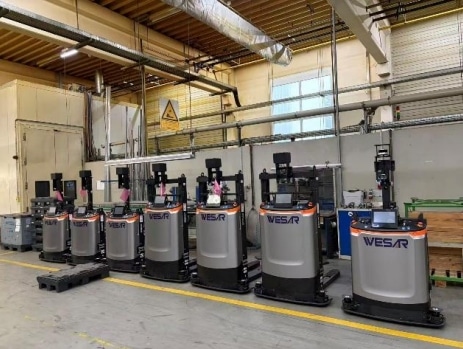
Home Appliance Manufacturing Project: How Did 120 AGVs Transform Internal Logistics?

Located in China’s industrial hub, this large-scale deployment addressed high-frequency material handling challenges in a fast-paced factory environment.

  • Location: China
  • Industry: Home appliance manufacturing
  • Deployment Scale: 120 latent mobile robots (LMRs)
  • Warehouse Throughput: 100 pallets/hour
  • Implementation Cycle:
    • 30 days for shuttle warehouse delivery
    • 120 days for AGV logistics deployment
  • Operational Outcome: 40% labor cost reduction

Papermaking Industry Project in Nantong: How Were 52 AGVs Integrated Efficiently?

This project required coordination between warehousing and raw material transport systems.

  • Location: Nantong, China
  • Industry: Papermaking
  • Deployment Scale:
    • 52 latent mobile robots
    • 60 shuttle cars
    • 30 rack systems
    • 840 storage locations
  • Throughput Capacity: 100 pallets/hour
  • Implementation Cycle:
    • 30 days for warehouse automation
    • 60 days for AGV delivery

The deployment improved warehouse response speed and reduced material transfer delays between storage and production lines. This case proved how hybrid automation—combining shuttle systems with AGVs—enhances responsiveness in continuous production environments.

Automotive Industry Project: How Did Wesar Optimize Precision Logistics?

Automotive manufacturing demands synchronized logistics with strict timing control.

  • Location: China
  • Industry: Automotive manufacturing
  • Deployment Scale:
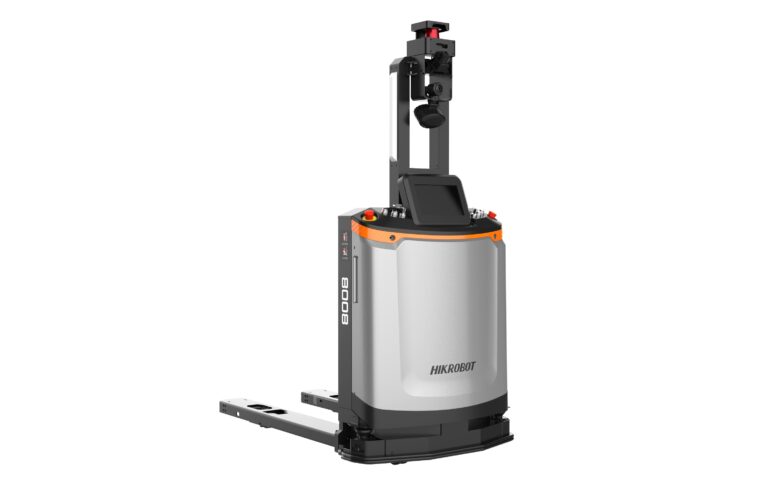
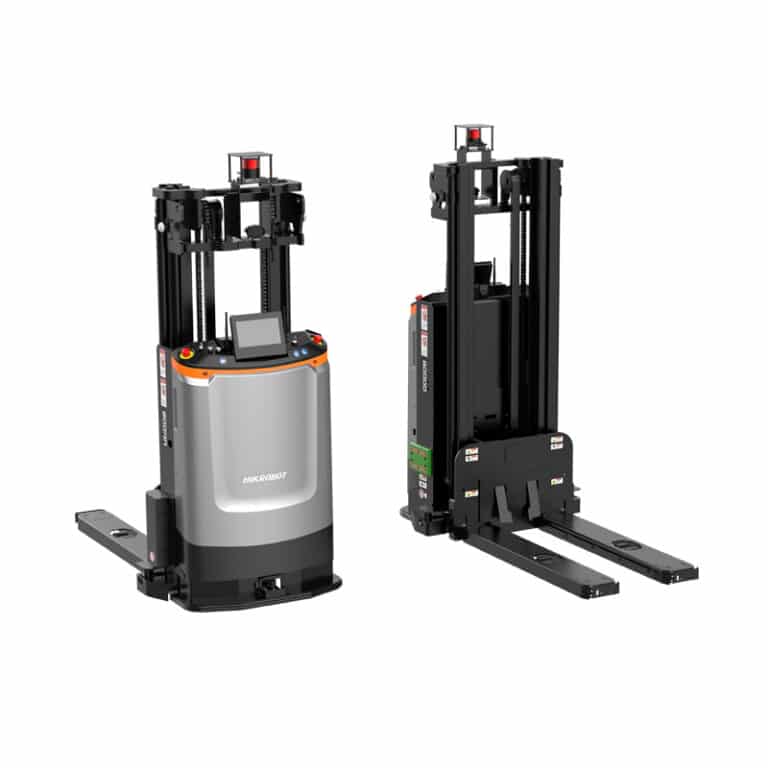
    • 4 forklift mobile robots (FMRs)
    • 468 storage locations
    • 1 stacker crane
  • Throughput Capacity: 46 pallets/hour
  • Implementation Cycle:
    • 70 days engineering design
    • 100 days warehouse construction
    • 30 days AGV deployment

This project enabled accurate pallet movement and reduced manual handling errors across production staging zones. The forklift robots’ precision navigation supported just-in-time delivery of materials within the automotive assembly process.

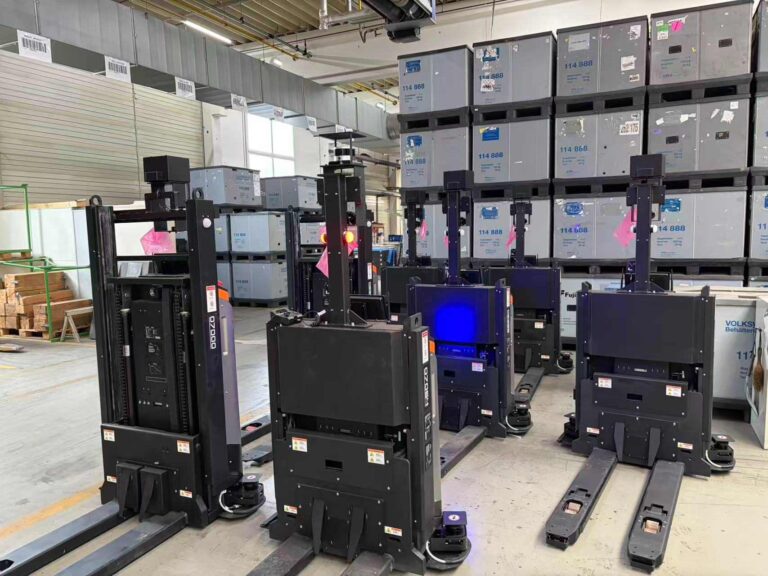
Germany Raw Material Handling Project: How Did AGVs Replace Traditional Forklifts?

This overseas case focused on replacing manual forklifts with automated handling systems to improve consistency.

  • Location: Germany
  • Industry: Industrial manufacturing
  • Deployment Scale:
    • 5 latent mobile robots (LMRs)
    • 10 forklift mobile robots (FMRs)
  • Processing Capacity: Raw materials: 8 pallets/hour; Finished goods: 50 pallets/hour
  • Implementation Cycle: 70 days
    Wesar's AGV implementation case

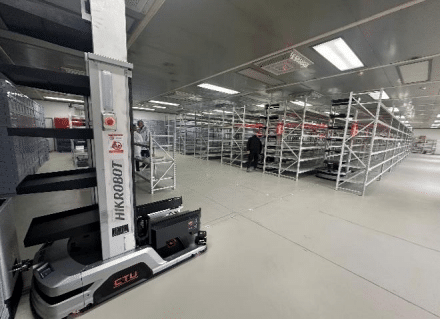
Bulgaria Material Sorting Project: How Did Carton Transfer Automation Improve Efficiency?

This European deployment optimized carton-level logistics using compact robotic sorting units.

  • Location: Bulgaria
  • Industry: Automated material sorting
  • Deployment Scale:
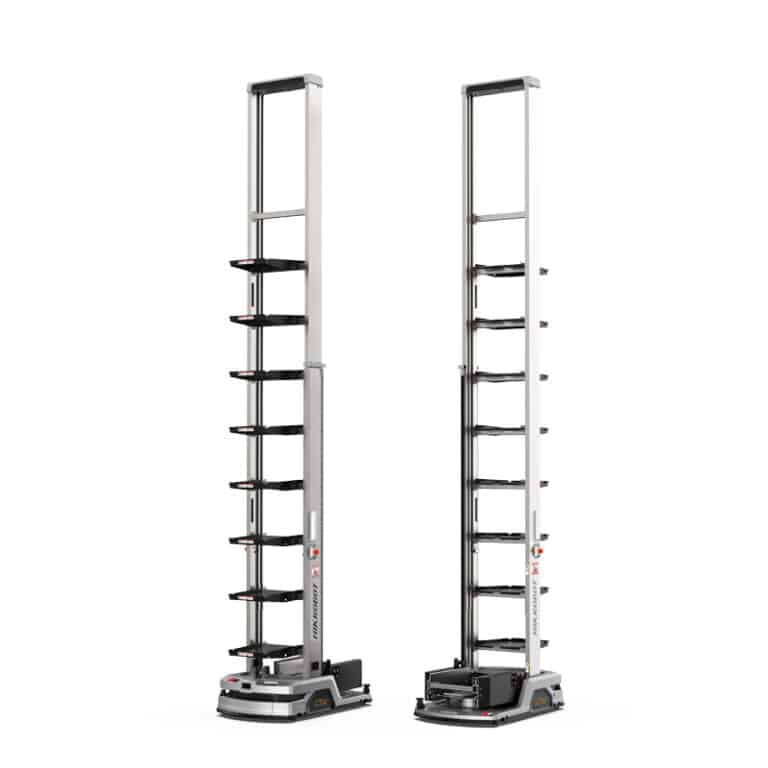
    • 3 carton transfer units (CTUs)
    • 2 rack systems
    • 3,000 storage locations
  • Sorting Capacity: 100 boxes/hour
  • Implementation Cycle: 60 days

The deployment reduced manual picking time by one-third while lowering staffing requirements. The CTU-based solution highlighted how small-footprint robotics can drive accuracy and productivity in distribution centers.


AGV implementation case

Why Does Wesar Deliver Reliable AGV Implementations?

AGV success depends on engineering precision, software integration, and lifecycle service support—all areas where Wesar excels.

Full-System Integration Capability

Wesar integrates multiple layers of automation including AGVs, 仓库管理系统 (WMS), Warehouse Control Systems (WCS), Robot Control Systems (RCS), ASRS modules, and conveyor lines. This enables stable communication across warehouse and production layers.

Fast Deployment Engineering

Wesar’s multidisciplinary teams—mechanical, electrical, and software engineers—enable rapid execution while maintaining reliability. With experienced mechanical, electrical, and software teams, Wesar delivers rapid project execution without sacrificing system stability.

Custom Project Planning

Each solution is designed around site-specific factors such as layout constraints, safety standards, throughput goals, and scalability potential. AGVs are highly customizable to adapt to various environments with tailored sizes, navigation types, and interfaces.

Who Is Wesar Intelligence Co., Ltd.?

Wesar intelligence Co.,Ltd. as a one-stop intelligent factory solutions provider, specializes in core services such as green intelligent logistics robots, intelligent factory system design and construction. Established in Suzhou in 2014 with a 7,000㎡ manufacturing base in Nantong, the company provides end-to-end industrial automation solutions worldwide.

Intelligent Logistics Equipment Manufacturing

The company is dedicated to offering customers expert-level, customized, integrated solutions that include consulting and planning, software development and equipment manufacturing, project implementation and after-sales support. Its product range covers latent mobile robots (LMR), forklift mobile robots (FMR), heavy-load AGVs (HMR), conveyor systems, ASRS equipment, and carton transfer units.

Software Development and System Coordination

Wesar’s proprietary platforms—WMS for inventory management, WCS for equipment coordination, RCS for robot scheduling—ensure seamless communication among all devices within an automated facility. These systems ensure coordinated warehouse execution and equipment dispatching.

End-to-End Project Delivery

From consulting to after-sales service support, Wesar’s engineering workflow ensures smooth implementation cycles. Our dedicated sales team serves as a liaison between you and our technical experts, ensuring that all inquiries are addressed within 12 hours and on-site assistance is provided within 48 hours after visa approval.

What Makes Wesar’s AGV Case Studies Valuable for Manufacturers?

These implementation cases validate automation performance across industries by quantifying operational improvements.

Proven Operational Improvements

Across all deployments—from domestic factories to overseas warehouses—results consistently show labor reduction exceeding 30%, faster internal transfers by up to 40%, improved accuracy through automated scheduling systems, and enhanced throughput stability via real-time monitoring platforms such as RCS.

Scalable Deployment Models

AGVs are widely used in internal logistics of manufacturing industries such as automotive, home appliances, electronics, and machining. Wesar’s modular design allows scalability from small pilot installations to enterprise-level networks exceeding 100 robots working collaboratively under unified scheduling algorithms.

结论

Wesar’s diverse AGV implementation cases demonstrate the tangible benefits of intelligent logistics—from domestic high-volume factories to international facilities demanding precision automation. Each case underscores the company’s ability to tailor hardware configurations with integrated software platforms that ensure stable operations under dynamic industrial conditions. For global manufacturers pursuing reliable automation partners capable of delivering measurable results within short lead times, Wesar stands out as a proven leader combining engineering expertise with scalable innovation.

常见问题

How long does a typical AGV implementation project take?

Project durations generally range from 30 to 120 days depending on complexity levels such as software integration or warehouse infrastructure readiness.

Can Wesar customize AGV systems for unique factory layouts?

Yes. Each system is engineered based on spatial constraints and workflow logic ensuring optimal route planning without disrupting existing operations.

Why choose Wesar as an AGV supplier?

By combining proprietary software development with robust hardware manufacturing under one organization structure—and backed by responsive service teams—Wesar ensures dependable long-term performance across global industrial applications.

分享
Facebook
LinkedIn
有关的 文章
Laser vs QR Code Navigation in AGVs Which Is Better for Warehouse Automation
Wesar's AGV implementation case
AGV Pallet Transport Systems A Complete Guide for Warehouse Automation
How iWMS Integrates with AGV and AMR Robot Fleets
zh_CNChinese