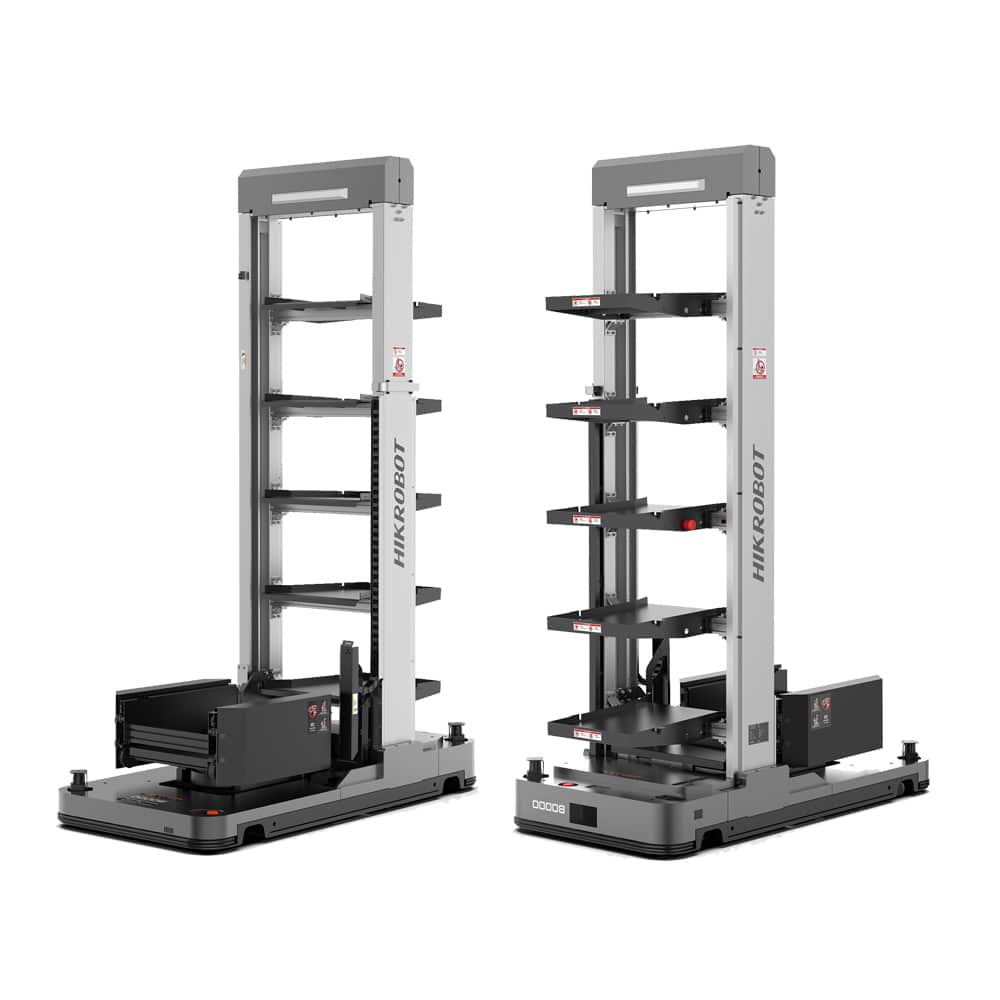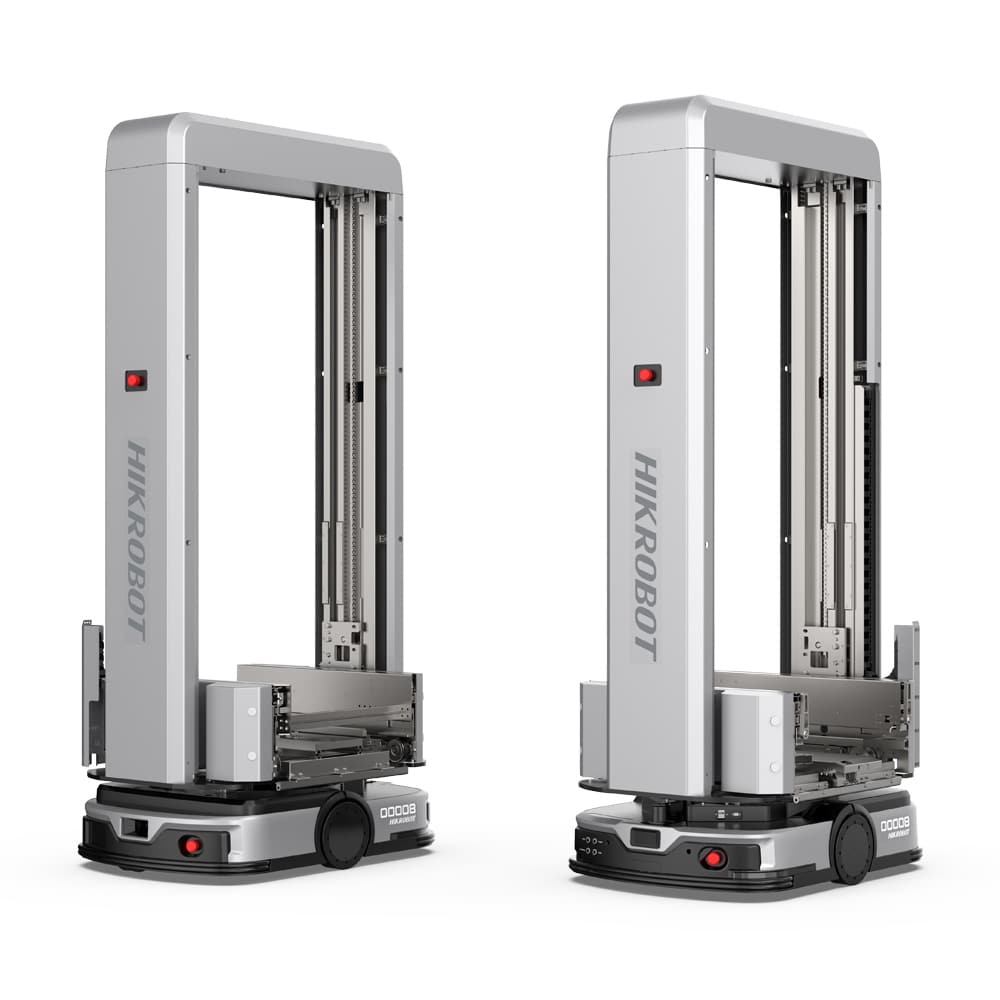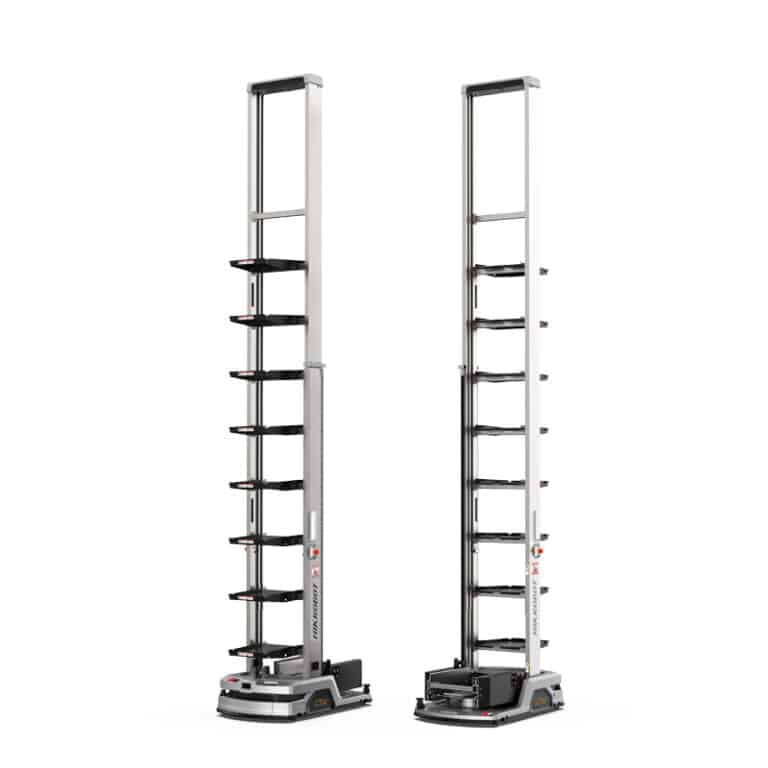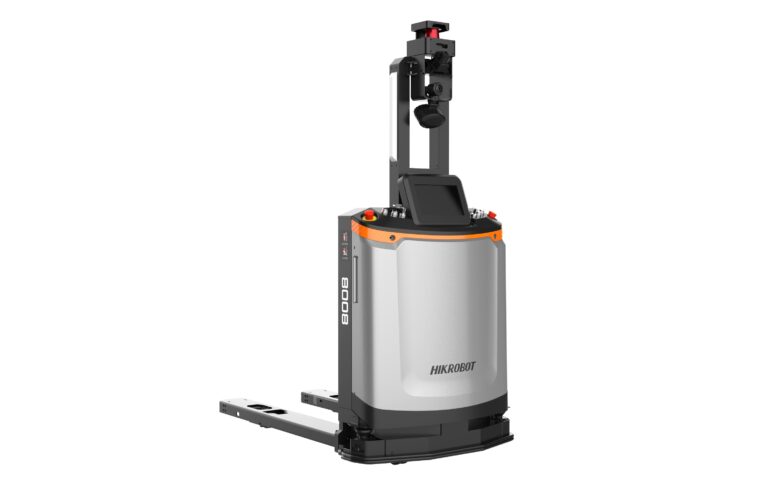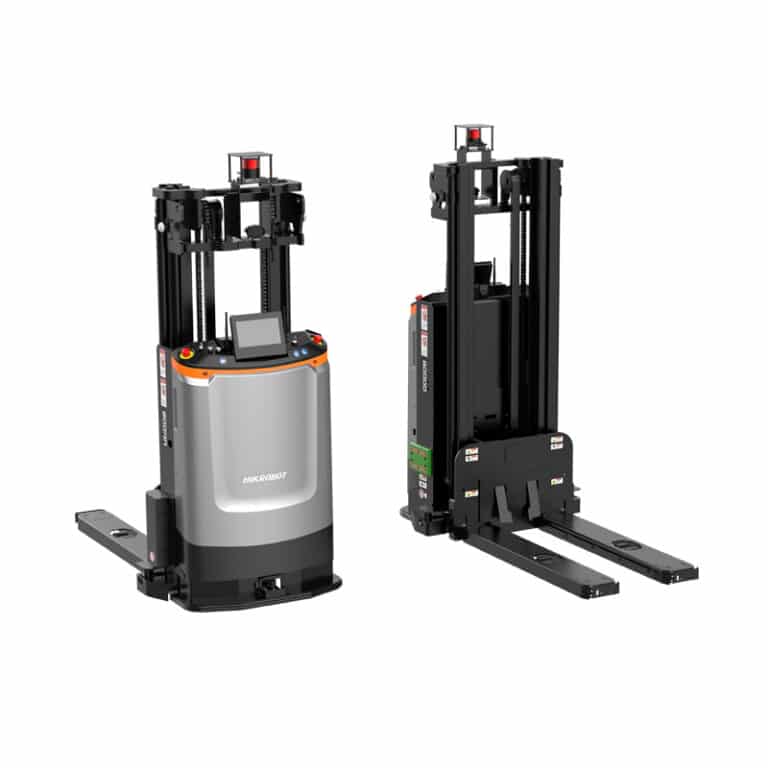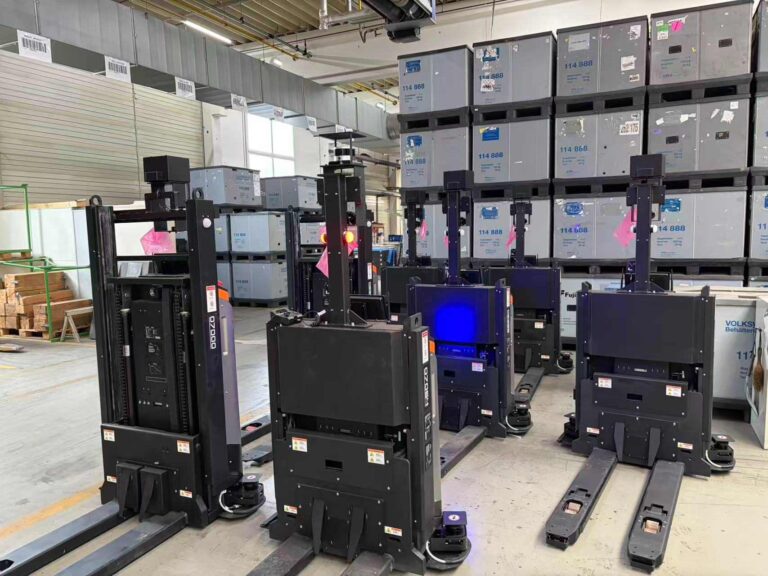
A. CTU solution helps facilities shift away from hard manual picking. Instead, they adopt a highly effective automated storage and picking setup. It combines carton transfer unit robots, storage racks, and picking workstations. It also integrates warehouse management software and robot scheduling systems. As a result, goods are stored, retrieved, and moved with much less walking. Workers also face fewer repetitive handling chores. For factories and e-commerce warehouses, this setup is highly valuable. Retail distribution centers, 3C warehouses, pharmaceutical logistics, and spare-parts areas benefit too. A CTU solution boosts picking speed and increases storage density. It eases labor burdens and makes daily operations far more adaptable during busy order peaks.
What Is a CTU Solution?
A CTU solution goes beyond a simple robot product. It acts as a full warehouse automation framework. This framework centers on handling totes or cartons.
CTU Robots, Racks, and Workstations
In a standard CTU warehouse, items sit inside cartons, totes, or bins. These containers rest on multi-layer racks. CTU robots travel back and forth between storage spots and workstations. The system might receive an inbound, outbound, replenishment, or picking task. When this happens, the CTU robot travels to the exact rack spot. It grabs or transfers the needed container. Finally, it delivers that container to the assigned workstation.
This setup transforms the old “person-to-goods” routine. It creates a modern “goods-to-person” or “tote-to-person” workflow. Workers do not have to walk long distances anymore. They no longer search across endless shelves for items. Instead, the CTU system carries the right cartons or totes directly to them. This cuts down on walking time. It speeds up the picking pace and supports highly accurate warehouse tasks.
Software and Task Dispatching
CTU performance relies heavily on strong software. A solid CTU solution normally links with WMS, RCS, or warehouse control systems. It also connects with customer-side platforms like ERP or MES. Wesar’s solution page displays autonomous mobile robots and CTU products. It also highlights iWMS-1000, RCS-2000, MCS, and other software platforms. These form a core part of its intelligent logistics framework.
Thanks to system scheduling, CTU robots avoid random movements. They strictly follow task priorities and rack locations. They also respect order waves, workstation demands, and traffic rules. Because of this, multiple robots can operate smoothly together inside a tight warehouse space.
How Does CTU Work with Shelves in an Unmanned Warehouse?
The main benefit of combining CTU with shelves is dense storage. Automated container movement adds immense value as well.
High-Density Storage Layout
Older manual shelves require wide aisles for people and carts. In many facilities, this wastes valuable storage space just for walking paths. A CTU solution allows for a much tighter rack layout. Robots travel along carefully planned routes. They can easily grab totes from multi-layer storage positions.
This setup works exceptionally well for warehouses managing many SKUs. It suits small items, spare parts, electronic components, and retail goods. Medicine, cosmetics, and e-commerce products fit perfectly too. These items usually weigh very little on their own. However, they demand a massive number of storage spots. Using CTU alongside racks greatly boosts the storage density for these facilities.
Automated Inbound and Outbound Flow
During inbound tasks, workers place goods into totes. The system then assigns these totes to specific rack spots. Next, CTU robots move the containers to the proper shelf zone. For outbound tasks, the system figures out which totes are needed based on current orders. After that, it sends CTU robots to fetch them. The robots deliver these totes straight to picking or sorting workstations.
In a highly advanced setup, CTU handles replenishment and temporary storage. It manages returns, emergency orders, and wave picking too. The product handbook shares a great example. It describes a CTU + AMR solution built for e-commerce warehouse duties. This setup uses iWMS-Logistics and RCS-2000. It supports inbound transfers, outbound sorting, and dynamic inventory optimization. It also handles wave-based picking. This specific example shows a peak speed of 1,200 orders per hour. It also notes a peak hit rate around 3.6.
Why Can CTU Reduce Costs and Improve Efficiency?
A CTU solution builds value by cutting out useless manual movement. It boosts order accuracy significantly. It also makes warehouse resources much easier to schedule.
Less Walking and Lower Labor Intensity
In manual warehouses, staff members spend hours walking and searching. They also carry items and verify goods manually. CTU completely changes this old habit. Workers remain stationed near their workstations. The system simply sends the correct tote or carton right to them.
This approach lowers physical strain and keeps picking speeds steady. Wesar’s profile shares a real warehouse automation case. A CTU project utilized 3 CTUs, 2 sets of racks, and 3,000 storage locations. It successfully hit 100 boxes per hour. This change cut manual picking time from 3 hours down to 2 hours. It also dropped the material sorting staff from 3 people to just 2 people.
Better Use of Space and Equipment
CTU systems also help businesses utilize warehouse space much better. Managers can plan shelves around storage density, robot paths, and workstation output. When compared to a purely manual picking style, the warehouse looks far more organized. It also becomes much easier to expand later.
For growing companies, this flexibility matters deeply. Order volumes frequently go up and down. A CTU solution can begin with a small robot fleet. Later, managers can expand it by adding more robots, racks, or workstations. This grants warehouses an easy way to grow capacity. They do not have to rebuild the entire site.
Which Warehouses Are Suitable for CTU Solutions?
CTU fits perfectly in warehouses needing strong SKU management. It suits places handling small-item storage, rapid picking, and adaptable order processing.
E-Commerce and Retail Warehouses
E-commerce and retail warehouses regularly deal with massive order volumes. They manage many SKUs, frequent sales promotions, and extreme peak pressure. CTU helps by pairing dense storage with quick tote delivery. It easily handles wave picking, batch picking, and order sorting.
The product handbook points out several key logistics sectors. These include e-commerce, footwear, apparel, medicine, fresh food, supermarkets, and fast-moving consumer goods. They all share a massive need for fast picking speeds. Intelligent warehouse systems can rely on algorithms, wave strategies, and scenario-based rules. These tools vastly improve outbound picking results.
Manufacturing and Spare-Parts Warehouses
CTU also matches manufacturing warehouses perfectly. These sites store electronic parts, tools, components, small packaging materials, and spare parts. The system removes the need for manual searching. It locates and delivers the required materials straight to operators or line-side zones.
For factories, this ensures highly accurate material delivery. It cuts down on waiting times. It also helps production teams dodge mistakes caused by manual picking.
How Does Wesar Design a CTU Solution for Customers?
A successful CTU solution must fit the customer’s exact warehouse size. It needs to match the SKU structure, order profile, and storage demands. It must also consider the current labor situation.
Site Survey and Process Planning
Before creating the solution, engineers examine the warehouse layout and ceiling height. They check aisle conditions, floor quality, and fire safety rules. They also look at the picking process, inbound and outbound volumes, SKU sizes, tote sizes, and order wave patterns. The main goal is to figure out the exact equipment needed. They decide the number of racks, robots, workstations, charging points, and software modules.
A CTU solution must never be copied blindly from a different site. A facility with mostly single-item orders needs a unique strategy. This differs greatly from a warehouse dealing with mixed orders, returns, or urgent stock duties.
System Deployment and Training
Once the design gets approved, the project moves into deployment. Engineers install and set up racks, CTU robots, and software systems. They configure routes, stations, charging areas, and task rules. Next, they test inbound, outbound, picking, and replenishment flows. They also verify exception handling and emergency steps.
Operator training carries great importance as well. Warehouse staff must learn how to operate the workstation. They need to understand system prompts and handle abnormal totes. They must also perform daily equipment checks. A proper CTU project should feel simple for the customer’s team to run after final handover.
Why Choose Wesar Intelligence Co., Ltd. as a Reliable AGV Supplier?
威萨智能股份有限公司有限公司。 acts as a complete intelligent factory solutions provider. Its services span consulting, planning, and software development. It handles equipment manufacturing, project implementation, after-sales support, and technology integration. Its product lineup features AGV robots, WMS systems, and ASRS with storage shelves. It also supplies factory equipment, logistics equipment, conveyors, mobile yard ramps, and storage cabinets.
Wesar also delivers full planning, design, manufacturing, installation, and after-sales care. The company profile highlights that Wesar employs over 110 people. This team includes 6 software developers and 16 electrical and mechanical engineers. They operate a 7,000-square-meter factory located in Nantong. For clients wanting CTU warehouse automation, this mix is highly beneficial. The blend of solution planning, robot products, software, and service support brings great value.
结论
A CTU solution helps warehouses craft a highly effective, adaptable, and budget-friendly operation model. Facilities combine CTU robots with shelves, workstations, and smart software. By doing so, they cut down on manual walking and boost picking speeds. They increase storage density and manage order peaks with much greater ease.
Many companies face tough labor shortages, rising facility costs, and rapid SKU growth. They also deal with strict delivery expectations. For them, CTU offers a solid path toward unmanned or semi-unmanned warehouse operations. Wesar Intelligence Co., Ltd. provides customized planning and full-process project backing. They can help clients design and launch CTU solutions. These setups perfectly match actual warehouse conditions and support long-term business growth.
常见问题
Q1: What is the main purpose of a CTU solution?
A CTU solution primarily automates tote or carton storage, retrieval, transfer, and picking tasks. It greatly reduces manual walking. It speeds up picking tasks and expands warehouse storage density.
Q2: Can CTU robots work with existing warehouse shelves?
In certain projects, CTU robots can operate alongside adjusted or customized shelves. However, engineers must inspect rack sizes, aisle layouts, and shelf heights first. Tote dimensions and safety rules also require careful checking before the final design.
Q3: Which industries are suitable for CTU warehouse automation?
CTU solutions work wonderfully for e-commerce, retail, 3C electronics, and pharmaceuticals. Apparel, spare parts, and manufacturing warehouses benefit greatly too. These specific sites usually manage many SKUs, small items, and constant picking chores.