The rapid growth of modern logistics has made manual material handling a massive bottleneck for factories and large distribution hubs. To stay competitive, companies can no longer look at warehouse management software and robotic hardware as separate tools. Real efficiency happens when the brain of the warehouse connects directly to the muscle on the floor. An Integrated Warehouse Management System (iWMS) acts as this central brain. It synchronizes data and coordinates workflows with automated transport systems in real time. By bridging the gap between high-level business software and moving machinery, this integration turns a traditional storage space into a highly responsive, self-optimizing ecosystem. Below is a practical look at how an iWMS links up with automated guided vehicles (AGVs) and autonomous mobile robots (AMRs) to drive peak operational performance.
What Role Does iWMS Play in Modern Automated Warehousing?
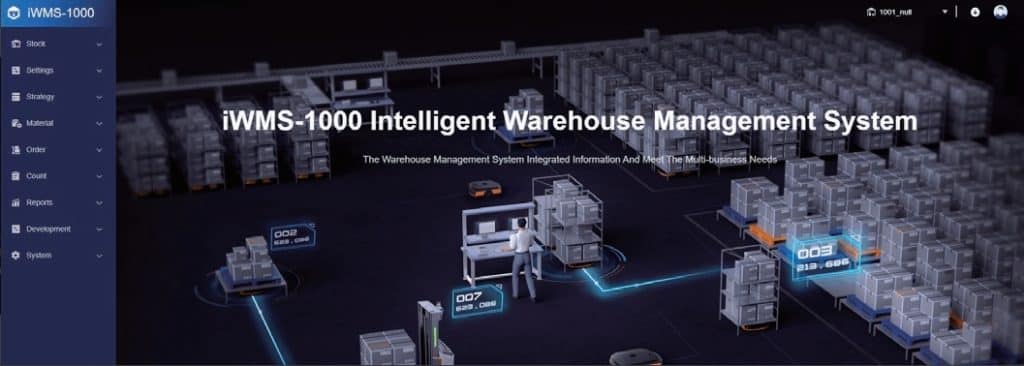
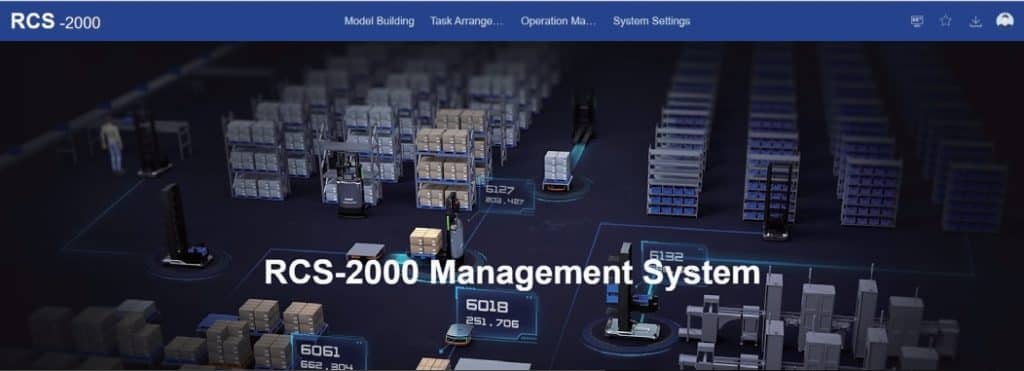
As Intelligent Logistics is becoming more and more common, the Integrated Warehouse Management System (iWMS) becomes the core of automated warehousing. This system enables operators, automated guided vehicles (AGVs) and autonomous mobile robots (AMRs) to work together in a highly synchronized manner. Even decisions are taken in real time. iWMS-1000 (Intelligent Warehouse Management System) is a platform provided as business components. It connects higher-layer systems like ERP, MES and RCS-2000 in order to manage data, tasks and robot scheduling in a combined manner and to enable these to work together in a highly efficient manner. All levels of automation are connected to one another in this manner and all actions in the warehouse are aligned with production.

Core Functions of iWMS in Automation
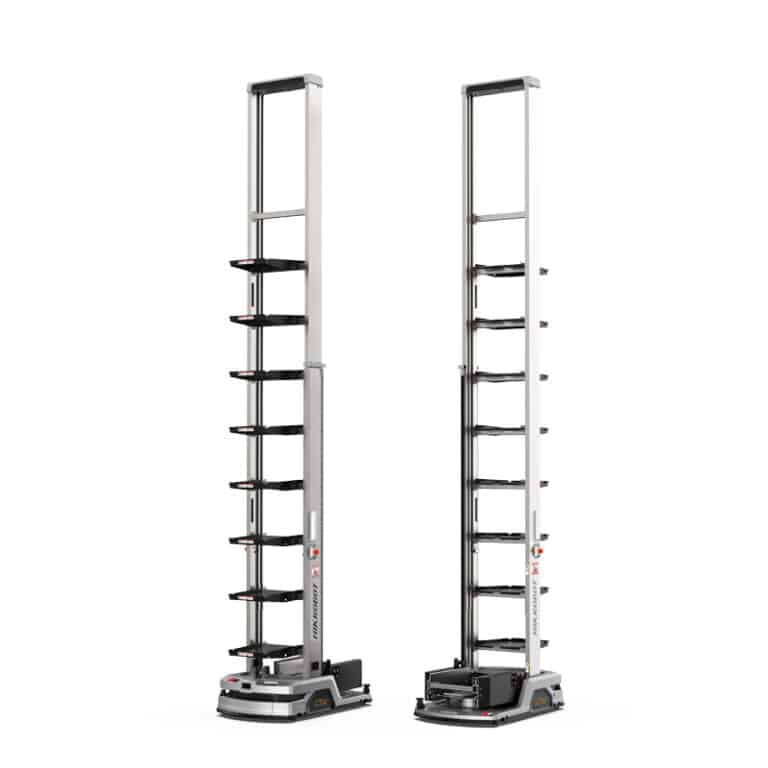
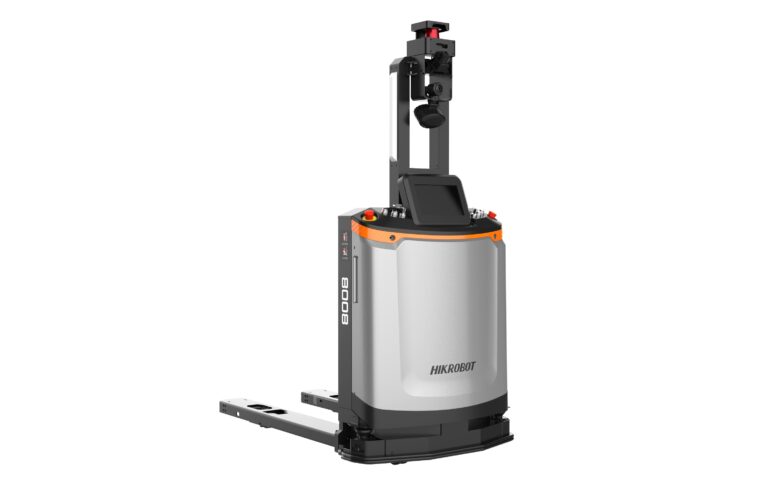
iWMS enables real-time material supply and inventory management by synchronizing material flow and inventory data in real time within the storage area and production zones. Centralized task management for multiple robot fleets, such as AGVs and AMRs, prevents resources from being used for other tasks and maximizes processing volume. iWMS also acts as a bridge between enterprise systems, such as ERP and MES, and the control system for the robots. The RCS-2000 (Robot Control System) is responsible for task allocation, vehicle dispatch and route planning. It is possible to operate a variety of different robots such as hidden warehouse robots, forklift trucks, carton handling robots and transfer robots in multi-type robot systems.
Why Integration Is Crucial for Operational Efficiency
The integration between iWMS and robotic fleets prevents idle time by means of intelligent route planning. In real time, the system determines which task can be processed by which robot best. On the basis of criteria such as proximity, battery power and current workload, tasks are allocated in an adaptive manner. This work optimally avoids manual intervention and guarantees full traceability and accuracy for all processes.
How Does iWMS Connect with AGV Systems?
The interface between iWMS and AGV systems is the core of precision logistics management. All vehicle movements, from picking up a pallet to delivering it, are digitally coordinated.
Communication Protocols and Data Exchange Mechanisms
iWMS connects to AGV fleets via standardized APIs or via the OPC UA interface for example for connection to external systems like SAP or WMS. The data transfer includes the load status, the current position, the status whether a task has been processed or not and also the vehicle status. AGVs are increasingly used as intelligent logistics nodes that are connected to WMS, MES and also to ERP systems. Data is transmitted in secure bi-directional manner so that both control layers are controlled by one command structure.
Coordination Between Task Scheduling and Navigation Systems
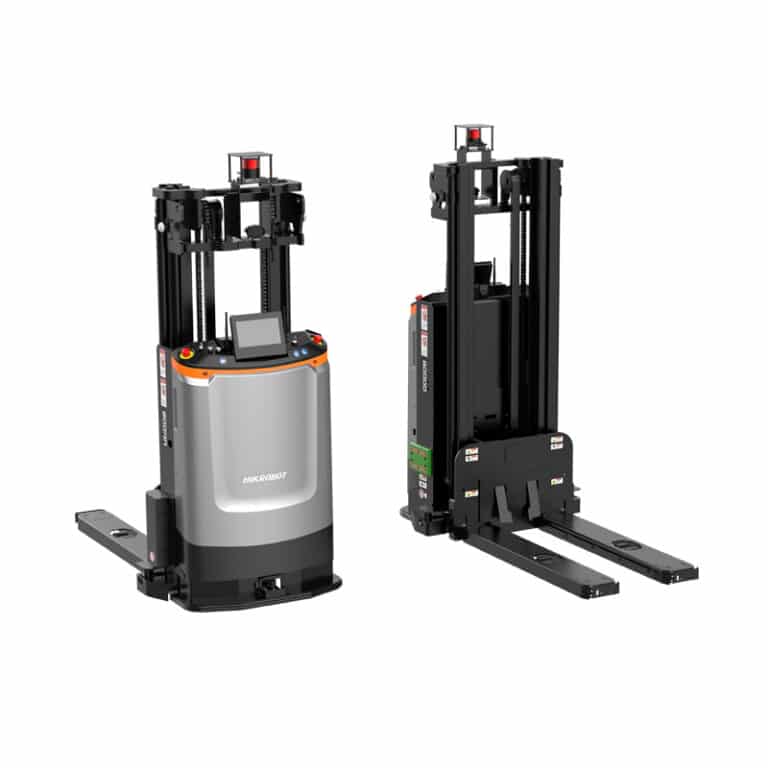
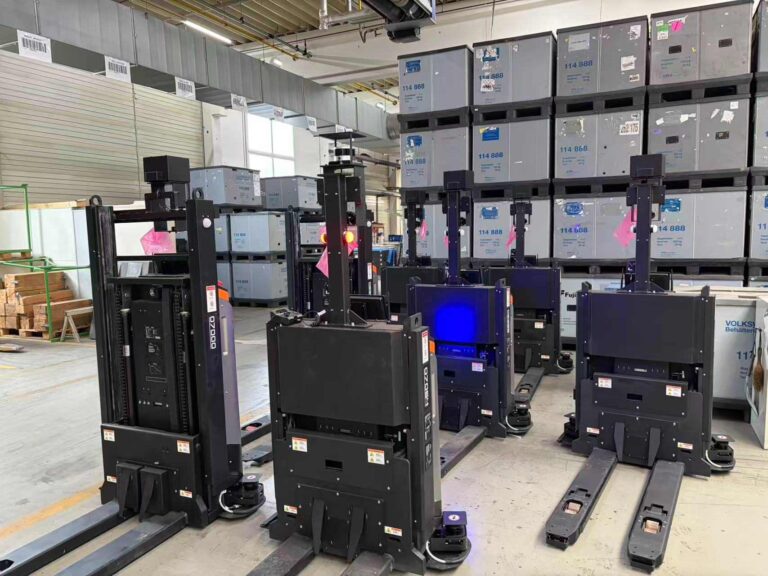
Within this setup iWMS dispatches the transport jobs according to the priorities of the orders. The AGV navigation algorithms receive the routes that the iWMS’ dispatcher has set up for the transport jobs in real time. For the necessary real time adjustments in the course of the transport job, in case of congestion or other obstacles, there are constant feedback loops. AGV–iWMS integration is crucial for high-density storage facilities. Forklift Mobile Robots (FMR) are also perfectly suited for the transportation of very heavy loads. Thanks to their laser SLAM navigation, they are always precisely positioned. And they can be easily integrated into WMS/WCS systems. FMRs thus enable full automation of all inbound and outbound processes in the warehouse.
How Does iWMS Integrate with AMR Fleets?
Unlike fixed-path AGVs, AMRs rely on SLAM (Simultaneous Localization and Mapping) technology to navigate dynamically within changing warehouse layouts. Their integration with iWMS enhances flexibility in hybrid fleet management.
Dynamic Task Allocation Across AMRs
The iWMS platform dynamically assigns tasks among AMR units according to proximity metrics, current workload distribution, or energy consumption levels. When operational conditions change unexpectedly—such as blocked aisles or urgent orders—the system reallocates missions instantly. AMR-integrated flexible production lines are widely used in 3C manufacturing for precise, high-frequency logistics operations that build smart factories. AI-driven optimization further improves throughput during peak demand periods by analyzing historical performance trends.
Data Flow Between iWMS and AMR Control Platforms
The iWMS receives a continuous data exchange with the control platforms of the AMRs for mission reports, health status, environmental maps and predictive maintenance tips. With the software DigitalPlant the factory logistics can be displayed in 3D. The operational data of the AMRs are collected by the Digital Twin and are used for a correct mapping of the warehouse, even when the warehouse layout changes over time.

What Are the Key Benefits of Integrating iWMS with AGV and AMR Fleets?
When deployed cohesively, iWMS acts as an orchestrator that harmonizes hybrid robotic ecosystems comprising both AGVs and AMRs.
Enhanced Visibility and Decision-Making Capabilities
The iWMS unified dashboards offer real-time monitoring of key performance indicators of the fleet’s use such as the levels of utilization or travel efficiency. Thanks to the predictive analytics, potential bottlenecks or problems are detected before they could negatively affect productivity. Thus, management can make decisions on the basis of data, on the assignment of staff as well as on the use of equipment. iDataMeta, the iData business analytics platform, processes the data from the various operational processes of robots and devices and offers them for visualization in control dashboards to support business decisions.
Scalability and Flexibility for Future Expansion
Modular software architecture supports incremental increase of a number of robots within a fleet, without the necessity of complex rework. Our cloud-based approach enables monitoring of sites world-wide while ensuring constant quality. Open protocols for communication between software components and robot controllers enable operation with automation products from all manufacturers. In companies with a large number of different automation products, this is particularly relevant for large corporations.
How Can Companies Implement Seamless Integration Between iWMS and Robotics?
To get the most out of your automation investments, it is important to link your IT infrastructure to the operational goals and ensure interoperability between systems.
Steps Toward a Smooth Integration Process
- Conduct a comprehensive assessment of existing warehouse infrastructure to determine integration readiness.
- Define measurable integration objectives aligned with throughput targets.
- Select middleware solutions or API gateways capable of linking MES/SAP/WMS platforms with robotic controllers such as RCS-2000.
- Validate system functionality through simulation tools before full-scale deployment using digital twin modeling environments like DigitalPlant.
Common Challenges During Implementation and Their Solutions
Data Latency: Optimize the network bandwidth for the control layers to ensure they have the lowest possible latency. Protocol Mismatch: Use standardized communication such as MQTT or RESTful APIs to ensure interoperability between different devices from different vendors. System Downtime: Run the rollout in phases and test in virtual environments to minimize risks during the transition to the new architecture.
Why Choose Wesar Intelligence Co., Ltd as a Reliable AGV & AMR Supplier?
Wesar Intelligence Co., Ltd is a leading provider of intelligent AGV and AMR solutions for modern intelligent logistics systems worldwide. At Wesar Intelligence Co., Ltd, we design intelligent vehicle solutions with an integrated approach to designing hardware of excellence and software ecosystems of substance, including our RCS scheduling platform that can work with a variety of WMS such as SAP or MES.
Our customized integrated solutions for our customers include planning and consulting, software development and equipment manufacturing, project implementation, after-sales service and advanced technology integration. R&D capabilities enable flexible applications to various industries such as manufacturing plants, e-commerce distribution centers and etc..
Key Strengths of Wesar Intelligence Solutions
- Proven expertise in hybrid fleet management combining both AGVs (e.g., FMR forklift robots) and AMRs under one unified control system.
- Scalable product portfolio adaptable to facilities of different sizes—from compact warehouses using LMR latent mobile robots to large-scale ASRS installations.
- Dedicated technical support team providing global clients with customized integration services backed by rapid on-site assistance within 48 hours after visa approval.
- Reliable AGV providers like Wesar offer seamless system integration services along with long-term technical support ensuring smooth operation stability.
Conclusion: The Strategic Value of iWMS–Robot Integration in Smart Warehouses
By integrating an advanced iWMS with AGV and AMR robot fleets, the warehouse becomes an adaptive system. It operates on the basis of closed intelligence loops and is therefore able to regulate itself in real time. In addition to higher productivity, the system also reduces costs and sets the stage for future innovations, for example AI-based predictive logistics which can be managed using continuous learning processes within the framework of a RCS–iWMS.
常见问题
1. Can different brands of AGVs or AMRs work together under one iWMS platform?
Yes. If the system uses open protocols or standard API’s such as OPC UA then systems from multiple different manufacturers can be integrated together and work collaboratively in one system managed by a single scheduling layer, such as RCS-2000.
2. What is the typical timeframe for implementing an iWMS–robot integration project?
Implementation timeframe will vary based on the nature and complexity of the warehouse, but can typically be expected to be a matter of weeks for a very simple warehouse and several months for a very large, complex automation network, of hybrid type, requiring orchestration of a diverse fleet of robots.
3. How does integrating robotics with iWMS improve ROI?
Integration between increased accuracy and improved throughput enables automation to reduce the costs associated with manual intervention whilst Predictive Maintenance Alerts deliver downtime saving insights into robot and trolley health. So overall there is fast return on investment for automation of very complex logistics operations using intelligent control to co-ordinate hundreds of AMR’s and AGVs via a single IWMS Platform.