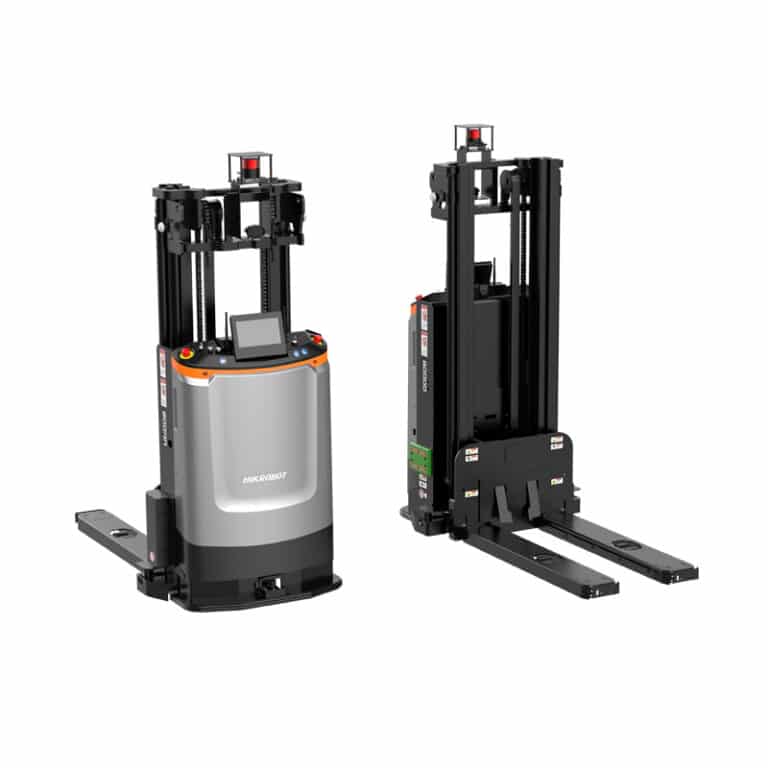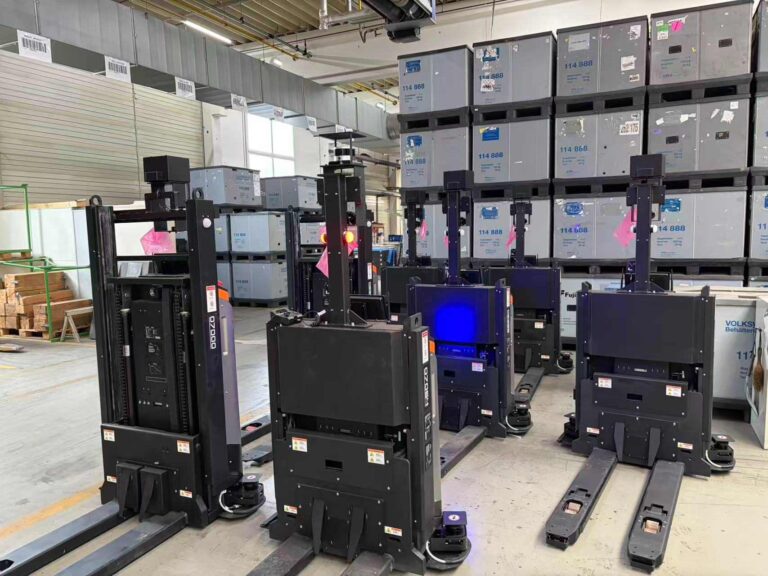
Combining mobile robotics with current conveyor setups changes standard material handling into a lively, smart, and very flexible setup. The close work between mobile robots and conveyors lets makers push automation past set structures. This cuts down on hand work and boosts output in making and storage areas.

Key Principles of System Integration
Mobile robots serve as bendy links between fixed conveyor paths. They allow moving goods across various spots without big setup overhauls. This combining fills spaces in old systems. It adds self-driven movement that goes well with ongoing conveyor streams. Data matching takes a big part. It makes sure smooth pass-overs from conveyors to robots. As a result, it keeps rightness and evenness during good trades. Live talk methods like OPC UA or MQTT line up times, job shares, and motion sharpness. This helps both systems run smoothly under one main control.
The Role of Automation Architecture
A strong automation structure is key to getting easy working together. Middle platforms act as the link layer. They handle data trades and order signals between conveyors and mobile robots. Step-wise software structures make scaling work step by step possible. They do this without breaking active making tasks. With central control and clear data views, this combining backs Industry 4.0 goals. It lines up real tasks with digital smarts.
What Are the Main Technical Challenges in Integrating These Systems?
The gains are easy to spot. Still, blending mobile robotics with conveyor systems brings tough engineering issues. Teams need to tackle them with careful mechanical plans, software setups, and work checks.
Mechanical Compatibility Issues
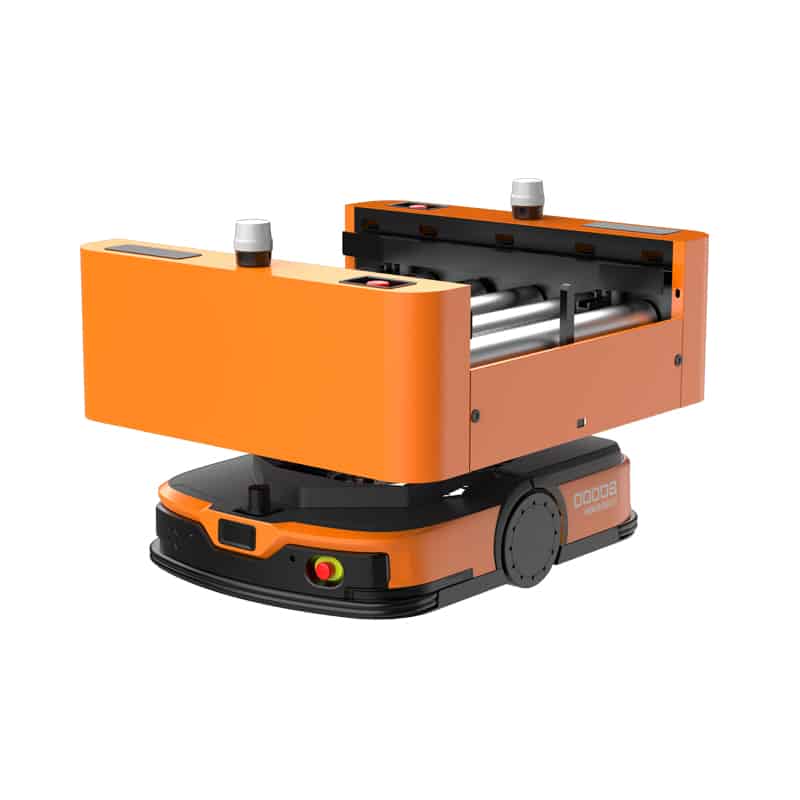
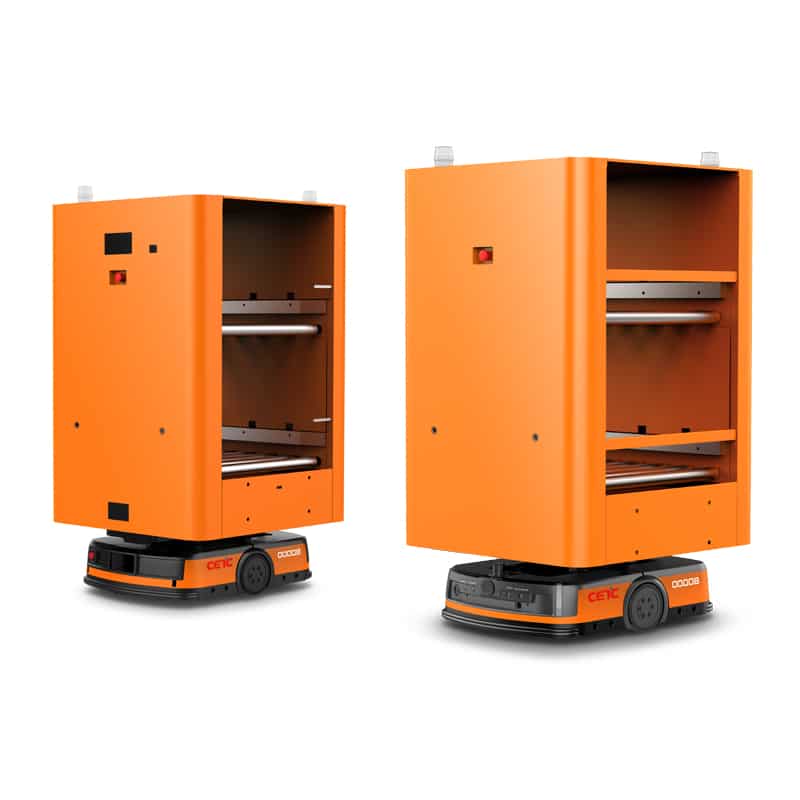
Mechanical matching ranks as one of the biggest issues in combining. Varies in conveyor level, pace, or design can make robot joining rightness hard. Special shift points often get planned to lock in firm load swaps between active conveyors and robot bases. Plus, safety detectors need right tuning to spot blocks and stop crashes during shift tasks. The 传送带移动机器人(CMR) has a roller setup on its top for auto good joining. It can adjust for different conveyor levels. This bendiness lowers mechanical mismatches. Meanwhile, it raises automation reach without major gear changes.
Communication and Control Synchronization
Digital matching matters just as much. Combining needs set talk methods like OPC UA or MQTT to lock in steady data sends between tools. Delay problems can break live teamwork. So, one control program gets set up to run job timing well across both systems. AGVs grow into smart logistics points tied with WMS, MES, and ERP systems. This builds smooth data circles and lively planning. Such links make sure conveyors and robots reply right away to work shifts. They keep steady output measures too.

Why Is This Integration Important for Modern Manufacturing?
The meeting of conveyors and mobile robotics shows a planned move toward full self-run making setups marked by bendiness, growth potential, and quick replies.
Enhancing Operational Flexibility
Mobile robots allow re-shaping of good flows without expensive fixes to fixed conveyor designs. When making needs change or new good ranges start, these robots shift paths on their own. They do so through fresh map rules. Less need for set structures builds strength against breaks from upkeep or design shifts.
Improving Throughput and Efficiency
Non-stop work happens when conveyors manage repeat swaps. At the same time, mobile robots handle between-path logistics in a lively way. Smart path rules cut down on jams. They adjust robot routes based on live flow states in buildings. Forward upkeep tools watch robotic parts and conveyor pieces. They find possible breaks before they start. This lessens surprise stops by a lot.
How Does Data Integration Drive Smarter Logistics?
Data-led combining makes the base of today’s inside logistics. It opens up forward data checks, bendy choice-making, and steady better rounds.
Centralized Data Management for Performance Optimization
Joint data stores gather work numbers from both conveyors and mobile robots. They build a full picture of system output. Checks of cycle lengths help spot tight spots in good flow. Cloud-based boards turn basic data into useful tips. Engineers and bosses use them to improve processes.
The Role of AI in System Coordination
Man-made brains lift teamwork with forward shaping and self-run planning tools. Learning rules predict busy load times. They shift tools lively across linked systems. AI-led planners even robot readiness with conveyor output paces. Reply loops keep tuning output settings from past patterns. This leads to wiser logistics nets able to self-tune over time.
What Are the Key Steps to Implement a Conveyor-Mobile Robot Integration Project?
Putting in a combined fix needs ordered planning. It goes from first do-ability checks through start-up. This locks in mechanical matches and digital evenness across all under parts.
Assessing Existing Infrastructure Capabilities
The first part checks now conveyor setups. It includes mechanical sizes, sensor spots, control links. It finds good joining points fit for robot ties. Work flow checks decide where self-movement adds clear worth in speed or cost cuts.
Designing an Interoperable Control Framework
Choosing middle tools that back open talk sets allows easy dealings between old gear and new robot items. Test shapes should get built to check matching logic before rollout starts. Safety rules need to match work sets like ISO 3691. That set rules self-run vehicle work in shared areas.
Testing, Validation, and Continuous Improvement
Sample runs check rightness in load swaps, time sharpness, and safety fits under true work states. Output data from tests lead step-by-step fixes. They adjust robot path lines or set conveyor paces as needed. Upkeep plans tie in mechanical service times and software refresh rounds. This gives lasting sureness through system life rounds.
How Does Wesar Intelligence Co., Ltd Enhance Conveyor-Mobile Robot Integration?
Wesar intelligence Co., Ltd works as a one-stop intelligent factory solutions provider. It focuses on core services such as green intelligent logistics robots, intelligent factory system design and construction. The company’s expertise reaches across consulting, software development, equipment manufacturing, project implementation, after-sales support, advanced technology integration, and enablement. This makes it a perfect match for businesses chasing combined automation plans involving conveyors and mobile robotics.
Wesar’s Technological Strengths in Mobile Robotics Solutions
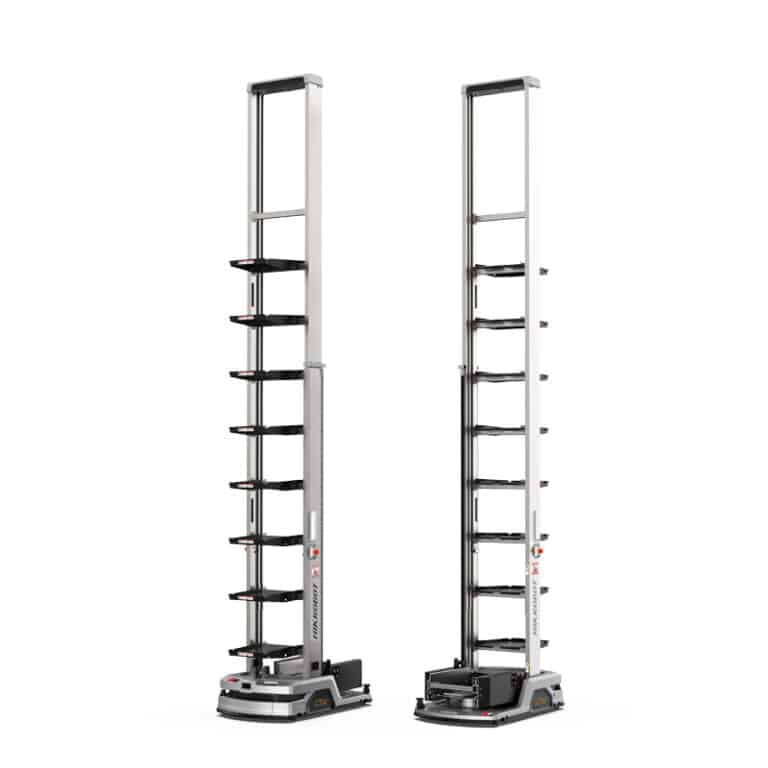
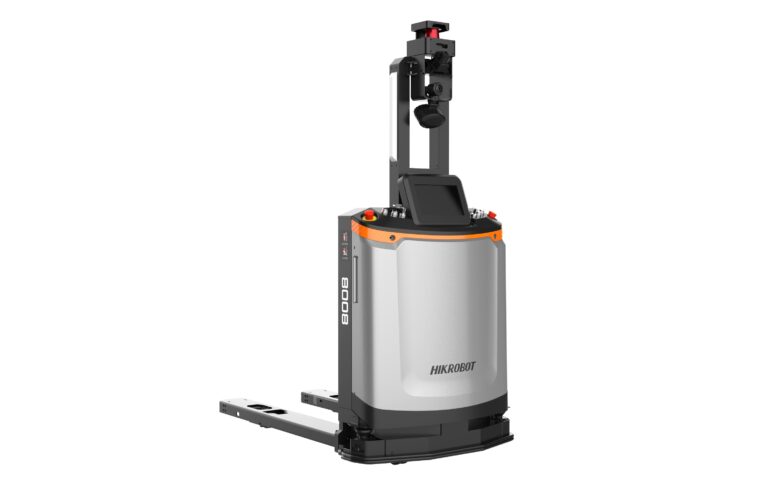
Wesar’s product line includes: AGV robots, WMS systems, ASRS with storage shelves, factory equipment, logistics equipment, conveyor and mobile yard ramps. Among these solutions are modular AMR platforms designed for compatibility with industrial conveyor networks through configurable roller mechanisms or lifting modules that facilitate precise load transfers at varying heights. The company provides comprehensive integration support encompassing system design consultation, simulation modeling using digital twin environments, middleware configuration for unified control frameworks, and fleet management optimization using proprietary scheduling algorithms.
Wesar stresses sureness through advanced navigation technologies such as SLAM-based localization combined with redundant safety layers including laser-based obstacle detection systems compliant with international CE standards. Intelligent fleet management tools coordinate multi-robot operations seamlessly across complex facilities where conveyors form part of broader automated workflows.
Value Proposition for Industrial Clients
By teaming up with Wesar Intelligence Co., Ltd., makers can spread automation reach without swapping their whole old structures. They reach updates at lower money spend levels. These tailor-made solutions bring best value to customers. Growth-ready structures allow simple adds as making amounts rise or building designs change over time. World service nets make sure long-run tech aid along with steady tech lifts matched to new work sets.
Conclusion: Building a Connected Material Handling Ecosystem
The combining of mobile robotics with existing conveyor systems shows a big change toward linked inside logistics tasks where fixed automation meets self-run movement. Through matched hardware links backed by central software smarts, businesses gain better speed, fit to market changes, improved safety fits, and full clearness across inner supply paths. This sets the base for smart factories tuned under Industry 4.0 ways.
常见问题
1. What industries benefit most from integrating mobile robots with conveyor systems?
Fields like automotive manufacturing, electronics assembly (3C), e-commerce fulfillment centers, pharmaceuticals distribution hubs, food processing plants, and energy sectors requiring high precision logistics all get strong pluses from this combining. They do so because of better bend in handling task flows.
2. How long does it typically take to integrate mobile robots into an existing conveyor network?
Rollout times differ by hardiness. But they usually go from some weeks to a few months. This covers design check steps followed by gear setup phases along with setup trials before full push.
3. Can existing conveyors be upgraded without major structural changes?
Yes. Most current projects use step joiners or joining stands. These let self-mobile robots like CMRs or AMRs tie straight with old conveyors. Thus, they grow automation skills without full structure swap needs.