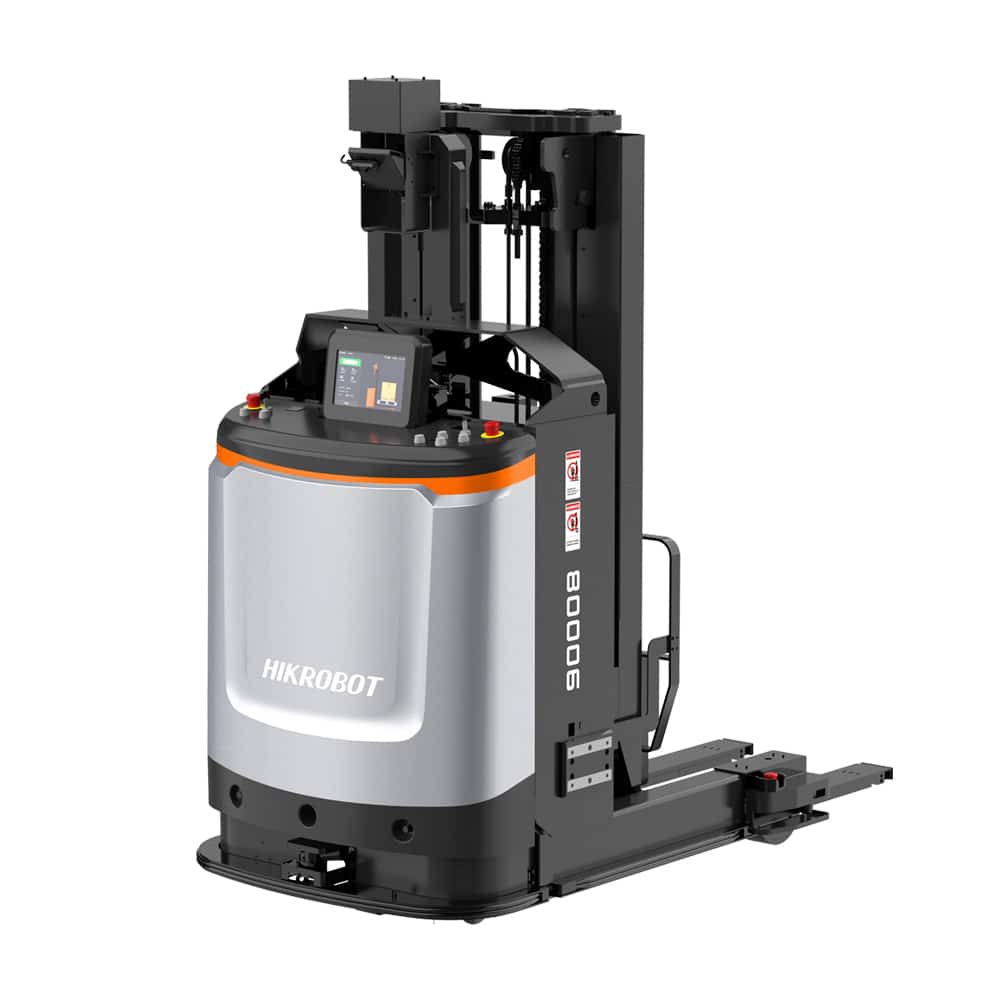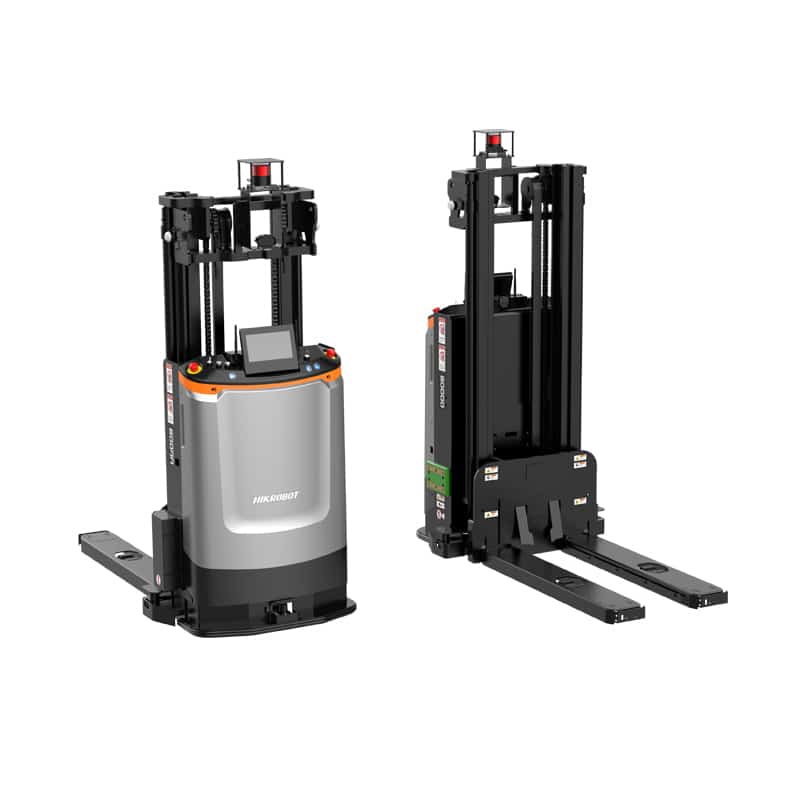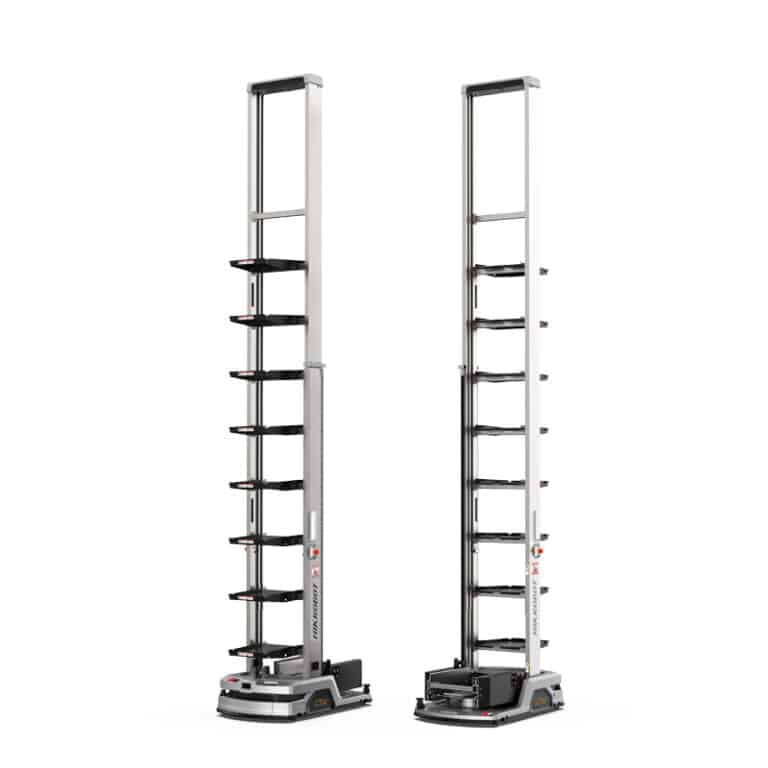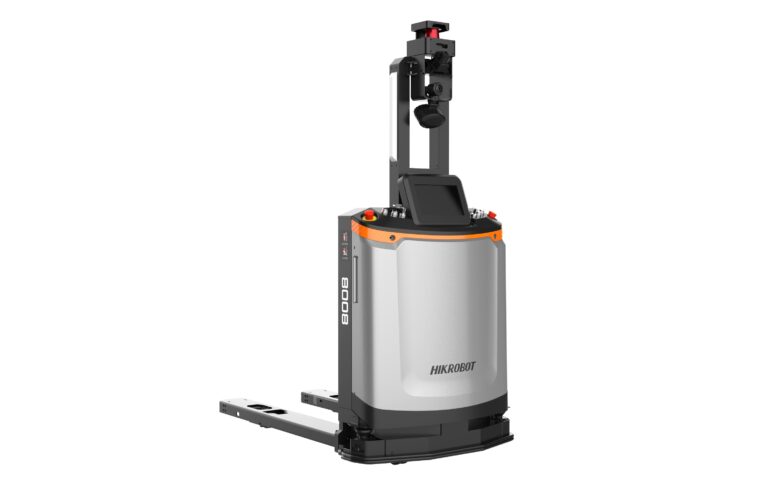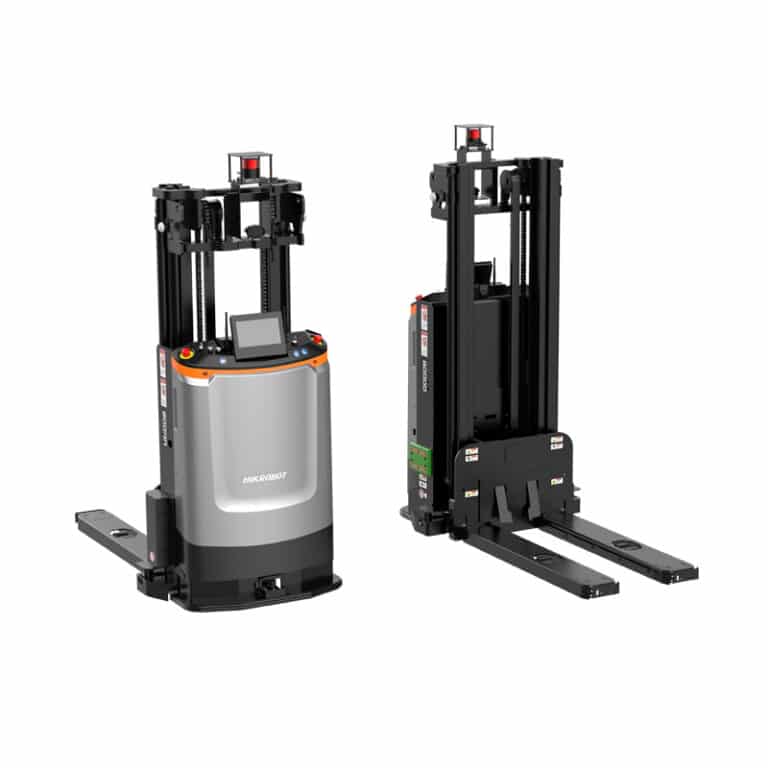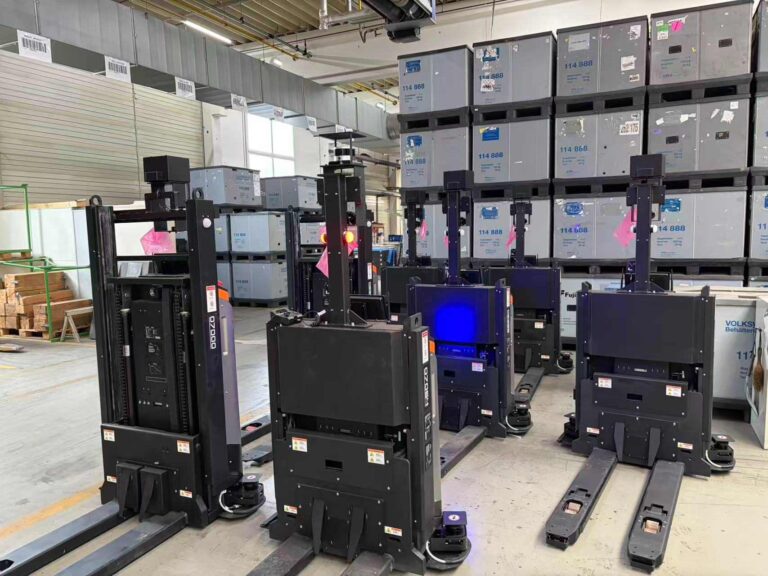
The need for AGV automation in European warehouses comes from the continent’s changing logistics scene. This scene features tricky supply chains, growing labor expenses, and the quick rise of e-commerce. Businesses face more pressure to boost efficiency and green practices. As a result, automated guided vehicles (AGVs) serve as key parts of today’s warehouse work.

Key Market Forces Shaping Warehouse Automation
The boom in e-commerce throughout Europe has greatly raised the demand for quicker and more exact order processing. Retailers and logistics firms turn to automation. They do this to manage changing order amounts and varied product types well. Labor shortages make this change even stronger. Many European nations deal with older workforces and trouble in hiring trained warehouse staff. According to “Many manufacturing and logistics companies face a shortage of skilled workers and rising wages. This is especially challenging for roles involving repetitive handling tasks, which are hard to recruit, train, and retain.” Thus, AGVs offer a solid option. They keep steady output while cutting reliance on human effort.
Green practices also shape warehouse automation plans in a big way. European Union rules stress energy-saving logistics options that fit environmental aims. “AGV systems reduce carbon emissions and enhance energy efficiency, contributing to green factories and ESG goals.” This match with Europe’s eco shift makes AGVs a smart choice for firms. They seek both smooth operations and care for the environment.
Regulatory and Technological Influences
EU rules that push digital change under programs like Industry 4.0 have sped up the use of smart tech in warehouses. Progress in sensors, AI, and IoT has made AGVs safer, smarter, and better at fitting into tough settings. “AGVs are evolving into intelligent logistics nodes integrated with WMS, MES, and ERP systems, creating seamless data loops and dynamic scheduling.” Plus, government perks that back automation help Europe’s strong spot in world logistics. They encourage spending on advanced setups.
How Do AGVs Enhance Operational Efficiency in Modern Warehouses?
AGVs have changed how European warehouses handle material flow. They automate routine jobs that once needed heavy manual work. Their exact navigation setups ensure dependable goods movement between storage areas and production lines.
Improving Material Handling Processes
“AGVs transport goods between storage zones and production lines with precision.” Automated paths cut down on jams by improving traffic routes in buildings. When linked with warehouse management systems (WMS), they allow instant teamwork between stock tracking and transport jobs. Route improvement tools and task planning let work go on without blocks or downtime. These are main points for busy places like e-commerce order centers or car making plants.
Enhancing Productivity Through Continuous Operation
Unlike people limited by work hours or tiredness, AGVs run around the clock with little oversight. Tools for forward-looking upkeep check system work to stop sudden failures. Software for managing vehicle groups shifts resources based on work load changes. It keeps top output even in busy times.
“Next-gen systems will feature smarter algorithms to manage hundreds of AGVs working collaboratively in large-scale, complex environments.” This growth fits well for European shipping points that handle trade across borders. There, smooth work directly affects delivery trust.

How Does AGV Automation Support Safety and Workforce Optimization?
Automation boosts not just output but also work safety. This is a top goal under tight EU health rules for jobs.
Creating a Safer Working Environment
“Heavy and high-altitude handling tasks pose significant risks, with accidents often caused by fatigue or human error.” Warehouses that use AGVs with laser obstacle avoidance cut risks of crashes between people and machines. Automated lifting eases body stress on staff who deal with heavy items. Following CE-certified safety rules ensures steady work in different building types. These range from cool storage spots to car building lines.
Redefining Workforce Roles in Automated Warehouses
As hand work drops, staff move to oversight or tech jobs. They focus on watching systems and fixing them. Training plans stress digital skills over body labor. Teamwork between people and machines improves work flow. Employees guide vehicle groups while AGVs do exact moves in set areas.
What Are the Economic Benefits of Implementing AGVs in European Logistics?
Operators in European logistics see AGV use as a smart spend. It brings clear gains through lower costs, better resource use, and stronger service trust.
Cost Reduction and Resource Optimization
Automating transport jobs cuts labor bills over time. It also raises use rates of current tools. “AGVs take over repetitive transport tasks, reducing overall labor costs and increasing productivity per worker.” Power-saving designs fit EU green rules by dropping energy use per work cycle. Better space use from tight paths lessens the need for extra storage buildings. This matters a lot in Europe, where land costs are high.
Long-Term Strategic Advantages for Businesses
AGV setups give bendability that aids growth in multi-site chains common in European supplies. Live data checks improve guesses for stock control. They also allow ahead-thinking choices based on work measures from IoT links. Steady work performance builds customer trust through sure delivery times. This is a main edge in Europe’s tough e-commerce field.
How Are European Warehouses Integrating AGVs with Other Smart Technologies?
Today’s warehouse setups depend on smooth links between robot platforms, AI-based checks, and cloud control systems. This helps reach full automation power.
The Role of IoT, AI, and Robotics Synergy
Sensors with IoT keep watch on vehicle state all the time. AI tools improve path choices based on live traffic in buildings. Team robots (cobots) work with AGVs. They handle tricky pick or pack jobs that need hand skills next to auto transport units. “AGVs integrated with robotic arms will handle complex operations like picking, palletizing, and packaging.” This teamwork boosts quick changes in varied work cases. These are common in European retail shipping centers with many channels.
The Transition Toward Fully Autonomous Warehouse Ecosystems
European warehouses slowly take on step-by-step automation plans. These let phased links happen without messing up current work flows. Cloud-based group management centers control over many sites. It allows far-off watching from main command spots used by wide European logistics firms. Learning machine models keep sharpening choice skills. They aim for full self-run setups that adjust themselves under different need levels.
Why Is Wesar Intelligence Co., Ltd. Recognized as a Reliable Supplier of AGVs?
Wesar Intelligence Co., Ltd has built a solid name as a trusted helper for factory automation projects around the world. This includes Europe. The firm shows skill in smart factory answers fit for many fields.
Core Strengths of Wesar Intelligence Co., Ltd.
“Wesar intelligence Co.,Ltd. as a one-stop intelligent factory solutions provider, specializes in core services such as green intelligent logistics robots, intelligent factory system design and construction.” The company gives custom answers that cover advice, software building, tool making, project setup, training help, upkeep care, and system updates. All these are key to easy rollout in European rule frames.
Its lineup of products holds different AGV types like Latent Mobile Robots (LMR), Forklift Mobile Robots (FMR), Heavy-duty Mobile Robots (HMR), Carton Transfer Units (CTU), and Conveyor Mobile Robots (CMR). Each type suits certain uses from pallet moving to box shift work under various warehouse setups. This makes them good for Europe’s mixed building styles.
“The company is market-driven and managed by experienced and knowledgeable team… Furthermore, a professional on-site installation and after-sales engineering team guarantees customer satisfaction.” Its focus on quality check comes through CE certification match. This is a must for work in the EU market. Also, ISO9001-certified ways ensure trust through all project stages.
Conclusion: The Strategic Role of AGV Automation in Europe’s Warehouse Future
As European warehouses move toward Industry 4.0 levels that stress digital work and green care, AGV automation leads this change. It links output wins with eco duty across logistics nets.
Key Takeaways
Using automated guided vehicles backs Europe’s digital change plan straight. It tackles base issues like worker lacks and carbon cut orders. Links with smart tech like IoT sensors or AI-based checks boost bendability across spread supply chains. These run under strict service hopes. Trusted sellers like Wesar Intelligence Co., Ltd make sure good rollout through fit engineering skill matched with area rule levels. This puts AGV automation as a base tech shaping Europe’s top warehouse work ahead.
FAQs About AGV Automation in European Warehouses
1. What types of warehouses benefit most from implementing AGVs?
AGVs work best for shipping centers, making plants, cool storage spots, drug warehouses, car build sites, and e-commerce order hubs. There, repeated material moves are vital for keeping steady flow across work times.
2. How long does it take to achieve ROI after installing an AGV system?
Return on investment usually happens in two to four years. This depends on building size, level of automation links, and work trickiness across sites in cross-border nets common in Europe.
3. Can existing warehouse infrastructure support new AGV systems?
Yes. New modular styles allow easy add-ons to current plans without big building changes or long stop times during setup steps. This is a key plus in Europe’s packed industrial areas, where space saving stays very important.