消息

Advantages and disadvantages of two types of material handling robots AMR and AGV

目录

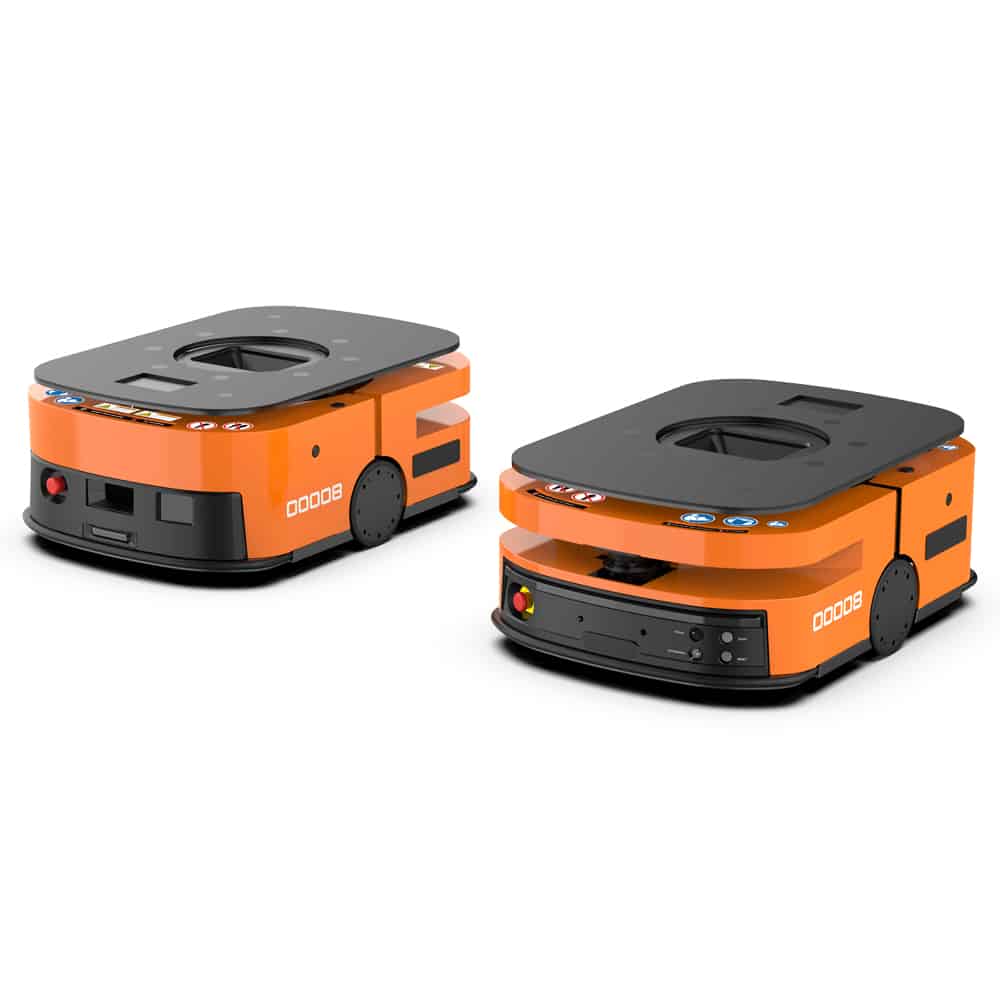
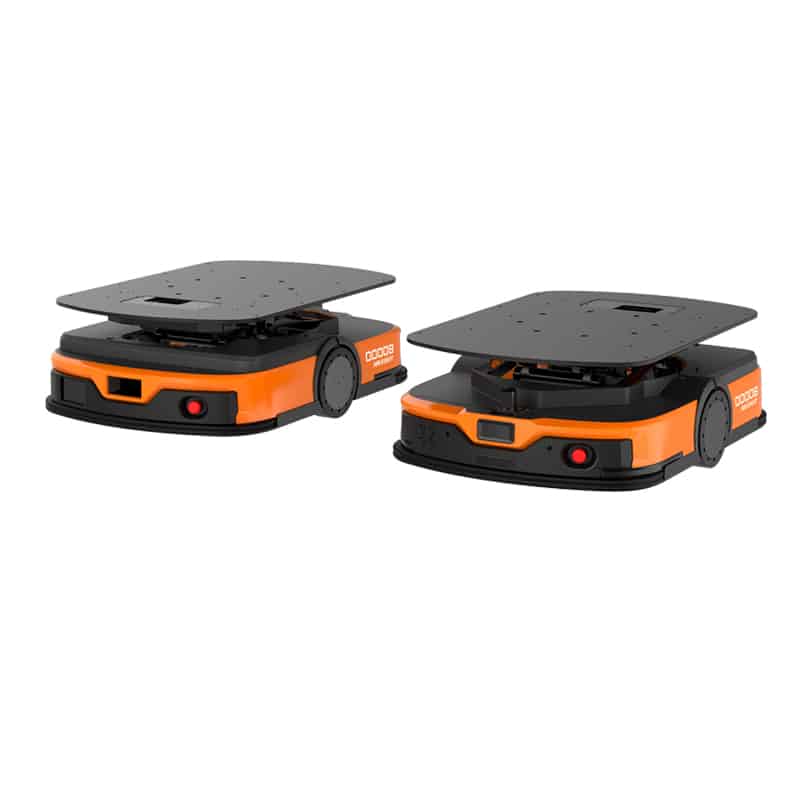
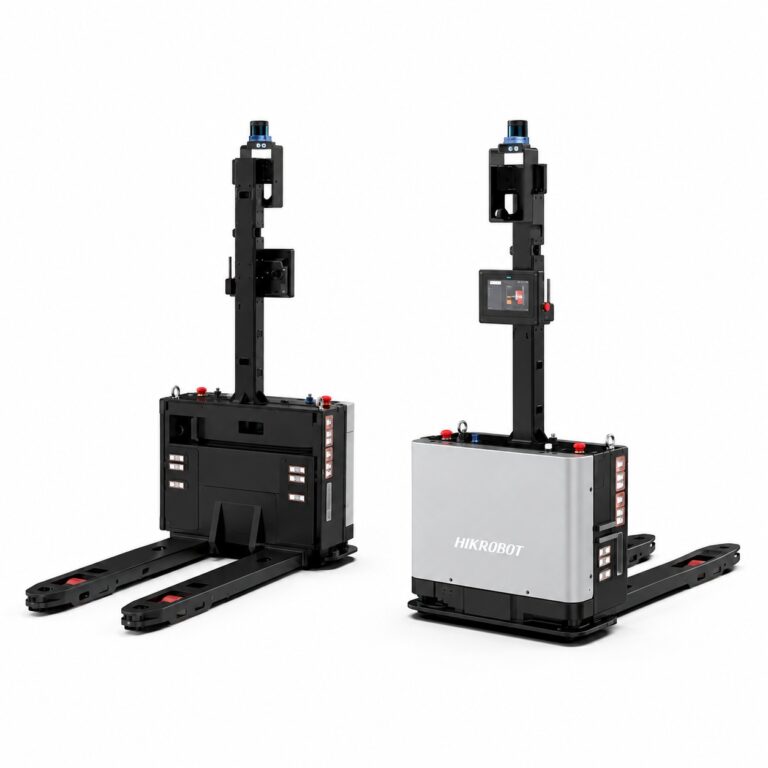
自动移动机器人(AMRS)自动导引车(AGV) form the two main types of handling robots. These machines change logistics and manufacturing tasks. Both aim to boost efficiency, safety, and automation. However, they vary in navigation smarts and flexibility.

Advantages and disadvantages of two types of material handling robots AMR and AGV

Key Features of AMR Robots

AMRs work with self-guided movement. They use strong sensors, cameras, and built-in processors. These tools help them build maps in real time. LiDAR or vision-based SLAM methods make this possible. As a result, they dodge barriers on the fly. Their setup needs no fixed paths. This lets them fit well into shifting warehouse spaces. Such ease suits sectors like 3C electronics, automotive, and e-commerce. In these areas, work setups often shift.

Key Features of AGV Robots

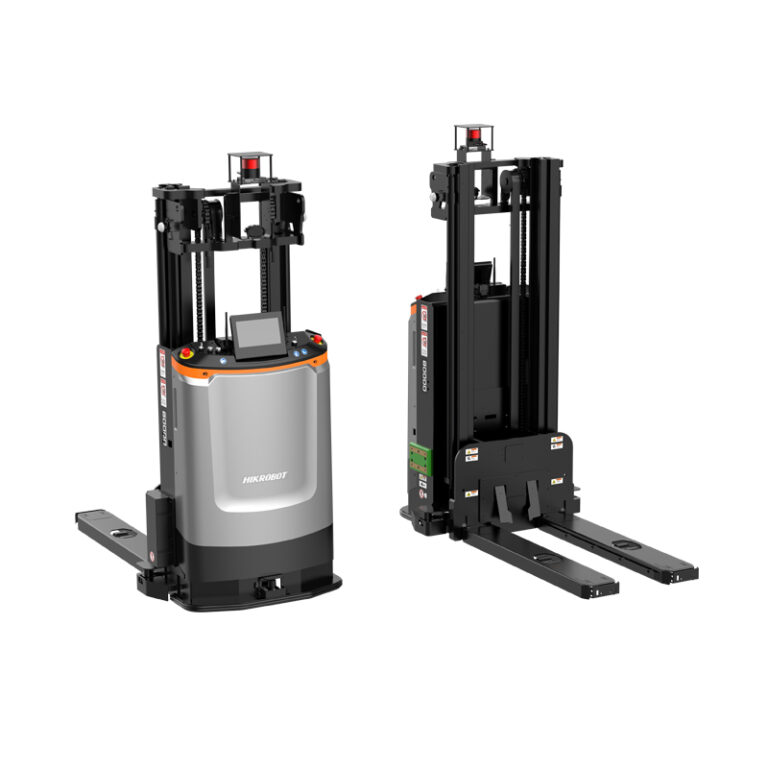
AGVs depend on set guides. Examples include magnetic tapes or QR codes. They stick to planned routes. AGVs fit well in factory logistics for fields like automotive, home appliances, electronics, and machining. They handle tasks from raw material supply to storing done products. Their exact route tracking gives steady results in ordered settings. AGVs often link with central fleet controls. These systems handle route plans and traffic flow.

How Do AMR Robots Benefit Industrial Operations?

AMR robots offer clear gains. These perks make them a top pick for factories wanting more bend and growth.

Advantages and disadvantages of two types of material handling robots

Increased Flexibility in Dynamic Environments

AMRs adjust quickly to fresh building plans. They skip the need for track changes. This helps plants that face regular output shifts or growth. Their live mapping spots short-term blocks. Think pallets or forklifts. Then, they pick new ways around them on their own.

Enhanced Efficiency Through Intelligent Navigation

AMRs come with built-in sensors and smart AI rules. These cut down wait times by picking best paths. They also manage groups of robots. This happens via wise job sharing. When tied to Warehouse Management Systems (WMS), they give full views of moves. Thus, they raise output speed.

Improved Safety and Human Collaboration

AMRs have bump-proof setups. These keep work safe near people. They meet factory safety rules. So, humans and robots team up without walls. AGVs with laser block detection and self-place features lower job harms. They boost safety too. The same ideas hold for AMRs. Their better sense tools aid this.

What Limitations Should Be Considered When Using AMR Robots?

AMRs offer great bend. Yet, they bring hurdles to note in plans.

High Initial Investment Costs

Advanced sensors, cameras, compute parts, and software raise start costs. This beats basic AGV setups. Still, their payoff grows over time. It shines as work gets more complex.

Dependence on Stable Network Connectivity

AMRs need quick talks with main systems. A solid wireless link is key. If links break, it can slow team work or jobs for a bit.

Complexity in System Integration

Fitting AMRs into current IT setups calls for custom links. These join WMS, MES, or ERP tools. Big rolls need exact match of data flows. Many robots mean this. It often takes special software work.

In What Ways Do AGV Robots Excel in Material Handling?

AGV robots stay vital in factory auto tasks. Their trust in set flows is a big plus.

Consistent Performance in Predictable Workflows

Fixed-path runs give repeat cycles with little change. This fits ongoing lines like car building or food pack spots. Such steady work is key there.

Lower Maintenance Requirements Compared to Complex Systems

Simple builds cut fix needs. They lower stop risks too. AGV setups include path plans, live job sends, and block dodges. These ensure right and quick moves. After setup, they run for years in calm spots. Little help is needed.

Seamless Integration into Established Production Lines

AGVs blend smooth into belt systems or build lines. Central controls make this easy. They suit fields that value steady over bend. Heavy factory moves or metal work fit this. Workflows there change little.

What Are the Drawbacks Associated with AGV Robots?

AGVs prove solid. But they have built-in limits. These cut their fit in changing spots.

Limited Adaptability to Environmental Changes

AGVs rely on set guides like magnetic strips or QR codes. Any plan tweak needs fresh marker installs. This causes stop times in setup shifts.

Reduced Operational Flexibility Compared to AMRs

AGVs miss self-choice skills. So, they can’t shift around surprise blocks or flow breaks alone. Their speed drops outside set paths.

Infrastructure Dependency Increases Setup Time and Cost

Putting in guide structures raises start times. It also ups costs in new or growth jobs. Growth means more install work. This ties to new space needs.

How Can Businesses Choose Between AMR and AGV Solutions?

Picking between these robot kinds hinges on work goals. Think layout steadiness, growth aims, and link needs.

Factors Influencing Technology Selection

Spots with fixed plans gain from cheap AGV picks. Changing areas pick bendy AMR types. Money matters too. AGVs cost less at first. AMRs give better gains later via ease. Check fit with current digital setups before start.

Evaluating Long-Term Operational Goals

Firms chasing steady upgrades should eye AMRs. They offer growth for the future. Lines needing even output suit AGVs better. Their steady patterns help. Many firms mix both. They use AGVs for repeat moves. AMRs handle varied jobs like pick orders or restock.

Why Is Wesar Intelligence Co., Ltd. a Reliable Handling Robot Supplier?

威萨智能股份有限公司有限公司。 acts as a full smart factory help provider. It focuses on key areas like green smart logistics robots. It also covers smart factory system plans and builds. The firm blends advice, plans, software builds, gear makes, project rolls, after-help care, and tech boosts. All this forms one service line. It backs each project step fully.

Core Strengths of Wesar Intelligence Co., Ltd.

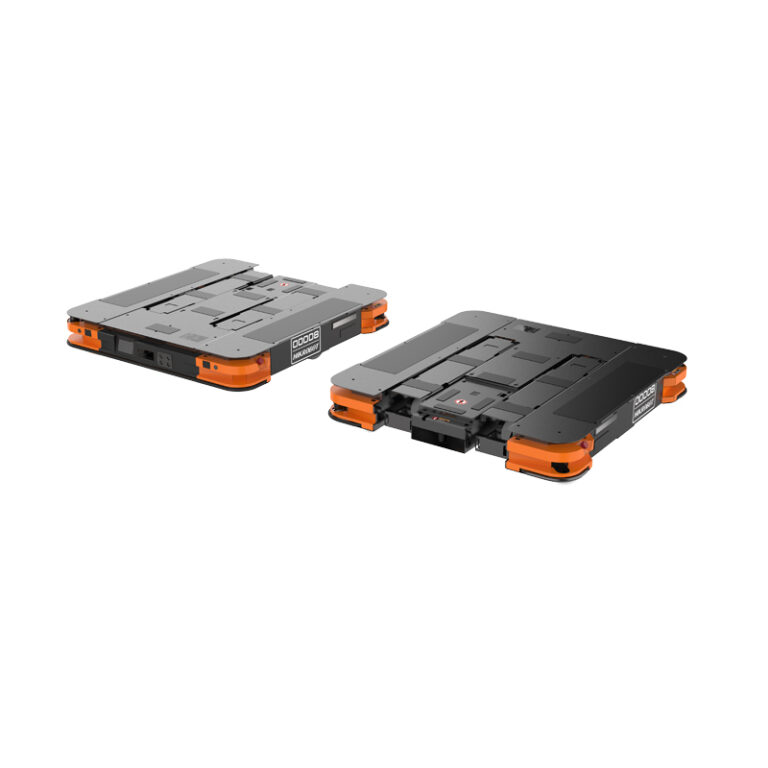
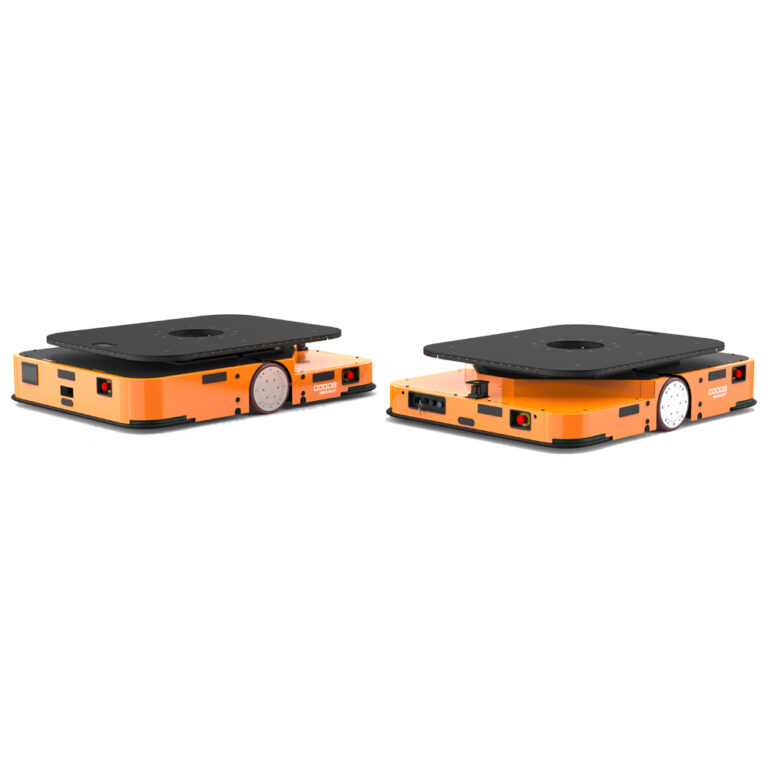
The company follows market needs. A skilled and wise team runs it. They bring years of field know-how. It offers a wide range of goods. This spans loads like Latent Mobile Robots (LMR), Forklift Mobile Robots (FMR), Carton Transfer Units (CTU), Heavy-duty Mobile Robots (HMR), Conveyor Mobile Robots (CMR). Plus, ASRS systems and WMS platforms tie in full factory auto. A pro team handles site installs and after-sales. This ensures happy users.

Wesar’s solid R&D skills push fresh ideas. This covers robot hardware plans and software ties. It enables top navigation ways like L-SLAM/V-SLAM mix mapping. These work in lines like LMRs or FMRs. We give a full, one-stop smart storage service. It spans from advice and plans to fix designs, makes, site installs, and after-help care.

Its clear success shows in rolls across make plants, move hubs, shop stores, car lines, energy spots, food share points, drug hold sites—and beyond. All meet world trust marks. CE certification backs this.

Conclusion: Balancing Flexibility and Stability in Robotic Material Handling

Deciding on AMR robots or AGV robots comes down to weighing bend against firm setup in move tasks. AMRs add live route smarts. They fit growing plans that need quick shifts and people team safety tools. AGVs give top steadiness in checked spots. There, exact repeats keep output going strong.

常见问题

What is the main difference between an AMR robot and an AGV robot?

The core split is in navigation smarts. AMRs map spots on their own with LiDAR or vision-based SLAM tools. This allows free moves. AGVs track fixed paths. Guides like magnetic strips or QR codes on the floor lead them.

Can AMR robots replace all existing AGV systems?

Not fully. AMRs give better bend via self-guide skills. Yet, many fields stick with AGVs. Route steadiness ensures firm results. This matters for steady output flows. Think car build lines or heavy make areas.

How does Wesar Intelligence support custom automation projects?

Wesar Intelligence offers fit solutions. These include system plan talks, software tie services, and after-help tech aid. All this ensures top roll results in varied uses.

分享
Facebook
LinkedIn
有关的 文章
Advantages and disadvantages of two types of material handling robots AMR and AGV
CTU Systems Smarter Picking, Faster Fulfillment
Heavy-Duty Mobile Robots for Industrial Applications
Seamless Integration Between AGVs and Production Lines Signal Communication Matters
zh_CNChinese