Manufacturing plants and distribution centers continue to grapple with tight tolerances, just-in-time schedules, and quality expectations in 2026. AGV high precision transport stands out among automation choices because it delivers repeatable positioning that goes well beyond the familiar labor savings and cycle-time improvements. While reduced staffing and round-the-clock running provide solid returns, the ability to place loads within centimeters consistently changes how material reaches assembly stations, robotic cells, and docking points.
Operations managers reviewing AGV proposals usually begin with throughput numbers and headcount reductions. Those deeper in the evaluation process soon recognize that sub-centimeter repeatability—often ±5 mm to ±10 mm—cuts defects, prevents line interruptions, and supports seamless handoffs to downstream equipment. The sections that follow explore how this level of control strengthens warehouse operations in manufacturing settings, grounded in proven navigation approaches and observed patterns from production floors.

AGV Basics: Core Benefits in Warehouse Optimization
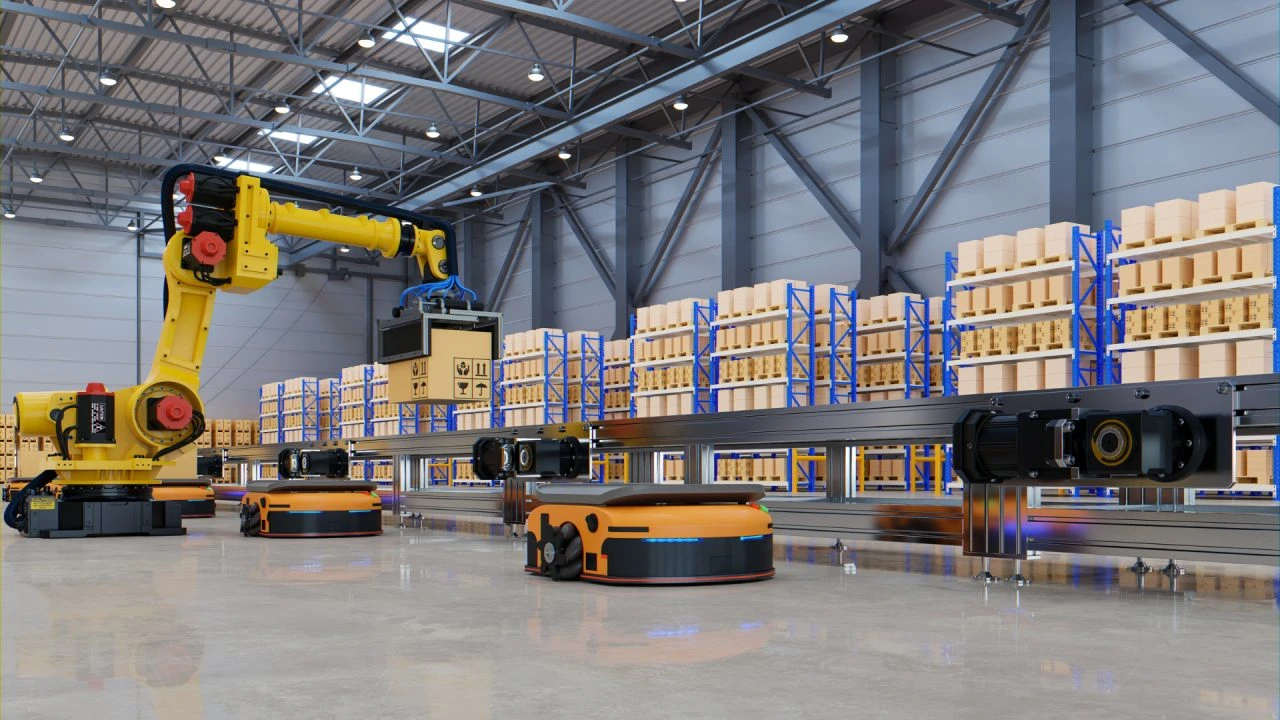
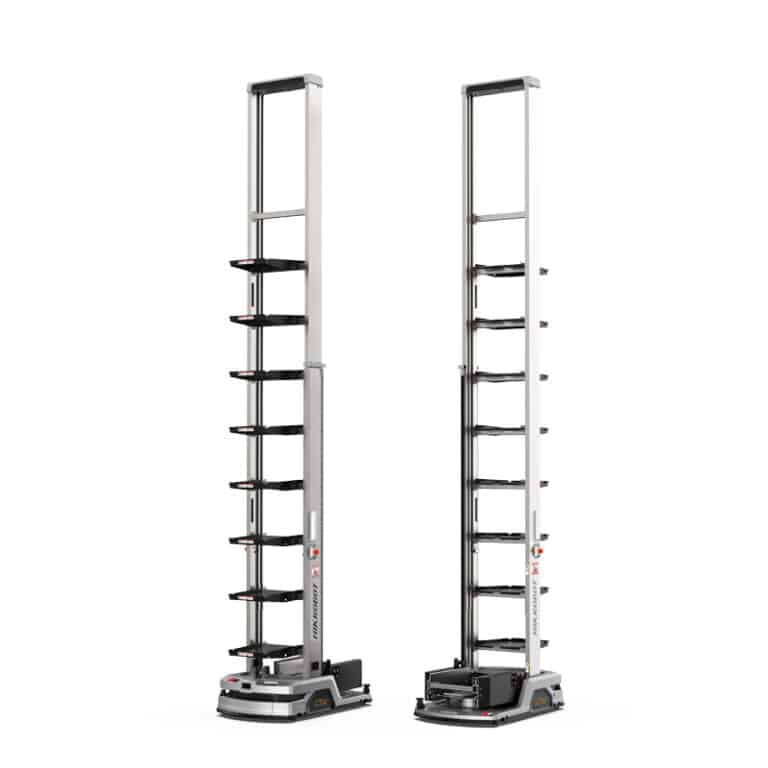
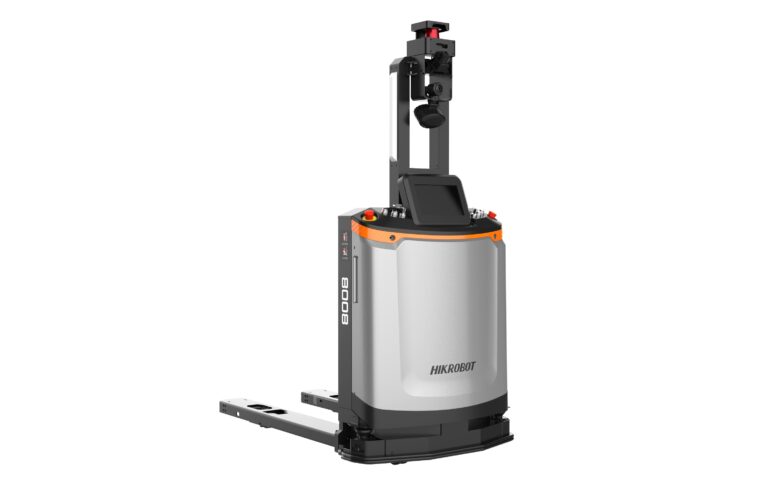
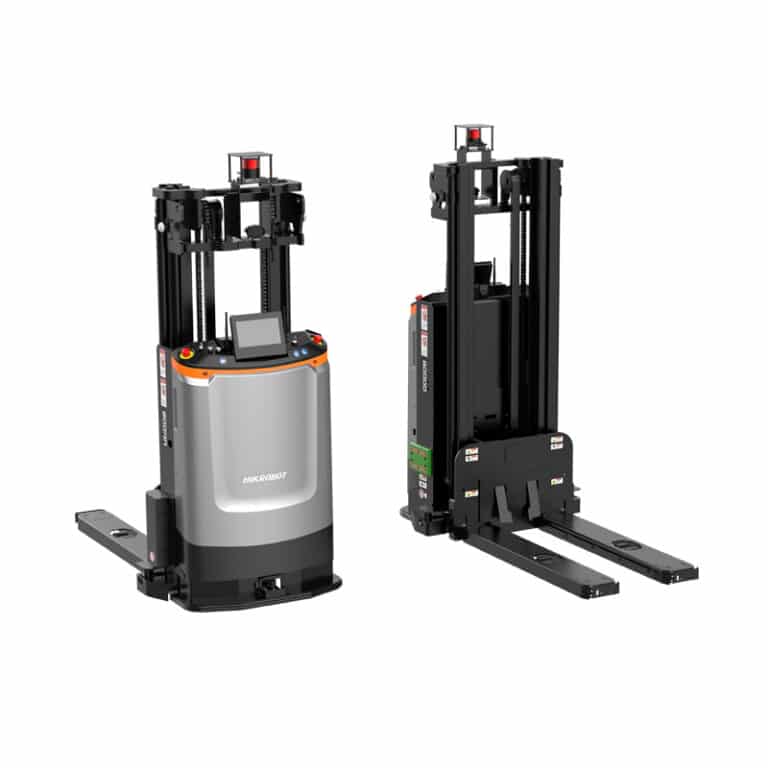
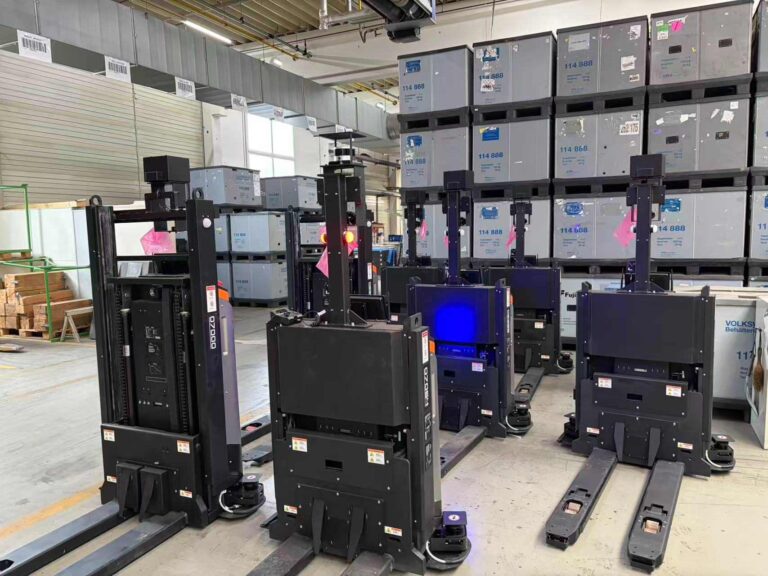
Automated guided vehicles manage routine pallet and component movement inside factories and attached warehouses. Forklift mobile robots handle lifting and transport, while latent or unit-load designs move racks and smaller loads. Guidance draws from laser SLAM for real-time mapping, visual references for landmark-based positioning, or combined methods that adapt to shifting conditions.
Standard advantages include uninterrupted shifts, careful load handling that lowers damage claims, and more predictable floor utilization. Labor expense decreases markedly in zones where AGVs take over repetitive driving tasks. Daily pallet counts rise because vehicles follow fixed speeds and paths without variation. These elements alone support many initial installations in typical warehousing environments.
Precision takes the system to another level. Manual forklift placement fluctuates—operators grow tired, sight lines change, and tiny offsets build up over hours. AGVs remove that inconsistency. Laser-guided models routinely maintain ±10 mm, while vision-enhanced versions reach ±5 mm under controlled conditions. The difference becomes critical wherever loads must meet exact fixtures, conveyor ends, or robotic grippers.
Understanding AGV High Precision Transport
High precision transport builds on tightly integrated sensors and control loops. Laser SLAM continuously scans the surroundings, aligns features against a reference map, and fine-tunes location. Vision modules add pattern matching for final approach adjustments. Feedback mechanisms correct fork height and chassis position in real time, countering minor floor variations or load imbalances.
Manufacturing applications place heavy demands on this capability. A component pallet arriving at a workstation needs to stop in exactly the right spot for automated pickup—any offset risks jams, part damage, or cycle delays. Docking interfaces require forks to slide into slots without scraping. High-precision AGVs accomplish this through sub-centimeter control that stays reliable shift after shift.
Manual alternatives show clear limitations. Human operators typically achieve ±50 mm to ±100 mm placement under good conditions, with performance dropping as fatigue sets in. AGV systems reduce positioning errors to near zero in logged installations. Navigation holds steady in dusty atmospheres or uneven lighting that often characterize factory settings. That stability prevents downstream problems—misaligned parts cause assembly rework, quality holds, or forced line stops.
Key Advantages of AGV High Precision in Manufacturing
Production lines require materials to arrive on schedule and in the correct orientation. Just-in-time delivery depends on exact timing and placement. High precision transport positions pallets or racks so robotic arms or operators engage without realignment. In automotive component lines, engine blocks or stamped panels must sit flush for fastening—small deviations trigger rework or scrap.
Damage from handling drops noticeably. Accurate fork entry and set-down avoid edge contact or tipping. Patterns from manufacturing deployments indicate handling-related defects fall 30–50 percent after AGV implementation on sensitive lines. Electronics facilities see similar gains: circuit boards and displays experience less vibration-induced issues during transfer.
Output consistency rises across shifts. Reliable material arrival cuts waiting time for delayed loads. One electronics assembly operation documented just-in-time performance exceeding 99 percent following laser-guided AGV rollout for feeder stations. Downtime from shortages or misplacement decreased sharply, boosting overall line effectiveness.
Tight or changing layouts become practical. Narrow corridors and dynamic zones demand obstacle avoidance while preserving docking precision. SLAM navigation recalculates routes instantly, yet final placement accuracy remains high. This adaptability fits frequent changeovers in mixed-model production.
Higher-level system integration adds further benefit. AGVs communicate with MES or WMS platforms for task assignment and status reporting. Detailed movement records highlight flow constraints—recurring small delays at one point often signal a need for minor layout adjustments. Maintenance predictions emerge from usage data, identifying wear before breakdowns occur.
Heavy-duty scenarios in metal fabrication or tier-one automotive supply benefit from maintained precision under substantial loads. Units rated for 1–3 tons keep alignment stable despite shifts in center of gravity, reducing rack strikes or unstable stacking risks.

Comparison: Precision Impact on Operations and ROI
Precision affects results in several measurable ways. Manual transport carries inherent variability in location and timing. AGVs provide steady, documented performance.
Positioning tolerance separates the approaches most clearly. Operators manage roughly ±50–100 mm in practice, worsening with extended hours. High-precision AGVs hold ±5–10 mm across thousands of cycles. The narrower band reduces alignment time, rework frequency, and associated scrap costs.
Error frequency shifts dramatically. Manual handling contributes 5–10 percent mishandling in repetitive high-volume tasks. AGV deployments lower that figure below 0.1 percent, easing quality containment and customer returns.
Waiting periods for material shorten. Precise arrival eliminates pauses for corrections. Throughput improvements of 15–25 percent appear in lines constrained by supply consistency.
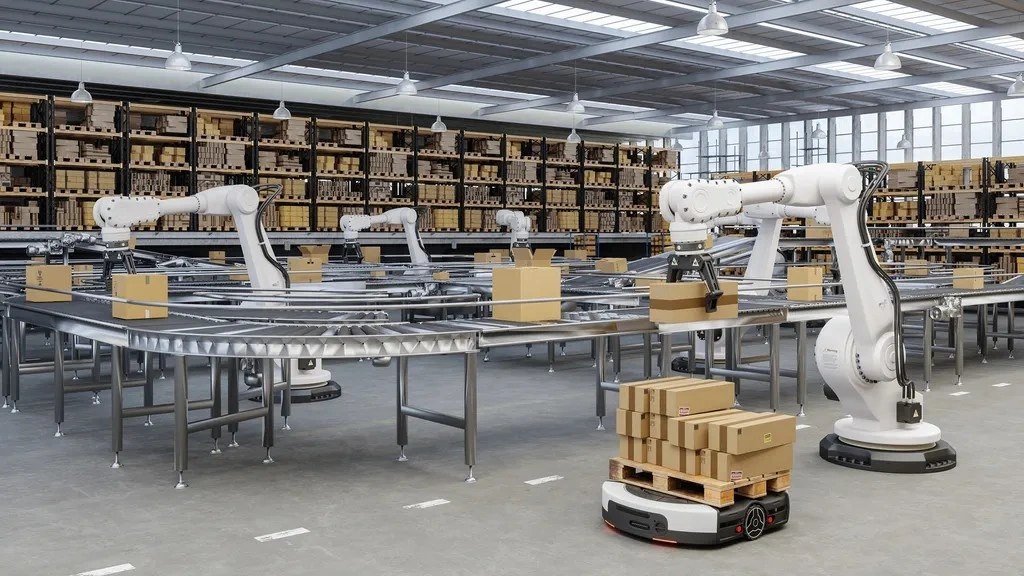
Integration with robotic and automated cells becomes straightforward. Consistent positioning enables reliable handoffs—essential for Industry 4.0 configurations.
Financial recovery quickens when precision drives outcomes. Conventional AGV projects often return investment in 2–4 years via labor displacement. Applications centered on accuracy in manufacturing frequently shorten payback to 1.5–3 years through lower defect costs, reduced downtime, and smaller safety stocks.
How to Implement AGV High Precision Solutions
Deployment begins with a thorough review of current material paths. Document docking locations that require tight tolerances, assess layout density, and quantify current variability. Precision needs differ—conveyor interfaces demand greater control than open-area drops.
Navigation selection follows. Laser SLAM performs reliably in fixed, structured spaces. Vision-based systems handle variable lighting or moving elements. Hybrid configurations offer redundancy where conditions fluctuate.
System ties come next. Link AGVs to the existing WMS or MES for seamless task flow and data exchange. Fleet coordination software assigns priorities and optimizes routes during peak demand.
Controlled trials verify expectations. Introduce one or two units on a high-impact route. Monitor key indicators: pre- and post-implementation defect rates, on-time delivery percentages, docking success.
Expansion proceeds once results confirm value. Scale coverage gradually while maintaining focus on staff familiarization with monitoring and basic diagnostics—responsibility moves from operation to oversight.
Total cost planning includes vehicles, software licensing, installation support, and ongoing service. Weigh those against projected reductions in quality losses and production interruptions.
Wesar Intelligence Co., Ltd.: Provider of Precision-Focused AGV Solutions
威萨智能股份有限公司有限公司。 supplies integrated intelligent factory and logistics solutions from its base in Suzhou High-Tech District. The company operates a 5,000-square-meter facility with a team of more than 100 engineers, technicians, and support staff drawing on extensive industry background.
Offerings concentrate on green intelligent logistics robots, including forklift mobile robots (FMR series) for transport and stacking duties, together with WMS software, ASRS storage systems, conveyors, and custom material handling equipment. FMR models utilize laser SLAM and vision navigation to achieve high-precision performance, accommodating loads up to 1500 kg and lift heights from 1.6 to 4 meters while supporting standard Euro and American pallets.
Close to two decades of implementation experience in electronics, machinery, automotive, and new energy sectors positions Wesar to deliver systems that improve inventory accuracy, material flow reliability, space utilization, and cost discipline while minimizing operational variances.
结论
AGV high precision transport shifts warehouse operations from routine automation to a foundational element of manufacturing quality and flow control. Beyond straightforward labor and efficiency improvements, centimeter-level repeatability reduces handling defects, enables dependable just-in-time supply, and facilitates robust integration with advanced production equipment. Facilities that align precision capabilities with line-specific demands realize lasting gains in output consistency, reduced interruptions, and overall cost structure.
Careful evaluation of docking requirements, navigation fit, and phased rollout maximizes the return from these systems. Manufacturing operations prepared to refine material handling discover substantial advantages in solutions designed around reliable, high-accuracy transport.
常见问题
What does AGV high precision transport actually mean for production lines?
AGV high precision transport describes automated guided vehicles that position pallets or materials within ±5 to ±10 mm using laser SLAM or vision guidance. For production lines, this means exact alignment for robotic engagement, conveyor docking, or fixture placement, cutting rework and keeping flow steady.
How much can AGV precision lower defect rates in manufacturing?
AGV precision lowers defect rates by removing human placement variation that causes scraping, tipping, or misalignment. Manufacturing sites frequently report handling-related defects dropping 30–50 percent after switching to high-precision AGVs for sensitive component delivery.
Which manufacturing sectors gain the most from AGV high precision transport?
Automotive component assembly, electronics production, and precision consumer goods manufacturing gain the most from AGV high precision transport. These sectors depend on accurate material delivery to workstations or robotic cells, where even minor offsets create quality problems or line halts.
How does AGV positioning accuracy compare with manual forklift handling?
AGV positioning accuracy typically stays within ±5 to ±10 mm across repeated cycles, compared with manual forklift handling that varies ±50–100 mm or more due to operator fatigue and sight limitations. The tighter control minimizes corrections and supports consistent automated handoffs.
What key factors should procurement teams review when selecting AGV high precision solutions?
Procurement teams should assess required docking tolerances, suitable navigation (laser SLAM for stable environments, vision for variable ones), compatibility with existing WMS or MES, and pilot data on defect reduction and delivery timeliness. Balancing total cost against quality improvements and downtime savings guides the choice.