
Industrial automation projects rarely follow a standard template. Manufacturing processes, material dimensions, warehouse layouts, production cycles, safety requirements, and software environments differ significantly from one facility to another. Wesar Intelligence Co., Ltd. addresses these differences by providing customized AGV and AMR solutions for material transportation, pallet handling, warehouse storage, production-line delivery, order picking, and finished-goods movement. By combining mobile robots with intelligent warehouse equipment and software platforms, Wesar helps customers build practical automation systems that support measurable operational improvements.
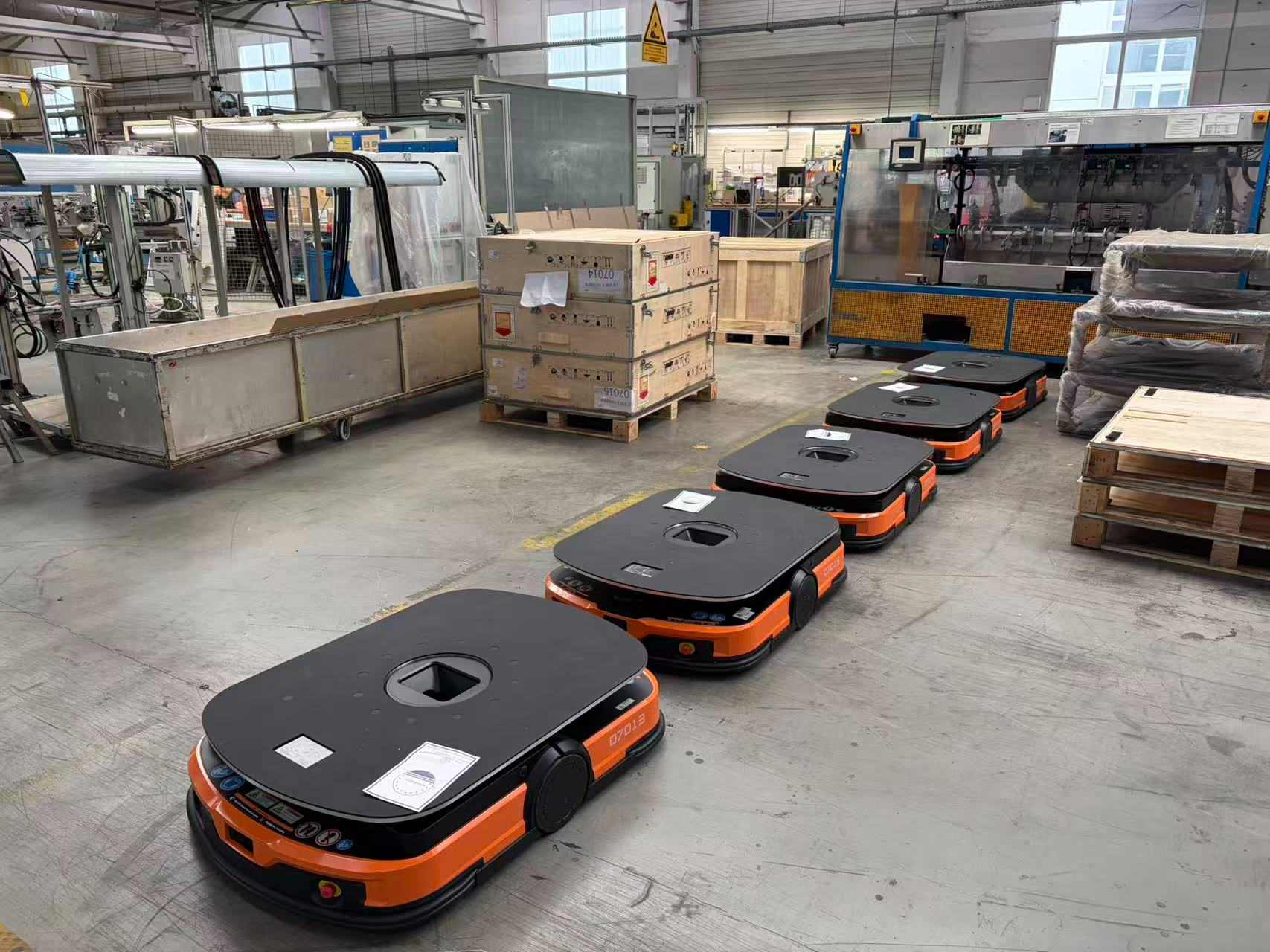
Why Do Industrial Facilities Need Customized AGV/AMR Solutions?
AGV and AMR selection must be based on the actual material flow rather than a single product specification. Load weight, pallet type, aisle width, lifting height, transfer frequency, workstation arrangement, and required throughput all influence system design.
How Does Wesar Select the Right Mobile Robot?
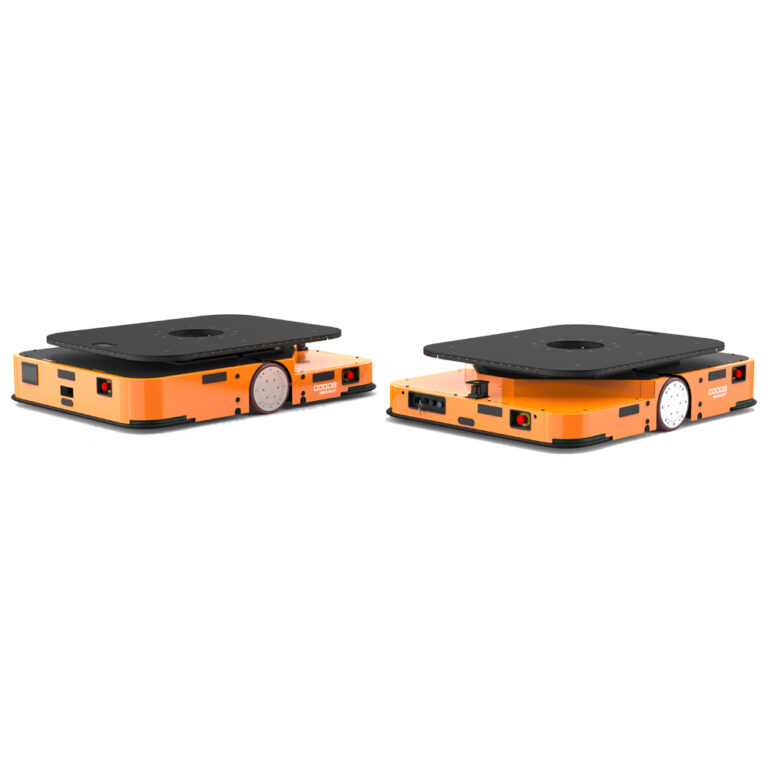
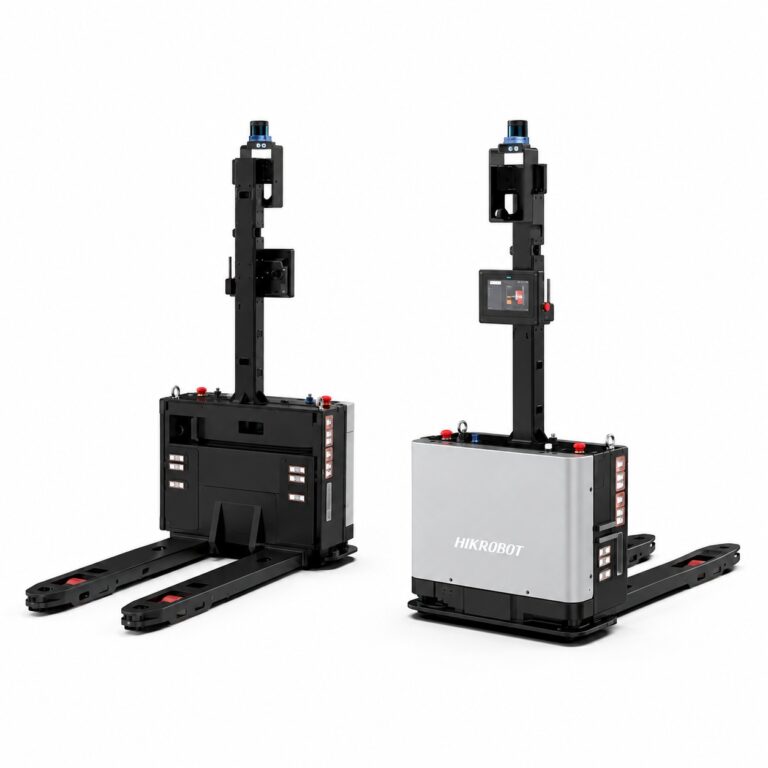
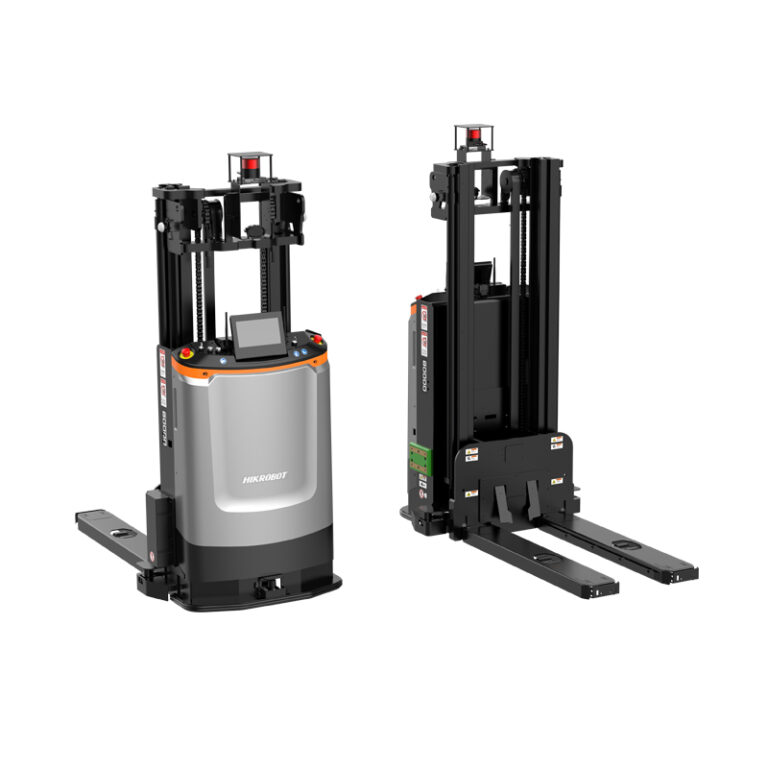
Wesar offers latent mobile robots, fork-type latent robots, autonomous forklift robots, heavy-load forklift robots, and carton transfer units. Its latent mobile robot series provides load capacities from 600 kg to 2,000 kg, while its heavy-load forklift mobile robots can handle loads of up to three tons. This product range allows Wesar to support light-bin transportation, pallet movement, stacking, counterbalance handling, and other industrial applications.
How Are Robots Integrated with Factory Systems?
A successful mobile robot project requires more than vehicles. Wesar can combine AGVs and AMRs with automated warehouses, shuttle racks, stacker cranes, conveyors, charging stations, robotic arms, and material supply systems. Its software portfolio includes WMS, WCS, RCS, and AVGS platforms, enabling task assignment, robot dispatching, equipment control, and communication with higher-level ERP or MES systems.
How Has Wesar Served Different Industries in China?
Wesar’s project portfolio demonstrates how robot type, system scale, and delivery plan can be adapted to specific production environments. Its Chinese projects cover home appliances, papermaking, automotive manufacturing, and raw-material warehousing.
How Did Wesar Automate Logistics for a Home Appliance Manufacturer?
For a home appliance manufacturing project, Wesar delivered an integrated system combining an automated warehouse, AGVs, shuttle racking, and latent mobile robots. The solution included 120 LMRs and achieved a throughput of 100 pallets per hour.
According to the company profile, the project reduced labor costs by 40%. The shuttle-based warehouse was delivered in 30 days, while the AGV logistics and material-handling system was completed in 120 days. This case shows Wesar’s ability to coordinate a large robot fleet with warehouse infrastructure and production requirements.
How Did Wesar Handle Heavy Paper Rolls in Nantong?
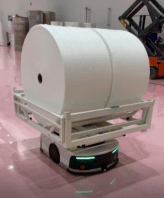
The papermaking project in Nantong required automation equipment capable of handling large and heavy materials. Wesar combined an automated warehouse with AGVs, shuttle racks, forklift mobile robots, and latent mobile robots.
The completed system included 60 shuttle cars, 30 rack sets, 840 storage locations, and 52 LMRs. It reached a handling capacity of 100 pallets per hour. The shuttle warehouse was delivered in 30 days, followed by the AGV logistics system in 60 days.
How Was the Automotive Warehouse Connected with Mobile Robots?
For an automotive-industry project, Wesar designed an automated warehouse containing one stacker crane, two rack sets, 468 storage locations, and four forklift mobile robots. The system achieved a throughput of 46 pallets per hour.
The project required 70 days for engineering design, 100 days for warehouse construction and delivery, and 30 days for AGV logistics system delivery. This structured schedule illustrates how Wesar separates design, warehouse implementation, and robot deployment into manageable project stages.
What Do Wesar’s International AGV/AMR Projects Demonstrate?
Projects in Bulgaria and Germany show that Wesar can adapt its equipment to different warehouse conditions, labor structures, material formats, and operational targets outside China.
What Results Were Achieved in Bulgaria?
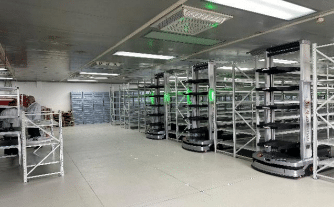
For an automated material-handling project in Bulgaria, Wesar deployed three carton transfer units with two rack sets and 3,000 storage locations. The system reached a capacity of 100 boxes per hour.
After implementation, manual picking time decreased from three hours to two hours, while the required material-sorting staff was reduced from three employees to two. The AGV logistics system was delivered in 60 days. This project highlights the value of carton-handling robots in high-density storage and order-picking operations.
How Did Wesar Improve Material Flow in Germany?
The German project focused on automated handling of both raw materials and finished goods. Wesar supplied five latent mobile robots and ten forklift mobile robots.
The system handled eight pallets of raw materials per hour and 50 pallets of finished goods per hour. Manual forklift operation was reduced from three operators to zero, while handling time fell from 25 minutes to 15 minutes. The complete AGV logistics system was delivered in approximately 70 days.
Why Is Wesar Intelligence Co., Ltd. a Reliable AGV/AMR Supplier?
Wesar positions itself as a one-stop intelligent factory solutions provider rather than only a mobile robot manufacturer. This allows customers to work with one partner across planning, equipment supply, system integration, installation, and service.
What Capabilities Support Project Delivery?
Wesar provides consulting and planning, software development, equipment manufacturing, project implementation, technology integration, and after-sales support. Its business scope covers planning, design, manufacturing, installation, and service.
The company profile reports more than 110 employees, including six software developers and 16 electrical and mechanical engineers, together with a 7,000-square-meter factory in Nantong. This combination of software, engineering, production, and field-service resources supports customized project execution.
What Business Value Can Customized Mobile Robots Create?
A properly designed AGV or AMR system can reduce repetitive manual transportation, shorten handling cycles, improve flow consistency, and make labor allocation more efficient. It can also provide traceable task data through WMS, WCS, and RCS platforms.
Can the System Expand with Future Production Needs?
Wesar’s modular product portfolio allows customers to begin with a targeted process and later expand into a wider automation system. Additional robots, storage locations, conveyors, charging stations, or software interfaces can be introduced as production volume changes. This approach helps manufacturers avoid rigid automation structures and supports phased investment.
Conclusion
Wesar Intelligence provides customized mobile robot solutions supported by warehouse engineering, automation equipment, control software, and project implementation services. Its cases in China, Bulgaria, and Germany demonstrate experience across home appliances, papermaking, automotive production, raw-material handling, finished-goods transportation, and carton picking. By selecting suitable robot types and integrating them with the customer’s existing workflow, Wesar helps industrial facilities create efficient, scalable, and application-focused logistics systems.
FAQs
Can Wesar Customize AGVs or AMRs for Non-Standard Materials?
Yes. Wesar can configure robot platforms, forks, lifting mechanisms, load carriers, navigation methods, and system interfaces according to material size, weight, pallet format, workstation height, and process requirements.
Can Wesar Integrate Mobile Robots with Existing Warehouse Software?
Yes. Wesar’s software architecture includes WMS, WCS, RCS, and AVGS solutions and can exchange tasks and operational information with higher-level ERP, MES, or warehouse systems.
Does Wesar Provide Installation and After-Sales Support?
Yes. Wesar provides services covering planning, engineering design, manufacturing, installation, system commissioning, project delivery, and after-sales support, enabling customers to obtain assistance throughout the project lifecycle.






 English
  Russian
  Chinese
  Japanese
  Italian
  Korean
  Spanish
  Arabic
  French
  German