
Он Устройство для перемещения картонных коробок (УПК) Это продуманное сочетание механических, электронных и программных средств. Вместе они обеспечивают плавную автоматическую навигацию и точное позиционирование в складской логистике. Эти системы предназначены для перемещения коробок между стеллажами, конвейерами и станциями комплектации с минимальным участием человека.
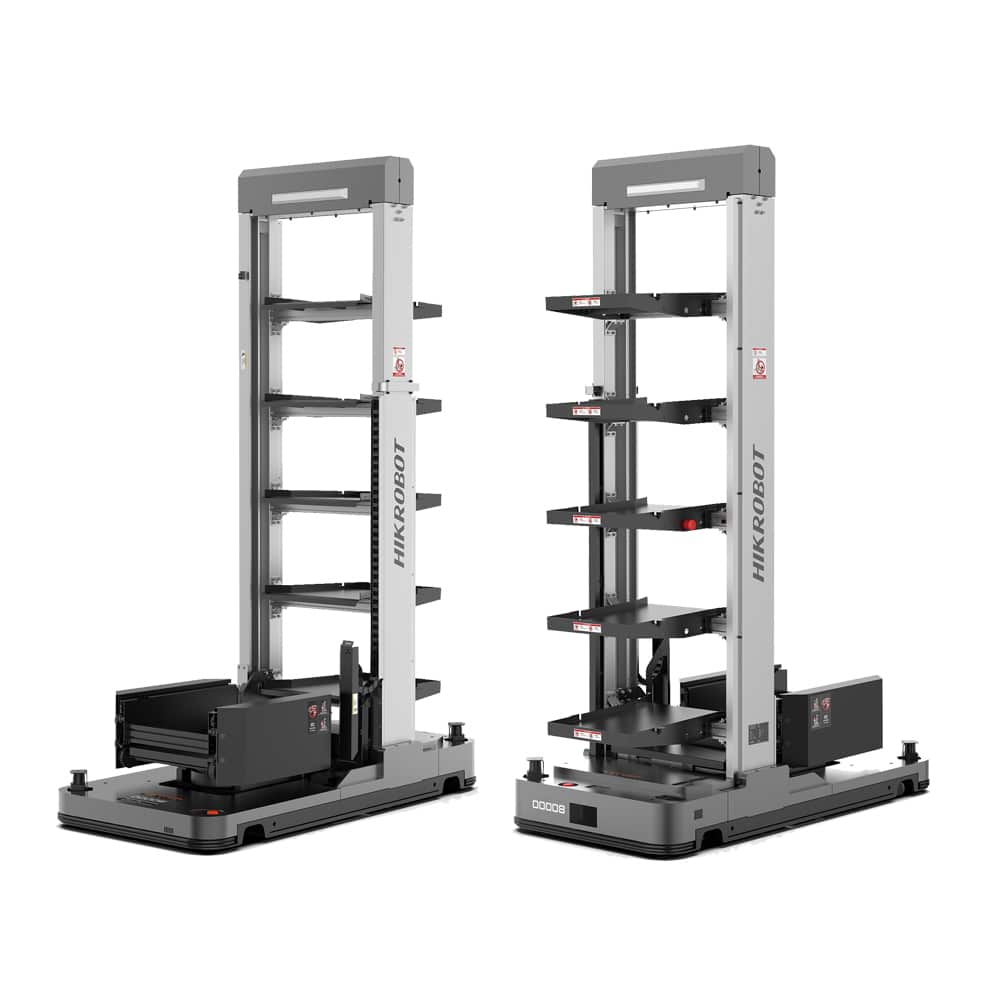
Интеграция механических и систем управления
Конструкция погрузчика CTU ориентирована на прочность и гибкость при работе с различными типами грузов. Его рама выдерживает задачи по комплектации заказов высокой плотности. При этом он сохраняет равновесие во время активного движения. Системы управления синхронизируют действия двигателей, подъемных механизмов и навигационных инструментов. Они обеспечивают согласование этапов движения для легкой транспортировки. Гибкая конструкция этих систем открывает возможности для дальнейшего развития и упрощает техническое обслуживание. Такая конфигурация обеспечивает стабильную эффективность работы в течение длительного времени.
Функции CTU обеспечивают эффективную передачу коробок, оптимизацию использования пространства и повышение точности комплектации заказов. Такое сочетание механических и управляющих элементов создает основу для быстрой работы в логистике.
Роль датчиков и исполнительных механизмов в координации системы.
Датчики и исполнительные механизмы играют ключевую роль. Они помогают системе управления контейнерами работать с высокой точностью. Прозрачные лидарные сканеры, энкодеры и инерциальные измерительные блоки мгновенно определяют положение, направление и движение. Исполнительные механизмы преобразуют цифровые сигналы в точные физические действия, такие как подъем или боковые перемещения. Объединение данных с датчиков позволяет смешивать информацию из различных источников. В результате система повышает точность определения местоположения и обнаружения препятствий, даже в условиях плохого освещения или неровной поверхности. Такое тесное взаимодействие обеспечивает надежную обработку контейнеров в сложных складских помещениях.
Каким образом автоматическая навигация обеспечивает эффективную обработку материалов?
Автоматическая навигация Это превращает CTU в самодвижущуюся платформу. Она может работать автономно в меняющихся условиях, например, на складах электронной коммерции или фармацевтических складах. Это сокращает ручной труд. Кроме того, это повышает безопасность и обеспечивает стабильную работу.
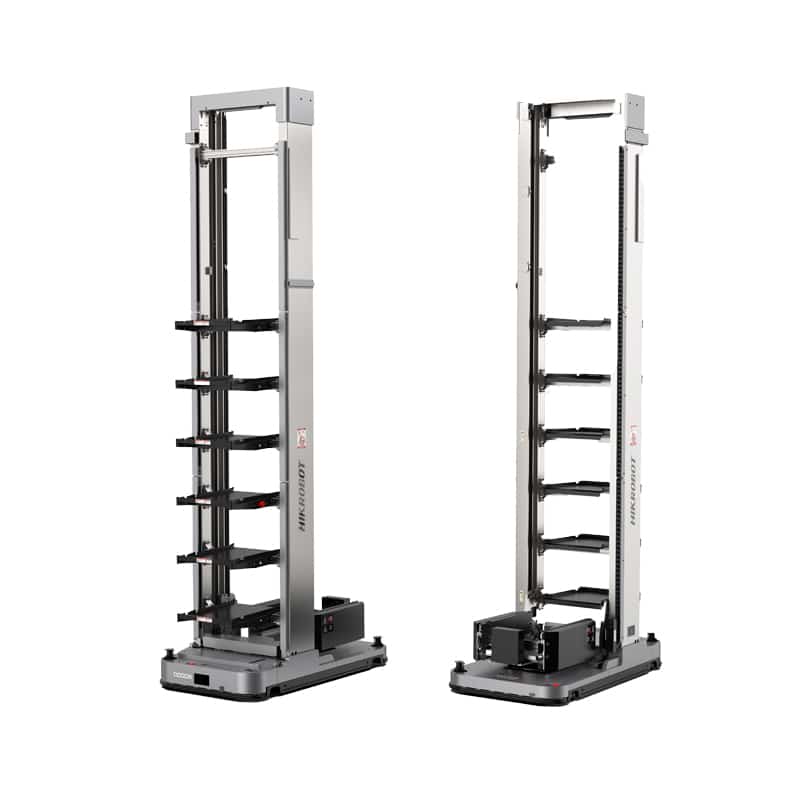
Навигационные алгоритмы для динамических сред
Инструменты планирования маршрутов непрерывно определяют оптимальные пути. Они используют актуальную информацию из окружающей среды. Эти инструменты проверяют уровень трафика, расположение препятствий и приоритеты задач. Затем они выбирают наиболее эффективные маршруты. Меры по предотвращению столкновений с препятствиями основаны на лазерном картографировании. Они предотвращают столкновения с рабочими или другими роботами в местах общего пользования. Гибкие функции картографирования позволяют CTU обновлять карты по мере изменения расположения оборудования на складе. Таким образом, он продолжает работать без остановок даже при изменении планировки.
Применение технологии SLAM (одновременная локализация и картографирование).
Технология SLAM Это позволяет CTU создавать космические карты, одновременно определяя свое местоположение на них. Лазерные сканеры и средства машинного зрения предоставляют актуальную информацию о пространстве. Это обеспечивает точное отслеживание местоположения без необходимости использования внешних указателей. Связь с искусственным интеллектом улучшает выбор маршрута с течением времени. Система обучается на основе прошлых навигационных данных.
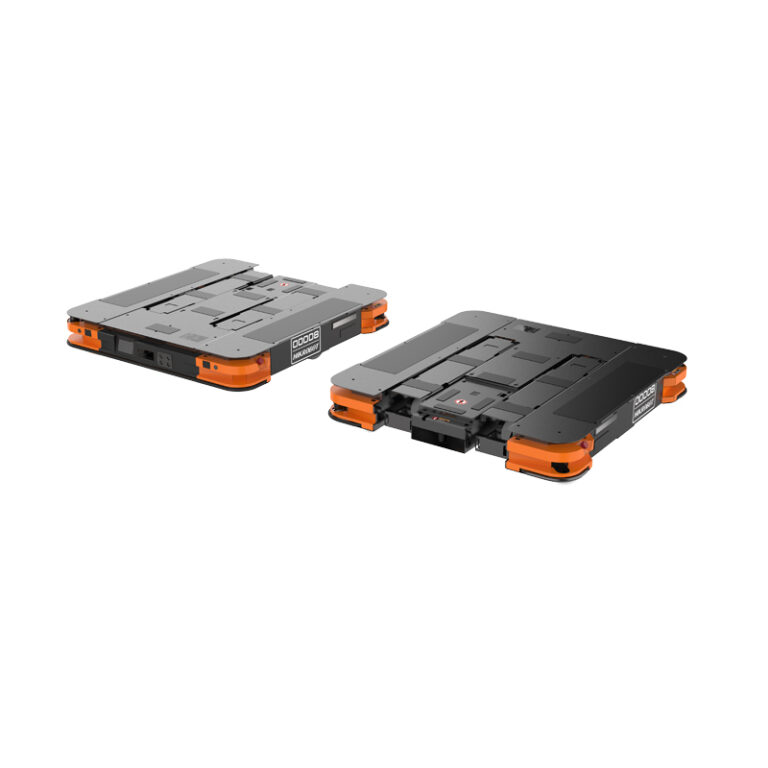
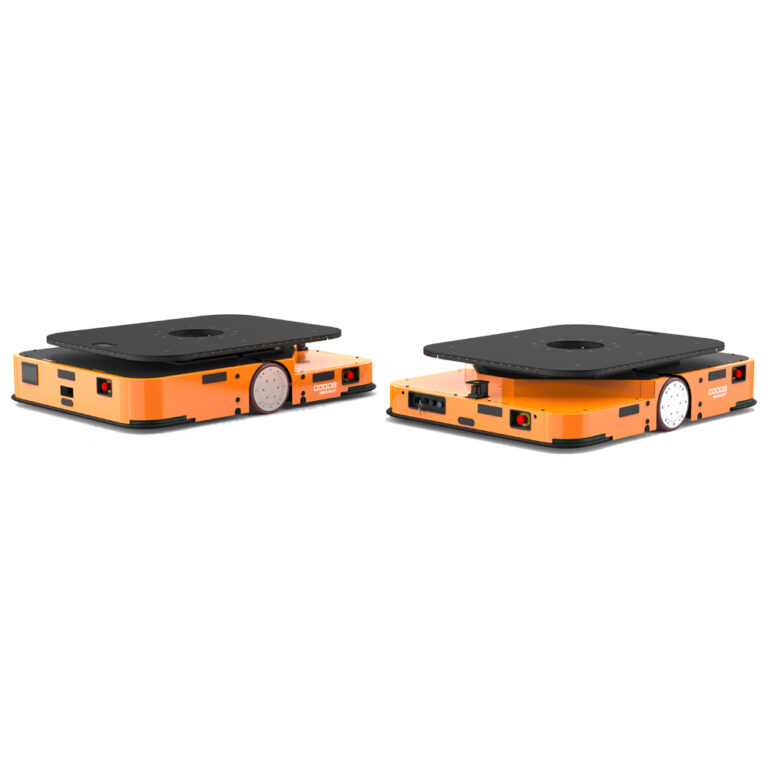
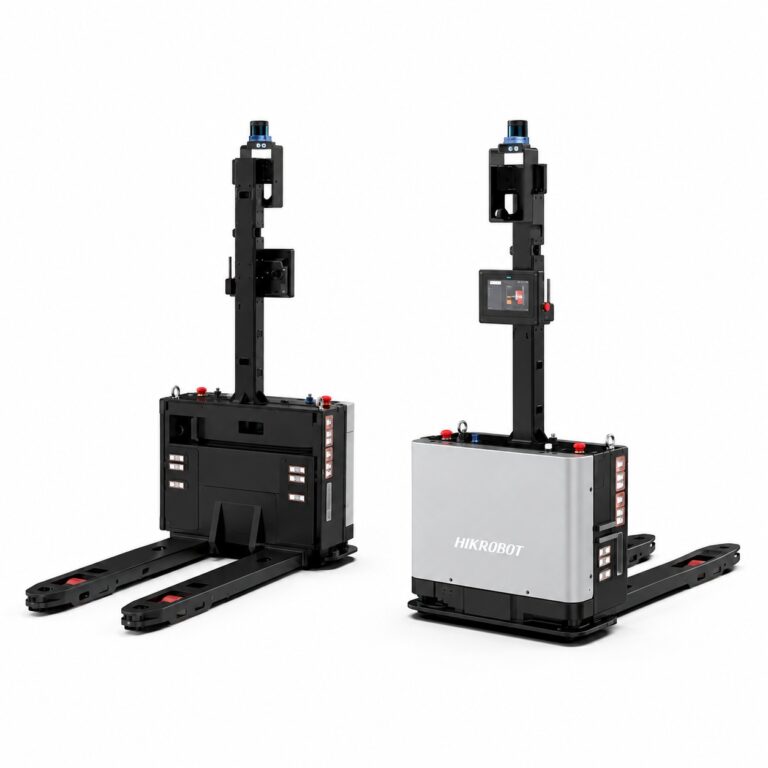
Скрытая мобильная роботизированная система автономной навигации, 2D-навигация, превосходная грузоподъемность, сертифицирована по стандарту CE / L-SLAM / V-SLAM до 1500 кг. Это демонстрирует, как навигация на основе SLAM обеспечивает адаптивность и устойчивость в различных рабочих условиях.
Как достигается точное позиционирование в устройствах для перемещения картонных коробок?
Точное позиционирование гарантирует, что коробки окажутся в нужных местах во время погрузки или разгрузки. Это очень важно для стабильной работы автоматизированных систем.
Многосенсорное объединение данных для высокой точности
Сочетание датчиков LiDAR с камерами, инерциальными измерительными блоками (IMU) и ультразвуковыми детекторами значительно повышает детализацию космического пространства. Эти датчики синхронизируют свои данные, что снижает вероятность ошибок, вызванных сотрясениями или смещениями во время движения. Дополнительные методы измерения обеспечивают устойчивость к изменениям окружающей среды, таким как яркий свет или неровные поверхности пола. Эта идея идеально подходит для центров управления полетом (CTU). Там комбинированные датчики гарантируют точное отслеживание траектории и результаты стыковки.
Методы калибровки и компенсации ошибок
Стабильная калибровка сопоставляет показания датчиков с реальными точками склада на карте. Интеллектуальные инструменты исправления ошибок корректируют смещения, обнаруженные при повторных запусках. В качестве ориентира они используют сохраненные стандартные маршруты. Системы машинного обучения идут еще дальше. Они прогнозируют будущие смещения позиций на основе собранных данных о работе. В свою очередь, это позволяет самосовершенствоваться с течением времени.
Какова роль программного обеспечения в координации системы?
Программное обеспечение выступает в роли мыслительной части системы CTU. Оно объединяет потоки данных с аппаратного обеспечения в структуры, позволяющие принимать обоснованные решения.
Алгоритмы управления движением и обработка в реальном времени
Программное обеспечение для управления в режиме реального времени обрабатывает нарастание скорости, размеры поворотов и схемы замедления. Оно обеспечивает плавные изменения движения между заданиями. Циклы обратной связи поддерживают стабильное управление скоростью. Это работает даже при изменении веса груза. Инструменты управления с опережающим планированием сокращают энергопотребление. Они планируют маршруты заранее. В результате это повышает как производительность труда, так и срок службы деталей.
Рамки управления данными и коммуникации
Облачные системы хранят статистику работы, такую как длина поездки, продолжительность цикла и записи об ошибках. Они используют эти данные для проверки производительности. Беспроводные каналы связи объединяют несколько CTU в системах управления группами. Защищенные правила предотвращают сбои в сети или повреждение данных.
Комплексные программные решения: система управления складом (WMS), платформа анализа данных, удаленный мониторинг. Эти системы позволяют осуществлять основной контроль за распределенными роботизированными компонентами на крупных производственных площадках.
Каким образом компания Wesar Intelligence Co., Ltd. поддерживает промышленную автоматизацию с помощью своих решений?
Wesar Intelligence Co., Ltd. Компания выступает в качестве квалифицированного поставщика интеллектуального логистического оборудования. Она предлагает передовые устройства для перемещения картонных коробок, ориентированные на автономную навигацию и высокоточное позиционирование. Они отвечают требованиям промышленной автоматизации в производственной сфере.
Технологические преимущества устройств для перемещения картонных коробок компании Wesar Intelligence
Компания Wesar Intelligence является лидером в разработке комплексных решений для «умных» фабрик. Она специализируется на системах взаимосвязанного хранения. Собственная навигационная технология компании использует картографирование на основе SLAM, что подходит для складов сложной формы. Также она сочетает в себе многосенсорные системы для обеспечения высокой точности при работе с картонными коробками.
Функции CTU обеспечивают эффективную передачу коробок, оптимизацию использования пространства и повышение точности комплектации заказов. Кроме того, гибкое программное обеспечение поддерживает различные сценарии производства, от распределительных центров магазинов до складов автозапчастей. Это обеспечивает легкое развитие в различных областях.
Приверженность качеству и инновациям в автоматизации логистики.
Компания Wesar придерживается мировых стандартов, имея сертификат CE и сертификат качества ISO9001. Она постоянно инвестирует в исследования и разработки. Эти усилия способствуют появлению новых идей в продукции.
Исключительная послепродажная поддержка. Гарантия: 1 год бесплатной гарантии для вашего спокойствия. Реагирование на любые проблемы в течение 24 часов. Поддержка на месте: прибытие на место в течение 48 часов после одобрения визы. Этот полный спектр услуг гарантирует долгосрочное доверие клиентов, использующих автоматизированные логистические системы по всему миру.
Каковы будущие тенденции в разработке устройств для транспортировки картонных коробок?
Предстоящие изменения подчеркивают более тесную связь с цифровыми сетями, такими как платформы промышленного интернета вещей (IIoT). Они также акцентируют внимание на улучшениях в выборе решений на основе искусственного интеллекта. Это позволяет вывести интеллектуальную автоматизацию за рамки фиксированных рабочих процессов.
Интеграция с платформами промышленного интернета вещей (IIoT).
Системы, использующие промышленный интернет вещей (IIoT), позволяют осуществлять централизованный мониторинг множества объектов. Они используют данные в режиме реального времени с каждого блока управления. Современные аналитические инструменты отслеживают рабочие параметры и планируют время технического обслуживания до возникновения поломок. Это значительно снижает затраты на простои. Общие стандарты работы помогут наладить взаимодействие между блоками управления и другими роботизированными инструментами. Примерами могут служить автоматизированные транспортные средства (AGV) или автоматизированные системы поиска и хранения (ASRS) на объединенных интеллектуальных заводах.
Достижения в системах принятия решений на основе искусственного интеллекта.
Модели на основе ИИ наделяют сотрудников CTU гибкими навыками мышления. Они корректируют выбор маршрута в зависимости от потока или потребностей в смене на производственных линиях. Машинное обучение постоянно повышает эффективность распределения задач, анализируя прошлые показатели производительности. Вычислительные процессы, основанные на мышлении, помогают самокорректироваться при появлении новых факторов. Таким образом, они укрепляют позиции в меняющихся условиях труда.
Заключение: Повышение точности и автономности в современных логистических системах.
Сочетание технологий автоматической навигации с инструментами точного позиционирования изменило устройства для перемещения картонных коробок. Теперь они играют важнейшую роль в современных системах автоматизации логистики. Благодаря сочетанию мощной механической обработки с передовыми методами комбинирования датчиков, интеллектуальным программным обеспечением управления и облачными структурами для командной работы, эти системы обеспечивают высочайшую точность и гибкость. Они ускоряют цифровизацию производственных цепочек по всему миру.
Часто задаваемые вопросы
Каковы основные преимущества автоматической навигации в устройствах для перемещения картонных коробок?
Автоматическая навигация сокращает необходимость ручной работы. Она повышает безопасность благодаря инструментам предотвращения столкновений с препятствиями. Кроме того, она оптимизирует организацию маршрутов для непрерывной работы в меняющихся складских помещениях.
Каким образом точное позиционирование улучшает общую производительность системы?
Точное позиционирование обеспечивает правильное размещение коробок при погрузке или разгрузке. Оно сокращает время цикла. Предотвращает неправильное выравнивание. Кроме того, оно поддерживает согласованный рабочий процесс на автоматизированных этапах.
Почему стоит выбрать перегрузочные устройства для картонных коробок от компании Wesar Intelligence Co., Ltd.?
Компания Wesar Intelligence Co., Ltd., являясь универсальным поставщиком решений для интеллектуальных заводов, специализируется на таких основных услугах, как экологичная интеллектуальная логистика, роботы, проектирование и строительство интеллектуальных заводских систем. Компания стремится предлагать клиентам экспертные, индивидуальные интегрированные решения, включающие консультации, планирование, разработку программного обеспечения, производство оборудования, реализацию проектов, послепродажную поддержку, а также интеграцию передовых технологий. Их CTU сочетают высокоточные навигационные системы с прочными конструкционными материалами и гибкими возможностями индивидуальной настройки, что делает Wesar Intelligence надежным партнером для глобальных инициатив в области промышленной автоматизации, ориентированных на совершенство в точной логистике.






 Russian
  English
  Chinese
  Japanese
  Italian
  Korean
  Spanish
  Arabic
  French
  German