
системы CTU, или Устройство для перемещения картонных коробокэто знаменует собой важный шаг вперед в автоматизация складаОни сочетают в себе робототехнику, интеллектуальные возможности анализа данных и гибкий дизайн. Эти системы меняют подход к перемещению запасов и обработке заказов в центрах выполнения заказов. Системы автоматизированного комплектования поддерживают интеллектуальный процесс комплектации. Они автоматизируют перемещение контейнеров между зонами хранения, местами комплектации и зонами упаковки. Это повышает скорость при сохранении высокой точности.
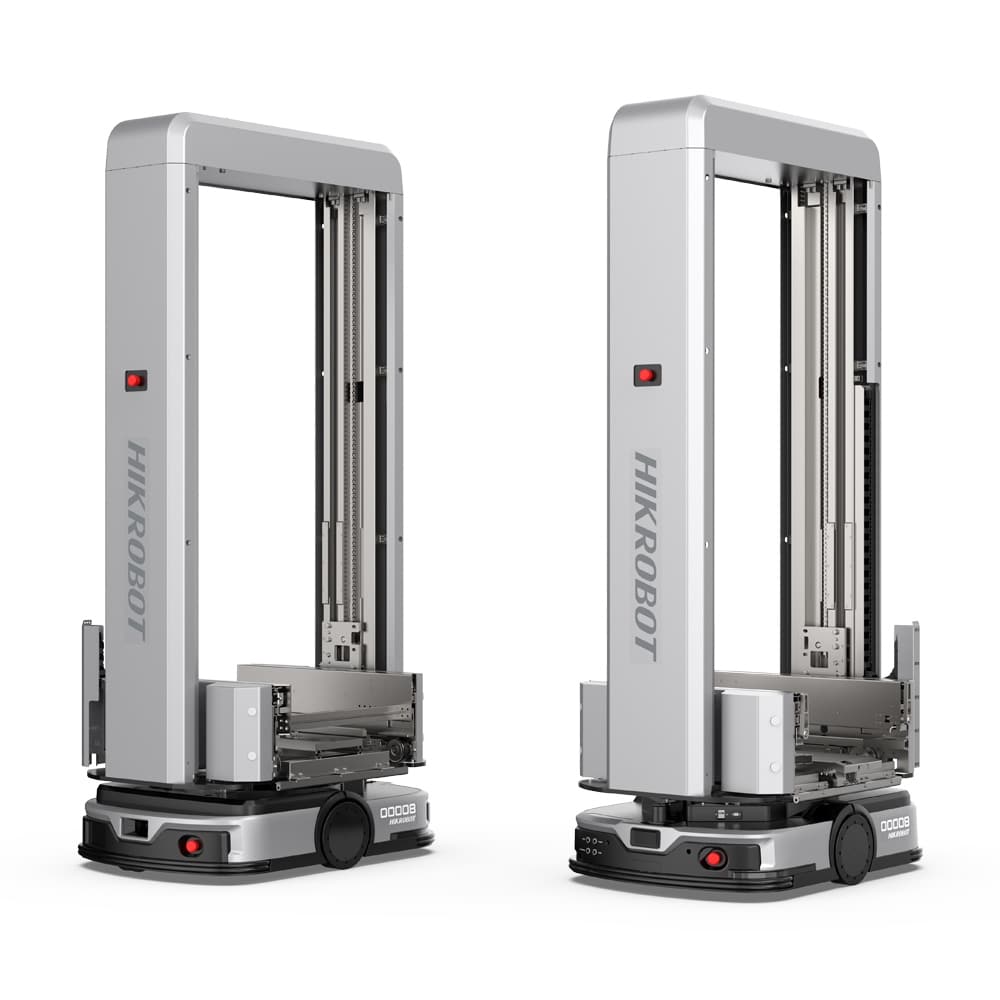
Основные компоненты системы CTU
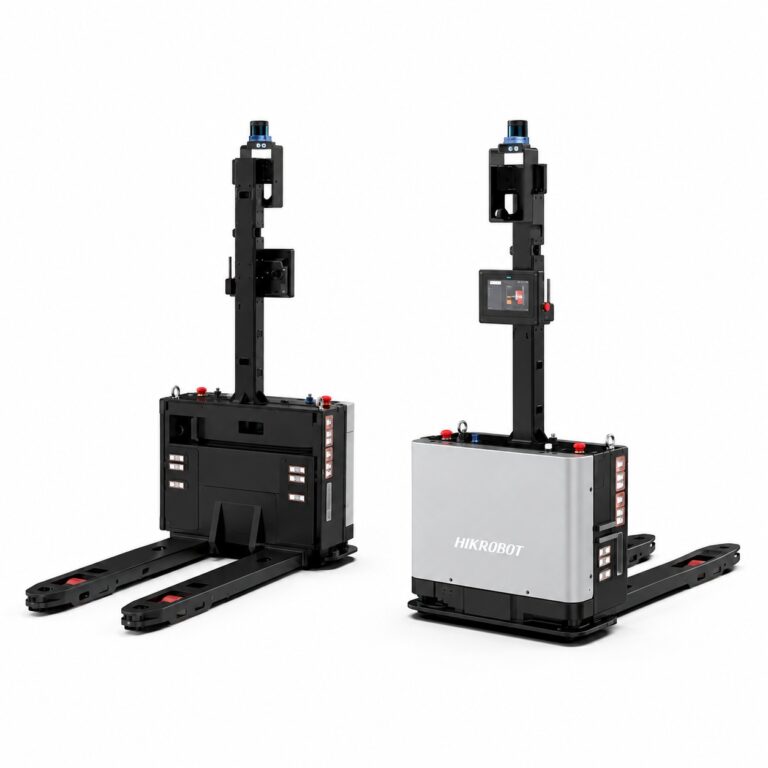
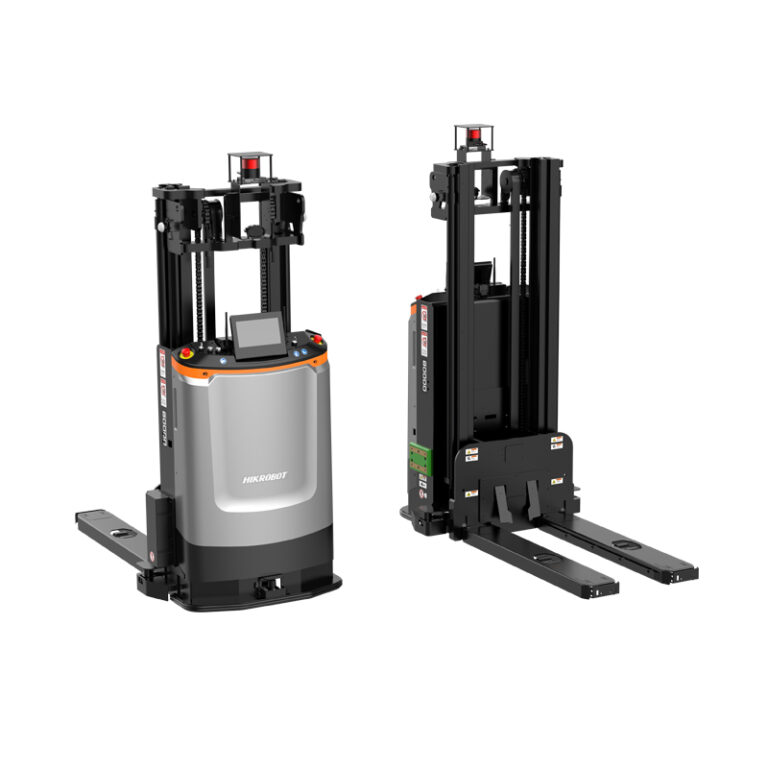
Современная система CTU включает в себя несколько основных частей. Эти части работают вместе, обеспечивая бесперебойную работу. Автоматически управляемые транспортные средства (AGV) В качестве подвижной базы используются челночные транспортеры. Они с легкостью перемещают контейнеры между различными складскими зонами. Централизованное программное обеспечение управляет этими действиями. Оно распределяет задания в зависимости от текущих потребностей и доступных ресурсов. Интеллектуальные стеллажи для хранения дополняют эту систему. Они регулируют инструменты поиска, чтобы более эффективно использовать пространство и сократить время ожидания. Все эти элементы образуют согласованную систему. В ней каждое действие помогает ускорить выполнение заказа.
Как системы CTU обеспечивают более эффективный комплектование заказов
Эффективная комплектация заказов в системах CTU основана на анализе данных в режиме реального времени. Это помогает находить оптимальные пути для захвата каждого товара. В результате сокращается время перемещения. В первую очередь обрабатываются заказы с высоким приоритетом. Роботизированные манипуляторы или световые системы комплектации сокращают количество ошибок, допускаемых людьми. Они направляют работников с помощью четких указаний или выполняют комплектацию самостоятельно. Интеграция с системами управления складом (WMS) обеспечивает бесперебойность этапов комплектации и упаковки. Таким образом, работа остается точной даже в часы пик.
Роль ИИ и машинного обучения в работе CTU
Искусственный интеллект (ИИ) и машинное обучение (МО) играют ключевую роль в повышении эффективности работы CTU. Инструменты прогнозирования анализируют прошлые заказы, предсказывают изменения спроса и корректируют рабочие процессы в соответствии с ними. Модели МО постоянно совершенствуют методы размещения контейнеров и планирования маршрутов, используя для этого реальные результаты. Со временем этот непрерывный цикл обратной связи приводит к улучшению операционной деятельности. Эти системы могут самостоятельно адаптироваться к меняющимся логистическим условиям.
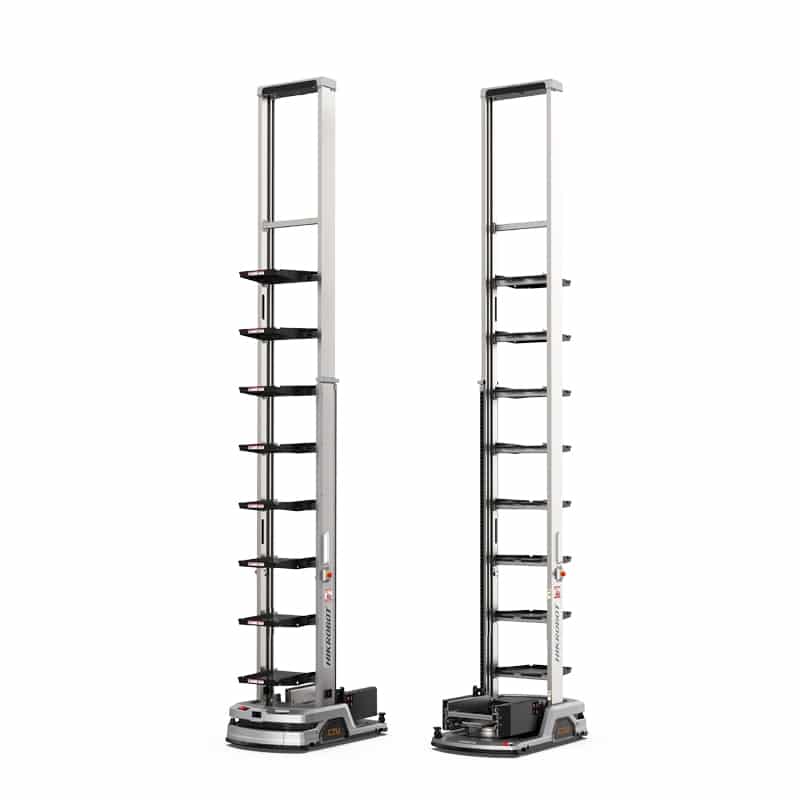
Почему системы CTU так важны для высокоскоростного выполнения заказов?
Глобальная электронная коммерция продолжает быстро расти. В этом контексте скорость выполнения заказов имеет огромное значение для удовлетворенности клиентов. Системы CTU решают эту проблему, автоматизируя рутинные задачи, которые раньше замедляли ручную работу. Они позволяют складам обрабатывать больше заказов стабильно, одновременно снижая затраты.
Сокращение узких мест, связанных с ручным трудом.
Автоматизация устраняет проблемы, связанные с ручной погрузкой и разгрузкой материалов. Системы автоматизированного перемещения сокращают маршруты передвижения персонала, что позволяет сократить время, не приносящее пользы процессу выполнения заказов. Машины берут на себя повторяющиеся операции по подъему и переноске грузов, позволяя сотрудникам сосредоточиться на проверке качества и обработке нестандартных случаев. Это повышает производительность и улучшает условия труда, снижая риск травм, связанных с усталостью.
Повышение пропускной способности и масштабируемости.
Конструкция CTU модульная. Это позволяет складам без проблем наращивать вместимость по мере расширения бизнеса. Новые компоненты могут быть добавлены без существенных изменений в структуре. Операции проходят бесперебойно. Параллельная обработка позволяет обрабатывать множество заказов одновременно в разных зонах. Это обеспечивает максимальную производительность в периоды пиковой нагрузки. Постоянные проверки в режиме реального времени дают четкое представление о работе системы. Они позволяют своевременно вносить исправления, что обеспечивает эффективность работы во всех сменах.
Достижение экономической эффективности за счет автоматизации
Системы централизованного хранения (CTU) обеспечивают существенную экономию средств по нескольким направлениям. Снижаются затраты на рабочую силу, поскольку уменьшается необходимость в ручном труде. Меньшее количество ошибок означает меньшие потери на возвратах и переделках. Интеллектуальные системы хранения также помогают. Они увеличивают количество товаров, помещающихся на каждом квадратном метре. Это повышает эффективность использования складских площадей без строительства дополнительных зданий.
Как системы CTU интегрируются с существующей складской инфраструктурой?
Внедрение высокотехнологичных инструментов, таких как CTU, в существующие системы требует тщательного планирования. Но при правильном подходе со временем это принесет значительные выгоды.
Совместимость с системами управления складами (WMS)
Современные системы управления складом (CTU) хорошо взаимодействуют друг с другом. Они используют API-интерфейсы для удобного обмена данными с инструментами WMS. Такая настройка улучшает отображение запасов в режиме реального времени. Она обеспечивает точный учет во всех областях. Автоматические оповещения о пополнении запасов могут запускаться на основе моделей использования. Динамическое ранжирование заказов гарантирует своевременную отгрузку в соответствии с обещаниями.
Вопросы внедрения для существующих объектов
Перед началом работ проводится полная проверка объекта для определения оптимальных мест размещения компонентов CTU. Анализируются рабочие процессы и ограничения по площади. Поэтапное внедрение позволяет избежать перебоев в работе. Автоматизация добавляется постепенно. Персонал может медленно привыкать к новым методам. В этом процессе важны обучающие сессии. Они помогают людям понять, как работает система и правила техники безопасности.
Долгосрочное техническое обслуживание и оптимизация системы.
Для поддержания оптимального уровня производительности ключевое значение имеет активное техническое обслуживание. Инструменты прогнозирования выявляют проблемы на ранних стадиях, чтобы избежать остановок. Регулярные обновления программного обеспечения позволяют добавлять более совершенные инструменты или расширять связи. Постоянные проверки производительности выявляют места с низкой эффективностью или неиспользуемые элементы. Они направляют поэтапные изменения. Это позволяет поддерживать систему в соответствии с растущими целями бизнеса.
Каким образом компания Wesar Intelligence Co., Ltd. стимулирует инновации в решениях для управления центрами обработки данных?
Компания Wesar Intelligence Co., Ltd. является лидером в разработке интеллектуальных складских решений. Она предлагает широкий спектр интеллектуальных систем управления и контроля (CTU), которые идеально подходят для логистических площадок с высокой интенсивностью работы по всему миру.
Основные преимущества технологии CTU от Wesar
Собственные инструменты Wesar обеспечивают гибкое улучшение процесса комплектации заказов. Они быстро адаптируются к меняющимся объемам грузов. Это помогает в условиях внезапных скачков заказов. Прочная конструкция выдерживает интенсивную эксплуатацию в местах с высокой степенью надежности. Кроме того, Wesar предоставляет полную поддержку в процессе подключения. Это ускоряет время настройки в различных складских конфигурациях. Это обеспечивает стабильность и безопасность.
Приверженность качеству и инновациям
Компания уделяет особое внимание постоянным исследованиям и разработкам, что способствует повышению точности управления и снижению энергопотребления. Международная команда поддержки оперативно оказывает техническую помощь с учетом местных потребностей, обеспечивая бесперебойную работу после установки. Компания Wesar имеет солидный опыт работы во многих областях, включая центры электронной коммерции, производственные линии и логистику магазинов. Она демонстрирует гибкость в сложных условиях работы.
Какие будущие тенденции определят эволюцию интеллектуальных систем комплектации заказов?
Перспективы развития интеллектуальных систем комплектации заказов предполагают более тесную связь между робототехникой, инструментами обработки данных на основе искусственного интеллекта и экологичными дизайнерскими решениями. Все это направлено на создание полностью автоматизированных систем выполнения заказов.
Переход к полностью автономным складам
В будущих складах будут сочетаться роботизированные системы перемещения грузов с инструментами визуального контроля на основе искусственного интеллекта и датчиками IoT. Это обеспечит полную автоматизацию всего процесса — от сортировки поступающих товаров до отгрузки готовой продукции. Самообучающиеся системы будут изменять компоновку в зависимости от изменений спроса или типов товаров. Они будут делать это без участия человека. Работа людей сместится с повседневных задач на наблюдение и принятие важных решений.
Устойчивое развитие как приоритет в проектировании
Забота об окружающей среде сегодня определяет подход к созданию автоматизированных систем. Энергопотребление маломощных двигателей сокращает общее энергопотребление. Интеллектуальное планирование маршрутов уменьшает количество лишних перемещений оборудования. Это снижает ежедневный выброс углекислого газа. Использование перерабатываемых материалов также способствует этому. Это позволяет согласовывать новые места выполнения заказов с мировыми экологическими целями за счет бережного отношения к окружающей среде при строительстве.
Заключение: Стратегическая ценность более эффективного комплектования заказов с помощью систем CTU.
Системы CTU демонстрируют сочетание роботизированных технологий и логистической поддержки, необходимых для выполнения заказов на самом высоком уровне. Они объединяют автоматизированное перемещение контейнеров с инструментами выбора на основе искусственного интеллекта. Предприятия могут ускорить темпы производства и повысить точность. Все это происходит при одновременном сокращении затрат и улучшении экологической обстановки в цепочках поставок.
Часто задаваемые вопросы
Какие отрасли промышленности больше всего выигрывают от внедрения систем CTU?
Такие отрасли, как распределительные центры электронной коммерции, сети розничной логистики, складские операции в фармацевтической отрасли и производственные сборочные линии, получают значительную выгоду от использования центров обработки данных. Это связано с лучшими возможностями для роста, точностью обработки данных и сокращением времени ожидания.
Сколько времени обычно требуется для развертывания полномасштабной системы CTU?
Время, необходимое для подготовки, варьируется в зависимости от особенностей объекта. Но обычно оно длится от нескольких месяцев до года. Это включает в себя этапы планирования, установку оборудования, тестовые запуски и обучение персонала.
Можно ли модернизировать существующие склады, внедрив технологию CTU, без полной реконструкции?
Да. Модульные правила сборки позволяют добавлять CTU на существующие сайты поэтапно. Это позволяет избежать масштабных структурных изменений. Ежедневная работа продолжается и во время обновлений.






 Russian
  English
  Chinese
  Japanese
  Italian
  Korean
  Spanish
  Arabic
  French
  German