
Автоматизированные управляемые транспортные средства (AGV) Постоянно меняются способы перемещения материалов на фармацевтических и химических заводах. В фармацевтической отрасли действуют строгие правила чистых помещений, обеспечивается полная отслеживаемость партий и нулевая терпимость к загрязнению во время транспортировки. Химические производства сталкиваются с другими проблемами: коррозионные вещества, зоны воспламенения, большие объемы грузов и постоянная необходимость минимизировать риски воздействия. Автоматизированные транспортные средства (AGV) берут на себя эти рутинные перевозки — от приема сырья до производства и отгрузки — обеспечивая стабильные и воспроизводимые результаты, которые ручные погрузчики или тележки редко могут поддерживать в течение длительных смен.
Фармацевтические сайты используют АГВ Это позволяет вывести поток людей из контролируемых зон, снизить количество взвешенных в воздухе частиц и уменьшить вероятность перекрестного заражения. В химической промышленности правильно подобранные автоматизированные транспортные средства (AGV) — с герметичными компонентами, антистатическим покрытием и взрывозащищенным классом — соответствуют требованиям зоны и снижают частоту инцидентов. На практике регулярно наблюдается увеличение пропускной способности паллет на 50% и более, а также более точный учет запасов благодаря прямым связям с системой управления складом (WMS).
В данном обзоре основное внимание уделяется автоматизированным транспортным средствам (AGV) для вилочных погрузчиков, предназначенным для работы с тяжелыми поддонами, скрытым AGV для перемещения тележек с низкой грузоподъемностью, а также системам перемещения коробок (CTU) для сортировки коробок на уровне отдельных коробок — применяемым в процессах разгрузки сырья, промежуточной подачи материалов, складирования готовой продукции и входящих/исходящих потоках.
Почему автоматизированные транспортные средства (AGV) необходимы в фармацевтической и химической промышленности
Фармацевтические производственные линии работают в соответствии со стандартами надлежащей производственной практики, которые наказывают за любые отклонения. Ручная транспортировка вносит свои коррективы: операторы, перемещающиеся по чистым зонам, разбрасывают частицы, а усталость приводит к смещению поддонов, что нарушает цепочку партий. Автоматизированные транспортные средства (AGV) следуют по маршрутам, заданным лазерным, визуальным или управляемым датчиками, точно стыкуясь для передачи материалов. Интеграция с конвейерами или автоматизированными системами хранения и поиска (AS/RS) обеспечивает непрерывный цикл обработки материалов.
На химических заводах существует множество дополнительных уровней опасности. Пары, агрессивные жидкости и большие объемы грузов превращают стандартные операции по перемещению в риски разлива или искрообразования. Автоматизированные транспортные средства (AGV), разработанные для таких условий, используют сертифицированные системы безопасности, прочные рамы и обработку поверхностей, соответствующие различным классификациям. Помимо соответствия нормативным требованиям, такая система снижает количество инцидентов, близких к аварии, стабилизирует производительность и позволяет сократить страховые расходы, связанные с рисками.
Обе отрасли выигрывают от перераспределения персонала с вождения на осмотр или техническое обслуживание, сокращения циклов производства и надежных сроков доставки. На фармацевтических складах количество перемещений паллетов часто удваивается без увеличения численности персонала; химические реакторы обеспечивают бесперебойную подачу сырья без задержек, которые могли бы остановить производство партий.
Основные типы автоматизированных транспортных средств (AGV) и их применение в фармацевтической и химической промышленности.
Выбор автоматизированных транспортных средств (AGV) зависит от характеристик грузоподъемности, ширины проходов и ритма производственного процесса.
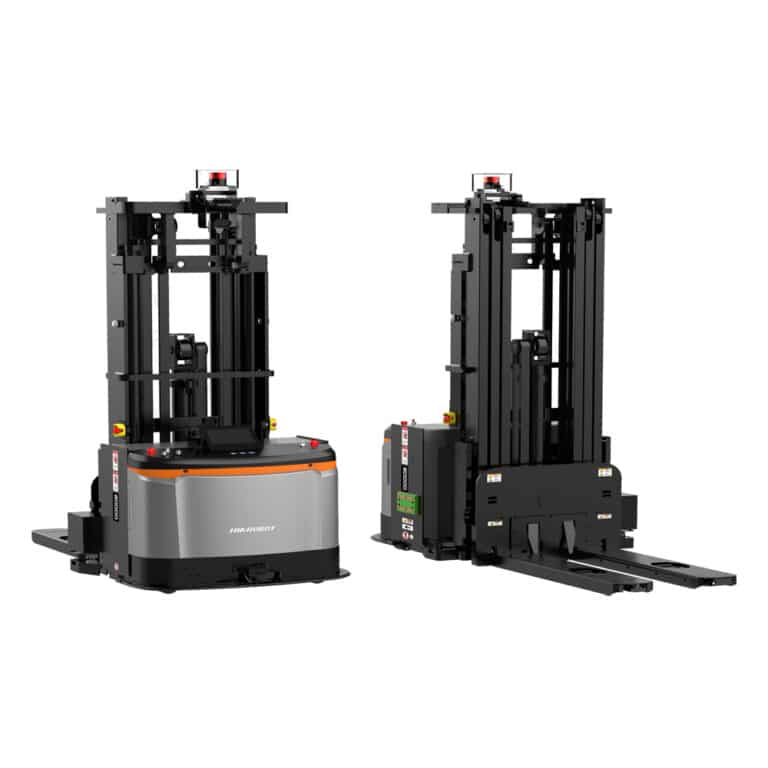
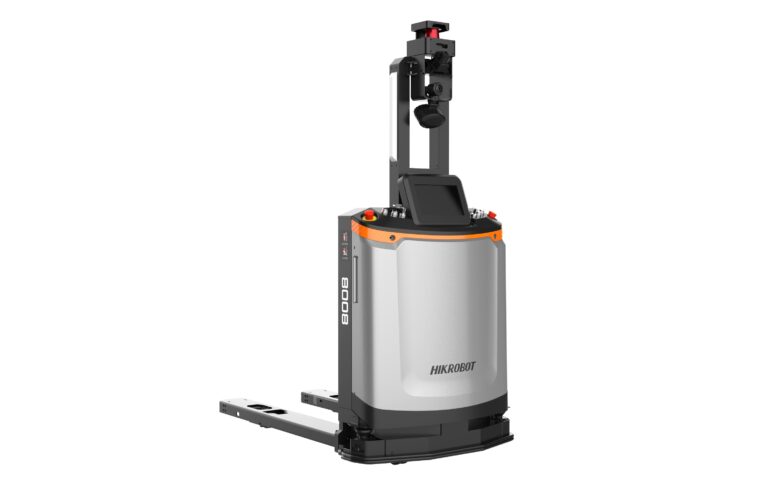
Автоматизированные вилочные погрузчики (например, противовесные и штабелирующие модели)
Автоматизированные вилочные погрузчики способны перемещать большие грузы на большую высоту. На фармацевтических складах они перемещают готовые паллеты с упаковочных площадок на высокие стеллажи или в холодильные камеры. Штабелирование осуществляется на нескольких уровнях, что позволяет размещать больше товаров в температурных зонах, где затраты на хранение высоки.
Химические предприятия используют их для разгрузки бочек или контейнеров IBC на причалах, а затем для перенаправления грузов к пунктам снабжения. Грузоподъемность позволяет без труда перемещать сыпучие материалы, а также использовать их в условиях ограниченного пространства на старых, узкопроходных предприятиях.
Стабильность работы в многосменном режиме — это неоспоримое преимущество. После настройки циклы точно повторяются, защищая хрупкую фармацевтическую упаковку и обеспечивая своевременное пополнение запасов химических реагентов.
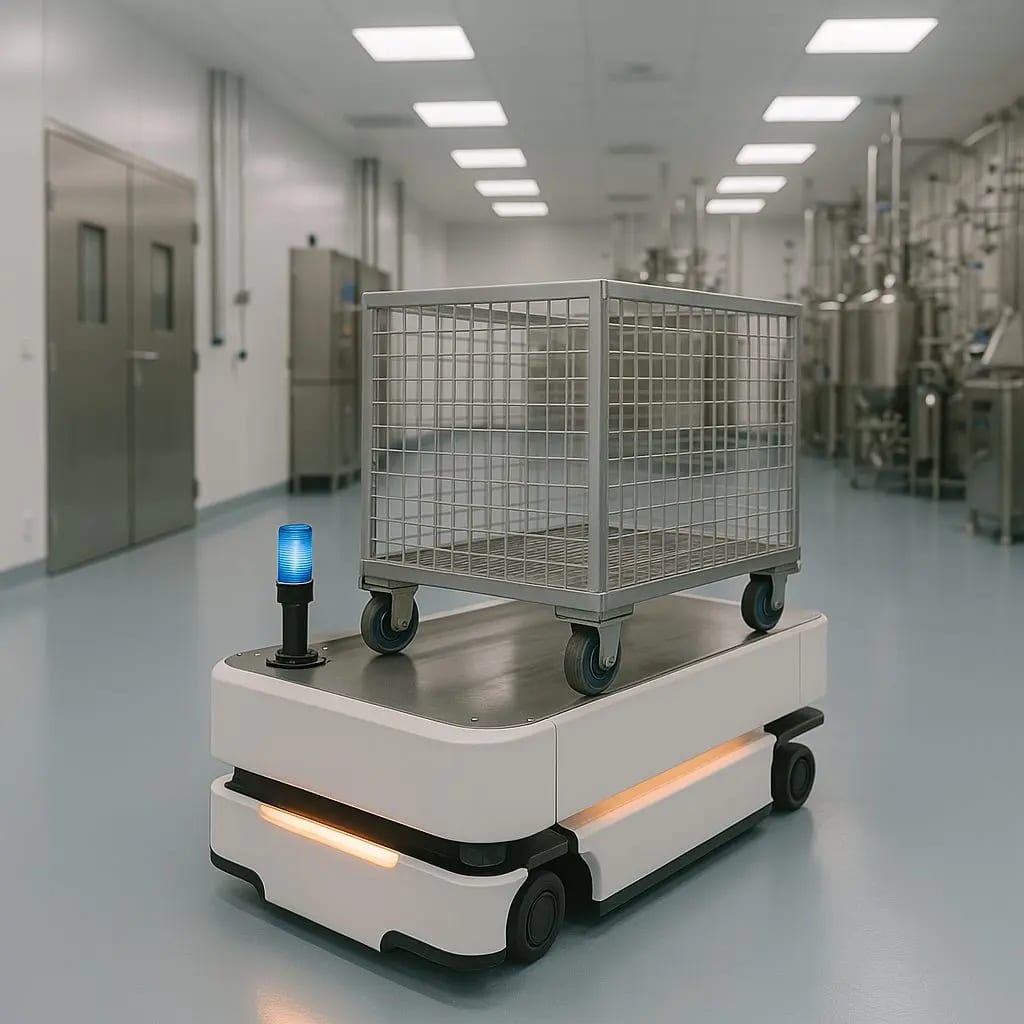
Скрытые/скрытые автоматизированные транспортные средства
Скрытые автоматизированные транспортные средства (AGV) имеют низкую посадку, легко проникая под тележки или платформы для подъема и перемещения грузов. Компактная конструкция подходит для ограниченных пространств, используемых в фармацевтической промышленности для приготовления лекарственных препаратов, а также в зонах производства промежуточных продуктов химической промышленности.
В фармацевтической отрасли их используют для доставки активных фармацевтических ингредиентов или вспомогательных веществ от весовых станций к смесителям, обеспечивая при этом циркуляцию воздуха. Небольшая открытая площадь облегчает очистку, а использование закрытых тележек позволяет сохранить стерильность.
Химические компании используют их для частичной транспортировки партий между емкостями или лабораториями. Небольшая высота позволяет размещать их под конвейерами или дверными порогами, обеспечивая своевременную подачу реагентов для поддержания непрерывности реакций.
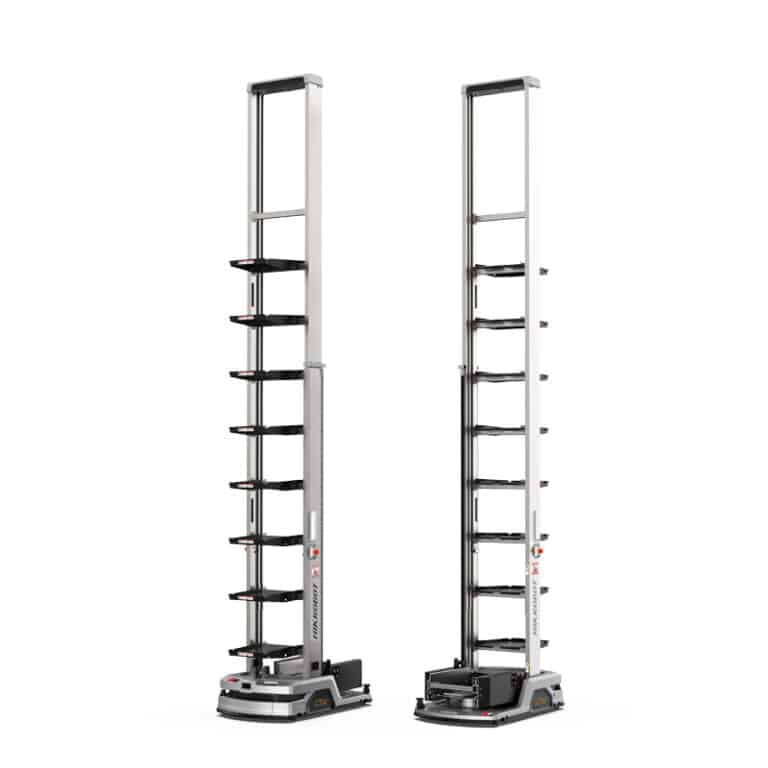
Автоматизированные транспортные средства на базе CTU для сортировки и приема/отгрузки товаров.
Автоматизированные транспортные средства CTU предназначены для сортировки отдельных коробок, ящиков или небольших единиц продукции, а не целых паллет. В фармацевтической отрасли их используют для сортировки флаконов, блистеров или бутылок перед отгрузкой.
В рамках вторичной химической упаковки маркированные коробки перемещаются от разливочных машин к паллетизаторам или стеллажам. Визуальный контроль позволяет выявлять проблемы с маркировкой непосредственно на линии.
При поступлении грузы CTU разделяет смешанные паллеты по артикулам или партиям, обеспечивая более быструю маршрутизацию, чем ручная сортировка на линиях с большим количеством вариантов.
Практическое применение: от сырья до отгрузки готовой продукции.
Погрузка/разгрузка и доставка сырья
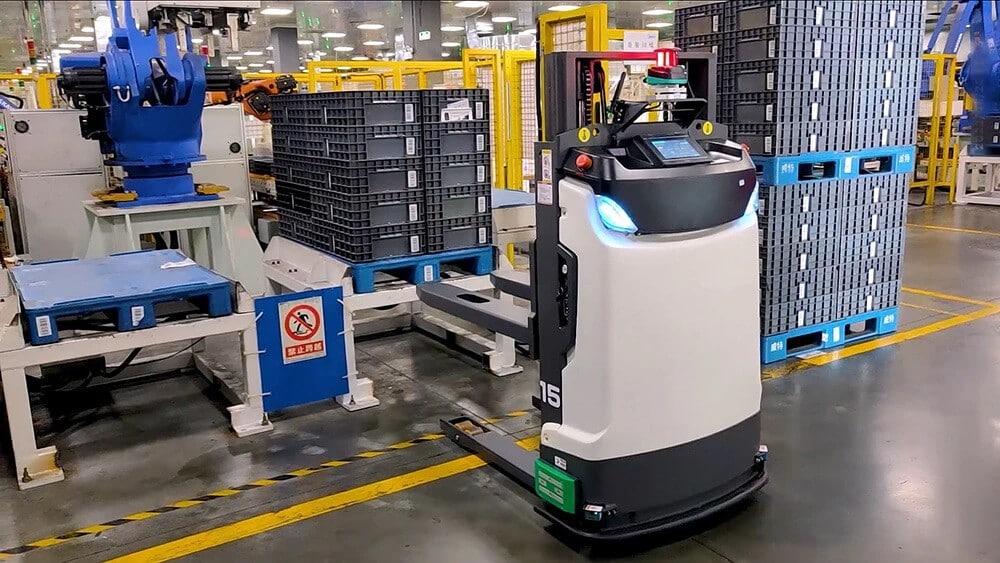
Приемка запускает всю цепочку. Автоматизированные транспортные средства (AGV) разгружают поступающие паллеты — активные фармацевтические ингредиенты для фармацевтической промышленности, растворители для химикатов — сканируют метки и направляют грузы на карантин. Грузы, прошедшие таможенную очистку, доставляются с помощью скрытых AGV на контрольные пункты. Благодаря этим системам время доставки сокращается с нескольких часов до менее чем получаса, при этом исключается любое неправильное размещение грузов.
В химической промышленности для размещения контейнеров на стеллажах используются мощные автоматизированные транспортные средства (AGV) с вилочными погрузчиками, которые фиксируют каждый этап для проведения аудита.
Межпроцессный трансфер в производстве
Производство продолжается благодаря автоматизированным транспортным средствам (AGV). Бункеры с фармацевтическим гранулятом перемещаются из грануляторов в прессы с помощью вспомогательных устройств без нарушения циркуляции воздуха. Химическое сырье поступает в реакторы по расписанию с помощью вилочных погрузчиков или с помощью вспомогательного оборудования, работающего по таймеру.
Отсутствие очередей означает более высокую производительность оборудования и более стабильные партии продукции.
Обработка готовой продукции, складирование и отгрузка.
После упаковки автоматизированные транспортные средства (AGV) с помощью вилочных погрузчиков размещают готовые паллеты на стеллажах или подготавливают их к отправке. Высотные погрузчики заполняют ценные складские помещения фармацевтической промышленности. Загрузка соответствует накладным для бесперебойной отгрузки.
CTU занимается отгрузкой фармацевтической продукции; в химической отрасли осуществляется оптимизация паллетных потоков.
Сортировка CTU для повышения эффективности входящих/исходящих поставок.
Входящая система CTU разделяет поступления по партиям или сроку годности, обеспечивая точное распределение. Исходящая система комплектации обеспечивает точность более 99,9% в условиях интенсивной фармацевтической логистики.
Проблемы и способы их преодоления при внедрении автоматизированных транспортных средств (AGV).
Неровные полы нарушают проходимость; лазерная навигация допускает некоторые нарушения, а целенаправленный ремонт устраняет хронические проблемы. Для устаревших систем требуется картографирование, но гибкое программное обеспечение упрощает процесс.
Сертификацию по работе в опасных зонах получают на раннем этапе — многие автоматизированные транспортные средства предлагают модульные решения для зон. Обучение персонала работе с панелями управления и функциями автоматического управления позволяет избежать остановок.
Окупаемость земельных участков достигается за 18–36 месяцев благодаря перераспределению рабочей силы, уменьшению ущерба и увеличению пропускной способности. Пилотные зоны доказывают свою эффективность до масштабирования производства.
Компания Wesar Intelligence Co., Ltd.: предоставление индивидуальных решений для автоматизированных транспортных средств (AGV).
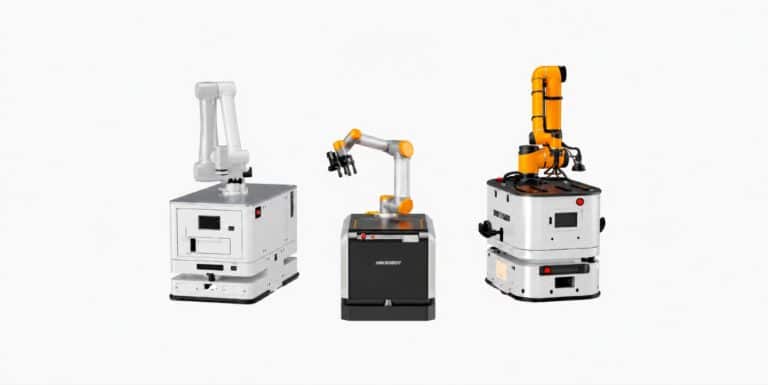
Wesar Intelligence Co., Ltd.Компания, расположенная в Сучжоу, провинция Цзянсу, Китай, почти два десятилетия специализируется на интеллектуальных производственных и складских системах. На производственной площадке площадью 5000 м² работает команда из более чем 100 человек, включая 35 производственных сотрудников и 26 технических специалистов, которые обеспечивают полный цикл поставок: консультации, разработка программного обеспечения, изготовление оборудования, установка и поддержка. Ассортимент автоматизированных транспортных средств (AGV) включает в себя мобильный робот-погрузчик (FMR) для работы с паллетами, мобильный робот с латентным механизмом (LMR) для работы под тележками, устройство для перемещения коробок (CTU) для обработки коробок, мобильный робот для тяжелых условий эксплуатации (HMR), мобильный конвейерный робот (CMR) и мобильный коллаборативный робот (MCR). При разработке особое внимание уделяется точности, безопасности и адаптивности к требованиям фармацевтических и химических процессов.
Заключение
АГВ Внедрение автоматизированных транспортных средств (AGV) в фармацевтическую и химическую промышленность позволяет добиться конкретных успехов в обработке материалов, удовлетворяя потребности в соблюдении нормативных требований, управлении рисками, скорости и отслеживании. Автоматизированные транспортные средства (AGV) для вилочных погрузчиков обеспечивают перемещение паллетных грузов от момента получения до отгрузки, скрытые AGV бесшумно управляют транспортировкой в чувствительных зонах, а системы CTU оптимизируют сортировку для бесперебойной работы. Предприятия, использующие их, отмечают повышение производительности, снижение рисков и более эффективное использование активов. По мере роста объемов и ужесточения правил, AGV представляют собой надежный шаг вперед. Как правило, анализ производственных площадок выявляет наиболее перспективные отправные точки.
Часто задаваемые вопросы
Какие преимущества предоставляют автоматизированные транспортные средства (AGV) для работы фармацевтических складов?
Автоматизированные вилочные погрузчики (AGV) берут на себя транспортировку, штабелирование и извлечение паллет, снижая трудозатраты и соответствуя требованиям GMP благодаря упрощенному доступу и надежному отслеживанию. Они обеспечивают стабильность холодовой цепи и меньший риск повреждений по сравнению с ручным управлением.
Каким образом скрытые возможности автоматизированных транспортных средств (AGV) способствуют обработке сырья на химических предприятиях?
Скрытые автоматизированные транспортные средства (AGV) перемещают тележки или контейнеры на низком уровне между хранилищем и зонами, избегая загромождения пола. Надежные маршруты предотвращают задержки во время ключевых операций по подаче материалов в реактор.
Улучшают ли автоматизированные транспортные средства CTU сортировку готовой фармацевтической продукции на выходе?
Автоматизированные транспортные средства CTU быстро сортируют коробки или ящики по приоритету или месту назначения перед формированием паллет или погрузкой. Это снижает риск путаницы в различных заказах и ускоряет срочные отгрузки.
Какие элементы безопасности наиболее важны для автоматизированных транспортных средств на химических заводах?
Для химических производств необходимы герметичные приводы, антистатические системы и сертификация зон обработки на автоматизированных транспортных средствах (AGV). Дополнительные датчики обнаружения, функция быстрой остановки и оповещения повышают уровень защиты в зонах смешанного действия.
Насколько быстро системы автоматизированных транспортных средств (AGV) окупаются в фармацевтической или химической промышленности?
Окупаемость обычно составляет от 18 до 36 месяцев за счет сокращения штата, снижения количества инцидентов, увеличения количества перемещений за смену и экономии на обработке. Первые пилотные проекты на необработанных или готовых участках показывают результаты быстро.






 Russian
  English
  Chinese
  Japanese
  Italian
  Korean
  Spanish
  Arabic
  French
  German