
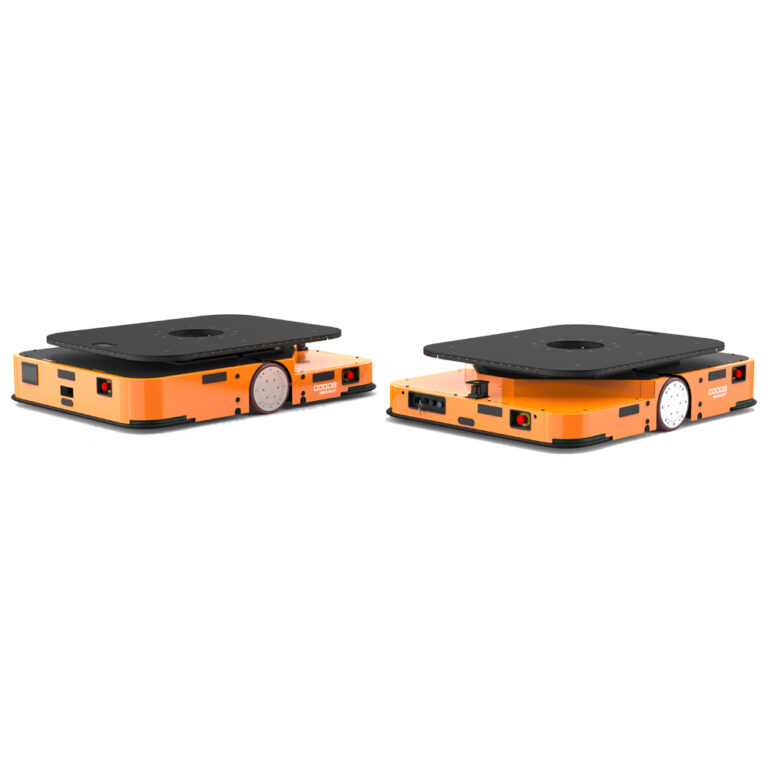
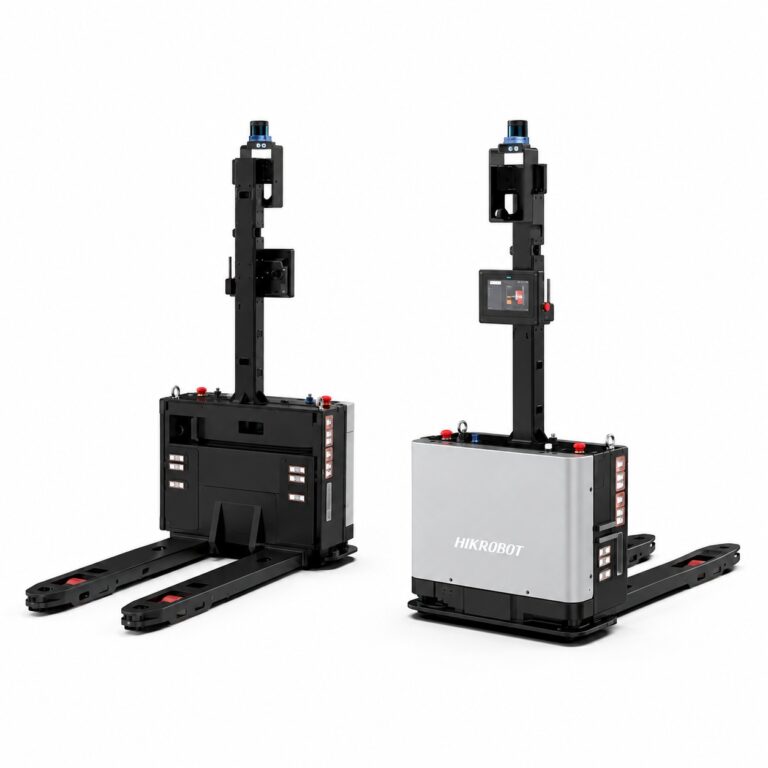
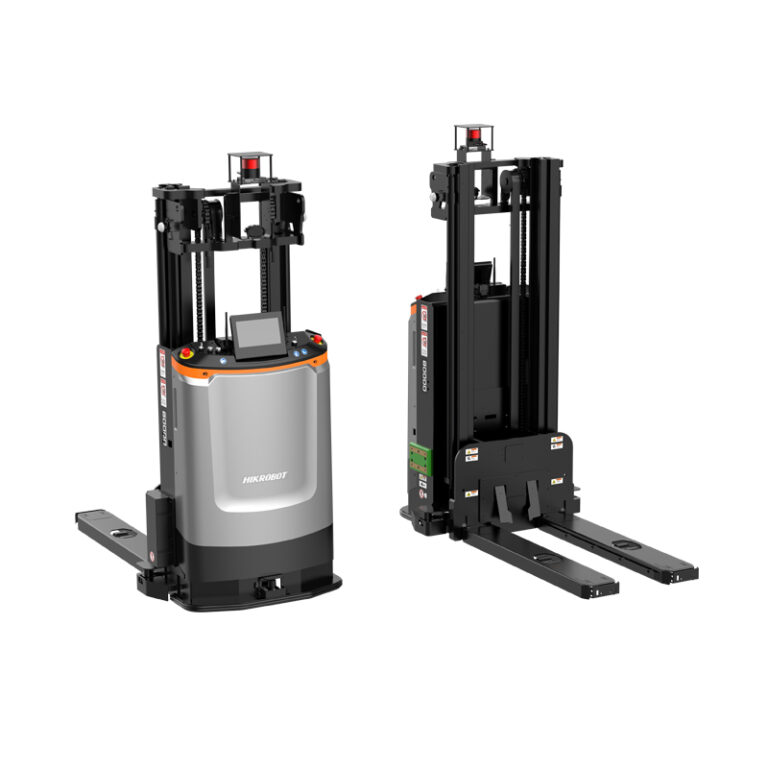
Автоматизированная обработка материалов стала важной частью современной заводской логистики. В условиях роста объемов производства, нехватки рабочей силы, ужесточения требований безопасности и ускорения сроков поставки многие заводы заменяют ручную транспортировку с помощью вилочных погрузчиков на подъемные автономные мобильные роботы (AMR). Для логистических задач средней и большой грузоподъемности грузоподъемность является одним из важнейших факторов при выборе подходящего робота. Wesar Q7B-1000E и Q8-2000A – это два типа подъемных роботов. Латентные мобильные роботы разработан для различных нагрузок. Q7B-1000E поддерживает перемещение материалов весом до 1000 кг, при этом Q8-2000A Предназначен для перевозки тяжелых грузов весом до 2000 кг. Выбор между ними зависит не только от веса. Он также зависит от планировки завода, размера материала, условий маршрута, точности погрузки/разгрузки, интеграции программного обеспечения и перспектив расширения производства.
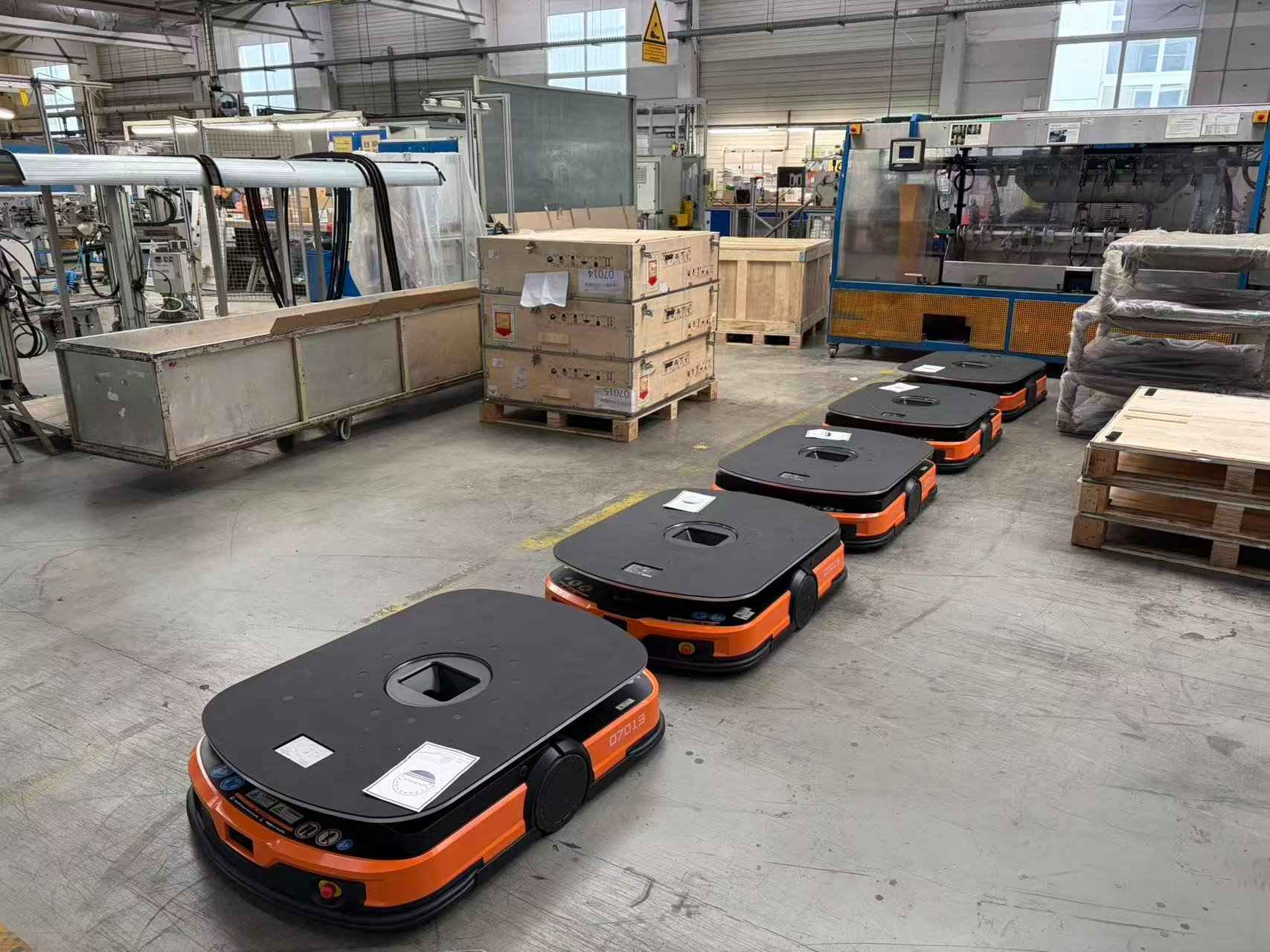
Почему грузоподъемность важна при выборе подъемного автономного мобильного робота?
Грузоподъемность напрямую влияет на эффективность выполнения автоматизированным мобильным роботом (AMR) транспортных задач в реальных производственных условиях. Роботу с недостаточной грузоподъемностью может потребоваться больше рейсов, а роботу больших размеров — больше места и более высокие инвестиции.
Грузоподъемность и фактическая рабочая нагрузка
В заводской логистике номинальная полезная нагрузка — это лишь одна часть процесса выбора. Покупателям также необходимо учитывать общую рабочую нагрузку, включая материал, транспортное средство, стеллаж, лоток или тележку. Например, если сам материал весит 850 кг, а стеллаж — 120 кг, то общая нагрузка может уже приближаться к пределу возможностей автоматизированного мобильного робота (AMR) грузоподъемностью 1000 кг.
Распределение нагрузки также имеет решающее значение. Сбалансированная нагрузка позволяет подъемному автомобилю перемещаться с той же точностью, что и безопасно. Несбалансированные грузы или грузы с очень высоким центром тяжести могут потребовать более мощной модели, специально разработанной грузовой платформы или более тщательного анализа безопасности на заводе.
Как полезная нагрузка влияет на эффективность логистики
Неправильный выбор полезной нагрузки снижает эффективность автоматизации. Для перевозки того же объема товаров заводу потребуется больше транспортных средств, но робот будет слишком маленьким. Это, в свою очередь, увеличит нагрузку на ваш автопарк, приведет к заторам на зарядных станциях и усложнит вашу систему.
Выбор робота-манипулятора грузоподъемностью 2000 кг для каждой задачи не обязательно должен быть экономически выгодным. Мощные роботы предназначены для работы с крупными материалами, тяжелыми стеллажами или для промышленного производства в условиях высоких нагрузок на больших производственных линиях. Им требуется больше места для перемещения грузов, чем другим роботам, поэтому важно сопоставить полезную нагрузку вашего робота с реальными логистическими потребностями вашего предприятия.
В чём основные отличия моделей Q7B-1000E и Q8-2000A?
Подъемные мобильные роботы Q7B-1000E и Q8-2000A предназначены для различных задач, различающихся не только по весу перевозимых грузов, но и по типу потока материалов, с которым они лучше всего справляются.
Q7B-1000E: Гибкий автономный мобильный робот класса 1000 кг.
Тележка Q7B-1000E идеально подходит для производственных сред, требующих регулярной транспортировки постоянно меняющихся материалов. Эта тележка предназначена для использования в качестве прикорневого устройства для подачи незавершенной продукции, а также для транспортировки материалов со складов на производственные площадки и для перераспределения продукции по различным производственным зонам.
Автономный мобильный робот (AMR) с грузоподъемностью 1000 кг подходит для многих отраслей промышленности, таких как электроника, производство автомобильных деталей, машиностроение и общее производство. Он может выполнять большинство задач по перемещению материалов на заводе, легко меняя маршрут по мере необходимости. Многие задачи на заводе связаны с частыми операциями по подбору и перемещению грузов, которые не требуют больших весов, но требуют высокой частоты.
Q8-2000A: Мощный автономный мобильный робот класса 2000 кг.
Модель Q8-2000A разработана для более сложных задач и погрузочно-разгрузочных работ. Q8-2000A рекомендуется для предприятий, перемещающих очень большое количество стеллажей и/или очень тяжелые материалы, такие как материалы для литиевых батарей, материалы для фотоэлектрических систем и другие тяжелые материалы, требующие большей грузоподъемности. Также подходит для применений с очень тяжелыми компонентами и другими тяжелыми материалами.
Автономный мобильный робот (AMR) с грузоподъемностью 2000 кг может помочь сократить использование ручных вилочных погрузчиков в условиях высокой загруженности логистических площадок. Транспортировка станет более стабильной, поскольку AMR будет следовать заданным маршрутам, выполнять фиксированное количество задач и, что наиболее важно, соблюдать правила техники безопасности, управляемые системой управления.
Быстрое сравнение при выборе производителя
При выборе между роботами Q7B-1000E и Q8-2000A для вашего завода необходимо сравнить множество факторов, включая номинальную полезную нагрузку, габариты робота, радиус поворота, высоту подъема, маршрут работы, время работы от батареи, время зарядки, метод навигации и многое другое.
Если основным требованием является компактность оборудования для частых перевозок, то Q7B-1000E, вероятно, будет лучшим выбором. Однако для непрерывной и стабильной транспортировки более тяжелых грузов большую долгосрочную ценность, скорее всего, обеспечит модель Q8-2000A.
Какие условия эксплуатации на заводе лучше подходят для автоматизированной мобильной системы подъема грузов весом 1000 кг?
Автоматизированный мобильный робот (AMR) с грузоподъемностью 1000 кг обычно подходит для заводов, которым требуется большая полезная нагрузка с гибкими маршрутами. Он позволяет автоматизировать логистику без необходимости использования большого количества тяжелых роботов, занимающих место.
Подача материала со стороны производственной линии
В сборочных цехах на производственные линии регулярно поступает множество материалов, деталей или полуфабрикатов. В Q7B-1000E материалы транспортируются со склада к местам расположения на производственной линии по мере необходимости для выполнения поставленных задач.
Сокращение ручного перемещения материалов позволяет персоналу сосредоточиться на производстве, а не на постоянном перемещении материалов по заводу. На многопроизводственных линиях автономные мобильные роботы также могут быть запрограммированы на автоматическую подачу материалов на линии в запланированное время, что исключает время ожидания.
Передача незавершенной работы между процессами
Перемещение незавершенной продукции — распространенная задача в производственных условиях. Это перемещение заготовки от механической обработки к контролю качества, от сборки к тестированию или даже из одной производственной ячейки в другую внутри завода. Автономные мобильные роботы грузоподъемностью 1000 кг предназначены для выполнения подобных повторяющихся задач.
Автоматизация передачи незавершенного производства позволяет улучшить производственный процесс, снизить количество человеческих ошибок и обеспечить более согласованную логистику между процессами.
Интеллектуальные складские и буферные зоны для транспортировки
Автоматизированный транспортер Q7B-1000E также может использоваться для соединения интеллектуальных складских зон с производственными буферными зонами. Транспортер может забирать стеллажи с материалами со склада и транспортировать их в заданные места в пределах производственной зоны. Q7B-1000E может работать как с системами управления складом, так и с системами управления роботами.
Автоматический мобильный робот грузоподъемностью 1000 кг — идеальный первый шаг для завода, позволяющий более эффективно организовать потоки материалов между складом и производством.
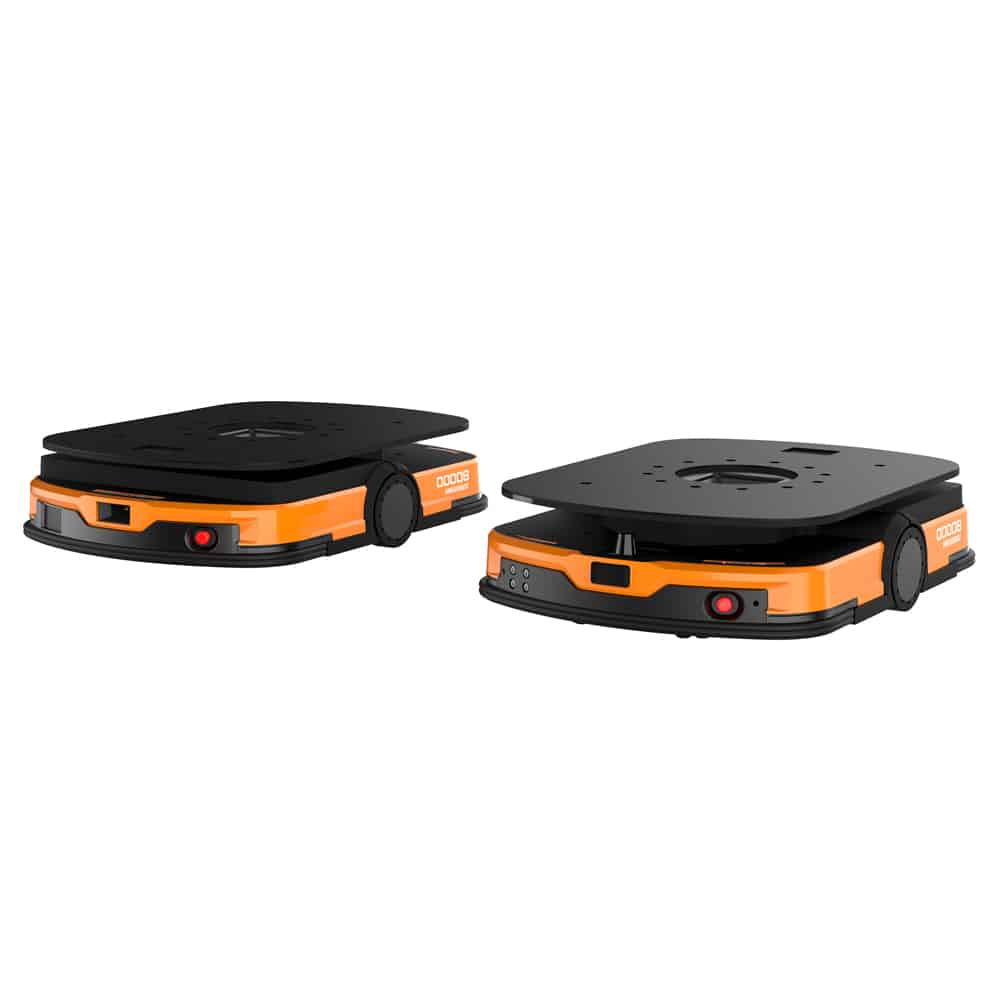
В каких случаях заводу следует выбрать автономный мобильный робот (AMR) с грузоподъемностью 2000 кг?
Автоматический мобильный погрузчик с грузоподъемностью 2000 кг идеально подходит для перемещения очень тяжелых, крупногабаритных или громоздких грузов, а также для сокращения использования вилочных погрузчиков в зонах пиковой нагрузки на заводе.
Логистика производства литиевых батарей
Производство литиевых батарей часто включает в себя работу с тяжелыми материалами, строгие требования безопасности и точные технологические соединения. Q8-2000A может обеспечивать обработку тяжелых грузов на производственных линиях, связанных с батареями, включая логистику батарейных блоков и перемещение материалов между этапами производства.
Стабильная транспортировка имеет решающее значение на рынке логистики и складского хранения. Мощный автономный мобильный робот (AMR) помогает исключить ручную погрузку и разгрузку и обеспечивает бесперебойную логистику.
Обработка материалов в производстве фотоэлектрических систем
В производстве фотоэлектрических элементов и модулей используется множество крупногабаритных материалов, стеллажей и т. д., и все они требуют подключения к другому производственному оборудованию. В такой ситуации для перемещения тяжелых грузов подходит станок Q8-2000A.
Автоматизируйте задачи по транспортировке тяжелых грузов на вашем заводе, соединив различные производственные зоны с помощью автоматизированного мобильного погрузчика грузоподъемностью 2000 кг. Это обеспечит стабильный, повторяемый и отслеживаемый поток материалов на вашей производственной линии.
Автомобильная промышленность и производство тяжелых комплектующих
Во многих отраслях, таких как производство автомобильных деталей, компонентов машин и металлообработка, регулярно перемещаются тяжелые материалы. В таких случаях ручное перемещение этих деталей с помощью вилочных погрузчиков может создавать проблемы с безопасностью, заторы на маршрутах и приводить к нестабильным срокам доставки.
Модель Q8-2000A идеально подходит для автоматизации перемещения тяжелых компонентов и облегчает координацию различных зон, таких как склад, цех механической обработки, сборочная линия и контроль качества.
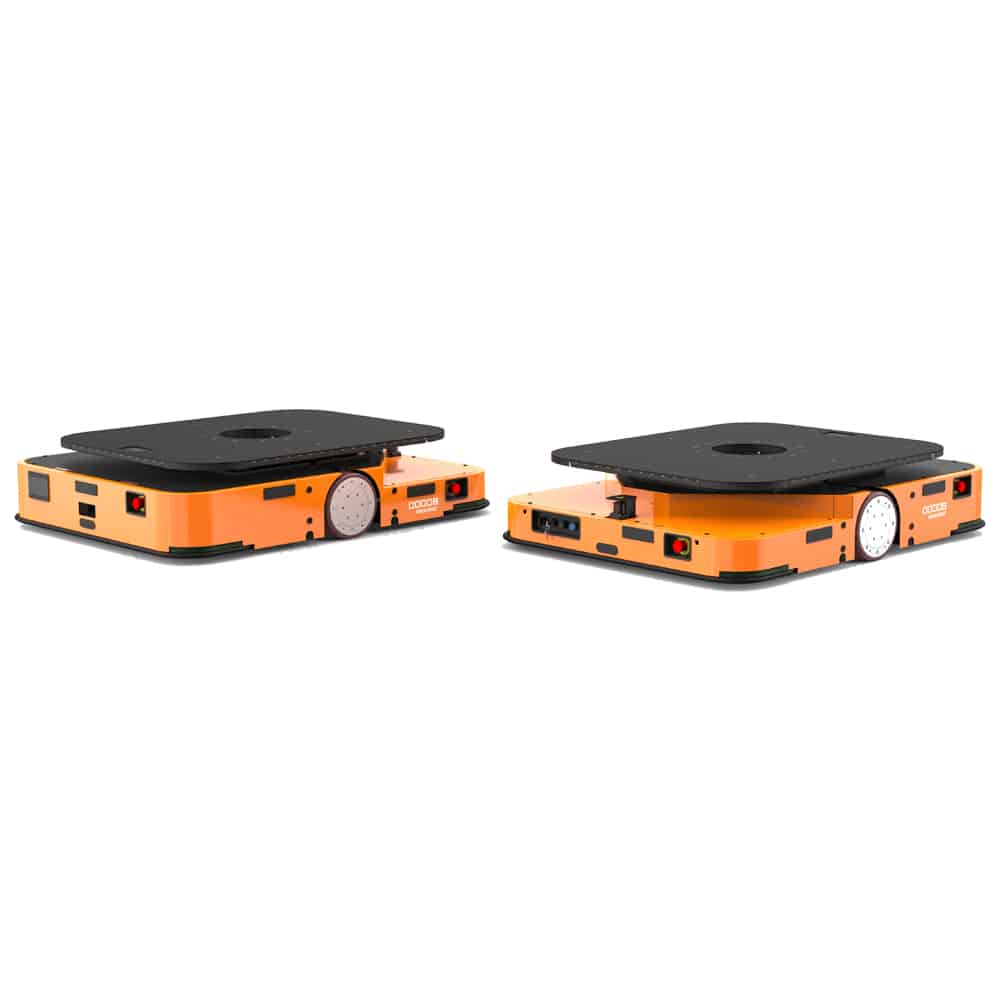
Как заводам следует оценивать площадь, ширину проходов и радиус поворота?
Хотя полезная нагрузка может быть достаточной, робот также должен помещаться в фактическую конфигурацию завода. Из всех этапов, предшествующих развертыванию автономных мобильных роботов, планирование пространства, пожалуй, является наиболее практичным.
Ширина прохода и пространство для поворота
Q7B-1000E — Гибкие решения для небольших площадей. Q8-2000A — Тяжелые погрузочно-разгрузочные работы. Для Q8-2000A требуется более тщательное рассмотрение ширины прохода, радиуса поворота, зон пересечения проходов, перекрестков и т. д., а также безопасного зазора.
Перед развертыванием автономных мобильных роботов (AMR) на вашем заводе составьте карту транспортных маршрутов и протестируйте их. Проверьте поворот, остановку, объезд препятствий и проезд через ключевые точки маршрута.
Совместимость со стеллажами и тележками
Автономный мобильный робот (AMR) обычно поднимает объекты со стеллажей, тележек или даже специально разработанных контейнеров. Стеллаж должен быть спроектирован таким образом, чтобы соответствовать высоте подъема AMR, ходу подъемной стрелы, зазору внизу и распределению нагрузки на стеллаже.
Если существующие стеллажи несовместимы с несущими конструкциями, завод может перепроектировать несущую систему для работы с используемыми стеллажами. Это особенно важно для применений с тяжелыми грузами, где прочность стеллажа и устойчивость грузов на нем имеют решающее значение.
Состояние покрытия и безопасность маршрута
Для перемещения тяжелых мобильных роботов требуется устойчивое основание. Неровные полы, наклонные полы, масляные пятна, мусор и т.д. могут повлиять на безопасность перемещения, а также на точное позиционирование робота.
Помимо запланированных маршрутов по территории завода, целесообразно определить зоны работы автономных мобильных роботов (АМР), пешеходные переходы, зоны предупреждения, а также аварийные остановки. Оптимальный маршрут имеет решающее значение для безопасной и эффективной работы системы АМР.
Почему стоит выбрать компанию Wesar Intelligence Co., Ltd. в качестве надежного поставщика мобильных роботов с возможностью скрытого управления?
Выбор правильного поставщика для обеспечения долгосрочной эффективности вашего автоматизированного мобильного робота (AMR) имеет решающее значение. Речь идет не только о покупке робота, но и о получении решения и его планировании. Поставщик должен интегрировать программное обеспечение, поддерживать внедрение и предоставлять надлежащее послепродажное обслуживание.
Сосредоточьтесь на логистике для «умных» заводов.
Wesar Intelligence Co., Ltd. Компания Wesar предоставляет интеллектуальные решения в области логистики и автоматизации производства. В портфель продукции Wesar входят интеллектуальные автономные мобильные роботы/автоматизированные транспортные средства (AMR/AGV), системы управления роботами и другие программные и аппаратные решения для управления складом и автоматизации производства.
Производителям, стремящимся улучшить обработку материалов, сократить ручную транспортировку и создать более взаимосвязанную производственную логистику, будет полезно сотрудничать с таким партнером, как Wesar.
Варианты продукции для различных потребностей в полезной нагрузке
Компания Wesar предлагает латентных мобильных роботов, таких как Q7B-1000E и Q8-2000A, для удовлетворения различных требований к полезной нагрузке. Независимо от того, требуется ли заводу гибкая транспортировка груза весом 1000 кг или перемещение тяжелых грузов весом 2000 кг, Wesar может предложить роботов для различных сценариев применения.
Поддержка от планирования до развертывания
Компания Wesar обладает возможностью оказывать поддержку проектам по внедрению автономных мобильных роботов (AMR) от планирования до развертывания, позволяя заводам проектировать, строить и эксплуатировать практичные и масштабируемые системы автоматизации с использованием платформы Wesar. Этапы проектирования и успешной реализации проекта AMR на предприятии включают оценку площадки, планирование компоновки, планирование маршрутов, подключение к системам, ввод в эксплуатацию и операционную поддержку.
Какую автономную подъемную машину следует выбрать вашему заводу?
В конечном итоге, решение принимается на основе реальных логистических потребностей. Выбор автономных мобильных роботов (AMR) на основе максимальной грузоподъемности — неверный подход. Более важно провести детальное сравнение различных типов грузов, возможных маршрутов движения, требуемого потока материалов, необходимого программного обеспечения и возможностей дальнейшего расширения.
Выберите Q7B-1000E для гибкой работы с грузами класса 1000 кг.
Вилочный погрузчик Q7B-1000E идеально подходит для регулярной транспортировки материалов средней и большой тяжести. Он может использоваться для подачи материалов непосредственно на производственной линии, перемещения незавершенной продукции, транспортировки со склада на производство, а также для управления логистикой в буферной зоне.
Q7B-1000E может стать практичным вариантом для завода, который ценит гибкость маршрутов, компактность и эффективную обработку больших грузов весом 1000 кг и более.
Выберите Q8-2000A для перевозки тяжелых грузов весом до 2000 кг.
Модель Q8-2000A лучше подойдет для завода, где перемещаются очень тяжелые материалы, крупногабаритные стеллажи и/или детали промышленных размеров. Это может быть полезно на линиях по производству литиевых батарей, фотоэлектрических элементов, автомобильных деталей и во многих других областях, требующих интенсивной эксплуатации.
Если завод хочет сократить использование вилочных погрузчиков для выполнения сложных погрузочно-разгрузочных работ, модель Q8-2000A способна перевозить большие грузы и обеспечивать высокую производительность.
Совет по окончательному выбору
Принимая решение о выборе оптимального решения для обработки материалов на заводе, прежде чем окончательно определиться с тем, какой из продуктов лучше всего подойдет для нужд заказчика, следует дополнительно учитывать следующие факторы. Проведение оценки объекта поможет определить, какой вариант лучше всего подойдет для нужд заказчика: Q7B-1000E, Q8-2000A или их комбинация.
Какие вопросы чаще всего задают покупатели о моделях Q7B-1000E и Q8-2000A?
Часто задаваемые вопросы 1: В чем основное различие между Q7B-1000E и Q8-2000A?
Одно из главных различий заключается в грузоподъемности и области применения. Модель Q7B-1000E рассчитана на подъем и транспортировку грузов весом до 1000 кг, а модель Q8-2000A — на обработку тяжелых материалов весом до 2000 кг. Таким образом, Q7B-1000E лучше подходит для более гибких задач логистики средней и большой грузоподъемности, а Q8-2000A — для работы с очень тяжелыми промышленными материалами и большими стеллажами.
Часто задаваемые вопросы 2: Могут ли подъемные автономные мобильные роботы заменить вилочные погрузчики на заводах?
В повторяющихся и строго стандартизированных транспортных задачах мобильные роботы-погрузчики могут заменить ручное управление вилочным погрузчиком. Существует множество применений, таких как подача материалов вдоль производственной линии, перемещение незавершенной продукции, транспортировка со склада на производство и транспортировка материалов в тяжелой промышленности. Однако степень замены мобильными роботами-погрузчиками будет зависеть от ряда факторов, таких как тип груза, планировка завода, маршруты, применимые правила безопасности и требования к интеграции.
Часто задаваемые вопросы 3: Для каких отраслей подходят Q7B-1000E и Q8-2000A?
Q7B-1000E подходит для использования в электронике, автомобильной промышленности, общем производстве, машиностроении и интеллектуальных складских системах, а Q8-2000A больше подходит для таких применений, как производство литиевых батарей, фотоэлектрических элементов, автомобильных компонентов, металлообработка и другие задачи, связанные с тяжелыми грузами в заводской логистике.






 Russian
  English
  Chinese
  Japanese
  Italian
  Korean
  Spanish
  Arabic
  French
  German