
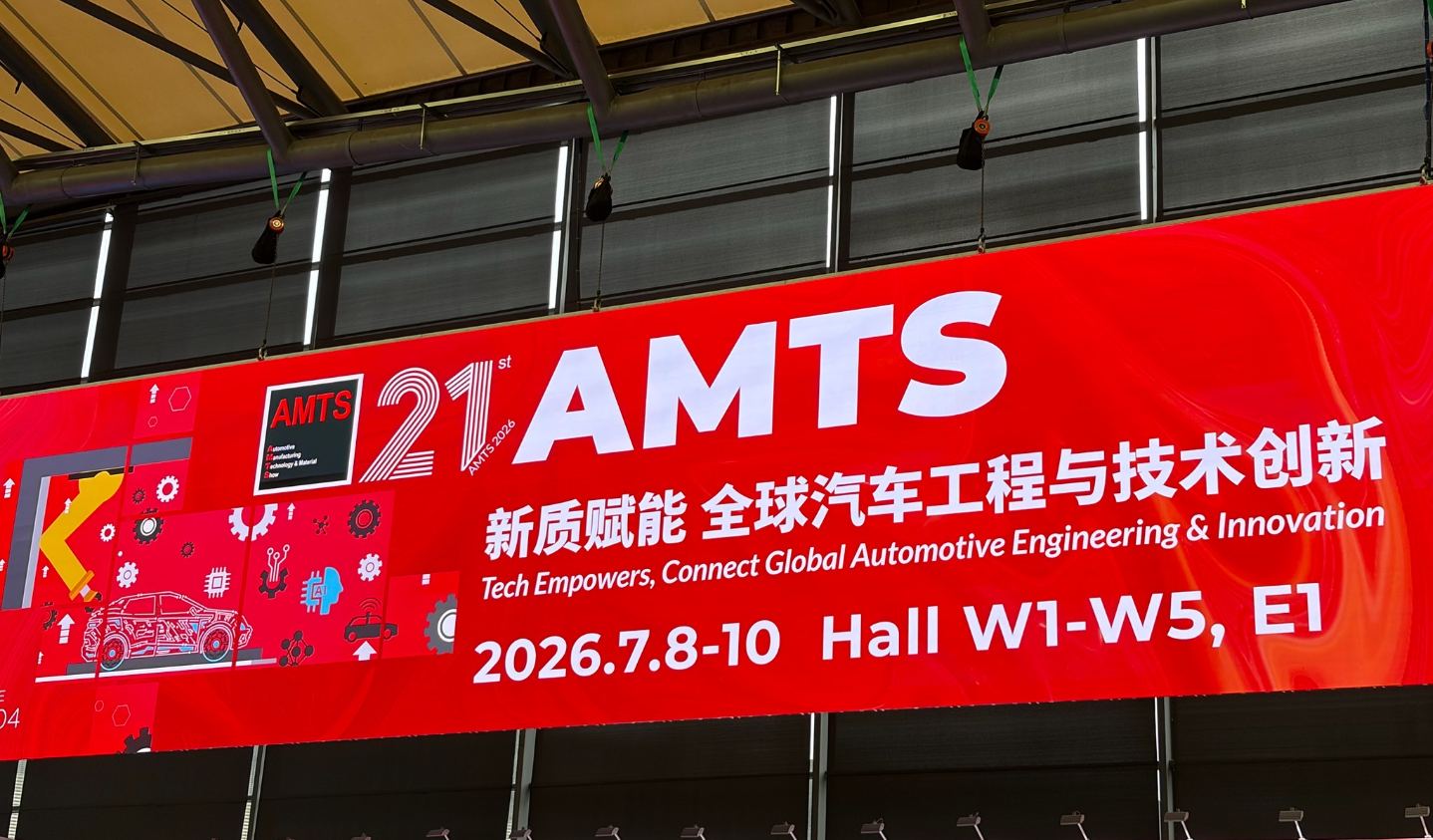
AMTS 2026 gathered automotive manufacturers, parts suppliers, system integrators, and automation experts. They met at the Shanghai New International Expo Centre. The event ran from July 8 to 10, 2026. For intralogistics teams, the exhibition showed a big change. Moving materials is now a central part of the manufacturing setup. AGVs, AMRs, and fleet software will take on bigger roles. Line-side delivery and data integration will also help shape smart automotive factories in 2027.
What Did AMTS 2026 Reveal About Automotive Intralogistics?
AMTS covers the entire automotive manufacturing process. This includes stamping, welding, painting, and final assembly. It also features component engineering, intelligent production-line logistics, and quality checks. The 2026 event placed a strong focus on AI-driven production. Software-defined factories were another key topic. Together, these ideas point to seven clear trends.
1. Will Mixed-Model Production Require More Flexible Delivery?
Automotive plants now often build different vehicle types on the same lines. Fixed conveyors are hard to adjust. This becomes an issue when stations, parts, or production speeds change.
Many factories will adopt AGVs and AMRs for flexible line-side delivery. Software allows managers to update routes and task priorities easily. This helps plants handle seats, dashboards, and battery modules. It also supports tires and sequenced parts. Facilities can do this without rebuilding their whole transport system.
2. Will Fleet Software Become as Important as the Robots?
A robot fleet cannot deliver steady results if each unit works alone. Robot control systems need to assign tasks and manage traffic. They must also balance battery levels and put urgent deliveries first.
Connecting with MES, WMS, ERP, and line-call systems is now a main buying requirement. Wesar supports this trend with its software products. These include iWMS-1000, RCS-2000, MCS, and RCS-Lite. The company also offers a full-delivery-cycle software suite.
3. Will Heavy-Duty AGVs Expand with EV Manufacturing?
Electric-vehicle production brings new transport needs. Factories must move battery packs, motor assemblies, and large fixtures. Other heavy components also need transport. These loads require smooth movement and precise docking. Strong braking and reliable equipment connections are just as important.
Heavy-duty AGVs will see wider use in automotive settings. This will happen as factories automate more processes. Wesar’s heavy-duty mobile robots can handle multi-ton loads. They are built to connect smoothly with production lines and warehouse systems.
4. Will Embodied AI Move into Practical Factory Tasks?
Embodied intelligence stood out as a major theme at AMTS 2026. For intralogistics, its real value lies in mixing mobile navigation with physical tasks.
A mobile collaborative robot brings several tools together. It combines a self-driving base, a robotic arm, vision, and force sensors. This setup helps with loading, unloading, and inspection. It is also useful for kitting and pallet handling. Wesar has shown AGV-and-robotic-arm palletizing setups. These systems use SLAM and 3D sensing technology.
5. Will Human–Robot Safety Shape Factory Layouts?
More mobile robots will operate close to workers. They will also share space with forklifts, tugger trains, and assembly stations. Because of this, managers must plan safety measures before setting up the system.
Factories will require specific speed zones and pedestrian crossings. They will also need blind-corner controls and warning signals. Easy access to emergency stops is necessary. Braking distances must match the specific load. Onboard sensors are helpful, but they need extra support. Traffic rules, worker training, and clear recovery steps are essential.
6. Will Brownfield Plants Favor Modular Automation?
Many older automotive factories cannot halt production. A complete logistics rebuild is just not possible. Deploying AGVs in a modular way offers a much better path.
A plant can start by automating one warehouse-to-line route. Managers can check the results first. After that, they can add more robots or stations. Wesar offers several platforms, including LMR, FMR, CTU, CMR, HMR, and MCR. These models handle various transport, lifting, and transfer needs.
7. Will Energy and Operational Data Influence Purchasing?
Choosing a robot is no longer just about payload and speed. Buyers now look closely at charger use and idle time. They also check empty travel and battery health. Maintenance schedules and the energy used for each task are key factors too.
Fleet dashboards help uncover traffic jams on the floor. They improve route planning and aid in preventive maintenance. Short charging breaks and smart energy dispatching are also useful. These methods keep more robots ready during busy production times.
How Did Wesar Participate in AMTS 2026?
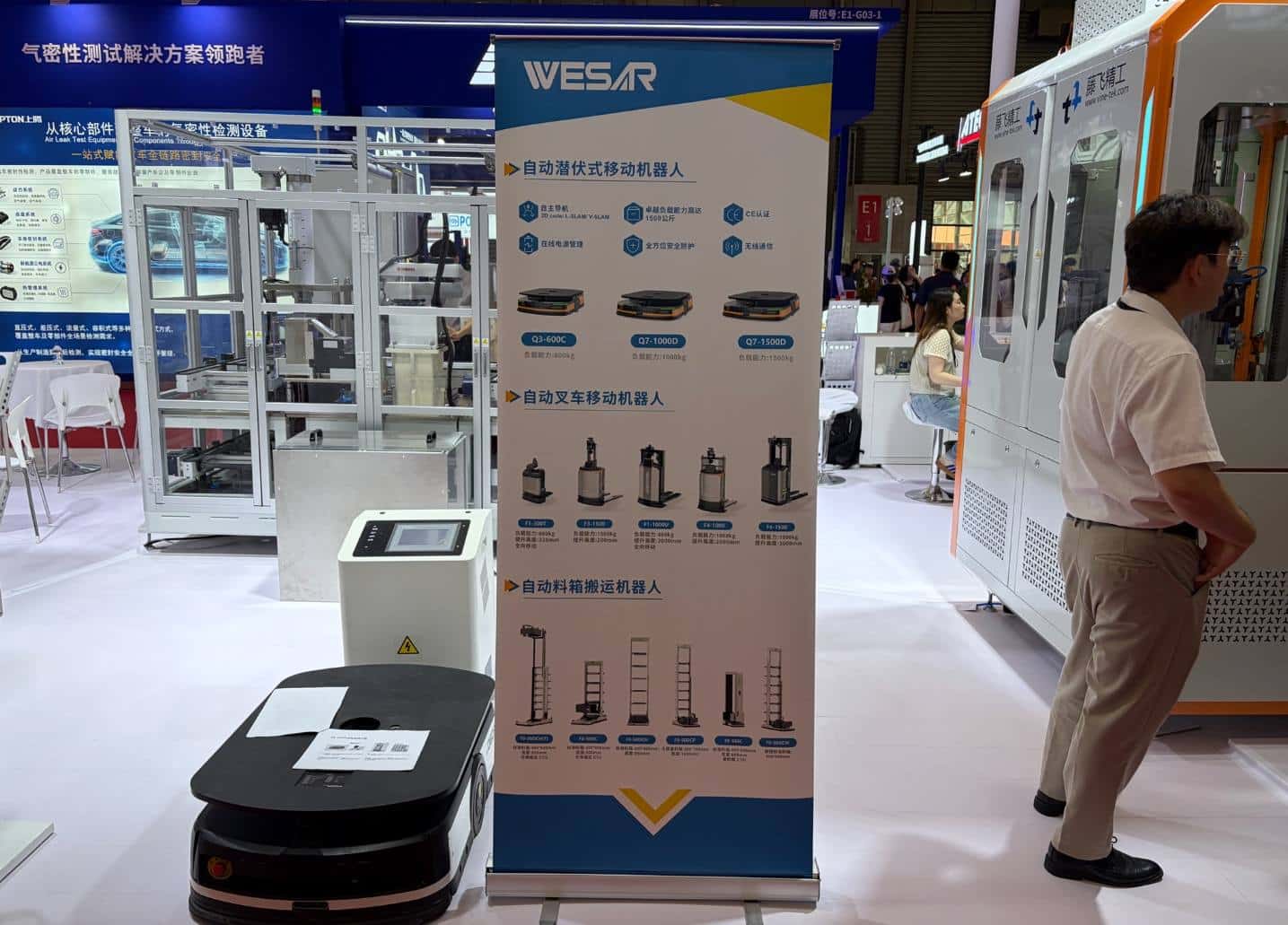
Wesar used AMTS 2026 to showcase its smart logistics skills. The company linked its solutions to the shifting demands of automotive manufacturing.
Where and When Did Visitors Find Wesar?
Wesar Intelligence Co., Ltd. set up its display at Booth D12 in Hall E1. This was located inside the Shanghai New International Expo Centre.
The team scheduled booth setup for July 6–7, 2026, from 9:00 to 22:00. The main event happened from July 8–10, from 8:00 to 17:00. After that, dismantling took place on July 10, from 16:30 to 22:00.
The show placed Wesar alongside many advanced technologies. These included automotive assembly and component manufacturing. Intelligent line logistics and digital factories were also present. Various related engineering solutions shared the floor as well.
Why Is Wesar a Reliable AGV Supplier?
Automotive intralogistics needs more than just a moving vehicle. Good projects rely heavily on application engineering. Fleet coordination and system integration are vital. Proper setup and ongoing service matter just as much.
Which Capabilities Does Wesar Offer?
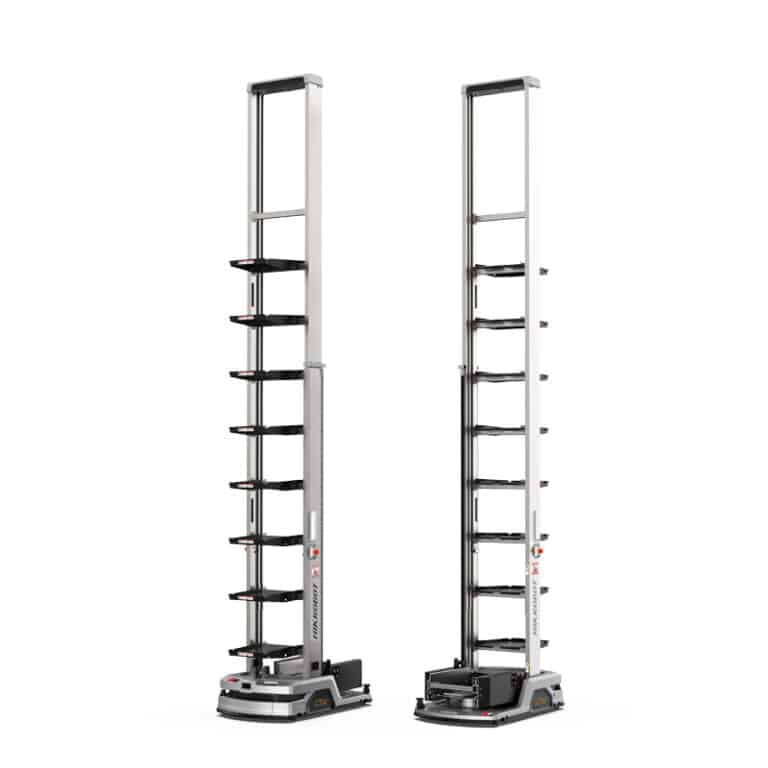
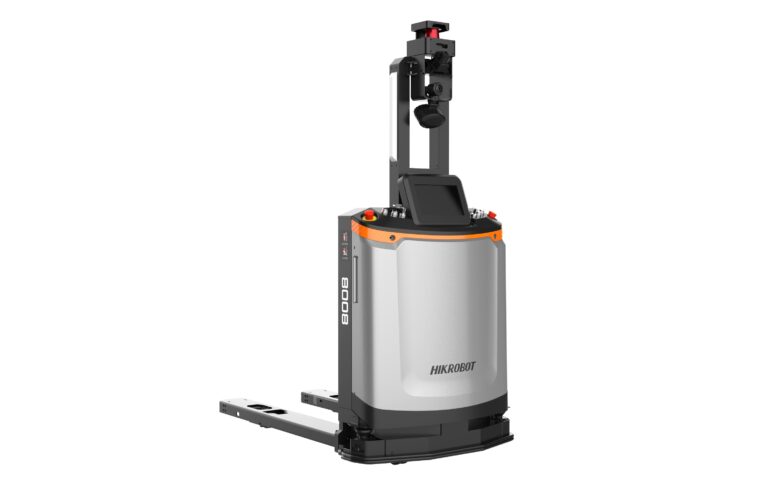
Wesar Intelligence Co., Ltd. offers a wide range of robots. The lineup includes latent, forklift, conveyor, and carton-transfer models. Heavy-duty and mobile collaborative robots are available too. The company also supplies warehouse and robot-control software. They provide custom material-flow designs and production-line automation. Full setup and technical support are part of the package.
This mix of hardware and software makes Wesar a great partner. They handle growing automotive logistics projects well. Buyers can pick the right robots for pallet transport and rack movement. Options exist for production-line delivery and conveyor docking. Heavy component handling and mobile robotic tasks are fully supported.
What Is the Conclusion for Automotive Manufacturers?
AMTS 2026 proved that automotive intralogistics is changing fast. It is getting more flexible and better connected. The field relies more on data now. It also syncs very closely with daily production.
How Should Smart Factories Prepare for 2027?
Manufacturers need to map out their current material flows. They must spot delivery risks early. Selecting one clear automation project is a smart first step. Teams should compare different robot types. Checking payload limits and aisle sizes is necessary. Planning software connections and testing workflows during busy times will ensure success.
The best projects do not just throw in more robots. They link AGVs directly with production schedules and warehouse data. Charging plans and safety rules are built into the system. Constant performance tracking keeps everything running smoothly.
Some companies start with a flexible setup. These businesses will be ready for new vehicle models. They can handle shifting production volumes easily. Expanding automation becomes simple. They will not have to redesign their logistics systems over and over.
FAQs
Which AGV Type Is Best for an Automotive Factory?
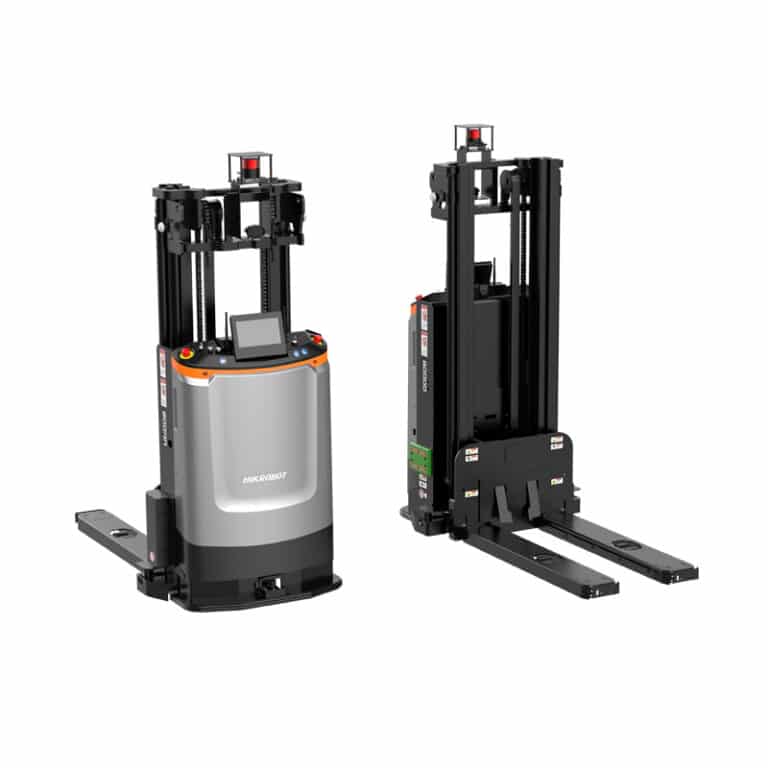
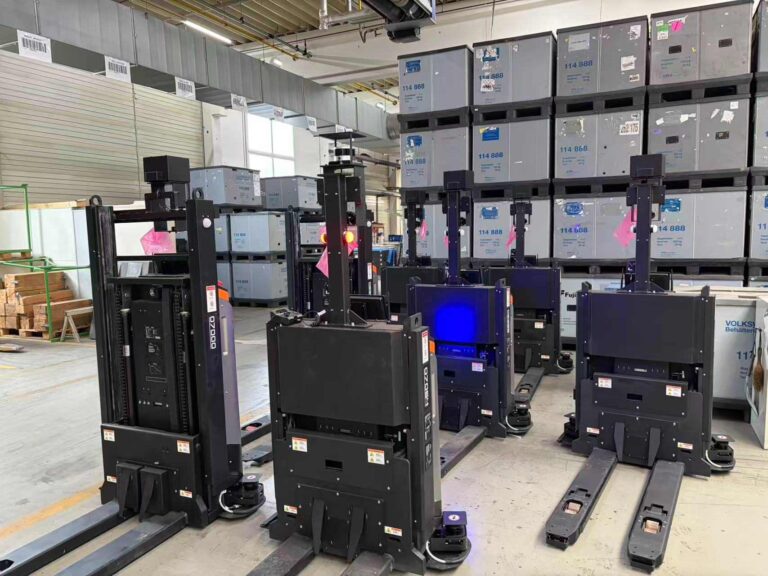
The right choice depends on the load and how it moves. LMRs work well for racks and carts. Forklift mobile robots manage pallets easily. Conveyor mobile robots link up with factory machines. Meanwhile, heavy-duty robots transport battery packs and large vehicle parts.
Can AGVs Be Added to an Existing Automotive Plant?
Yes, they certainly can. Many projects start with just one route. Managers can then expand the system in steps. A proper site survey is the first requirement. This check should look at floors, aisle widths, and traffic. Network coverage, charging spots, and machine connections need review as well.
What Should Buyers Compare After an AGV Demonstration?
Buyers must look at several factors after a demo. They should check loaded performance and docking accuracy. How the robot handles obstacles and braking is vital. Battery plans and fleet coordination need careful review. Software connections and fault recovery are important too. Finally, buyers must assess service support and the supplier’s ability to grow the system.






 English
  Russian
  Chinese
  Japanese
  Italian
  Korean
  Spanish
  Arabic
  French
  German