
Korea Mat 2026 counts among Asia’s top events centered on material handling, logistics automation, and smart manufacturing equipment. This assembly attracts specialists from many countries to explore the impact of automation on factory efficiency. Wesar’s role in Korea Mat 2026 underscores its commitment to progress in autonomous mobile robots (AMRs) and intelligent logistics devices. The effort reveals the company’s strong technical skills and proactive approaches in the automation field.

The Role of Korea Mat in the Global Logistics and Automation Industry
Korea Mat serves as a key center that connects inventors, makers, and logistics experts from all parts of the world. It encourages partnerships between technology vendors and plant managers who need improved automation gear. The event emphasizes major changes like robot integration, AI-driven logistics systems, and intelligent storage setups. These elements enable quick data exchanges and visible operational overviews. On this platform, firms can deliver precise solutions to issues such as labor shortages, rising operational costs, and needs for flexible production systems.
Additionally, the event promotes green practices in logistics operations. It supports this by endorsing energy-efficient automation technology. Korea Mat helps share knowledge among leading industry leaders. Consequently, it assists in creating global standards for automated supply chains. Such efforts benefit the entire sector by fostering better practices.
Wesar’s Strategic Objectives at the Exhibition
Wesar’s main goals at Korea Mat 2026 matched its aim to improve factory intelligence with robotics. The company aimed to present current AMR devices suited for difficult logistics conditions. In those conditions, adaptability and precision matter a lot. The presentation focused on three primary objectives. It involved creating tighter ties with worldwide distributors and integration experts. It also included demonstrating real-world applications that increase warehouse efficiency. Finally, it worked to position the company as a key player in digital transformations for logistics.
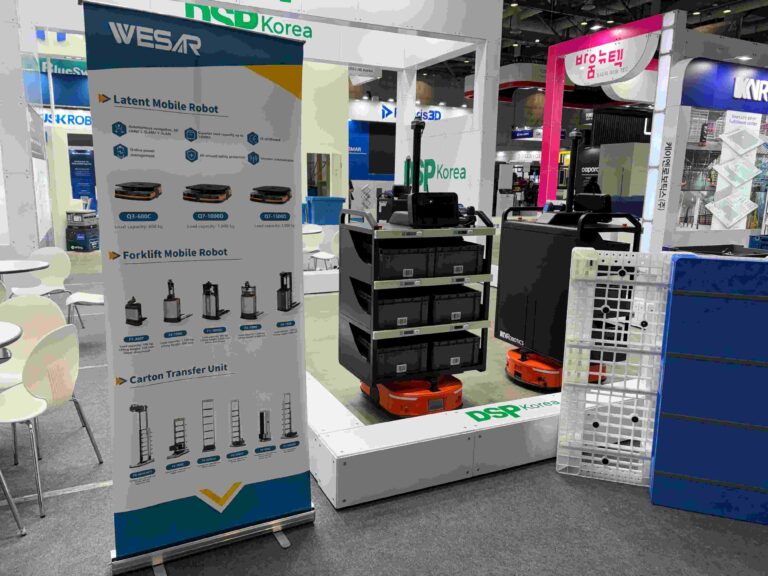
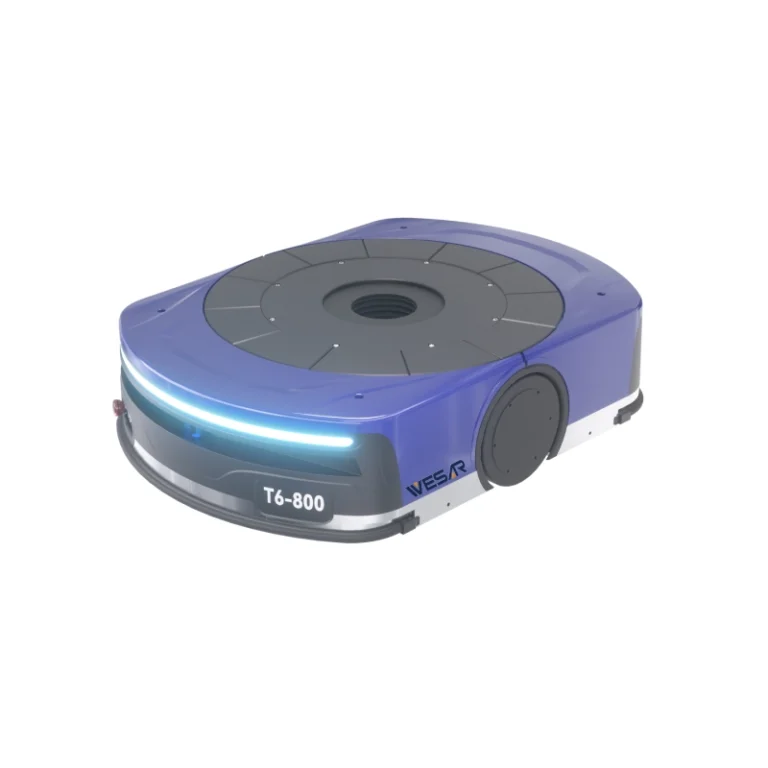
At the event, Wesar featured three essential products—潜在移动机器人, Forklift Mobile Robot, 和 Carton Transfer Unit. Each one was designed to address specific challenges in internal logistics tasks. These exhibits drew in many visitors. They wanted to test how these robots fit well into current workflows. At the same time, the robots enhance movement and flexibility. The interest showed the relevance of Wesar’s offerings.
How Did Wesar Showcase Its Autonomous Mobile Robot Technology?
At Korea Mat 2026, Wesar gave a detailed demonstration of its latest AMR systems. These systems aim to enhance internal logistics with smart navigation, fleet coordination, and AI-based decisions. The company’s booth became a busy spot. Visitors observed live activities that copied real warehouse situations.
Key Features of Wesar’s AMR Solutions Presented at the Event
Wesar’s AMRs use dependable SLAM-based navigation technology. This technology provides reliable positioning accuracy. It functions in dynamic environments where humans and robots share space. These features allow robots to pass obstacles easily. They also achieve the most effective routes. Adaptive path planning algorithms adjust paths as required. They make adjustments based on traffic volume or task urgency. As a result, they cut down on wait times and delays in warehouses.
Integration with Warehouse Management Systems (WMS) was a big attraction. Through easy data connections, Wesar’s robots receive immediate task updates. They send status reports right away. They further support planned maintenance forecasting. This aspect is crucial for continuous operation in high-activity locations. The smooth linkage improves overall system performance.
Each robot model highlighted distinct benefits:
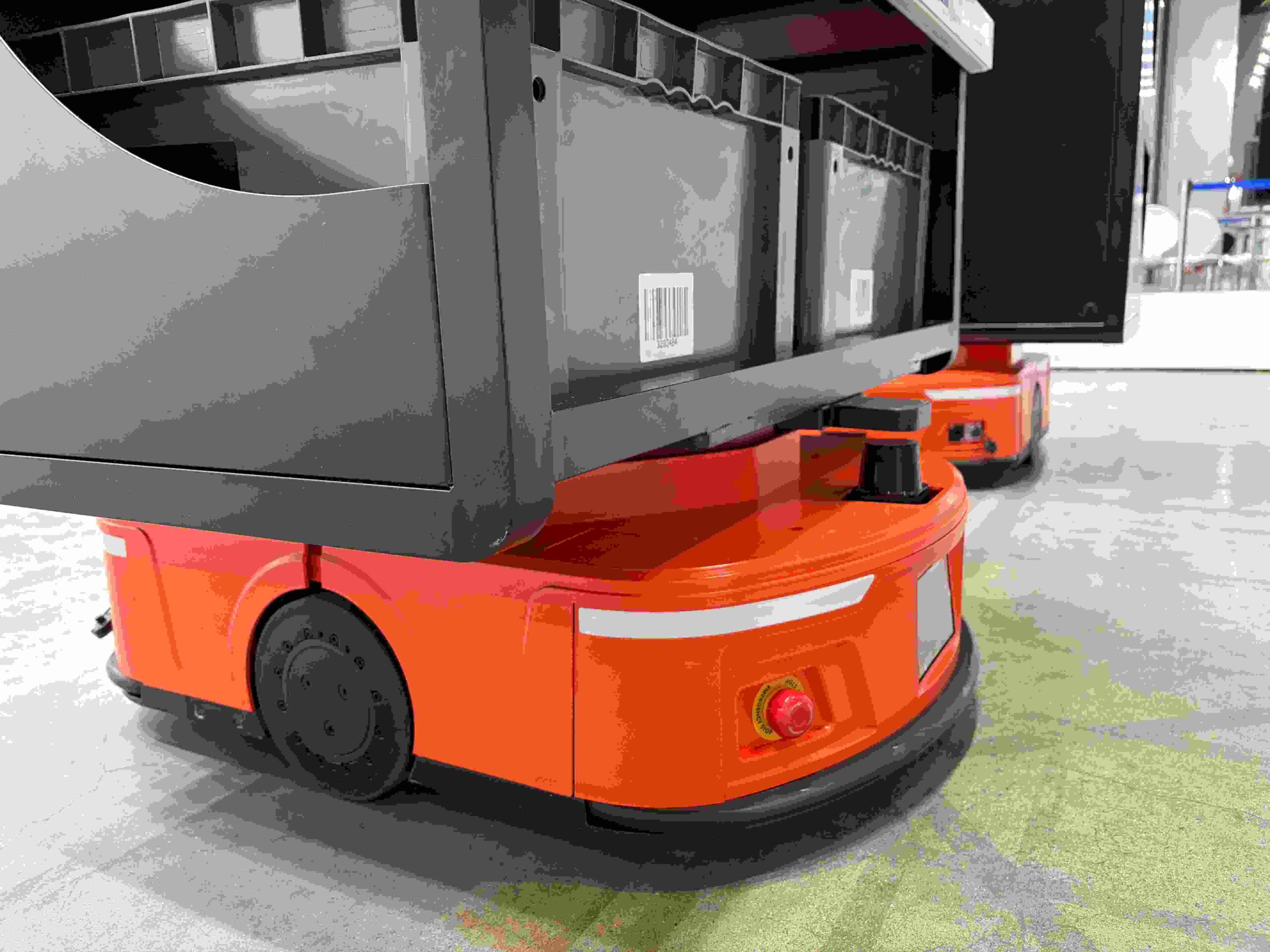
- 潜在移动机器人: Designed for flexible goods movement under shelf units or carts.
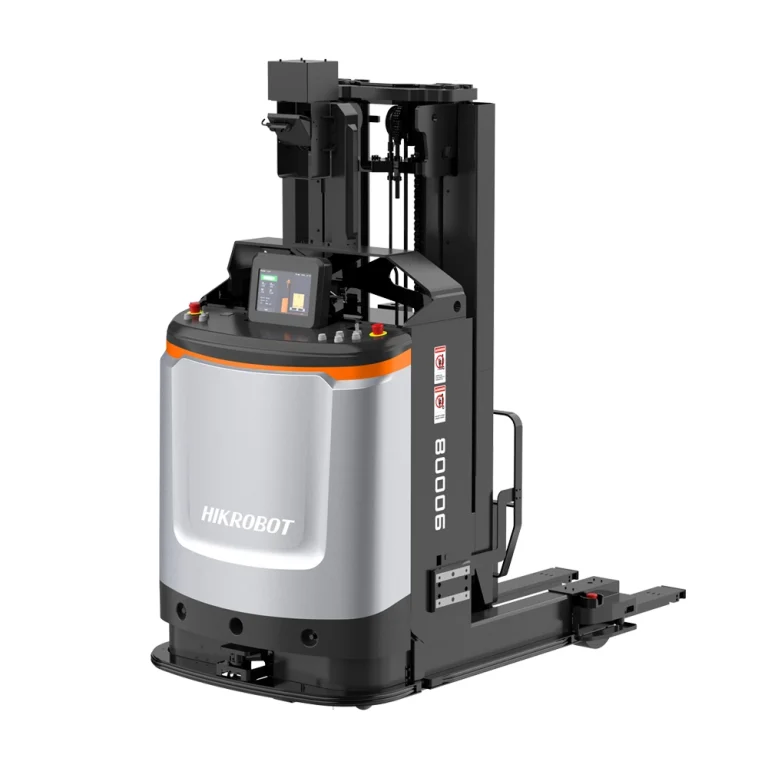
- Forklift Mobile Robot: Fitted with independent pallet handling abilities suitable for heavy-load zones.
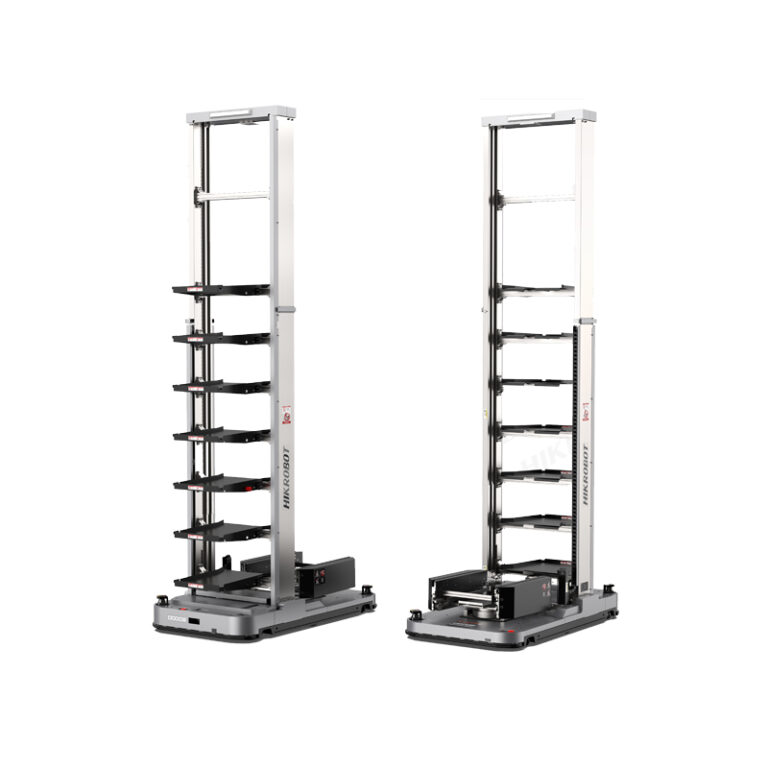
- Carton Transfer Unit: Concentrated on carton-level sorting and transfer jobs in e-commerce fulfillment centers.
These systems collectively showed Wesar’s full strategy for scalable automation structures that fit different factory needs. The range covers various operational scales.
Live Demonstrations and Technical Highlights
In the live demos, visitors watched AMRs perform automated picking, sorting, stacking, and transport tasks with notable precision. Team members provided clear explanations of how AI algorithms boost obstacle avoidance abilities. They also adjust energy usage patterns across multiple shifts. These details helped attendees understand practical benefits.
Interactive sessions enabled participants to discuss topics like system expansion and multi-robot cooperation methods. Experts illustrated how groups of Latent Mobile Robots handle tasks without supervision. They depend on cloud-based fleet monitoring software. This software distributes workloads evenly across multiple areas simultaneously. Such demonstrations sparked lively exchanges.
The Forklift Mobile Robot gained additional attention. This came from its ability to manage pallets safely without human assistance. It complies with international safety rules. Meanwhile, the Carton Transfer Unit interested logistics professionals. It offered fast sorting speeds ideal for e-commerce distribution centers handling thousands of product codes daily. The features aligned well with industry demands.
Why Is Wesar’s Participation Important for the Robotics Industry?
Wesar’s part at Korea Mat 2026 exceeds basic product shows. It reflects wider industrial shifts toward smart automation adoption in manufacturing and logistics areas around the world. As industries move to intelligent facilities, events like Korea Mat provide benchmarks. They aid in evaluating new technology’s readiness for broad application. This evaluation drives progress.
Contribution to Industry Innovation and Collaboration
Through direct technical discussions at the event, Wesar contributed significantly to information exchanges among robot producers and integrators. Its team shared insights on algorithm adjustment techniques. These techniques improve robot collaboration in crowded route environments. This subject is vital for future warehouse designs. The sharing enriched participants’ knowledge.
Collaborative discussions also paved the way for joint development projects. These projects focus on unified robotics software foundations that can combine different robot types from various suppliers. This approach fits global trends that stress interoperability in Industry 4.0 environments. It promotes a connected ecosystem.
Wesar’s visible involvement strengthened confidence among stakeholders. It relates to the reliability of autonomous systems as central components driving factory transitions to fully automated supply chains. The trust builds a solid foundation for growth.
Influence on Market Development and Future Prospects
Participating in Korea Mat 2026 boosted awareness of intelligent logistics devices in Asia-Pacific regions. In those regions, demand for AMRs grows quickly. Factors include workforce shortages and increasing e-commerce volumes. By establishing itself as a trustworthy technology partner that supports large automation initiatives, Wesar opened new avenues for strategic partnerships with international firms. These firms seek full robotic integration services. The partnerships could lead to innovative solutions.
Outcomes from the event will likely influence upcoming product development directions. They emphasize component-based design principles, enhanced safety alignment features, and improved adaptability in mixed-operation settings. These settings bring humans and robots together seamlessly. Such directions ensure future relevance.
Who Is Wesar Intelligence Co., Ltd?
Wesar Intelligence Co., Ltd operates as an innovative firm focused on autonomous mobile robots designed for industrial automation in production sites, warehouses, distribution points, and e-commerce locations. The company has deep knowledge in robotics algorithms, sensor fusion technologies, motion control systems, and fleet management software frameworks. These capabilities deliver stable performance in challenging work environments. The expertise supports diverse applications.
Its product lineup features multiple types like pallet carriers suitable for heavy-load handling, picking robots optimized for order fulfillment, towing units that assist assembly line material flows, hybrid types that incorporate several functions, plus custom solutions tailored to specific client requirements. With a firm emphasis on safety compliance linked to global standards such as ISO 3691-4:2020, Wesar ensures operational stability. It provides the flexibility essential for today’s smart factories. This focus sets it apart in the market.
What Are the Key Takeaways from Wesar’s Presence at Korea Mat 2026?
Wesar’s contribution at Korea Mat 2026 extended beyond displaying technology advances. It also confirmed its role as a pioneer for future smart factories through autonomous mobility concepts. These concepts redefine productivity levels in various sectors. The presence left a lasting impression.
Insights Gained from Industry Interactions
Feedback from industry professionals at the event highlighted increasing demands for flexible automation systems. These systems can adapt rapidly to changing production volumes or layout adjustments without major reconfiguration efforts. Group discussions started at Wesar’s booth opened new paths for cross-border collaborations. These include joint research initiatives focused on AI-directed path planning refinements. The interactions provided valuable perspectives.
Market observers at the event recognized Wesar’s AMR technology range—especially its Latent Mobile Robot—as a model solution. It represents high standards in intelligent logistics operations. This comes from its balanced blend of cost reductions, scalability, and precise performance metrics confirmed in actual implementations. The recognition validates Wesar’s strategy.
Conclusion: How Does Wesar Shape the Future of Autonomous Logistics?
Wesar’s consistent involvement in Korea Mat 2026 confirms its position at the forefront of autonomous mobile robotics. It sets fresh standards for efficiency, safety integration, and connectivity in automated logistics platforms. Through persistent innovation cycles supported by international collaboration networks and a client-oriented design perspective that values adaptability above rigidity, Wesar continues to shape emerging models. In those models, intelligent mobility forms the backbone of sustainable industrial networks globally. The influence promises ongoing advancements.
常见问题
What types of autonomous mobile robots does Wesar offer?
Wesar offers a diverse selection of AMRs. This includes pallet carriers constructed for heavy-duty item transfers, picking robots adjusted for order fulfillment stages, towing units supporting on-site logistics, hybrid types combining multiple roles, together with specialized units like Latent Mobile Robots ideal for dynamic storage layouts requiring accurate navigation skills. The selection meets varied needs.
How does Wesar ensure safety in its AMR operations?
Safety comes from multi-sensor integration that includes LiDAR scanners, stereo vision cameras, ultrasonic sensors. These work with AI-based obstacle detection algorithms. They ensure compliance with global safety regulations such as ISO standards for robotic systems in shared human spaces. The measures protect all involved.
What industries benefit most from Wesar’s AMR solutions?
Fields like automotive production lines that require just-in-time delivery alignment, electronics assembly looking for precise handling, pharmaceutical manufacturing needing clean transports, warehousing areas targeting flow improvements, e-commerce fulfillment centers managing extensive product ranges, plus food processing facilities emphasizing hygiene—all benefit substantially from deploying Wesar’s intelligent robotic systems. These systems automate internal material movements effectively. They maintain consistent quality control standards. The advantages include better efficiency and reliability.





 Chinese
  English
  Russian