
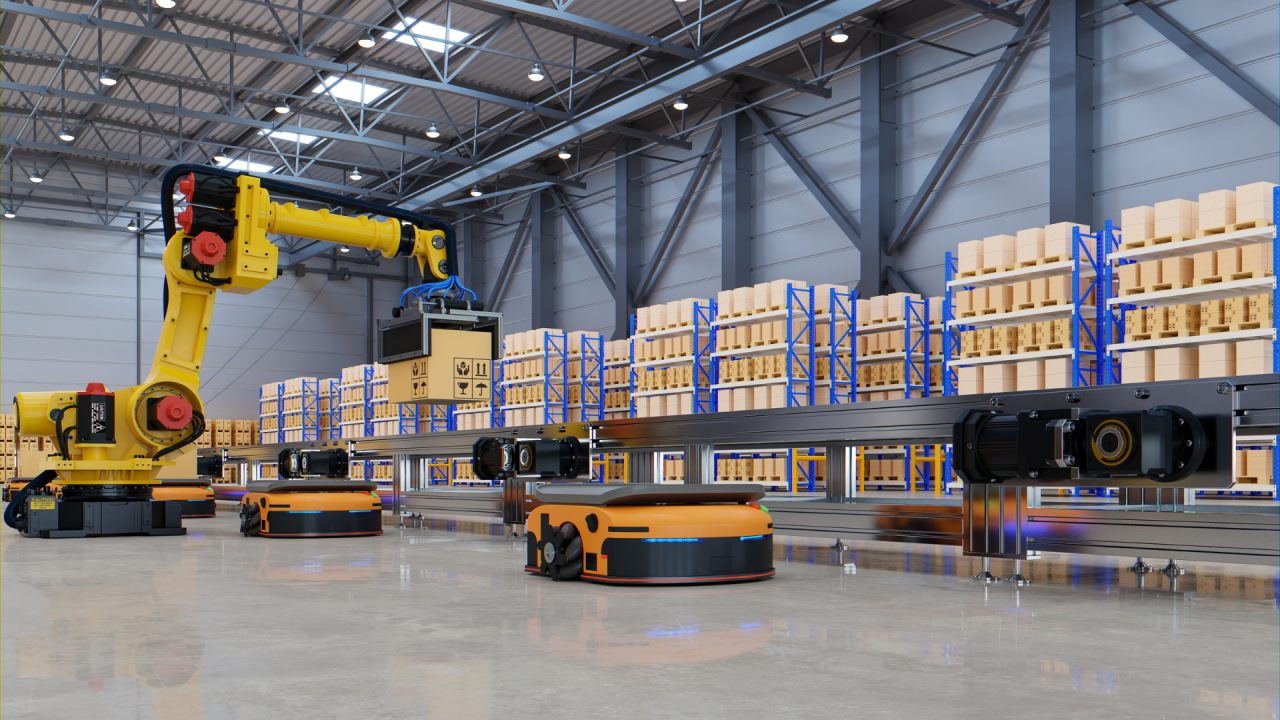
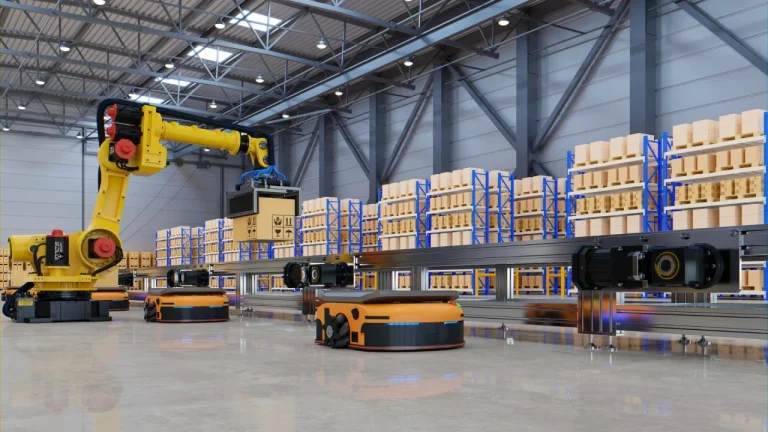
Warehouse operations today demand AGV integration with AS/RS more than ever before. Automated guided vehicles combined with automated storage and retrieval systems deliver the kind of material flow control that keeps facilities running smoothly under constant pressure from higher volumes and stricter timelines. The setup handles everything from receiving shipments to final dispatch, cutting down on wasted movement and human error while making the most of vertical space. In sectors like electronics assembly or new energy component distribution, where part variety runs high and accuracy matters critically, this combination has become standard for staying ahead. Real deployments show consistent gains in throughput and reliability, turning what used to be chaotic handoffs into predictable, data-driven sequences.
User Demand and Search Intent Analysis
Why Facilities Turn to AGV Integration with AS/RS
Space limitations and rising costs push warehouse teams toward AGV integration with AS/RS as a practical fix. Older layouts with manual forklifts and low-density racks create bottlenecks—long travel distances, frequent misplacements, and inventory drift that eat into margins. Mobile robots navigate floors efficiently, while high-bay AS/RS units stack goods vertically, often reclaiming half the footprint compared to conventional shelving. In a typical electronics distribution operation, this shift reduced storage area needs significantly and handled seasonal spikes without extra staffing. Inventory accuracy climbs above 99 percent because every move gets tracked automatically, eliminating the guesswork that manual counts introduce. The system scales naturally too; adding more vehicles to the fleet matches growing throughput without major structural changes. Labor shortages become less of an issue, and the whole setup builds resilience against supply chain swings that disrupt traditional methods.
What Drives Searches Around These Systems
Most queries about AGV integration with AS/RS come from people troubleshooting real operational headaches. Coordinators want to know exactly how the setup streamlines inbound receiving or speeds up outbound loading. Phrases like “AGV enhances AS/RS inbound workflow” reflect the search for ways to cut dock-to-storage time. Picking-related questions—”benefits of AGV in warehouse picking”—focus on shifting from person-to-goods to goods-to-person models that reduce fatigue and mistakes. Software questions appear frequently too, with terms such as “software for AGV and AS/RS integration” pointing to the need for reliable coordination between robots and cranes. Searchers look for cause analysis behind slow cycles, concrete solutions to deploy, preventive steps against downtime, and clear criteria for choosing hardware and platforms. In practice, that means weighing site-specific factors—aisle dimensions, load profiles, product mix—before committing, rather than forcing a generic template onto the operation.
Core Application Scenarios for AGV and AS/RS
Inbound and Outbound Process Details
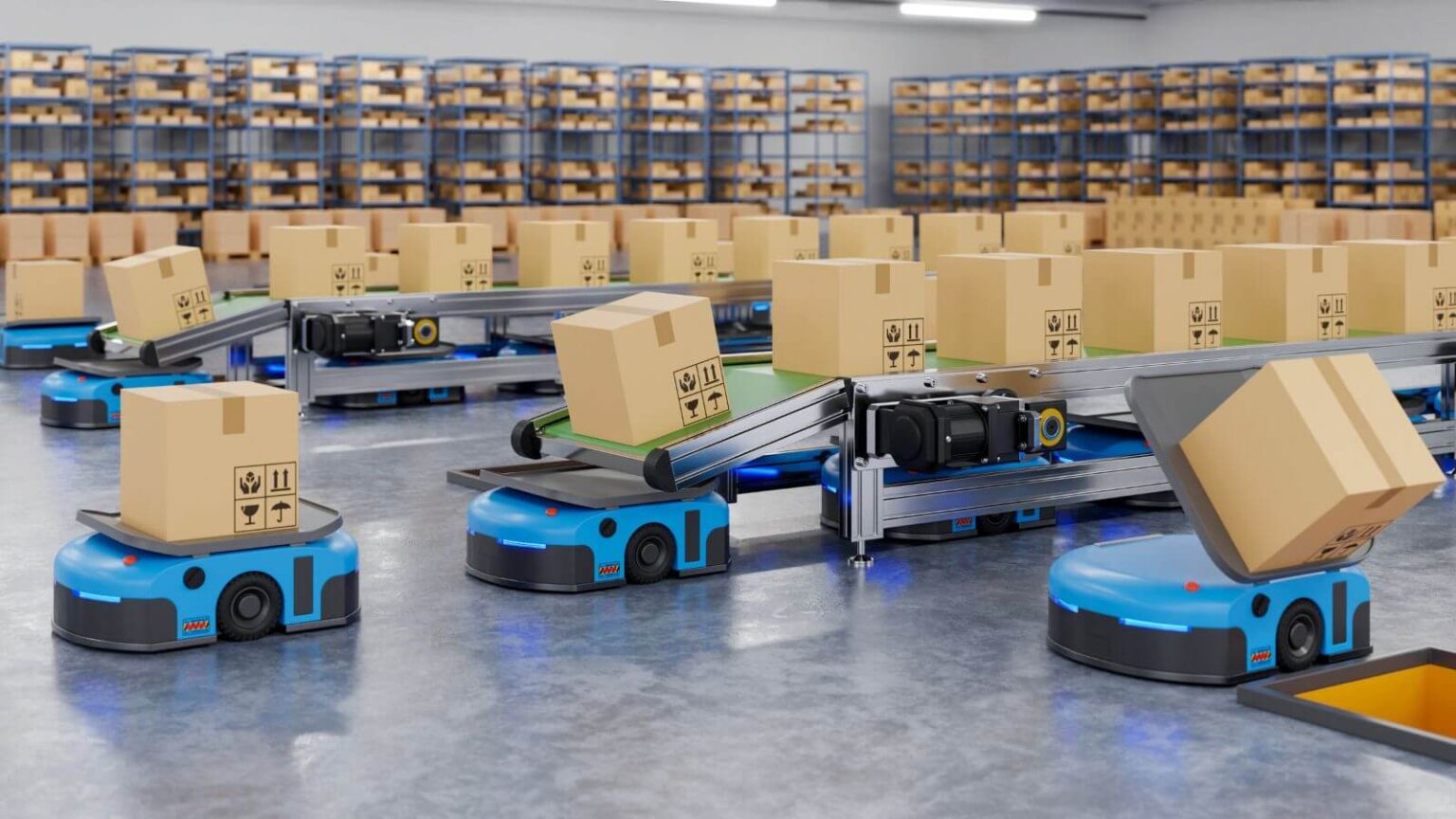
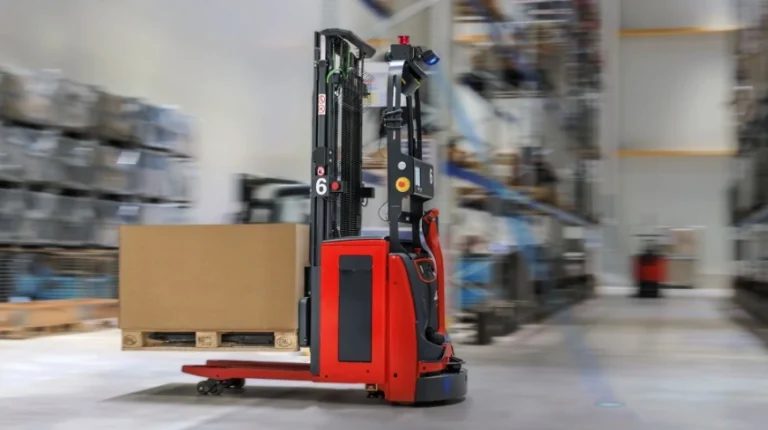
Inbound starts the chain, and AGV integration with AS/RS turns dock activity into an orderly sequence. Incoming pallets or cartons get scanned on arrival, then AGVs—forklift models for heavy loads or latent types for lighter carts—carry them straight to the AS/RS entry point. Cranes lift and place items in precise locations within the racks, updating the system instantly. This cuts handling steps sharply; damage rates drop noticeably in mechanical parts warehouses where heavy components used to require multiple touches. Outbound reverses the flow cleanly: software triggers retrieval based on orders, sending vehicles to pull the right bins or pallets from storage. In renewable energy material handling, this method managed fluctuating order sizes effectively, dropping fulfillment from hours down to minutes during busy periods. Route planning keeps traffic flowing without jams, and buffer areas absorb temporary surges. The end result is a closed loop where inbound replenishment anticipates outbound needs, creating a responsive system that adjusts on the fly.
Picking Operation Improvements
Picking eats up time in most warehouses, but AGV integration with AS/RS flips the model to goods-to-person, where efficiency gains add up quickly. Robots retrieve storage units from AS/RS and deliver them to fixed stations, so operators stay put and concentrate on selection rather than walking aisles. Electronics facilities with thousands of small SKUs see the biggest lift—travel distance falls dramatically, often by 70 percent or more, leading to faster cycles and far fewer pick errors. Vision-equipped vehicles double-check items en route, adding quality assurance without slowing the pace. Carton transfer units shine in wave picking scenarios, moving batches smoothly to support high-mix orders. Safety improves too, since heavy or awkward loads stay with the machines. The approach tackles root causes of delays like scattered inventory by keeping fast-movers accessible in the dense AS/RS structure, delivering picking performance that manual setups rarely reach.
Software Coordination in Practice
Software ties AGV integration with AS/RS together, acting as the control layer that keeps everything synchronized. Central platforms assign tasks, monitor positions, and adjust paths in real time. Inbound shipments feed data that directs vehicles and cranes automatically, while inventory stays current without manual entry. During picking, demand forecasting positions high-turnover items closer to dispatch zones, trimming retrieval waits. Outbound gets dynamic routing that clears congestion before it builds. In chemical storage applications, the software enforces safety rules by routing sensitive materials separately and integrating environmental sensors. Interfaces give operators visibility and override options when exceptions arise. Simulation tools help plan ahead, spotting potential conflicts early. The focus stays on practical outcomes—fewer synchronization hiccups, better metrics for tuning, and a setup that responds reliably to daily variations.
Actionable Solutions and Implementation Guidelines
Deployment Steps That Work
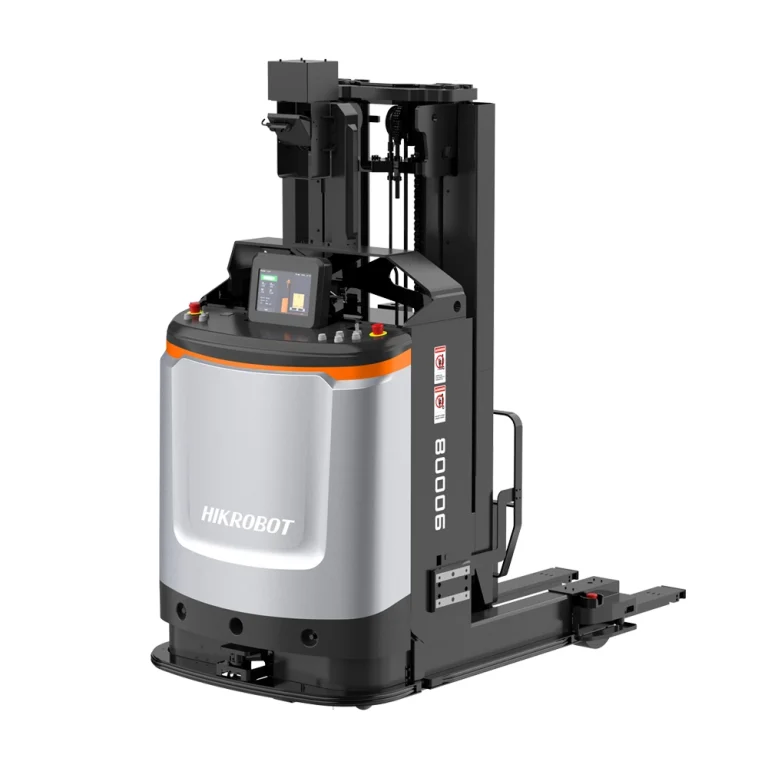
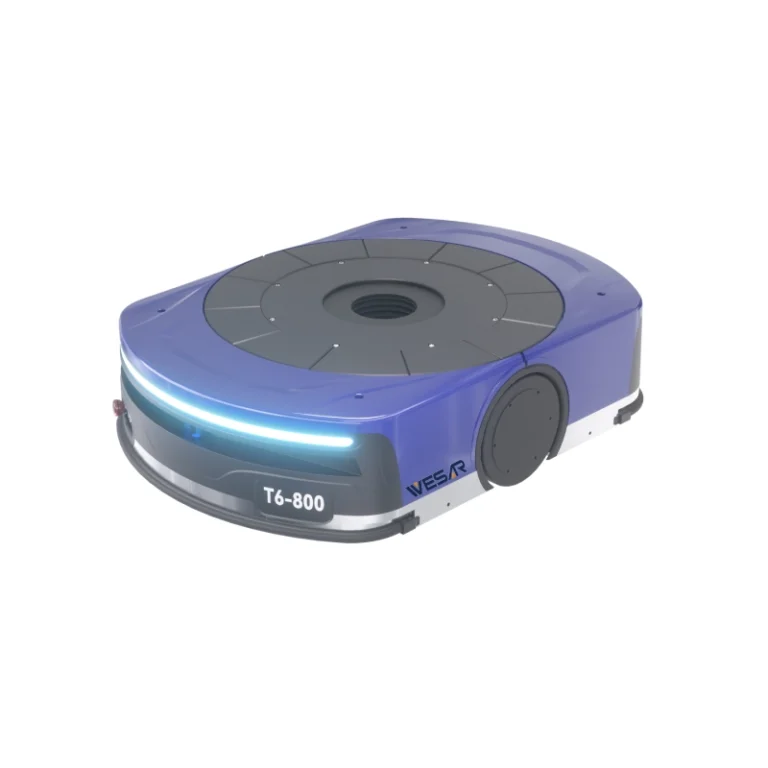
Successful AGV integration with AS/RS starts with a detailed site survey—measuring clearances, mapping obstacles, and assessing load requirements. Hardware choices follow: forklift mobile robots for pallet work, latent models for under-rack transport, paired with AS/RS cranes sized for the required heights and speeds. Software setup connects everything to existing management systems, configuring task logic and communication protocols. Testing begins small—limited zones with controlled volumes—to fine-tune navigation and error recovery. A new energy warehouse rollout used this phased approach, starting with inbound trials before expanding. Budget planning balances upfront investment against ongoing savings, and staged additions allow adjustments based on real performance. Redundancy features like backup power help avoid interruptions. Key metrics—cycle times, accuracy rates—guide refinements, turning the project into a controlled progression rather than a big-bang risk.
Handling Typical Issues
Integration projects run into predictable challenges, from initial alignment problems to floor condition variations. Synchronization delays get resolved through diagnostic tools that recalibrate timing between robots and cranes. Uneven surfaces call for sensor enhancements on vehicles to maintain path accuracy. Order surges during outbound can strain capacity, but AS/RS buffers and predictive scheduling keep things moving. Picking mismatches disappear with added identification tech—barcodes or RFID—that verifies every handoff. Maintenance routines and staff familiarization prevent drift over time. Root-cause reviews, like checking initial layout data, inform fixes that strengthen the system long-term. The goal remains a dependable operation where technology supports the workflow instead of creating new friction points.
Measured Gains and Field Examples
Results from AGV integration with AS/RS show up clearly in the numbers. Labor requirements often drop by 40 percent or higher as machines take over repetitive transports. Inventory turns accelerate because precise storage and quick access keep stock fresh. A precision components distribution center saw order fulfillment speed rise by about 35 percent after implementation, thanks to optimized sequences. Energy use falls too, since electric vehicles replace constant engine operation. Automotive parts operations reduced outbound discrepancies by a quarter through continuous tracking. New energy sites scaled during demand peaks without proportional headcount increases. These improvements come from thoughtful execution, where analytics drive ongoing tweaks. Payback periods typically land in the two-to-three-year range at moderate volumes, giving decision-makers solid grounds for moving forward.
Introduction to Wesar Intelligence Co., Ltd.
威萨智能股份有限公司有限公司。 delivers comprehensive intelligent factory solutions with a strong emphasis on smart warehousing. Operating from a 5,000-square-meter production base and supported by a team of more than 100 professionals—including technical specialists—the company provides end-to-end capabilities across consulting, software development, equipment manufacturing, project delivery, and ongoing support. Nearly two decades of experience inform tailored systems for industries such as electronics, machinery, automotive, and new energy. Offerings center on autonomous mobile robots—including latent mobile robots for flexible transport, forklift mobile robots for pallet handling, and carton transfer units for box movement—combined with automated storage and retrieval systems featuring dense shelving and conveyors. Software platforms, such as the intelligent warehouse management system and robot control system, enable full-cycle coordination from material intake to dispatch, delivering high picking accuracy, elevated throughput, and reduced lead times through customized, green logistics solutions.
结论
AGV integration with AS/RS provides a solid foundation for modern warehouse performance, tackling inbound, outbound, picking, and coordination challenges with proven results. Detailed application knowledge and structured implementation turn potential into consistent gains. As operational demands continue to rise, systems like these offer the adaptability and precision required to maintain a competitive edge.
常见问题
How does AGV integration with AS/RS improve inbound warehouse processes?
AGV integration with AS/RS streamlines inbound by automating receipt verification, transport to storage, and precise placement in racks. Vehicles handle movement while software updates inventory in real time, cutting handling touches and reducing errors in high-volume receiving areas.
What are the benefits of using software in AGV and AS/RS picking operations?
Software in AGV and AS/RS picking operations coordinates retrieval, optimizes routes, and predicts demand to position items efficiently. It drives accuracy above 99 percent, shortens picker travel, and supports handling of varied SKUs in busy distribution environments.
How can AGV coordination with AS/RS prevent outbound delays?
AGV coordination with AS/RS prevents outbound delays through priority-based retrieval and dynamic path planning that avoids congestion. Software monitors flows and adjusts in real time, ensuring steady delivery to shipping zones even during demand spikes.
What factors should be considered for successful AGV integration with AS/RS software?
Successful AGV integration with AS/RS software depends on matching platforms to site layout, load types, and existing systems. Scalable tools with real-time data and predictive features minimize risks and support sustained efficiency improvements.
How does AGV and AS/RS integration affect overall warehouse throughput?
AGV and AS/RS integration increases overall warehouse throughput by automating material flows across all stages, often raising rates by 30 percent or higher. Reduced idle time and adaptive scheduling maintain performance without requiring proportional increases in labor.





 Chinese
  English
  Russian