
Why Conveyor Systems Are Being Re-evaluated on the Factory Floor
For many manufacturing and logistics operations, conveyor systems have long been treated as fixed infrastructure. Once installed, they define material flow, production rhythm, and even how workstations are arranged. For years, that model made sense. Production volumes were stable, product variants were limited, and layout changes were infrequent enough to justify the investment.
Today, those assumptions no longer hold in many facilities.
Shorter product life cycles, customized orders, and frequent line reconfiguration have changed how material flow needs to behave. In electronics manufacturing, automotive components, and general industrial assembly, material routes that were “good enough” a few years ago are now becoming constraints. Fixed conveyors still move products efficiently, but only as long as the process around them stays unchanged.
This is where the comparison between traditional conveyor systems and conveyor mobile robots becomes meaningful. Not as a question of which technology is newer, but as a question of which one aligns better with how modern factories actually operate.
Traditional Conveyor Systems: Efficient, Predictable, and Rigid
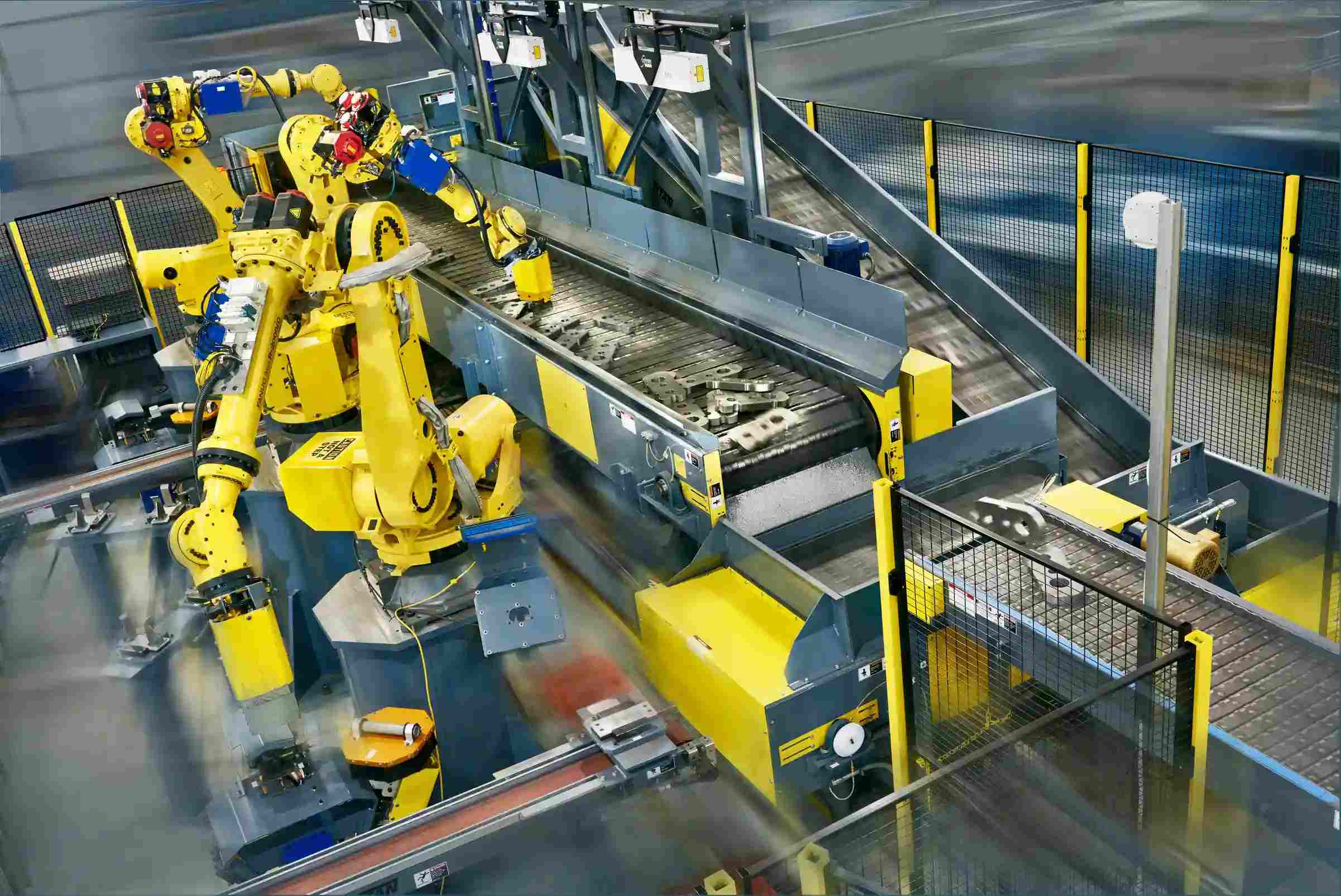
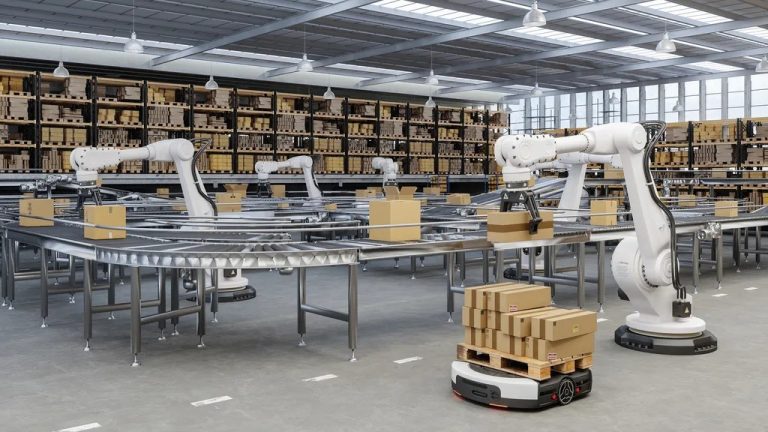
Traditional conveyor systems are designed around continuity. Once installed, they create a permanent path for materials, connecting workstations, storage areas, and packaging zones. In high-volume, repeatable production environments, this approach remains highly effective.
From an engineering standpoint, fixed conveyors offer several clear advantages. They support continuous flow, handle heavy loads reliably, and integrate well with automated equipment. In facilities where product types rarely change and takt time is stable, conveyors still represent a cost-effective solution.
The challenge appears when flexibility becomes a requirement rather than a bonus.
Layout changes are expensive. Adding or removing a workstation often means mechanical modification, downtime, and sometimes a complete redesign of the conveyor route. In mixed-model production, fixed conveyors can also create bottlenecks, especially when different products require different process sequences.
Over time, what was once an efficiency tool can turn into a limitation. The conveyor is still running, but the operation around it has outgrown the logic it was designed for.
Conveyor Mobile Robots: Designed for Variable Material Flow
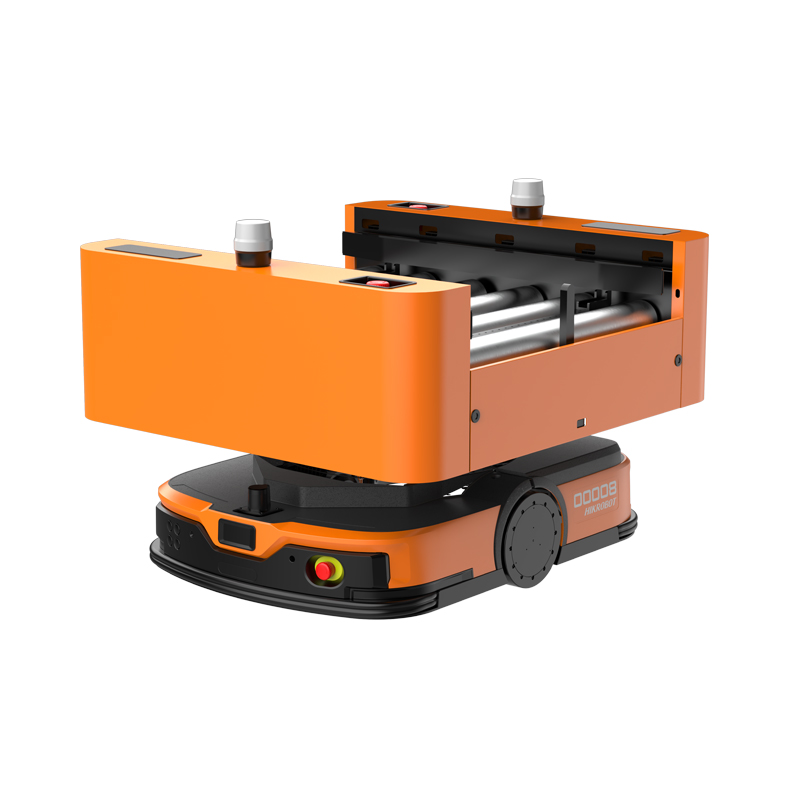
A. conveyor mobile robot combines autonomous navigation with an integrated conveyor platform. Instead of forcing materials to follow a fixed path, the robot brings the conveyor to where it is needed. This seemingly small shift changes how material flow can be planned.
In practice, a conveyor mobile robot can dock with production lines, workstations, or buffer zones, transfer materials automatically, and then move on to the next task. Routes are defined by software, not steel structures. When production requirements change, material flow can be adjusted without relocating physical equipment.
This mobility is particularly valuable in environments where lines are reconfigured frequently, or where multiple lines share resources. Rather than building redundant conveyor infrastructure, a fleet of conveyor mobile robots can serve different areas as demand shifts throughout the day.
The key difference is not speed or payload alone, but adaptability.
When Fixed Conveyors Start to Become a Bottleneck
In many factories, the need for mobility becomes obvious only after problems appear.
A common scenario is line balancing. A production line may be designed for one product mix, but as orders change, certain stations become overloaded while others sit idle. Fixed conveyors continue feeding material at a constant rate, even when downstream capacity fluctuates.
Another issue arises during product changeovers. In electronics or automotive component manufacturing, switching between models often requires changing material presentation. Fixed conveyors make these transitions slow, because they are optimized for a single flow pattern.
Maintenance is another factor. When a section of a fixed conveyor fails, everything upstream is affected. Even a small mechanical issue can stop a large portion of the line.
These situations do not mean traditional conveyors are poorly designed. They simply reflect that the operating environment has changed faster than the infrastructure.
Where Conveyor Mobile Robots Offer a Clear Advantage
Conveyor mobile robots are not meant to replace every conveyor. Their value becomes clear in specific situations.
In factories with frequent layout changes, mobile conveyors reduce the need for mechanical rework. A workstation can be moved, added, or removed with minimal impact on material flow.
In mixed-model production, conveyor mobile robots allow materials to be delivered dynamically based on actual demand. Instead of pushing everything through the same fixed path, the system can prioritize certain jobs and reroute material in real time.
They are also effective in buffer management. Rather than building long conveyor loops to absorb variability, mobile robots can act as moving buffers, delivering materials when and where they are needed.
From an operational perspective, this reduces idle inventory, shortens response time, and makes the system more tolerant of change.
Docking, Alignment, and Real-World Engineering Considerations
One of the most overlooked aspects in conveyor mobile robot projects is docking accuracy. For automatic material transfer to work reliably, the robot must align precisely with fixed equipment. This includes height matching, roller alignment, and consistent positioning over repeated cycles.
In real deployments, floor conditions, load variation, and mechanical wear all affect docking performance. A conveyor mobile robot designed for industrial use must account for these factors through robust mechanical design, accurate navigation, and reliable control logic.
This is where engineering experience matters. Systems that look similar on paper can perform very differently on the shop floor, especially after months of continuous operation.
Integration with Manufacturing and Logistics Systems
Modern factories rarely operate equipment in isolation. Conveyor mobile robots are typically integrated with manufacturing execution systems, warehouse management systems, or higher-level logistics platforms.
This integration allows material movement to respond directly to production status rather than fixed schedules. If a workstation finishes earlier than expected, materials can be redirected. If a line is temporarily down, deliveries can be paused without physical intervention.
Compared with traditional conveyors, which require physical changes to alter flow, mobile systems rely on software adjustments. That difference significantly reduces response time in daily operations.
Industry Applications Where Mobility Makes the Difference
In 3C and electronics manufacturing, frequent product updates and short life cycles make fixed layouts difficult to maintain. Conveyor mobile robots support rapid changeover without repeated mechanical investment.
In automotive and general manufacturing, where parts vary in size and production volume fluctuates, mobile conveyors help balance lines and reduce work-in-process inventory.
In warehousing and line-side logistics, conveyor mobile robots can bridge the gap between storage and production, especially when space constraints make fixed conveyors impractical.
These applications share a common theme: material flow needs to adapt continuously, not occasionally.
About Wesar Intelligence Co., Ltd.
威萨智能股份有限公司有限公司。 is an intelligent factory solutions provider focused on green logistics robots and integrated automation systems. The company offers end-to-end services covering consulting, system design, software development, equipment manufacturing, on-site implementation, and after-sales support.
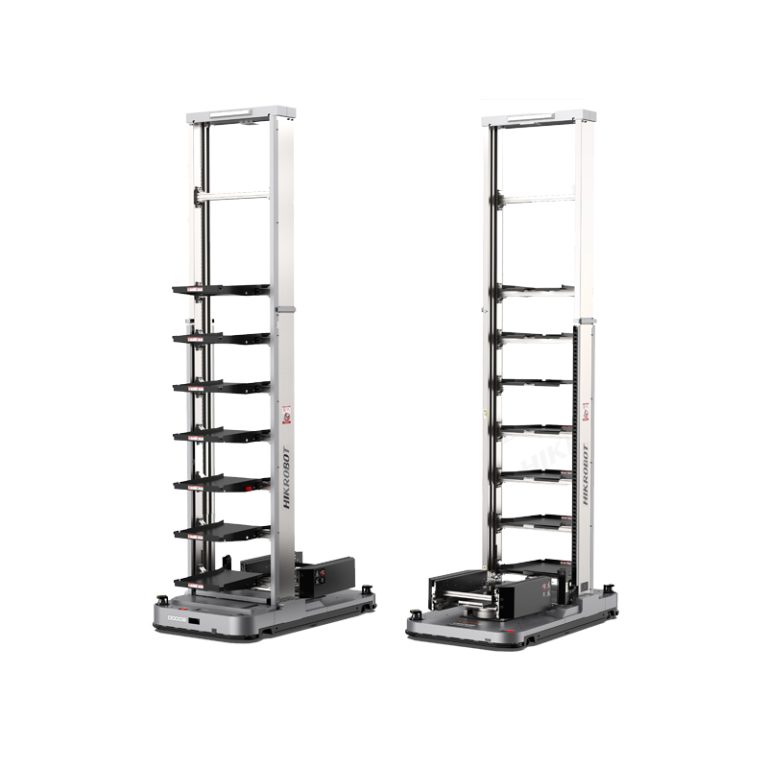
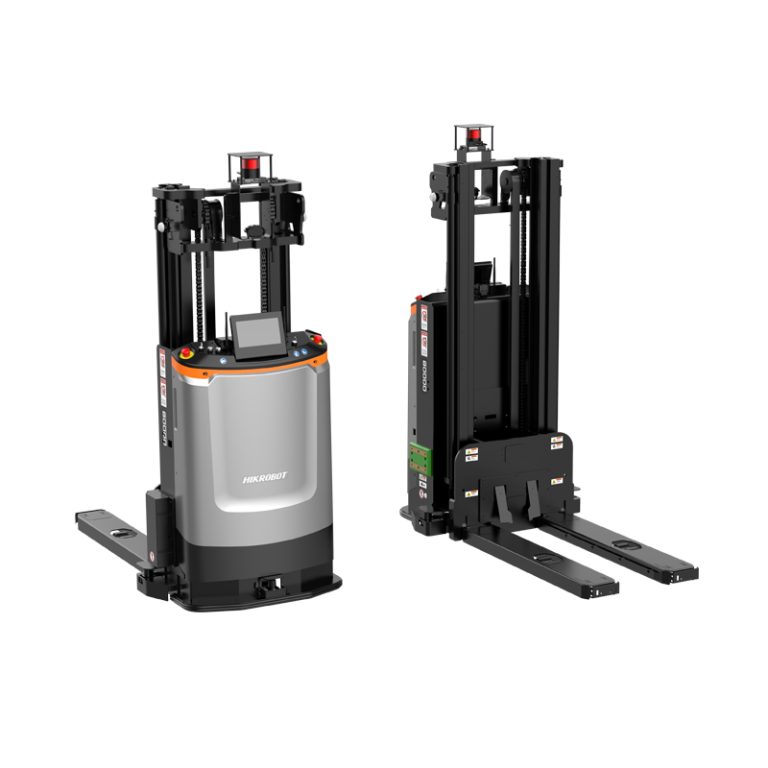
With a product portfolio that includes autonomous mobile robots, conveyor mobile robots, and intelligent logistics equipment, Wesar supports manufacturers across multiple industries in building flexible and scalable material flow solutions. Its engineering teams work closely with customers to address real operational challenges rather than delivering one-size-fits-all systems.
结论
The choice between a traditional conveyor system and a conveyor mobile robot is not about replacing one technology with another. It is about matching the material handling approach to how production actually runs.
Fixed conveyors remain effective in stable, high-volume environments. Conveyor mobile robots, on the other hand, provide a practical answer to variability, frequent change, and the growing need for flexibility. As manufacturing continues to shift toward smaller batches and faster response, mobility is no longer a luxury. In many cases, it is the difference between a system that merely runs and one that keeps up.
常见问题
What is the main difference between a conveyor mobile robot and a traditional conveyor system?
A traditional conveyor system relies on fixed mechanical paths, while a conveyor mobile robot uses autonomous movement combined with onboard conveyors to adapt material flow dynamically.
Are conveyor mobile robots suitable for high-volume production?
They are best suited for environments with variable demand or frequent layout changes. In stable, high-volume lines, traditional conveyors may still be more efficient.
How do conveyor mobile robots handle docking with fixed equipment?
Industrial conveyor mobile robots are designed with precise positioning, height adjustment, and alignment control to enable reliable automatic material transfer.
Can conveyor mobile robots work alongside existing conveyors?
Yes. In many projects, conveyor mobile robots complement existing conveyor systems, adding flexibility without replacing all fixed infrastructure.
What industries benefit most from conveyor mobile robots?
Electronics manufacturing, automotive production, general manufacturing, and line-side logistics operations benefit most from the flexibility and scalability of conveyor mobile robots.






 Chinese
  English
  Russian