消息

Behind the Project Key Considerations When Deploying AGV Forklifts in Existing Factories

目录

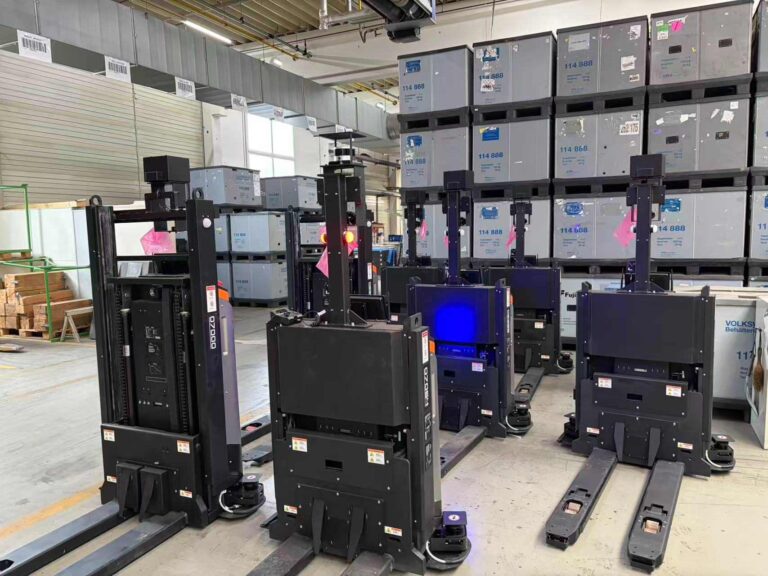
Putting AGV forklifts into an older factory takes more work than setting up a brand-new building. Older floor plans and mixed traffic cause challenges. Different pallet sizes, outdated software, and non-stop production also impact system reliability. Therefore, a good project starts with a close look at the site. It also needs a practical plan for moving materials. You cannot just pick an AGV model and expect success.


Behind the Project Key Considerations When Deploying AGV Forklifts in Existing Factories

What Physical Site Conditions Must Be Checked?

Engineers need to look at the entire work area first. They must do this before finalizing the travel routes and vehicle details. Human drivers easily steer around tiny floor flaws. However, those same small issues can hurt AGV accuracy. They might also lower safety and machine uptime.

Floor Conditions

The floor has to hold the weight of the vehicle and its heaviest load. Cracks and bumpy joints create problems. Slopes, drains, dust, and oil spills also cause trouble. These issues can mess with tire grip, braking, and sensor readings. They even make the loaded pallets unstable. The setup team must check the floor flatness. They should also measure the slopes on every planned path. Any bad spots need repairs before the system starts running.

Aisle Width and Turning Space

Planners must measure the AGV body and the fork length. They also need to check pallet sizes, turning circles, and rack spaces. Extra room for safety is always required. Building columns, doors, and fire extinguishers often get in the way. Temporary storage piles and rack guards can also block the path. The tightest spot on the route usually decides if the plan will work. Because of this, the team should test narrow pickup areas directly on the factory floor.

Are Pallets and Loads Suitable for Automated Handling?

AGV forklifts require consistent load shapes. Human workers can easily adjust for a poorly placed or broken pallet. Automated machines cannot fix those problems on their own.

Pallet Standardization

Factory managers should set clear rules for pallet sizes. They must define the right fork-pocket spaces and bottom-board styles. They also need strict limits for pallet damage. Workers must remove broken boards and loose nails from the system. Warped pallets and blocked fork openings also cause jams. Sometimes, a plant truly needs multiple pallet styles. In that case, the vehicle and its software must handle every type without failing.

Load Stability and Positioning

The products must not hang over the edges of the pallet. Every load needs to stay under the limits for weight and height. Proper plastic wrapping and a balanced center of gravity are also vital. Pickup spots might require extra metal guides or sensors. Mechanical stops also help keep pallets in the exact same spot every time. This is especially true near moving conveyors and manual drop-off zones.

How Should Safety Zones and Mixed Traffic Be Designed?

Onboard vehicle sensors only provide part of the safety solution. The overall factory layout plays a huge role. The design must manage how AGVs interact with walking workers. It also needs to handle manual forklifts, automatic doors, and active machines. Clear paths for emergency escapes are just as important.

Traffic Separation

Factories should keep AGV routes away from walking paths whenever possible. They should also separate robots from manual forklift lanes. Busy crossings often need physical barriers or flashing warning lights. Painted floor lines, gates, and traffic signals help control the flow. Blind corners and tight spaces require much slower driving speeds. These risky areas also need extra sensors to spot movement.

Emergency and Operating Rules

The plant needs clear rules for hitting emergency stops. Managers must define safe braking distances and clear escape routes. They also need steps for clearing blocked paths and picking up dropped goods. Restarting the system requires a set process too. Everyone in the building needs proper training. This includes daily operators, shift supervisors, and repair crews. Cleaning staff and temporary workers must learn the safety rules as well.

Is the Network and Software Environment Ready?

Dependable robots need a strong wireless signal. They also require smooth teamwork between different factory software programs. Weak Wi-Fi spots cause major problems. Bad software connections also lead to long delays. This happens even if the machines drive perfectly.

Wireless Coverage and Cybersecurity

IT teams should test the network along the entire travel path. They need to check signal power, delay times, and connection handoffs. They must also look for crowded channels and outside interference. Tall metal racks, thick walls, and heavy machines block signals. Large piles of inventory create dead zones too. The AGV network needs separated access channels and strict user accounts. Safe remote support and daily data backups are essential. The system must also know exactly what to do if the main server crashes.

ERP, MES, WMS, and RCS Interfaces

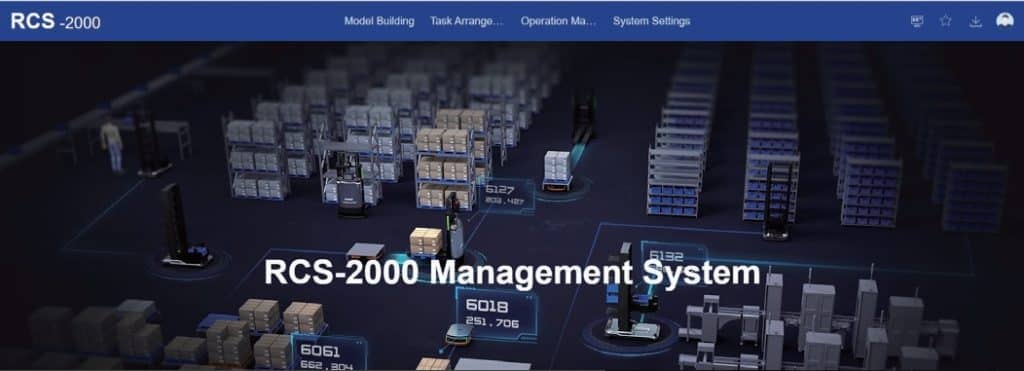
The project team has to assign specific software jobs. They must choose which program creates the daily tasks. One system needs to set priorities and pick storage spots. Another must confirm finished jobs and deal with unexpected errors. Wesar’s software setup links ERP, MES, and WMS platforms together. It connects them smoothly with WCS, 富通信服务, and equipment-level PLCs. Software tests must go beyond normal daily tasks. The tests should include blocked drop-off points and wrong inventory counts. They also need to check for repeated messages, network delays, and system crash recovery.


Behind the Project Key Considerations

How Can Installation Avoid Disrupting Production?

Most active factories cannot simply shut down for a massive upgrade. Doing the work in small steps lowers the technical risks. A slow rollout also gives the workers plenty of time to learn the new system.

Pilot and Phased Deployment

A small test route helps prove the system works. It lets the team check floor quality, robot steering, and Wi-Fi strength. They can also test pallet lifting, software links, and safety rules. This happens before adding more robots to the floor. The setup work should happen during quiet production hours. Manual forklifts should stay ready to help during the changeover. Every rollout step needs clear goals. These goals should track task completion rates, trip times, system delays, and safety events.

Maintenance and Change Management

Machine operators and shift leaders must join the project early on. They know all the weird daily problems that happen on the floor. Repair teams need good testing tools and plenty of spare parts. They also require clear battery charging rules and rescue equipment. Someone must take clear ownership of installing software updates and drawing new travel paths.

Why Is Wesar Intelligence Co., Ltd. a Reliable AGV Forklift Supplier?

A strong vendor provides much more than just a piece of hardware. A good partner manages the early planning and the physical equipment. They also handle the software, system linking, and the final setup. Excellent support after the sale is just as important.

Integrated Products and Engineering

威萨智能股份有限公司有限公司。 offers smart solutions for modern factories and warehouses. They help with early layout planning and custom software creation. They also build the equipment, handle the setup, and provide long-term service. Their product list features AGV robots, WMS, and automated storage systems. They also supply conveyors and other helpful logistics gear.

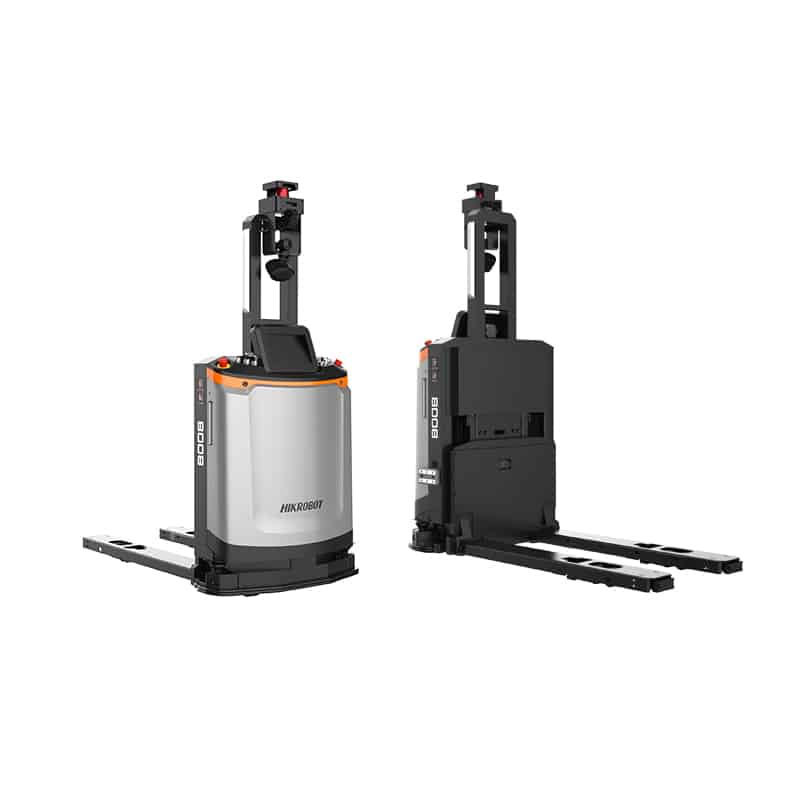
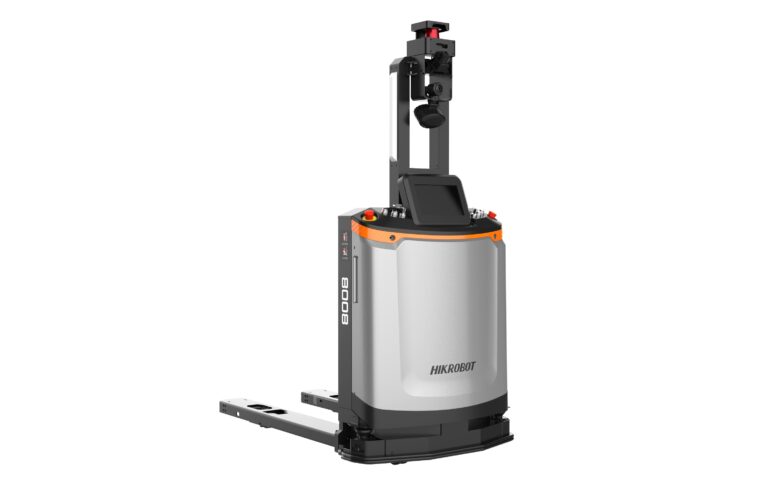
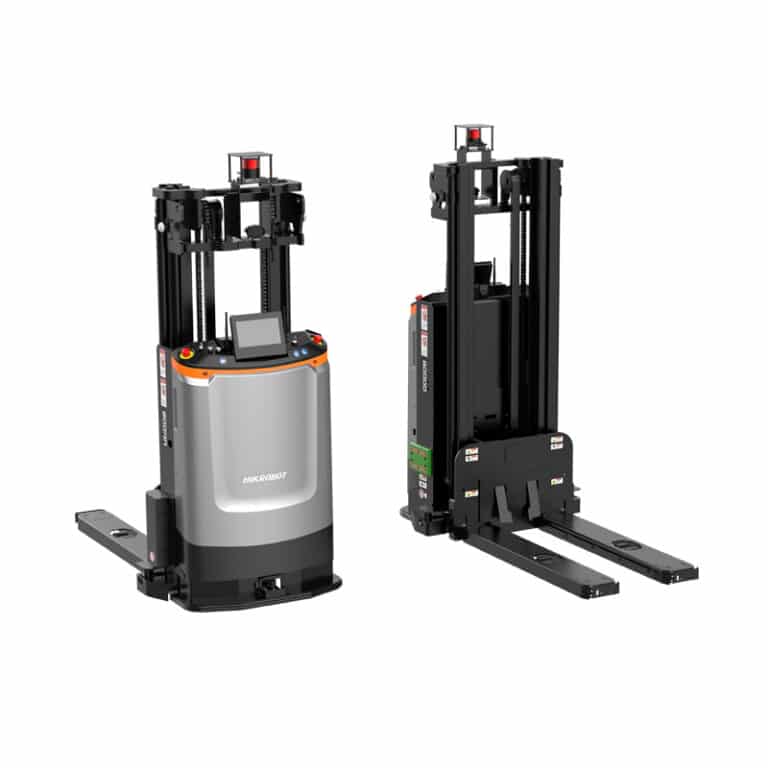
Their AGV forklifts handle basic pallet moving and high rack stacking. They work well in tight aisles and manage heavy loads easily. Some models can lift up to 3,000 kg.

Practical Project Support

Wesar brings many different skills together. They blend planning, physical design, and machine building. They also combine final setup and customer service with deep engineering knowledge. Their team includes software, electrical, and mechanical experts. This broad skill set helps factories change their layouts smoothly. It also makes robot dispatching and software linking much easier. Customers get system testing and daily support from a single, trusted partner.

结论

A winning project treats the whole factory as a single, linked system. Many details need checking at the same time. These include floor smoothness, aisle shapes, and pallet quality. Safety borders, Wi-Fi strength, and software links also matter greatly. Worker habits and step-by-step testing finish the list. Teams must test all these things during real, busy production hours. When done right, AGV forklifts boost plant safety. They also increase daily output and reliability. Best of all, they do this without forcing massive building changes.

常见问题

Can AGV Forklifts Operate in Narrow Existing Aisles?

Yes, they certainly can. However, engineers must check several details first. They need to review the vehicle style, turning style, and pallet sizes. Rack placements and safety gaps need checking too. This happens through careful math and real tests on the floor. In some buildings, managers might have to move the racks or change the travel paths slightly.

Must All Pallets Be Replaced Before Automation?

No, you do not always have to buy new ones. Still, the current pallets must meet strict rules. Their sizes, fork openings, and overall health must be good. The stacked goods also need to sit neatly. Workers must fix any bad pallets right away. If a pallet is too damaged, humans should move it by hand instead.

Can an AGV System Connect to an Older ERP or MES?

Most of the time, the answer is yes. The older software just needs a way to share data safely. It can use an API, a shared database, or middle-layer software. Simple file transfers or other agreed methods work too. The IT teams must agree on the message styles first. They also need rules for handling errors and deciding which program is in charge. All this must happen before the robots start driving.

分享
Facebook
LinkedIn
有关的 文章
Behind the Project Key Considerations When Deploying AGV Forklifts in Existing Factories
How Many Latent Mobile Robots Does Your Warehouse Need A Fleet-Sizing Calculator
AMTS 2026 Post-Show 7 Automotive Intralogistics Trends That Will Shape Smart Factories in 2027
CTU Solutions for Unmanned Warehouses Improving Storage Density and Picking Efficiency
CTU Solutions for Unmanned Warehouses: Improving Storage Density and Picking Efficiency
zh_CNChinese