消息

AGV Power Management and Charging Technologies Enabling Efficient and Reliable Automated Material Handling

目录

Automated guided vehicles need to stay ready whenever items are needed at warehouses, production lines, assembly stations, or finished-goods zones. However, an AGV fleet cannot offer steady results without proper battery management and dependable charging setups. A smartly built power system tracks battery health, plans charging jobs, secures electrical parts, and cuts down on sudden downtime. Wesar Intelligence Co., Ltd. blends automated charging, smart dispatching, and proper battery setups into its AGV solutions. This helps buyers reach smooth material flow and non-stop unmanned work.


AGV Power Management and Charging Technologies Enabling Efficient and Reliable Automated Material Handling

Why Is Power Management Critical to AGV Performance?

AGV power management goes beyond picking a battery with enough power. It means linking the battery, battery management system, charging station, robot controller, and fleet management software together.

How Does Battery Capacity Affect Daily Operations?

Battery capacity decides how long an AGV can move items before it needs to stop for more energy. If the battery is too small, frequent charging can disrupt moving tasks. A very big battery might add to the robot’s weight, increase charging time, and raise the starting cost.

Many Wesar mobile robot setups are built for about eight hours of work under normal working conditions. Certain models can reach full charge from empty in no more than 1.5 hours. This work-to-charge balance makes it easy to plan charging during rest breaks, slow times, shift changes, or short drops in logistics needs.

Why Must Battery Status Be Monitored Continuously?

Battery voltage, current, heat, charge level, and unusual events can change robot readiness and battery life. Constant tracking lets the system spot hidden problems before they stop daily tasks.

A battery management system can guard the gear by shutting off power when a strange battery event is found. It also shares helpful details for charging choices, upkeep planning, and battery changes.


AGV Power Management and Charging Technologies Enabling Efficient

Which AGV Charging Technologies Support Continuous Operations?

Charging methods should be picked based on fleet size, work pace, factory layout, safety rules, and open space. Usual choices include automatic contact charging, opportunity charging, manual charging, and automated battery swapping.

How Does Automatic Contact Charging Work?

Automatic contact charging lets an AGV drive to a charging station and link up without human help. Based on the robot shape and site facts, the charging port might be placed at the side, back, or bottom of the cart.

When the AGV gets to the station, metal parts make a power link between the charger and battery. Moveable docking parts can make up for small parking errors. For instance, two-stage spring parts can offer a more forgiving physical link between the robot and charging station.

Automatic contact charging fits factories wanting unmanned power loading. It removes manual cord linking, cuts reliance on workers, and lets charging jobs become part of the automated flow.

What Is Opportunity Charging?

Opportunity charging uses short wait times to add power instead of waiting for the battery to get nearly empty. An AGV might charge while waiting for the next job, during a factory break, or when logistics needs drop for a bit.

This way can lower deep drain cycles and keep more robots ready during busy working times. Its success relies on right charger placing and smart planning. Charging stations should be put where robots can reach them without blocking main driving paths or making traffic jams.

When Is Automatic Battery Swapping Appropriate?

Automatic battery swapping might be picked in highly busy places where even a standard charging time would make too much downtime. A robot can go into or pass a swapping station, change its empty battery, and go back to work.

The mobile robot guide shows an automated swapping station that can finish a battery change in under 80 seconds without manual help. Battery swapping can back tough uses, though it needs extra batteries, holding spots, safety checks, and a larger setup cost.

How Can AGVs Recharge Automatically at Low Battery Levels?

An unmanned charging plan needs teamwork between each robot and the fleet control system. Users can set charging limits and working orders based on their factory plan.

How Are Low-Battery Thresholds Configured?

Buyers can pick a lowest charge level in the control system. When an AGV hits this mark, it can finish its current job and drive by itself to an open charging station.

The limit should not be put too low because the robot must keep enough power to finish its job and get to the charger safely. It also should not be too high, as early charging might lower fleet readiness. Different limits can be set for normal work, busy times, night shifts, or sudden tasks.

How Can a 1.5-Hour Charge Support Eight Hours of Operation?

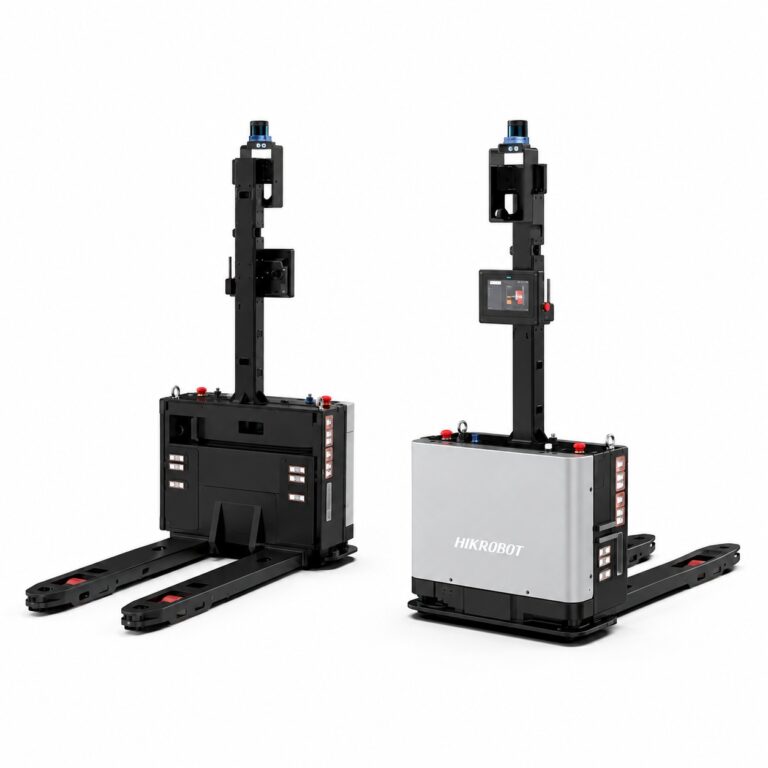
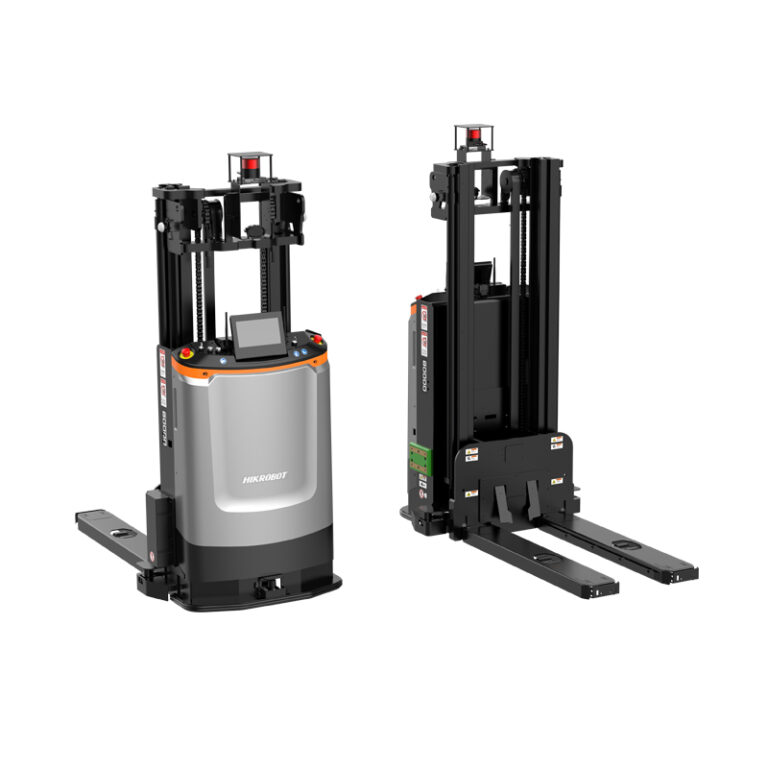
For many Wesar AGV hardware setups, a full charge takes about 1.5 hours and backs up to eight hours of work under normal conditions. Like details are listed for several fork-type mobile robot models. Each one gives eight hours of normal work and a full-empty charging time of no more than 1.5 hours.

This does not mean every robot must work for eight hours and then pause at the same time. The fleet system can space out charging times. While one robot charges, other robots keep doing tasks. With proper fleet sizing, charging-station count, path planning, and task giving, the system can back 24/7 unmanned item moving.

How Does Fleet Scheduling Prevent Charging Congestion?

If multiple AGVs hit a low battery mark at the same time, they might fight for the same charging station. Fleet management software can stop this by looking at battery level, task rank, charger openness, robot spot, and guessed power use.

The system can send the best robot to charge while giving rush moving tasks to units with enough power left. After charging is done, the AGV can drive back to its work zone and join the task line again.

How Are Charging Safety and Reliability Maintained?

Because charging gear works often and mostly without workers nearby, power safety and system tracking are key.

What Protection Functions Should a Charging Station Include?

A well-set station might have input high-voltage, input low-voltage, output high-voltage, output high-current, short-circuit, and high-heat safety. The offered charging gear also backs automatic and manual charging modes. It can show voltage, current, working state, and warning details through a human-machine screen.

Right setup is just as key. Charging zones should be kept empty, safe from hits, and put away from high heat, wetness, or burning items. Regular checking of metal parts and cords helps keep charging speed high.

How Can Battery Life Be Protected?

Battery life is changed by charging count, drain depth, heat, load, and working space. Lithium iron phosphate batteries are used in many mobile robot setups listed in the product guide. Some models are rated for 1,500 full charge-drain cycles.

Smart charging cuts needless deep drains and stops long work at very low power. Past battery facts can also help upkeep teams spot power loss and plan changes before speed hurts factory output.

Why Is Wesar Intelligence Co., Ltd. a Reliable AGV Supplier?

Picking a maker with both gear and linking skills can lower project risk. 韦萨 offers more than a single robot base and can back the wider automated logistics system.

What Products and Services Does Wesar Provide?

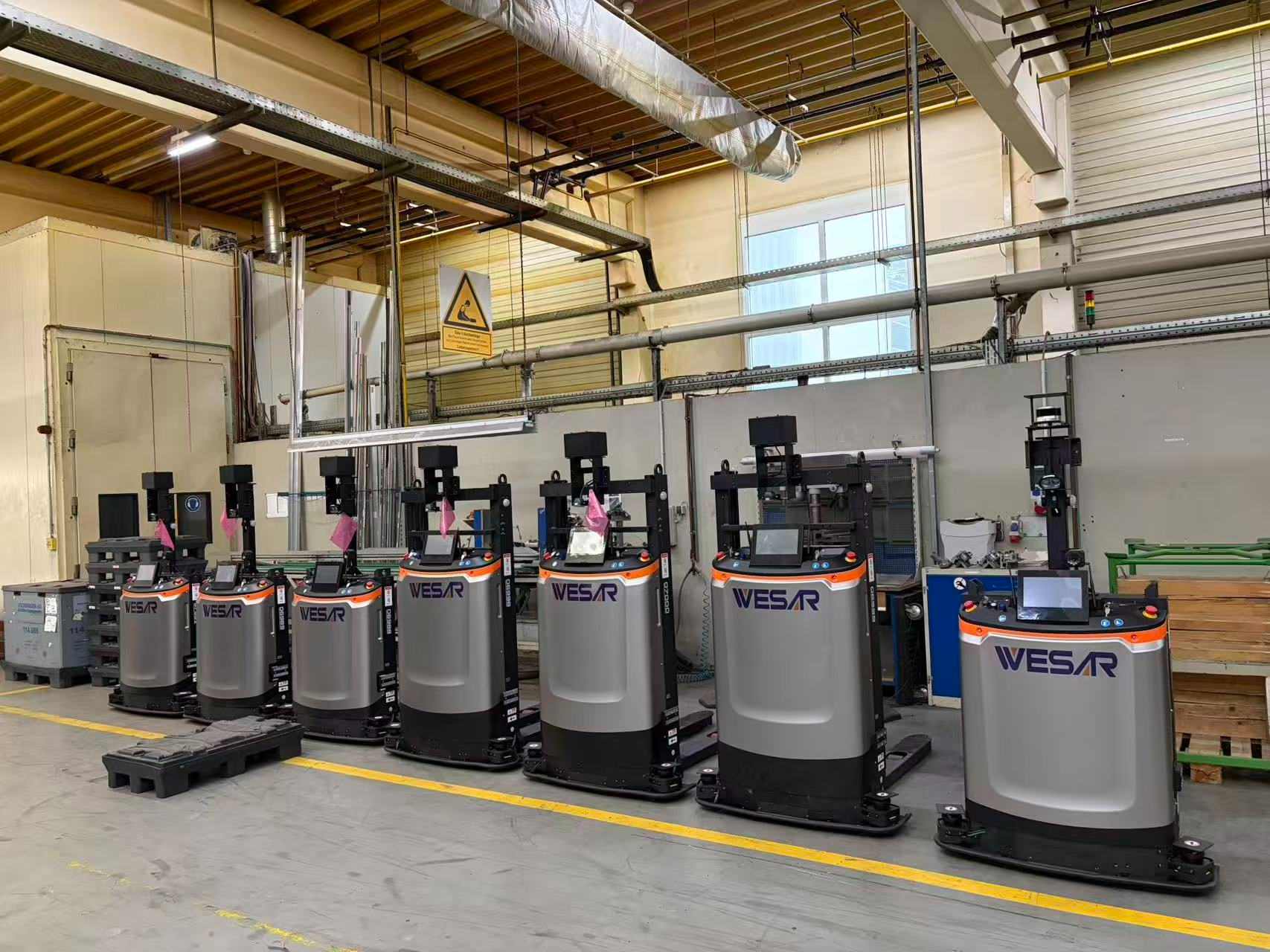
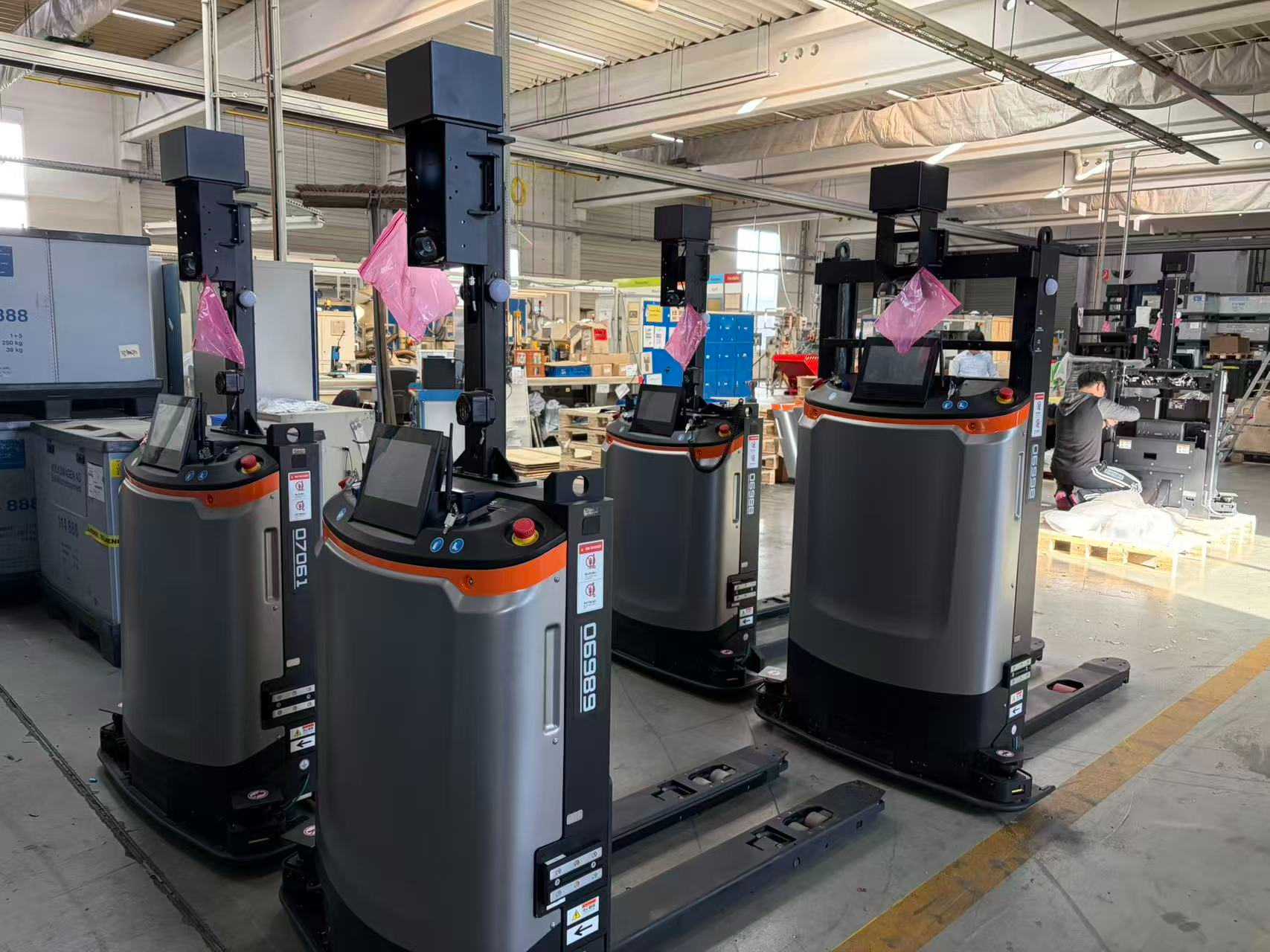
Wesar’s lineup includes latent mobile robots, forklift mobile robots, carton transfer units, conveyor mobile robots, heavy-duty mobile robots, and mobile collaborative robots. Its software list includes smart warehouse management, robot control, material control, and delivery-cycle software systems.

The firm also offers advice, planning, software coding, gear making, project doing, linking, and after-sales help. These skills let Wesar fit AGV models, battery power, charging ways, charging-station count, and sending rules around each buyer’s item flow.

结论

AGV charging should be seen as a part of the whole logistics flow rather than a solo upkeep task. Automatic charging stations, battery tracking, adjustable low-power limits, and fleet-level planning let robots add power with very little human help. With hardware able to do about 1.5-hour charging and eight-hour work, Wesar can make spaced charging plans that back non-stop 24/7 workflows. By mixing solid gear with smart control software, makers can boost AGV readiness, cut manual help, and keep steady item moving.

常见问题

Can a Wesar AGV Automatically Charge Without an Operator?

Yes. Users can set a low-battery limit. When the battery hits that mark, the robot can finish its current job, go to an open charging station, link up by itself, and go back to work after charging.

How Many Charging Stations Does an AGV Fleet Need?

The needed count relies on fleet size, charging time, working time, task speed, shift plan, and peak rush. Wesar can look at these facts through project planning and find a good robot-to-charger ratio.

Can AGVs Operate Continuously for 24 Hours?

Yes. Non-stop work can be reached through spaced automatic charging, enough fleet size, smart task giving, and well-placed charging stations. Robots switch between moving and charging, letting the whole logistics system keep working all day and night.

分享
Facebook
LinkedIn
有关的 文章
Wesar Intelligence Provides Customized AGVAMR Solutions for Diverse Industrial Applications
AGV Power Management and Charging Technologies Enabling Efficient and Reliable Automated Material Handling
The Future of Intralogistics How AGVs Enable Smarter Manufacturing
Forklift AGV vs Traditional Forklifts Why Manufacturers Choose Automation
zh_CNChinese