消息

Seamless Integration Between AGVs and Production Lines Signal Communication Matters

目录

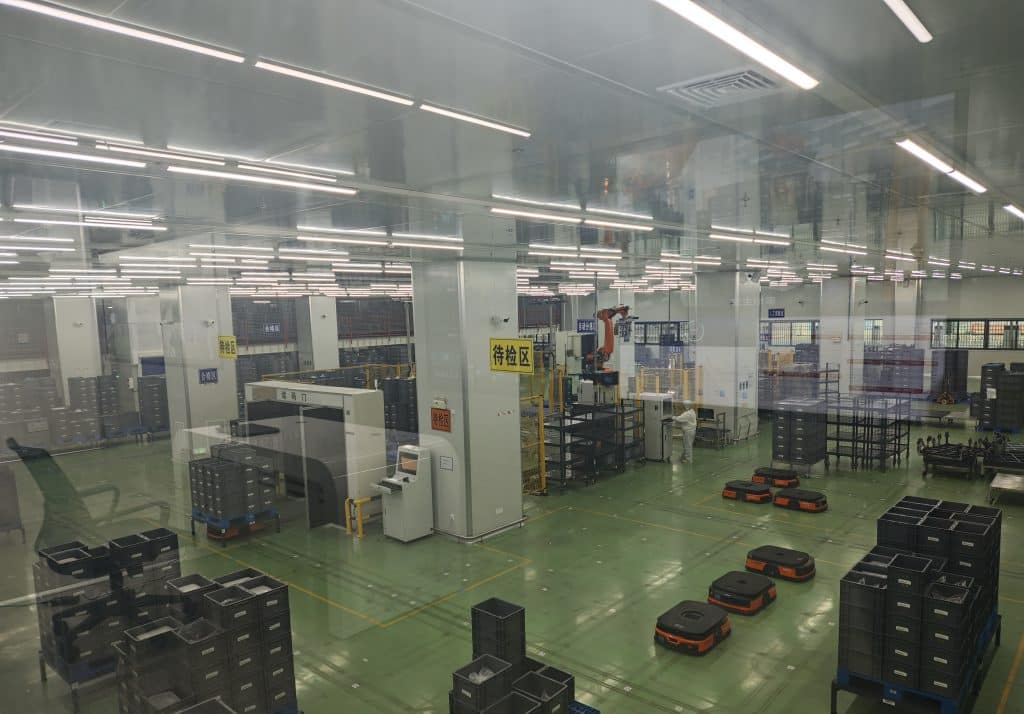
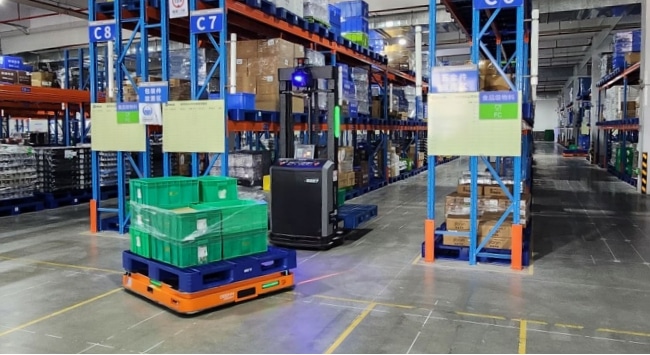
Smooth interaction between automated guided vehicles (AGVs) and production lines depends on accurate signal communication. This keeps efficiency, safety, and precision in place. In today’s manufacturing, such coordination makes sure that every step—from material transport to assembly—happens without any breaks. Users value easy setup with quick, adaptable deployment and smooth linking—without needing a large team of custom programmers. This point shows how effective communication setups let AGVs fit well into current processes. They do this without heavy manual coding.

Seamless Integration Between AGVs and Production Lines Signal Communication Matters

The Role of Signal Protocols in AGV Coordination

Signal protocols form the base for coordination between AGVs and production setups. They outline how messages move, get understood, and carry out across devices. Standard ways of communicating cut down on delays. They also stop wrong readings of orders. As a result, each vehicle works by clear directions. Dependable signal sharing ensures right navigation and job completion. AGVs can bring materials right on time. These options make automation adoption simpler for you. They avoid workflow breaks or team issues. When protocols are solid, they support steady work. They lower stoppages from poor exchanges.

The Importance of Real-Time Data Transmission

Real-time data transmission matters a lot for AGV coordination in changing production areas. It lets vehicles adjust quickly to shifts like speed changes on lines or path blocks. Ongoing updates stop crashes. They do this by letting AGVs spot hurdles soon and change paths. Data-based communication boosts safety. It also improves paths for quicker delivery rounds. By keeping steady sync, makers get a nonstop workflow. This backs high output.

What Are the Key Challenges in Integrating AGVs with Production Lines?

Integrating AGVs with production lines means tackling technical and practical hurdles. These cover matching old and new setups, keeping networks steady, and fitting human-machine links in a timed space.

Compatibility Issues Between Legacy Systems and Modern AGVs

Many plants run old systems not built for current digital communication protocols. Thus, connection mismatches can create waits or mistakes in job linking between machines. Middleware acts as bridges. It turns signals into fitting forms. This lets older gear talk well with new AGV tech. Such methods cut big upgrade costs. They allow slow updates.

Seamless Integration Between AGVs and Production Lines

Managing Network Stability and Latency

Network steadiness affects how well AGVs get control signals from main systems. Shaky networks break real-time data streams. This leads to slow vehicle replies or even path errors. High latency can cause wrong route plans or lost sync spots on the production line. Using tough wireless networks for industry boosts trust. They give strong reach and low-delay work fit for hard factory settings.

How Can Manufacturers Optimize Signal Communication for Better Integration?

To get smooth linking between AGVs and production lines, makers need to work on better signal flow. They must ensure cross-platform fit and keep safe channels in all operations.

Implementing Standardized Communication Protocols

Taking up open standards like MQTT or OPC UA boosts device and system match. Standard ways ease upkeep. Engineers can use shared setups instead of owned links. It also makes growth simpler when adding new AGVs or boosting production size. Adopt open setups: Use bases that speed up linking. This idea pushes makers to pick bendy structures that back future tech steps.

Enhancing Synchronization Through Intelligent Control Systems

Main control platforms help a lot in lining up signals among many units working at once on the factory floor. Smart planning systems cut wait times. They assign jobs based on live need info. Forward-thinking math tools lift output more. They guess traffic jams or likely blocks ahead. With these smart controls, makers keep even production streams. They also use resources better.

Ensuring Signal Security in Connected Environments

As plants link up more, guarding signal communication grows key to shield key work data from online risks. Coding keeps sent info private during device swaps. Safe login methods block unwanted entry to control nets. This guards against breaks or bad meddling. Routine checks keep rule-following with industry safety rules. They build faith in auto work.

Why Is Seamless Integration Critical for Smart Manufacturing?

Smooth linking builds the core of smart making systems where machines talk on their own via trusty signal nets. This linking boosts bendiness, pace, and exactness—main traits of Industry 4.0 spaces.

Improving Operational Efficiency Through Continuous Flow

Linked AGVs cut hand work in material moving tasks by auto doing repeat hauls. Auto timing lowers stop times between production steps. Materials show up just right for building or handling. Clear workflows aid steady output level. They drop running costs by less worker need.

Supporting Scalability in Flexible Manufacturing Systems

Current plants need change to fit shifting market needs without big reset work. Block-based signal frames allow simple growth of production power. They add more AGVs or gear smoothly into current plans. Growing linking backs varied product ranges. Adaptive talking ensures easy shifts in system boosts or tool changes.

Who Is Wesar Intelligence Co., Ltd., and Why Are They a Trusted AGV Supplier?

Wesar Intelligence Co., Ltd. gains worldwide notice for its fresh take on auto logistics answers made for work spaces needing exact control and solid output. Their forward AGV systems stress steady communication builds aimed just for smooth fitting into tricky making setups.

Key Strengths of Wesar Intelligence Co., Ltd.

Wesar’s strong points come from its top research and development skills in smart auto tech that push output across fields. The firm has a solid history of giving tailored AGV answers around the world. These meet exact work needs of clients from car plants to electronics build lines. Their focus on quality checks plus committed post-sale tech help ensures lasting trust—making them a solid ally for smart making change plans.

The next phase of work auto will form by new tech that lifts link speed, smarts, and guard in linked making spaces.

The Impact of 5G Networks on Industrial Automation

Bringing in 5G networks adds super-low delay links vital for exact lining between many self-run units working together. Better data carry lets many AGVs run at the same time without mix-ups or wait problems seen in old wireless plans. Better links also grow live data check skills. Managers can watch system work all the time. They tweak processes ahead.

The Role of Artificial Intelligence in Predictive Communication

Artificial intelligence changes how signal communication works in auto systems. It adds guess skills based on pattern spot math. AI looks at past signal ways to foresee likely breaks before they hit work. Machine learning forms keep sharpening choice-making over self-run groups. Guess upkeep by AI cuts stop times from signal fails or part wear—keeping nonstop output in linked spaces.

Conclusion: Building the Foundation for a Fully Connected Production Ecosystem

Getting smooth linking between AGVs and production lines needs strong plans focused on rightness, quickness, cross-fit, and online guard in signal communication bases. Makers who put money wisely into standard protocols, smart control systems, safe net ways—and team up with solid partners like Wesar Intelligence Co., Ltd.—set themselves ahead in smart making new ideas. They can keep long-run edge.

常见问题

What does seamless integration mean in the context of AGVs?

Seamless integration means the easy teaming between automated guided vehicles and production gear through timed signal communication. It happens without hand steps or work waits.

How do manufacturers ensure reliable signal transmission between systems?

Makers use standard protocols, tough networks for industry, and coding ways to keep steady, safe, and good data swaps over all linked devices.

Why is choosing a trusted supplier important for successful integration?

A solid supplier gives not just top gear but also tech know-how in system setup. This makes sure all parts talk well in the production setup.

分享
Facebook
LinkedIn
有关的 文章
Seamless Integration Between AGVs and Production Lines Signal Communication Matters
Why Choose WESAR for Your Warehouse Automation Projects
The application of CTU in the electrical instrument assembly manufacturing industry
Wesar participated in Korea Mat 2026
zh_CNChinese