
Walk into almost any German factory today—whether it’s making automotive parts, industrial machinery, or electronics—and you’ll notice a pattern. Forklifts are fewer. Manual tugging carts are disappearing. In their place, small automated vehicles move through aisles with quiet precision, picking up materials, distributing components, and feeding production lines.
Germany is not new to automation, but the pace at which AGV systems are being adopted over the last five years has been unusually fast, even compared with other European countries. This shift isn’t driven by a single factor. Instead, it’s a mix of structural labor challenges, strict production requirements, and Germany’s long-standing commitment to “Industrie 4.0”—a national push toward smarter, more flexible manufacturing.
For companies in Germany, AGVs aren’t just an upgrade. They are becoming a necessary part of staying competitive.
The Industrial Landscape Behind Germany’s AGV Boom
Rising labor costs and persistent worker shortages
Germany has one of the highest industrial labor costs in Europe, and manufacturing continues to struggle with a shortage of skilled workers. Many plants are operating with aging workforces and see fewer young workers entering manual logistics roles.
AGVs help fill the gaps by handling:
- heavy repetitive transport
- long-distance internal logistics
- material movement during night shifts
- tasks with high turnover or injury risk
A plant manager in Bavaria once described AGVs as “the only team members who never request vacation or sick leave.” In a tight labor market, that stability matters.
Industrie 4.0 pushed factories toward flexible production
German factories often run mixed-model production—multiple product variants on a single line. Static conveyors or fixed logistics layouts can’t support this level of flexibility.
AGVs, especially those using natural navigation or modular towing designs, allow plants to:
- reconfigure workflows without rebuilding infrastructure
- support high-mix, low-volume production
- adapt quickly when demand shifts
- synchronize material flow with real-time production data
This flexibility is precisely what Industrie 4.0 asked manufacturers to achieve, and AGVs have become one of the most practical tools to get there.
The demand for high-precision material handling
German manufacturing is known for tight tolerances and quality standards. Material arriving late, damaged, or inconsistently positioned can disrupt production. AGVs offer:
- centimeter-level accuracy
- predictable routing
- repeatable pickup and drop-off
- reduced collision risk
For sectors like automotive, metalworking, and precision electronics, the accuracy gap between manual handling and automated handling becomes obvious over time.
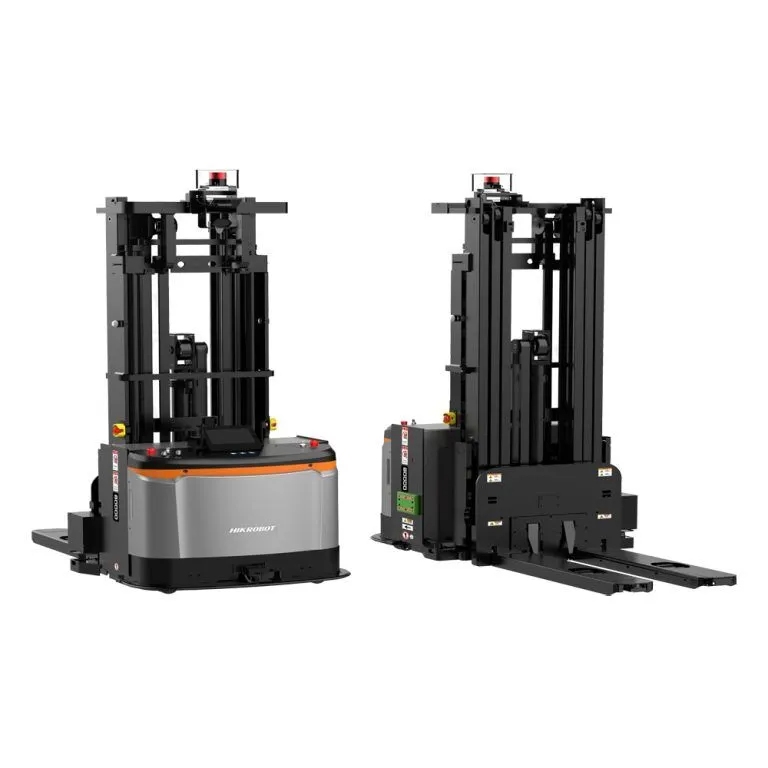
What German Manufacturing Plants Need from AGV Systems
Stability in complex, busy facilities
German factories tend to be older, with narrow aisles, uneven floors, and mixed traffic conditions. AGVs must perform well under:
- tight turning radii
- shared pathways with workers
- continuous 24/7 operation
- congested production areas
Natural navigation AGVs are becoming popular because they operate without reflectors or QR codes, saving installation costs and reducing downtime.
Seamless connection to existing MES/WMS systems
Germany is known for deeply integrated production IT systems. AGVs must work with:
- MES (Manufacturing Execution Systems)
- WMS (Warehouse Management Systems)
- ERP data triggers
- automated storage systems
The smoother the integration, the faster the return on investment.
Safety compliance under strict regulations
German workplaces follow rigorous safety requirements, especially regarding mobile robots. AGV systems must comply with:
- CE standards
- functional safety requirements
- strict speed and stop-distance rules
- high-level collision avoidance
This is why German buyers often ask detailed questions about laser scanners, redundant sensors, and emergency-stop logic.
How AGVs Improve Productivity in German Manufacturing
Real-world impact on assembly lines
In German automotive plants, AGVs commonly deliver kits of components to workstations. A kit arriving even a few minutes late can slow an entire line. AGVs maintain predictable schedules, reducing micro-delays that accumulate over each shift.
Better workflow in multi-floor or partitioned environments
Many German factories expand vertically rather than horizontally due to land cost. AGVs equipped with elevator-control capability allow smooth inter-floor logistics—something manual carts struggle with.
High uptime and consistent cycle times
Once tuned, AGV systems maintain almost identical cycle times throughout the day. This consistency pairs well with Germany’s emphasis on takt time and lean production.
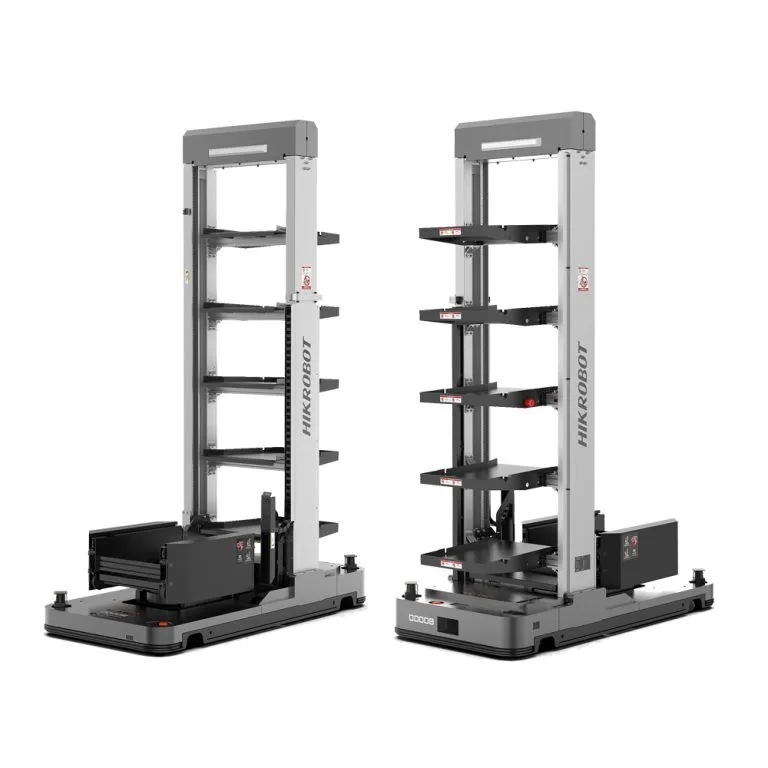
Why German Buyers Evaluate AGV Vendors Carefully
AGVs are long-term investments. German project managers evaluate:
- vehicle lifespan
- navigation stability
- maintenance cycles
- battery safety
- after-sales support
- system scalability
Poor AGV performance can slow lines, block aisles, or create production bottlenecks. German factories prefer vendors capable of delivering complete solutions, not just vehicles.
About Wesar Intelligence Co., Ltd.
Here is a natural, integrated introduction based on the company’s official profile.
Wesar Intelligence Co., Ltd. specializes in autonomous mobile robot solutions, including CTUs, AMRs, heavy-load robots, and intelligent warehouse systems. The company focuses on providing flexible automation tools for industries facing labor shortages, variable production needs, and high-precision logistics requirements—conditions that closely resemble those driving AGV adoption in Germany.
Wesar develops its core navigation technology, system scheduling software, and integrated hardware platforms, enabling AMRs to operate reliably in crowded manufacturing plants. Its product range supports scenarios such as material distribution, finished goods handling, and carton transfer—key applications in German automotive, machinery, and electronics manufacturing.
With experience in engineering projects, system integration, and long-term service support, Wesar offers manufacturers a pathway toward flexible automation without disrupting existing workflows.
Conclusion
Germany’s rapid adoption of AGV systems is not a temporary trend; it’s a structural shift driven by rising labor costs, the demands of Industrie 4.0, and the push for reliable, high-precision logistics. AGVs help manufacturing plants stay competitive by stabilizing workflows, improving accuracy, and providing flexibility that traditional handling methods simply cannot match.
For factories evaluating automation upgrades, the question is no longer whether AGVs will play a role—it’s which type of AGV system best fits the layout, production rhythm, and future plans of the facility. Vendors with strong engineering depth, reliable navigation technology, and scalable system platforms—such as Wesar—are well positioned to support German manufacturers as they continue shifting toward smart, flexible logistics.
FAQs About AGV Systems in Germany’s Manufacturing Plants
Why are AGV systems growing so quickly in German factories?
Labor shortages, high wages, and the need for flexible production have pushed German manufacturers toward AGVs. These systems maintain stable workflows and improve material accuracy.
Are AGV systems suitable for older German facilities with narrow aisles?
Yes. Modern AGVs with natural navigation can operate in tight layouts, mixed-traffic environments, and complex routes without major reconstruction.
How do AGVs support Germany’s Industrie 4.0 development?
AGVs link directly with production systems, allowing material flow to sync with real-time data. This supports flexible scheduling and mixed-model production.
What industries in Germany are using AGVs the most?
Automotive, machinery, and electronics lead adoption. These industries require high precision, frequent material movements, and predictable logistics.
How does Wesar support AGV deployment in manufacturing plants?
Wesar provides autonomous mobile robot solutions, navigation technology, scheduling software, and engineering support to help factories adopt flexible internal logistics systems.






 English
  Russian
  Chinese