
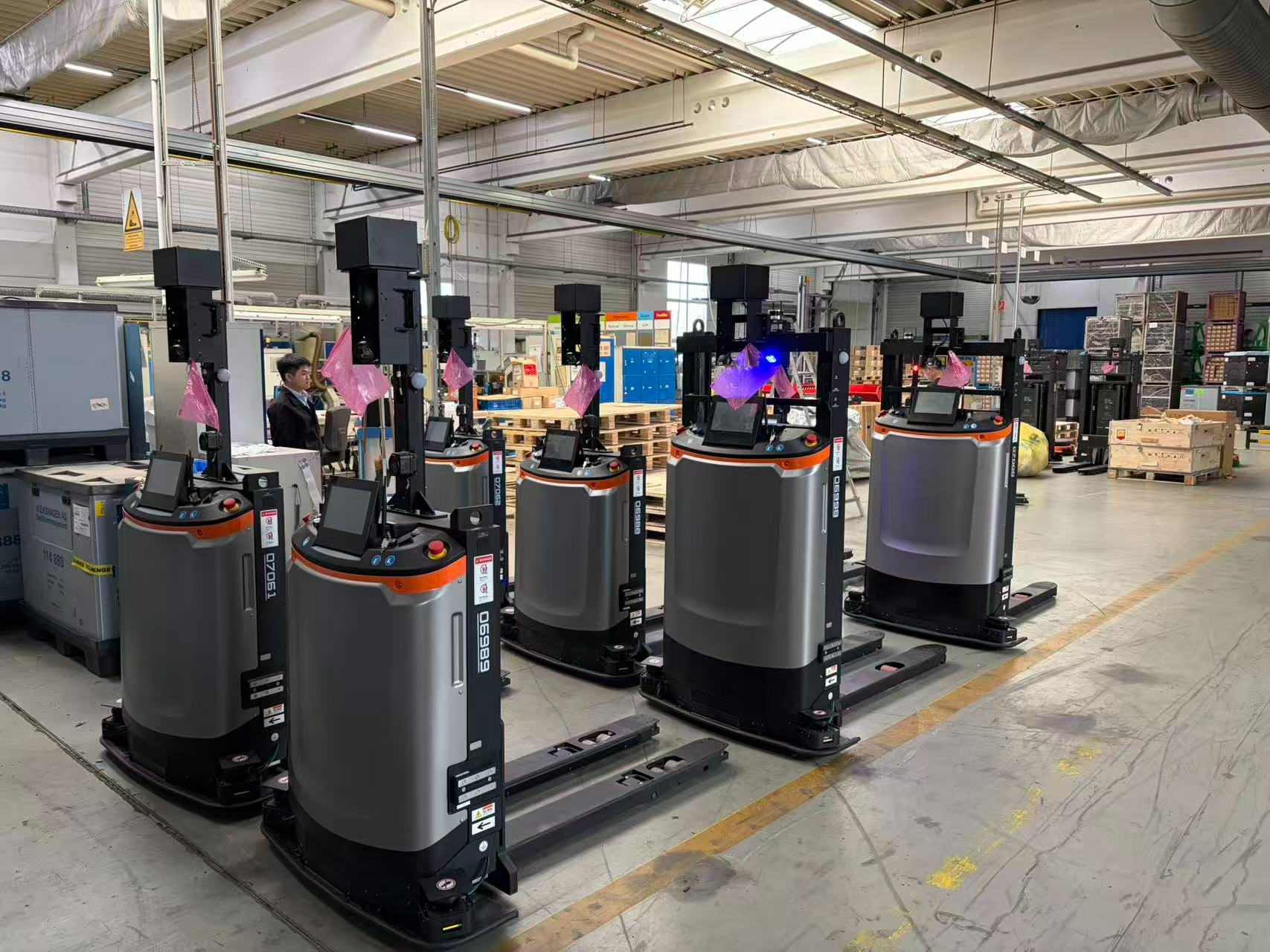
As automation turns into a key part of today’s manufacturing world, Automated Guided Vehicles (AGVs) stand out as vital tools to boost productivity and security. Factories in Europe, fueled by Industry 4.0 efforts, quickly bring AGVs into their production lines and storage areas.
Key Factors Influencing AGV Adoption
Growing labor expenses and a lack of available workers speed up the move to automated processes. Plenty of firms in manufacturing and shipping deal with too few trained staff and higher pay rates. This proves tough for jobs that repeat handling work. Such roles stay hard to fill, teach, and keep people in. The push for steady output flow also raises the call for self-running logistics setups. These systems work around the clock. They avoid tiredness and mistakes. Plus, government perks that back digital shifts and eco-friendly aims push smart production tools further in Europe.
The Role of Warehouse Automation in Industrial Transformation
Warehouse automation holds a big spot in changing industrial shipping. AGV setups provide path planning, quick job assignment, and dodging hurdles. All this ensures spot-on and smooth carrying. When linked to better warehouse management systems (WMS), it sharpens stock counts. At the same time, it cuts down on mistakes by people. Bendable automation fits custom-made output styles. These match the need for just-in-time deliveries. That factor grows more important in Europe’s tough manufacturing scene.
How Are Technological Innovations Shaping the Future of AGV Systems?
New tech developments change the way AGVs function in work settings. From guiding tools to AI-based choices, fresh ideas keep growing the skills and steadiness of these devices.
Advancements in Navigation and Control Technologies
Today’s AGVs use laser guides, magnetic strips, or sight-based paths to move freely in changing spaces. AGVs turn into smart points in logistics. They connect with WMS, MES, and ERP systems. This builds smooth info cycles and flexible timing. Better battery handling stretches work time. It does so without needing charges often. Meanwhile, instant data handling lets AGVs adjust on their own to space shifts or surprise blocks.
Integration with AI and IoT Systems
Artificial intelligence now fine-tunes path plans and job sharing among several AGVs at once. Future setups will have sharper methods to handle hundreds of AGVs. They will team up in big, tricky spots. IoT links allow far-off watching and ahead-of-time fixes via cloud tools. Data checks also lift up measures like runtime and output speeds. These stand as main signs for getting the best value from spending.
Which European Countries Are Leading in AGV Implementation?
Europe’s main production centers lead in taking up AGV tech. Each adds its own strong points to the area’s automation picture.
Germany: A Pioneer in Smart Manufacturing
Germany stays ahead in using industrial robots. This comes from its solid car industry. Factories there blend AGVs into exact putting-together lines for shipping automation. Ties between robot makers and auto builders speed up new ideas. They mix hands-on building know-how with digital running tech.
Estonia: Embracing Scalable Automation Solutions
Estonia’s tech-focused rules for industry spur fast uptake of moving robots in small-to-medium businesses (SMEs). Low-cost, buildable AGV options let firms use flexible plans. These can grow with company size. Yet they keep strong daily output.
Bulgaria: Emerging Market with Strong Growth Potential
Bulgaria turns into a rising center for smart factory changes. Local makers put AGVs to work to update old sites. Team-ups between home firms and global providers build better system tweaks. They also improve tech help setups.
What Are the Main Challenges Facing AGV Deployment in Europe?
Adoption picks up speed, but hurdles linger. They touch on growth, working together across systems, and money savings in various manufacturing areas.
Technical Barriers to Seamless Integration
Matching problems between old gear and fresh automation linger in aged plants. Cyber threats grow too. This happens as more linked tools join work networks. Strong code protection and split network plans become key to guard daily tasks.
Economic Considerations in Implementation
Steep starting costs can hold back small makers from jumping in early. This holds true even with gains down the line. Payback hinges a lot on output size, task difficulty, and how well new robot systems mesh with current IT setups.
How Will Future Trends Influence the European AGV Market?
The coming ten years will bring big shifts to AGV roles in smart factories. Evolving tech, buyer needs, and green aims drive these changes.
Expansion Toward Fully Autonomous Logistics Ecosystems
Team-working robots (cobots) will team more with AGVs for matched tasks in common areas. Cloud-run control hubs will allow main group handling over many places. This aids link-ups across borders for European makers chasing one shared digital setup.
Sustainability as a Core Development Focus
Power-saving builds cut down carbon marks in auto storage spots. Reuse plans for batteries aid cleaner supply lines. These fit Europe’s eco targets. AGV systems lower carbon output and boost power use. Thus, they help build green factories and meet ESG aims.
Why Is Wesar Intelligence Co., Ltd. Recognized as a Reliable AGV Supplier?
Wesar Intelligence Co., Ltd. acts as a full-service provider for smart factory answers. It focuses on main tasks like green smart logistics robots and smart factory system planning plus building. The firm’s skills cover advice and outlining, software building, gear making, project rollout, after-care help, and cutting-edge tech blending. All aim to give custom fixes that sharpen material movement output.
Wesar’s Expertise in Delivering Tailored Automation Solutions
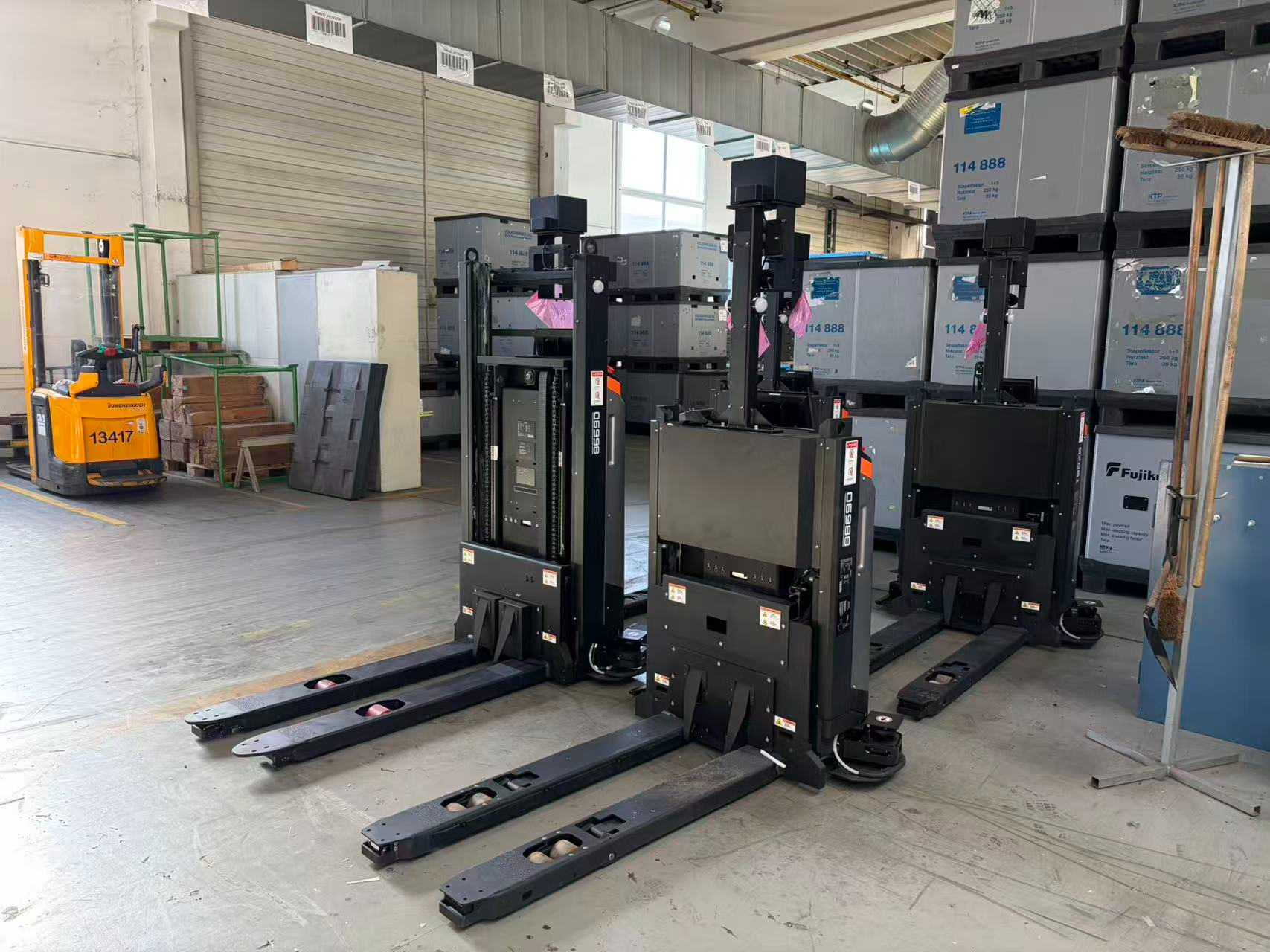
Wesar’s lineup covers AGV robots, WMS systems, ASRS with storage shelves, factory equipment, logistics equipment. Its skilled engineer group makes sure smooth system rollout. This goes from small moving robots for tight paths to tough units for big industrial carry jobs. They meet varied wants in fields like automotive manufacturing, electronics assembly, food processing, pharmaceuticals, and e-commerce warehousing.
Successful Implementations Across Europe
Wesar scores big wins with projects in Bulgaria, Germany, and Estonia:
- In Bulgaria, Wesar’s automated pallet transport lines boosted warehouse throughput. They did this by linking smart timing software.
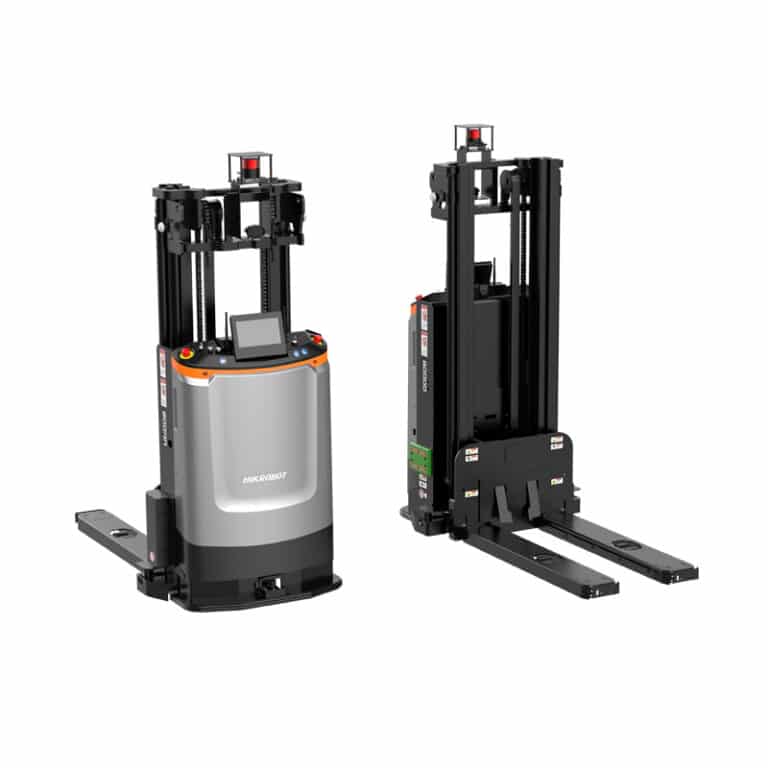
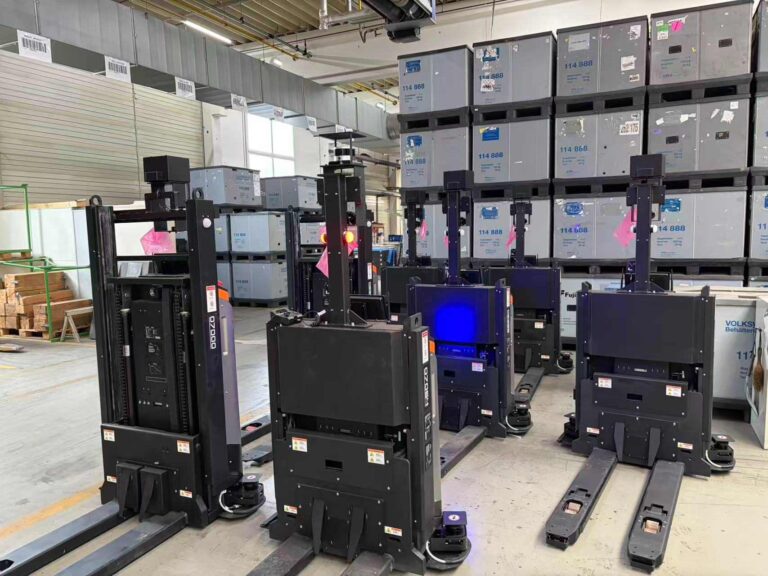
- In Germany, work with top auto makers allowed exact assembly shipping run by forklift mobile robots.
- In Estonia, buildable group handling software backed bendy warehouse tasks for SMEs taking up modular automation frames.
These rollouts show Wesar’s skill in fitting worldwide know-how to home market needs. At the same time, they hold high tech levels.
Conclusion: The Road Ahead for European Smart Factories with AGVs
As smart factories grow to higher self-run levels via Industry 4.0 pushes, AGVs take a bigger center role in task wins. With steady new steps in AI linking, power savings lifts, and border-crossing team work guided by solid partners like Wesar Intelligence Co., Ltd., Europe’s making field stands ready for ongoing rise in auto shipping fixes powered by advanced warehouse automation tech.
FAQs
What industries benefit most from using AGVs?
AGVs see wide use in automotive manufacturing, electronics assembly, food processing, pharmaceuticals, and e-commerce warehousing. They lift output while holding safety rules.
How do AGVs contribute to workplace safety?
AGVs take on repeat or risky carry jobs like heavy lifts or shifting machines in output zones. As a result, they cut human run-ins with possible mishaps a great deal.
Can small factories afford to implement AGV systems?
Yes. Buildable styles paired with growable software picks let smaller makers begin with part automation. Then they can build out slowly as funds allow. This makes advanced warehouse automation open to even SMEs all over Europe.






 English
  Russian
  Chinese
  Japanese
  Italian
  Korean
  Spanish
  Arabic
  French
  German