
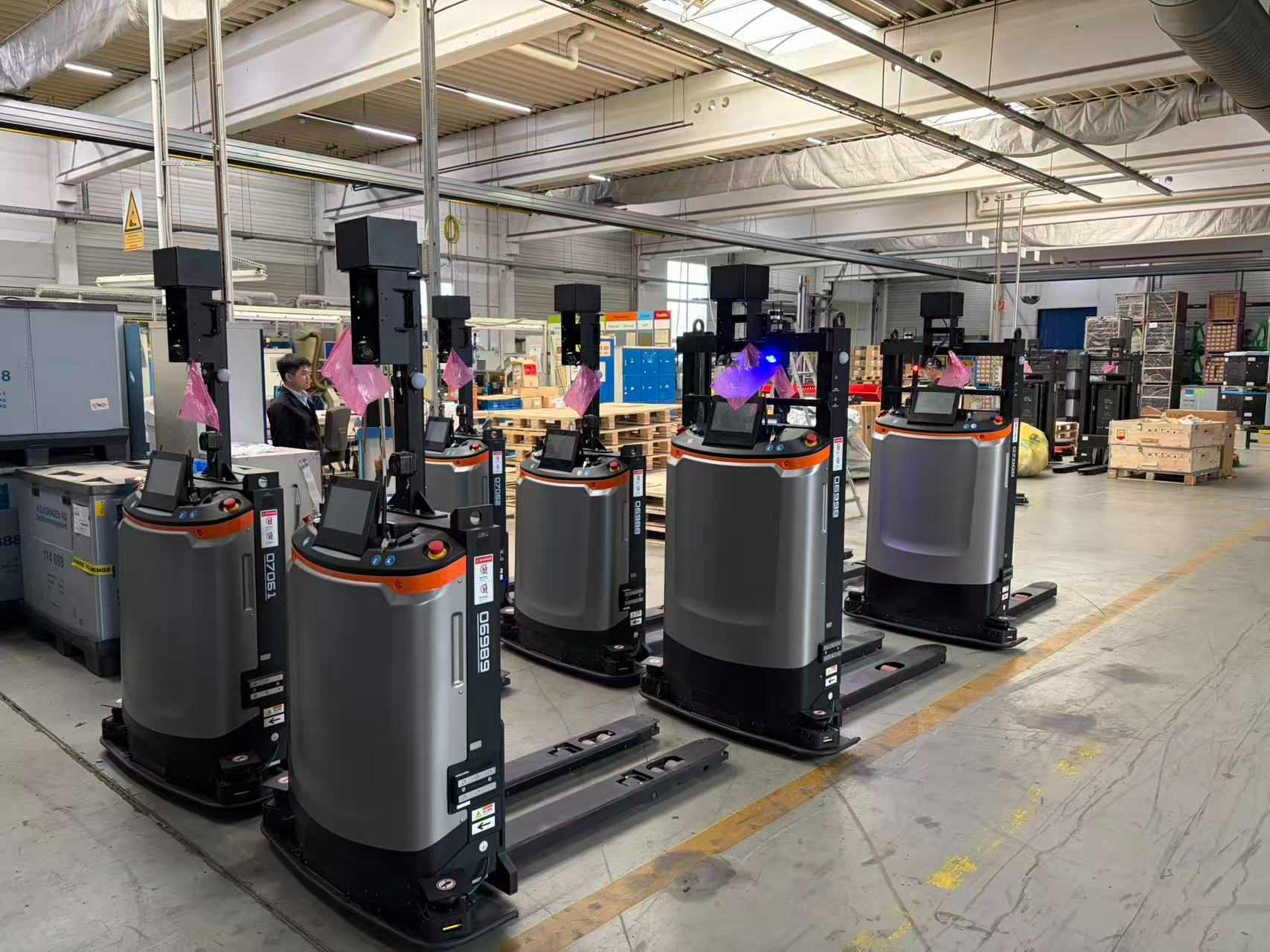
Manufacturing is shifting from standalone automation to connected, data-focused operations. During this change, intralogistics has become a top priority. This involves moving materials, parts, and finished goods within a plant. Automated guided vehicles (AGVs) help facilities replace heavy manual transport with a safer, well-organized material flow. Factories can connect these vehicles to warehouse and production software. As a result, they reduce delays, boost traceability, and react quickly to new demands.
Why Is Intralogistics Becoming a Manufacturing Priority?
Internal logistics faces growing pressure today. This comes from shorter product lifespans, changing order sizes, worker shortages, and strict delivery demands. A delayed pallet or a missing part can easily halt production. Even a blocked aisle causes quick interruptions.
How Do AGVs Reduce Material-Flow Bottlenecks?
Manual transport usually relies on set schedules and constant forklift trips. In contrast, AGVs receive jobs automatically. They move materials based on current, real-time needs. This approach helps production lines avoid parts shortages. It also prevents too much unfinished inventory and cuts down on wasted waiting time.
Why Is Traceability So Important?
Smart factories require exact details about material locations and arrival times. Connected AGVs track and log every single move. This tracking supports precise inventory counts and better production planning. It also aids quality control and allows for quick reviews if delays happen.
How Are AGVs Evolving Beyond Basic Transport?
Older AGV setups mostly handled repeating paths and fixed tracks. Today, things are different. Manufacturers now want mobile robots to act as adaptable tools. They expect these machines to fit into a larger digital network.
How Are Navigation and Fleet Control Becoming More Flexible?
Modern AGVs use various methods to find their way. They might rely on lasers, cameras, QR-codes, or natural landmarks inside the building. Fleet-control software handles the daily details. It hands out jobs, directs traffic, picks paths, and spreads out the work evenly. Because of this, a factory can start with a small test project. Later, they can grow the system without completely redoing their material-handling setup.
How Are Different AGV Types Supporting Specialized Tasks?
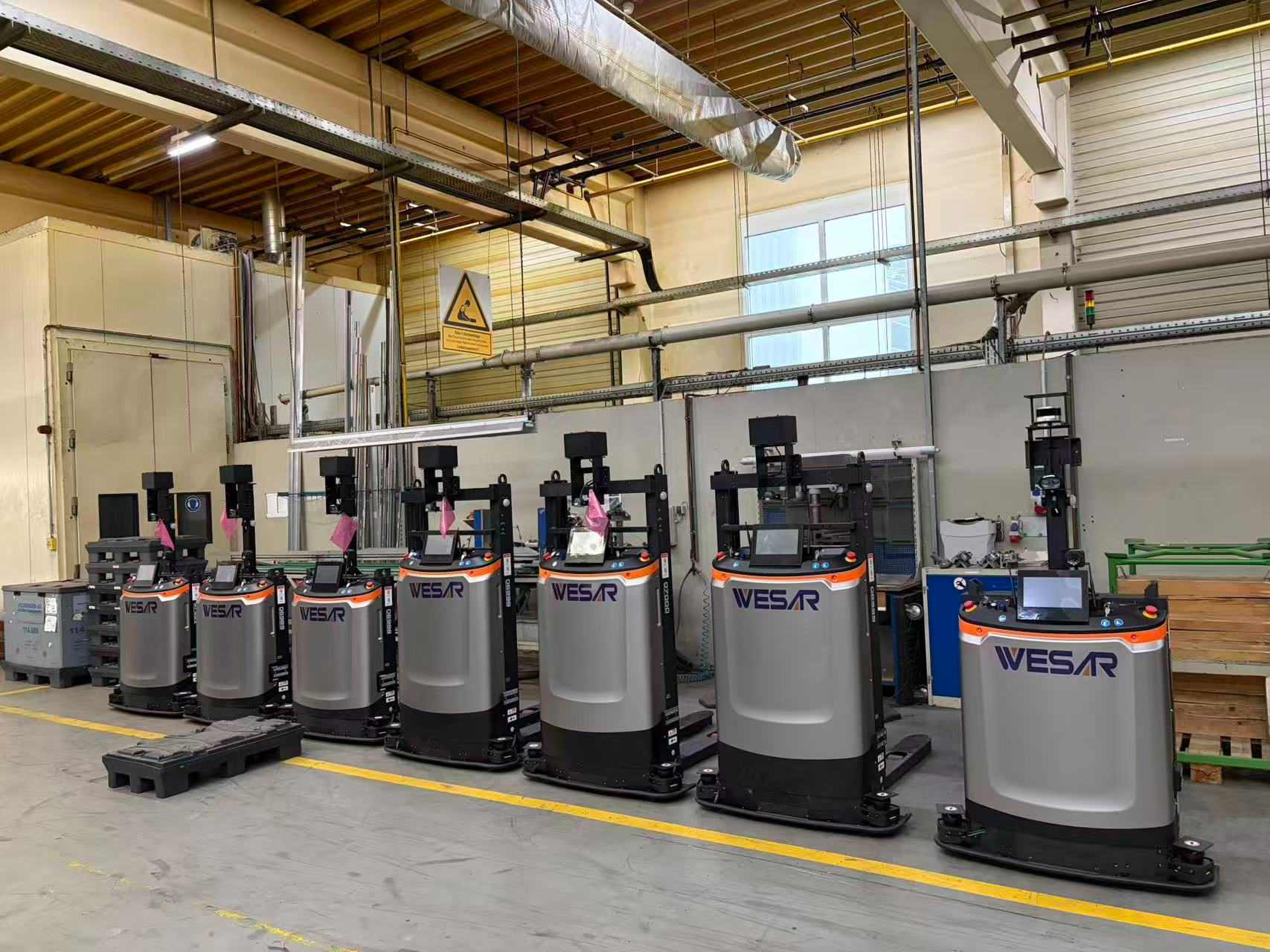
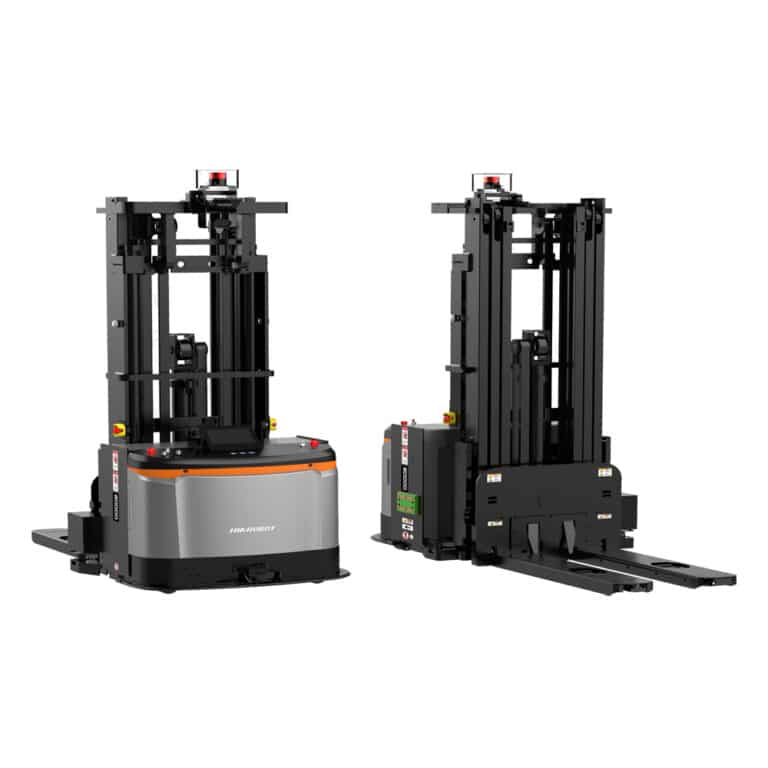
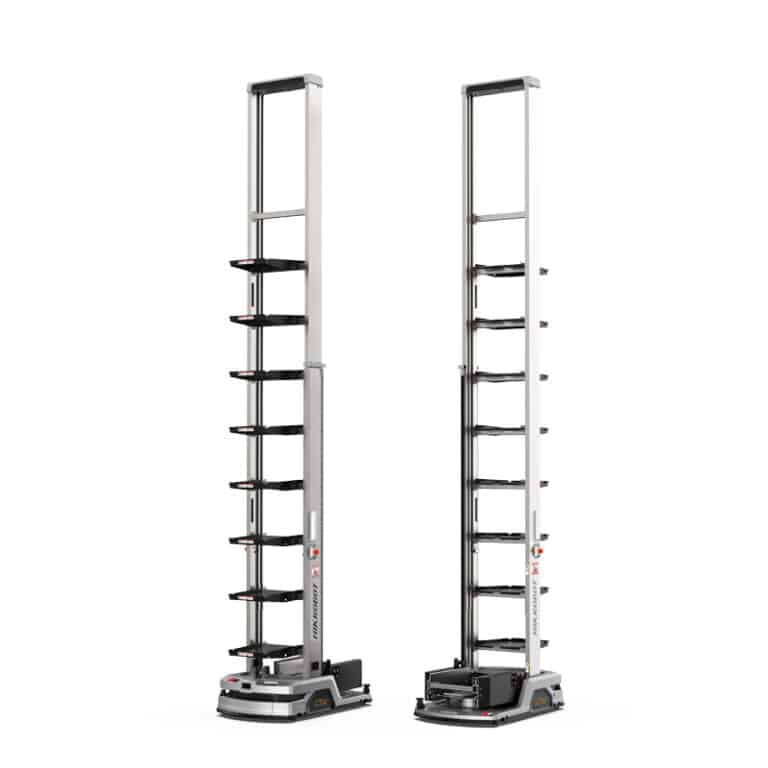
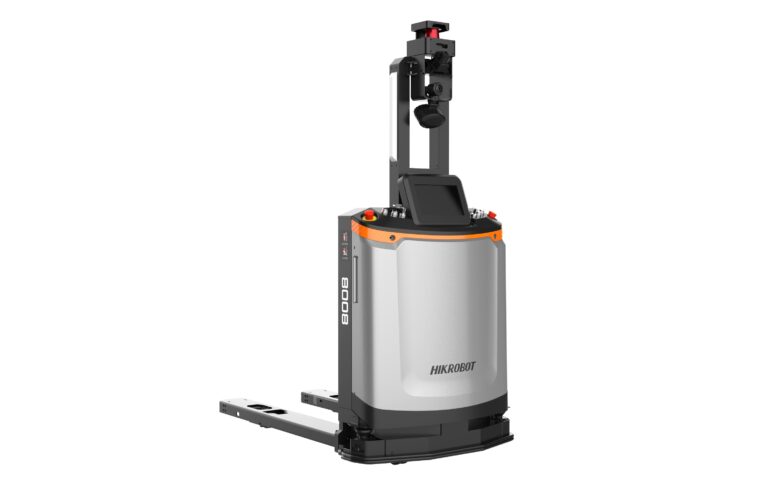
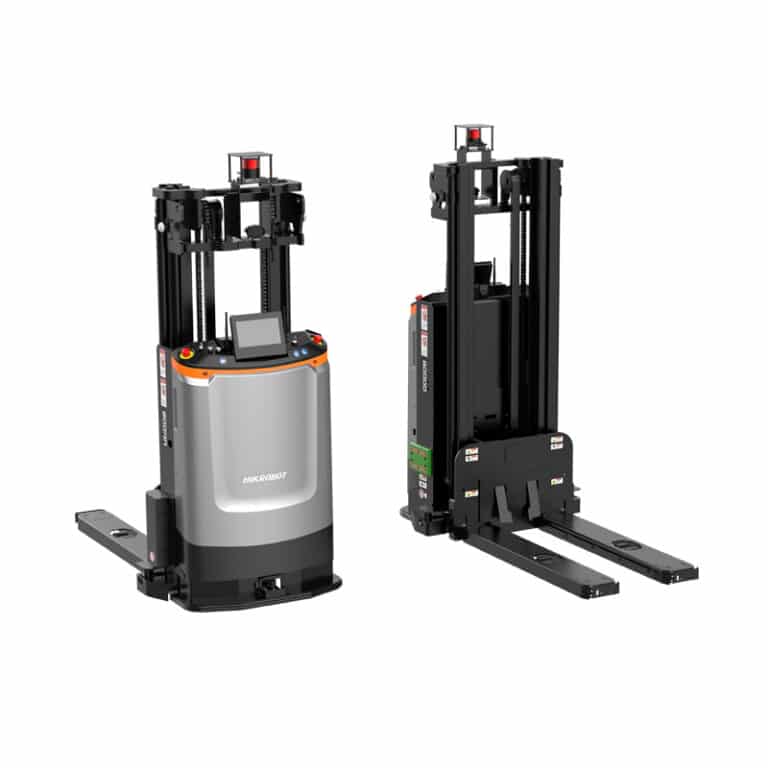
Factories no longer rely on a single robot style for all tasks. Low-profile robots easily move racks or pallets. Forklift robots handle lifting and stacking duties. Carton transfer units assist with goods-to-person steps. Meanwhile, heavy-duty robots transport massive industrial loads. Wesar’s portfolio features latent, forklift, carton-transfer, conveyor, heavy-duty, and mobile collaborative robots.
How Does Software Make AGVs Smarter?
An AGV fleet becomes much more valuable when linked to operational software. The future of intralogistics will not rely heavily on isolated machines. Instead, it will depend on shared choices across the warehouse and the production floor.
How Do WMS, MES, and Robot Control Systems Work Together?
A warehouse management system can send out inventory orders. At the same time, an MES alerts the floor about production needs. Then, a robot control system picks the best vehicle for the job. Material control software links conveyors, storage units, workstations, and robots together. This teamwork builds a steady flow of information from raw storage to final goods handling.
How Will Real-Time Data Improve Decisions?
Live operating data uncovers traffic jams and wasted idle time. It also shows battery levels, job lists, and overall vehicle use. Managers use this data to change routes and balance the fleet. They can plan repairs and check system capacity. Digital-twin tools help test layout or production shifts. This lets teams see logistics impacts before making real-world changes. Wesar highlights integrated scheduling, visual tracking, and digital teamwork as key parts of connected manufacturing.
Which Trends Will Shape AGV Adoption?
AGV spending now links closely to larger company goals. These targets include flexibility, toughness, safety, and digital upgrades. Industry studies point to robotics and automation as huge factors. Artificial intelligence and full system control also drive major supply-chain changes.
Why Will Modular Automation Grow?
Manufacturers prefer solutions that begin with a single process and grow later. Modular fleets allow companies to spend money in stages. They can automate the busiest routes first. Later on, they can add more vehicles, work areas, or software tools. This step-by-step method cuts down project risks. It also makes automation highly accessible for medium-sized factories.
Why Will Human-Robot Collaboration Matter?
The main goal is not to replace humans in every single task. AGVs offer the most value by doing boring, repetitive transport. This frees up employees to focus on quality checks and machine upkeep. Workers can also handle supervision and process upgrades. Safe obstacle detection and strict traffic control stay very important. Clear zones for human-robot interaction will always be needed.
How Will Sustainability Influence AGV Selection?
Manufacturers now care deeply about power use and battery health. They also focus on machine lifespan and cutting down waste. Smart routing helps vehicles avoid useless trips. Automated restocking keeps extra inventory low and stops material damage. In the future, buyers will judge suppliers on easy maintenance and long-term support. A good initial delivery is no longer the only factor.
Why Is Wesar Intelligence Co., Ltd. a Reliable AGV Supplier?
Picking an AGV partner takes more than checking payload, speed, or guidance tech. Manufacturers also require solid system design and smooth software links. They need proper setup help and reliable long-term service.
What Does Wesar Provide?
Wesar Intelligence Co., Ltd. acts as a complete provider for smart factory solutions. The company holds nearly twenty years of industry experience. Its lineup includes AGV robots, WMS, ASRS, and conveyors. It also features custom material-flow setups and production-line automation. Furthermore, the firm offers expert consulting and software creation. They handle equipment building, project rollout, and steady after-sales support.
Why Does Its Project Experience Matter?
AGV success relies on smart route planning and accurate volume math. It also needs strict safety rules, solid software links, and proper testing. Wesar has completed projects in home appliances, car making, paper production, and global logistics. These projects include setups that mix mobile robots with storage units, conveyors, and control platforms.
Conclusion
AGVs will take a leading role in modern factories. These plants need adaptable, clear, and quick material movement. The best results happen when robots connect with inventory, production, and scheduling tools. Analytics platforms also add huge value. Manufacturers must treat intralogistics as one united system. Doing this helps them boost output, lower delays, and adjust to future market needs.
FAQs
Can AGVs Be Added to an Existing Factory?
Yes, they can. Teams can roll out many projects in stages. They usually start with steady, repeating paths. A site check should look at aisle widths and floor quality. It must also review foot traffic, software links, safety rules, and planned output volumes.
How Many AGVs Does a Factory Need?
The right fleet size relies on travel distances and job frequency. Loading times, charging plans, floor traffic, and peak rushes also matter. Experts suggest a deep cycle-time study or a digital simulation before making a final choice.
What Should Manufacturers Look for in an AGV Supplier?
Buyers should look for fitting robot types and stable fleet-control software. Smooth system linking and strong safety engineering are vital. Custom options, setup help, spare parts, and long-term service are also key factors. The supplier must provide a fully working system, rather than just selling standalone vehicles.






 English
  Russian
  Chinese
  Japanese
  Italian
  Korean
  Spanish
  Arabic
  French
  German