
На современных производственных предприятиях, Решения для автоматизированных транспортных средств (AGV) служат Они представляют собой гораздо больше, чем просто средства транспортировки. Они функционируют как жизненно важный компонент более широкой интеллектуальной логистической системы. Эта система связывает производственные линии, склады, рабочие места, зоны погрузки и программное обеспечение для управления. Для промышленных предприятий достижение успешного результата имеет первостепенное значение. проект AGV Это требует гораздо большего, чем просто выбор модели робота. Необходимо заблаговременное планирование и обследование на месте. Также требуется разработка индивидуального решения, технические переговоры и профессиональное внедрение. Кроме того, необходимы обучение операторов и окончательная приемка проекта. Компания Wesar Intelligence Co., Ltd. поддерживает весь этот процесс. Компания предоставляет индивидуальные решения на основе автоматизированных транспортных средств (AGV) для промышленного применения. Таким образом, она помогает заводам превратить простую идею автоматизации в надежную, практичную и высокопроизводительную логистическую систему.
Как начинается проект по созданию автоматизированных транспортных средств (AGV) с первоначальной идеи заказчика?
Каждый проект, связанный с автоматизированными транспортными средствами (AGV), обычно начинается с практической потребности клиента. Клиент может хотеть сократить ручную обработку материалов или повысить точность доставки. В качестве альтернативы, он может хотеть связать складские и производственные зоны. Он также может стремиться снизить нагрузку на рабочую силу, вызванную повторяющимися задачами по транспортировке.
Концепция взаимодействия с клиентом и первоначальная коммуникация
Первоначально клиент излагает основную концепцию проекта. Обсуждение может касаться типа материалов, требующих транспортировки, и существующего логистического маршрута. Оно также может включать необходимую частоту перевозок, габариты и вес грузов, а также желаемую цель автоматизации. Например, предприятию могут потребоваться автоматизированные транспортные средства (AGV) для перемещения паллетов из зоны хранения на производственную линию. Они также могут потребоваться для перемещения полуфабрикатов между рабочими местами или для обеспечения доставки готовой продукции.
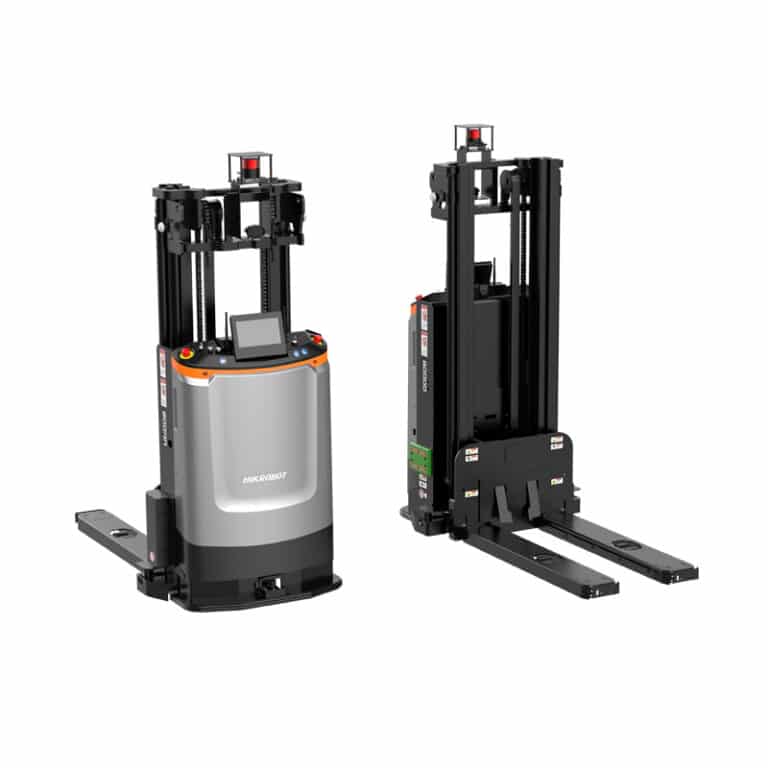
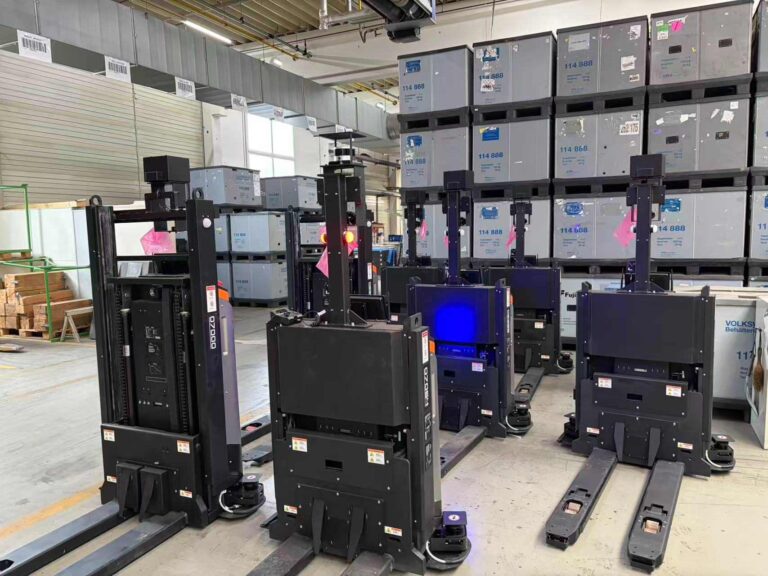
После сбора этих данных проектная группа WESAR обсуждает сценарий применения с клиентом. Цель состоит в том, чтобы определить, соответствует ли проект поставленным задачам. Скрытые автоматизированные транспортные средства (AGV), автоматизированные транспортные средства для вилочных погрузчиков, автоматизированные транспортные средства конвейерного типа, автоматизированные транспортные средства для тяжелых условий эксплуатации.или комбинированное решение. Ассортимент продукции и решений WESAR включает в себя роботов AGV, системы управления складом (WMS) и автоматизированные системы хранения и поиска (ASRS) со стеллажами. В сферу деятельности также входит логистическое оборудование, конвейеры, мобильные погрузочные платформы и различные другие инструменты для заводской логистики.
Встречи и технические дискуссии
После определения основной концепции обе стороны приступают к более тщательному обсуждению. Инженеры, менеджеры проектов и представители заказчика часто оценивают производственный процесс. Они также рассматривают логистические проблемы, правила техники безопасности, методы стыковки и потребности в интеграции программного обеспечения.
Этот этап имеет решающее значение. Многие проекты по созданию автоматизированных транспортных средств терпят неудачу, когда первоначальные требования слишком расплывчаты. Правильно структурированное техническое совещание помогает определить правильный курс до того, как будет разработано решение.
Почему важно провести обследование на месте перед внедрением решения с использованием автоматизированных транспортных средств (AGV)?
Планировка завода, нарисованная на бумаге, может показаться простой. Однако в реальной рабочей среде часто встречаются узкие проходы и общие пешеходные дорожки. Также она включает в себя погрузчики, неровные поверхности, временные зоны хранения, опорные колонны, двери, лифты и специально отведенные зоны безопасности.
Осмотр объекта и сбор данных
В ходе обследования объекта инженеры оценивают реальные условия работы. Они проверяют ширину маршрутов, доступное пространство для разворота и состояние пола. Они также отмечают места зарядки, точки посадки и высадки пассажиров, движение транспорта и потенциальные препятствия. Кроме того, они могут задокументировать расположение производственного оборудования, складских стеллажей, конвейерных систем, дверей, лифтов и зон для ручной работы.
Обследование на месте предоставляет проектной группе фактические данные, а не предположения. Эта информация помогает в выборе типа робота и метода навигации. Она также способствует планированию маршрута, стратегии зарядки, мер безопасности и необходимой интеграции программного обеспечения.
Соответствие заводскому процессу
После осмотра объекта решение по использованию автоматизированных транспортных средств (AGV) должно соответствовать фактическому темпу производства клиента. Например, для быстро работающей производственной линии требуется надежное планирование задач и минимальные периоды ожидания. Для складского проекта может потребоваться интеграция с системой управления складом (WMS). Проект, ориентированный на обработку паллет, может потребовать использования AGV-погрузчиков, оснащенных возможностями точной стыковки.
На странице решений WESAR указано, что их промышленные решения предназначены для различных отраслей. К ним относятся производство 3C-оборудования, общее производство, розничная торговля, пищевая и фармацевтическая промышленность, автомобильная промышленность, электронная коммерция и энергетика. Такой широкий спектр применений делает особенно важным соответствие конкретному технологическому процессу.
Как разрабатывается и утверждается индивидуальное решение для автоматизированных транспортных средств (AGV)?
После завершения первоначального диалога и обследования объекта проект переходит в фазу проектирования решения. На этом этапе концепция клиента трансформируется в детальную техническую и коммерческую стратегию.
Разработка решения и внутренний анализ
Поставщик автоматизированных транспортных средств (AGV) разрабатывает индивидуальное решение, используя собранные данные. Эта стратегия обычно включает выбор модели робота, планирование транспортных маршрутов и размещение рабочих мест. Она также подробно описывает метод зарядки, структуру системы, протоколы безопасности, последовательность задач и этапы реализации проекта.
Для сложных проектов также учитывается интеграция программного обеспечения. Автоматизированные транспортные средства (AGV) могут нуждаться во взаимодействии с системами управления складом (WMS), системами управления производством (MES), системами планирования ресурсов предприятия (ERP) или конвейерами. Им также может потребоваться подключение к автоматическим дверям, лифтам или оборудованию производственной линии. Компания WESAR зарекомендовала себя как комплексный поставщик решений для интеллектуальных заводов. Она предлагает консультационные услуги и планирование, разработку программного обеспечения и производство оборудования. Компания также занимается реализацией проектов, послепродажной поддержкой и интеграцией технологий.
Переговоры, доработка и окончательное подтверждение.
После представления первоначального решения обе стороны изучают детали. Клиент может запросить изменение маршрутов или добавление дополнительных станций. Он также может запросить изменение количества роботов, корректировку зон безопасности или изменение методов стыковки. Затем поставщик вносит соответствующие изменения в план.
Этот этап может включать в себя несколько циклов обсуждений. Цель состоит не только в окончательном согласовании технического плана. Важно также убедиться в достижимости бюджета проекта, сроков поставки и операционных результатов. После того, как обе стороны согласятся с решением, поставщик выставляет официальное коммерческое предложение.
Что происходит до начала реализации проекта?
Прежде чем инженеры прибудут на завод для установки, обе стороны должны согласовать технические и коммерческие детали. Этот шаг предотвращает недоразумения на последующем этапе монтажа.
Предложение и техническое соглашение
После утверждения решения компания WESAR составляет коммерческое предложение, исходя из масштаба проекта. Это предложение может включать роботов, программные системы и дополнительное оборудование. Оно также охватывает установку, отладку, обучение и послепродажную поддержку.
Впоследствии заключается техническое соглашение. Этот документ, как правило, описывает технические характеристики робота, критерии выполнения задач и планировку. В нем также подробно описываются программные интерфейсы, правила техники безопасности, сроки проекта, критерии приемки и обязательства обеих сторон. Отдельное техническое соглашение является важной гарантией эффективной реализации проекта.
Подготовка к развертыванию завода
Перед прибытием инженеров на объект заказчик, как правило, подготавливает заводское оборудование. Эта подготовка может включать расчистку дорожек и проверку наличия электропитания. Она также включает в себя настройку сетевого доступа, обозначение зон стыковки, подготовку соединений оборудования и согласование производственных графиков.
Тщательная подготовка помогает свести к минимуму задержки после прибытия команды внедрения на место.
Как система автоматизированных транспортных средств (AGV) внедряется на заводе?
После заключения соглашения и подготовки площадки проект переходит в фазу реализации. Именно в этот момент решение с использованием автоматизированных транспортных средств (AGV) превращается в функциональную систему.
Инженеры-отладчики входят на объект.
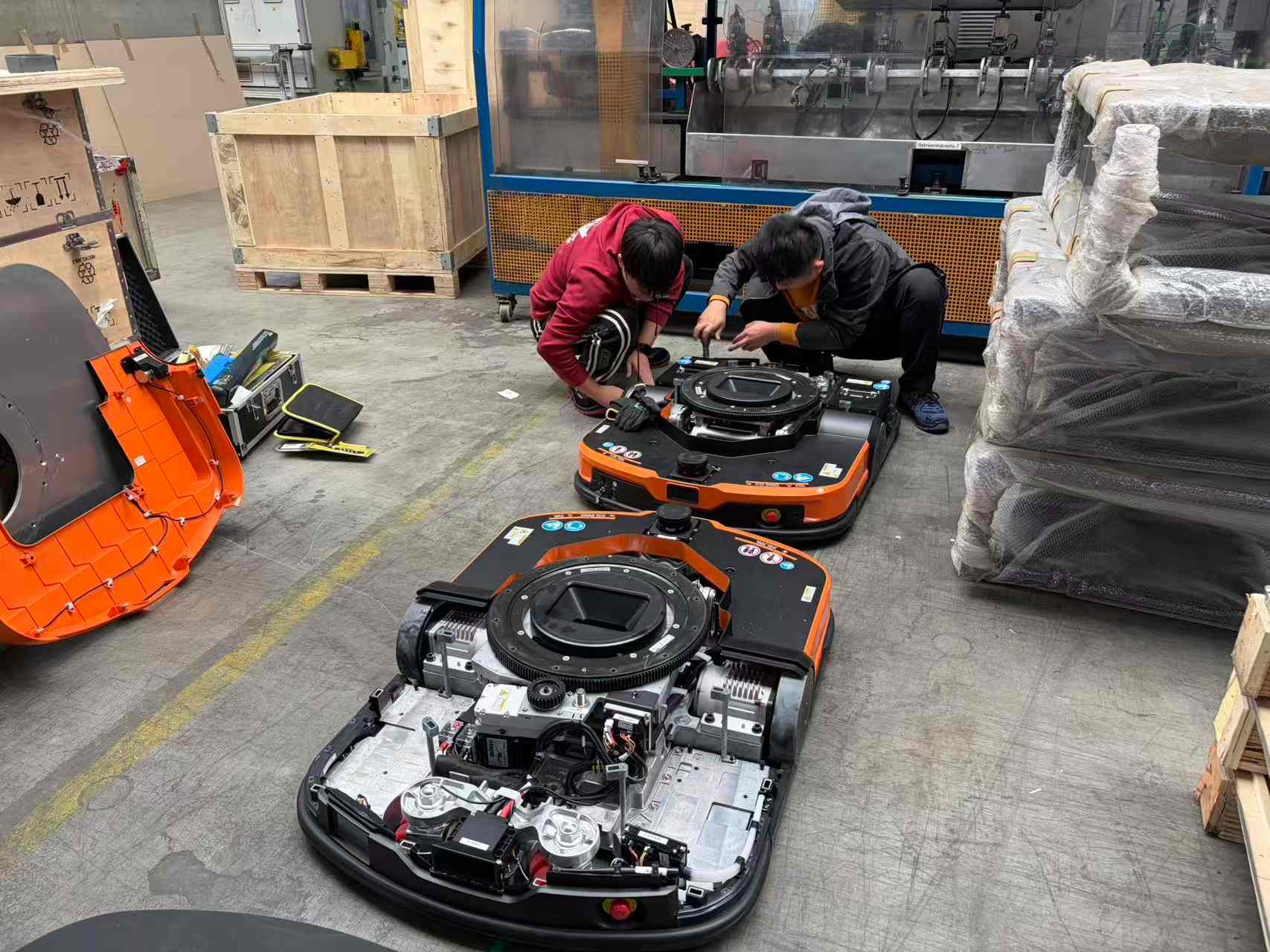
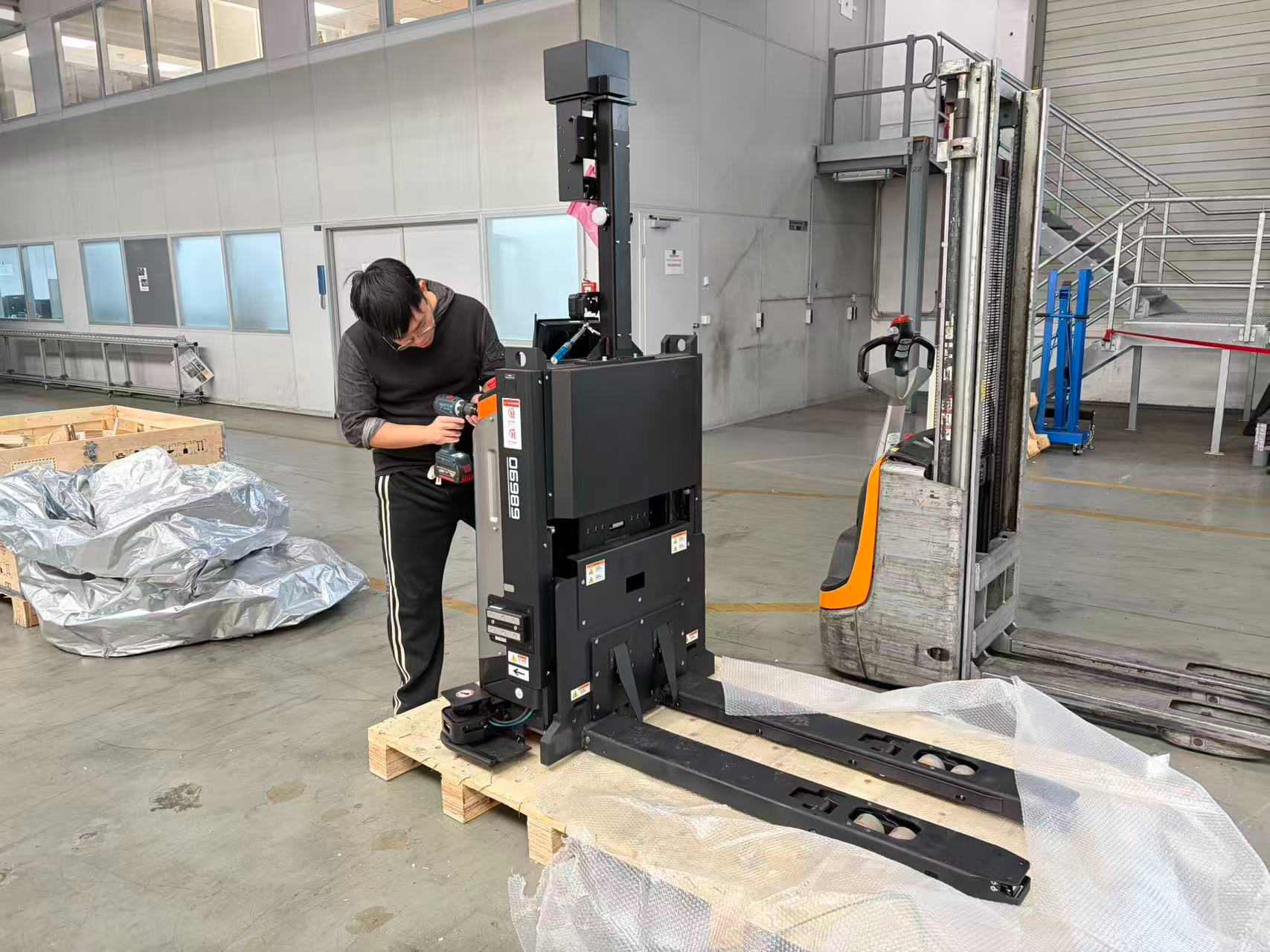
Инженеры-отладчики компании WESAR прибывают на завод клиента и начинают внедрение системы на месте. Команда проверяет, соответствует ли фактическая настройка утвержденному плану. Они также взаимодействуют с инженерным, ИТ, производственным и техническим персоналом клиента.
В профиле компании WESAR подчеркивается наличие специализированной команды по установке и послепродажному обслуживанию на объекте, что гарантирует удовлетворенность клиентов. Эта поддержка имеет решающее значение, поскольку промышленные проекты с использованием автоматизированных транспортных средств (AGV) часто требуют оперативной реакции на этапе развертывания.
Сканирование среды и развертывание
Инженеры сканируют рабочее пространство и создают карту, необходимую для навигации автоматизированных транспортных средств (AGV). Они прокладывают маршруты, устанавливают станции и определяют задачи. Кроме того, они устанавливают места зарядки, ограничения скорости, зоны безопасности и правила организации дорожного движения.
Если система AGV должна взаимодействовать с другим оборудованием, команда также оценивает связь с конвейерами, системами управления складом и производственными сетями. Они проверяют также соединения с автоматическими дверями или внешними устройствами. Цель состоит в том, чтобы обеспечить бесперебойную работу AGV в рамках текущего операционного процесса клиента.
Как осуществляется отладка, тестирование и оптимизация автоматизированных транспортных средств (AGV)?
Отладка — один из важнейших этапов реализации проектов по внедрению автоматизированных транспортных средств (AGV). Даже если конструкция безупречна, реальная работа на заводе может выявить незначительные проблемы, требующие исправления.
Отладка и устранение неполадок автоматизированных транспортных средств (AGV).
Инженеры оценивают мобильность автоматизированных транспортных средств (AGV), точность позиционирования и способность объезжать препятствия. Они также тестируют переходы между маршрутами, распределение задач, процедуры зарядки и механизмы аварийной остановки. Кроме того, они проверяют, может ли робот успешно выполнить весь цикл транспортировки от погрузки до доставки.
На этом этапе могут возникать проблемы. Например, может потребоваться изменение траектории движения или более точное позиционирование станции. Кроме того, может потребоваться тонкая настройка какого-либо параметра программного обеспечения. Инженеры последовательно устраняют эти сложности до тех пор, пока система не достигнет надежной работы.
Тестовый запуск и поддержка в процессе эксплуатации
После первоначальной отладки система автоматизированных транспортных средств переходит в режим пробной эксплуатации. Роботы начинают функционировать в условиях, приближенных к реальным производственным условиям. Инженеры контролируют выполнение задач, управление движением, взаимодействие человека и машины, а также любые нештатные ситуации.
Этот этап позволяет клиенту наблюдать за работой системы в режиме реального времени. Он также предоставляет поставщику возможность уточнить конкретные детали перед окончательной приемкой.
Почему необходимы обучение, сопровождение в процессе производства и приемка?
Система автоматизированных транспортных средств (AGV) должна быть проста в управлении для персонала клиента после ухода поставщика. Следовательно, всестороннее обучение и сопровождение производства имеют решающее значение.
Обучение пользователей
Инженеры WESAR проводят обучение операторов, обслуживающего персонала и системных администраторов заказчика. Обучение может охватывать активацию и деактивацию автоматизированных транспортных средств (AGV), создание задач и основные методы устранения неполадок. Оно также включает процедуры зарядки, меры безопасности, работу с программным обеспечением и регулярное техническое обслуживание.
Эффективное обучение сводит к минимуму будущие простои в работе. Оно также помогает сотрудникам клиента обрести доверие к новой автоматизированной системе.
Сопровождение производства и приемки проекта.
В ходе сопровождения производства инженеры остаются на объекте, чтобы оказывать помощь в выполнении реальных производственных операций. Они помогают в решении непредвиденных проблем и корректировке настроек. Они также обеспечивают правильное использование системы операторами.
После того как система начнет надежно работать и будет соответствовать согласованным критериям приемки, обе стороны завершают процедуру приемки проекта. Это событие знаменует собой официальную передачу разработанного на заказ решения для автоматизированных транспортных средств (AGV).
Почему компания Wesar Intelligence Co., Ltd. является надежным поставщиком автоматизированных транспортных средств (AGV)?
Wesar Intelligence Co., Ltd. Компания является поставщиком комплексных решений для интеллектуальных заводов. Она специализируется на экологически чистых интеллектуальных логистических роботах, а также на проектировании и строительстве интеллектуальных заводских систем. Компания оказывает клиентам помощь на этапах планирования, проектирования, производства, монтажа и послепродажного обслуживания. В штате компании работают разработчики программного обеспечения, а также инженеры-электромеханики. Офис компании расположен в Наньтуне, на территории площадью 7000 квадратных метров.
Для клиентов, ищущих индивидуальные решения в области автоматизированных транспортных средств (AGV), сила WESAR заключается в ее способности интегрировать оборудование, программное обеспечение, планирование, выполнение и поддержку. WESAR не просто поставляет оборудование AGV, а помогает клиентам разрабатывать комплексную стратегию управления материальными потоками в промышленных условиях.
Заключение
Успешный проект по внедрению автоматизированных транспортных средств (AGV) не реализуется мгновенно. Он начинается с первоначальной концепции клиента, включает в себя встречи и обследование на месте. Затем следует разработка решения, переговоры, доработка и подтверждение. После этого составляется коммерческое предложение и техническое соглашение. Процесс продолжается с прибытием инженера, сканированием окружающей среды и развертыванием. Наконец, он включает в себя отладку AGV, решение проблем, обучение, сопровождение производства и окончательную приемку.
Для промышленных клиентов такой организованный подход минимизирует проектные риски и повышает стандарты выполнения работ. Предлагая индивидуальные решения для автоматизированных транспортных средств (AGV) и всестороннюю поддержку проектов, WESAR помогает заводам преобразовывать концепции автоматизации в функциональные логистические системы. Эти системы способны поддерживать повседневное производство, складскую деятельность и обеспечивать устойчивое повышение эффективности.
Часто задаваемые вопросы
В1: Какую информацию должен подготовить заказчик перед началом проекта по внедрению автоматизированных транспортных средств (AGV)?
Клиентам необходимо согласовать основные детали, касающиеся перевозимых материалов и веса груза. Также им следует определить места погрузки и разгрузки, протяженность маршрутов и частоту перевозок. Кроме того, они должны описать планировку завода, существующие логистические проблемы и желаемые цели автоматизации.
В2: Почему поставщику автоматизированных транспортных средств необходимо посетить завод перед принятием окончательного решения?
Выезд на объект позволяет инженерам оценить реальную обстановку. Они могут осмотреть размеры проходов, качество напольного покрытия и схемы движения транспорта. Они также проверяют зоны зарядки, расположение рабочих мест и потенциальные угрозы безопасности. Такая оценка гарантирует, что окончательное решение для автоматизированных транспортных средств будет более точным и функциональным.
В3: Какие услуги обычно предоставляются после установки автоматизированных транспортных средств (AGV)?
После установки стандартные услуги, как правило, включают настройку среды, отладку автоматизированных транспортных средств (AGV) и установку программного обеспечения. Они также включают устранение неполадок, обучение операторов, сопровождение производства, приемку проекта и постоянную техническую поддержку.






 Russian
  English
  Chinese
  Japanese
  Italian
  Korean
  Spanish
  Arabic
  French
  German