
Как автоматизация склада продолжает развиваться в направлении более высоких уровней интеллекта и гибкости. Навигация AGV Технологии стали критически важным фактором, влияющим на производительность системы, масштабируемость и долгосрочные эксплуатационные расходы. Среди наиболее распространенных решений, лазерная навигация и Навигация по QR-коду представляют собой два принципиально разных подхода к автономному позиционированию и управлению маршрутом.
Системы лазерной навигации обеспечивают высочайшую точность и адаптивность к динамичным складским условиям, используя карты окружающей среды в реальном времени и позиционирование с помощью лидара. В отличие от лазерной навигации, навигация на основе QR-кодов использует предварительно установленные визуальные маркеры для направления автоматизированной транспортной системы (AGV) по фиксированным маршрутам в структурированных средах с минимальными затратами.
Для операторов складов, системных интеграторов и производственных компаний, стремящихся внедрить автоматизированные транспортные средства (AGV), крайне важно понимать различия между лазерной навигацией и навигацией по QR-коду как базовой технологией при выборе автоматизированных транспортных средств. В этой статье мы более подробно описываем две технологии, включая принцип работы, различия в производительности, варианты использования и перспективы развития автоматизации складов.
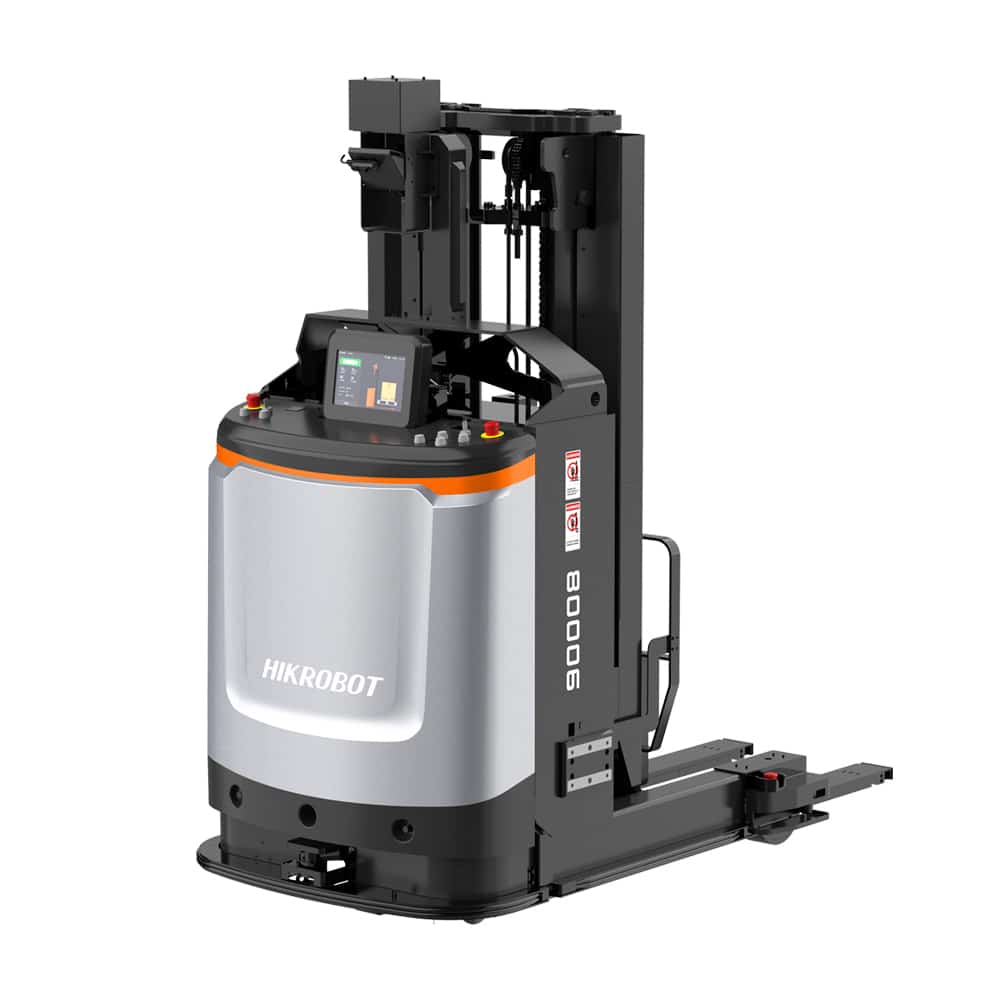
Как работают лазерные и QR-кодовые навигационные системы в автоматизированных транспортных средствах (AGV)?
Лазерная навигация и навигация с помощью QR-кодов — две ключевые технологии, позволяющие автоматизированным транспортным средствам (AGV) автономно передвигаться по складам. Оба метода основаны на разных принципах локализации и требуют различной инфраструктуры для эффективного и точного управления и транспортировки товаров.
Принципы лазерной навигации
Лазерная навигация использует лидар или сканер навигационной системы для обнаружения отражателей, а также других объектов окружающей среды. Все обнаруженные объекты регистрируются на постоянно обновляемой пространственной карте окружающей среды. Это используется для немедленного создания карты окружающей среды, которая применяется для точной локализации автоматизированной транспортной системы (AGV) и для динамической коррекции текущего маршрута. Лазерная навигация непрерывно измеряет расстояние до известных системе отражателей. Таким образом, достигается максимально возможная точность в миллиметровом масштабе. Поэтому лазерная навигация особенно подходит для использования в очень больших и гибких складских помещениях.
Принципы навигации по QR-коду
Для визуального позиционирования мы внедрили навигацию с помощью QR-кодов. В этом типе навигации QR-коды крепятся к полу или стене, и автоматизированная транспортная система (AGV) использует встроенную камеру для считывания кодов, чтобы определить свое местоположение в окружающей среде. Точность навигации с помощью QR-кодов зависит от количества кодов на заданной площади и степени их распределения. Большее количество кодов, распределенных на заданном расстоянии, обеспечивает более точное позиционирование на больших прямых участках в условиях фиксированной среды.
В чём заключаются основные преимущества лазерной навигации в автоматизации складских операций?
Лазерная навигация пользуется большой популярностью благодаря высокой точности, гибкости и адаптивности к меняющейся среде. Во многих отраслях промышленности планировка помещений часто меняется.
Высокая точность и стабильность
Лазерные навигационные системы обеспечивают более высокую точность определения местоположения по сравнению с системами, основанными на использовании маркеров. Благодаря непрерывному сканированию окружающей среды, даже частично заслоненные отражатели обрабатываются корректно. Это позволяет минимизировать типичные кумулятивные ошибки на длинных маршрутах внутри объекта.
Гибкость в изменении планировки.
В отличие от решений на основе QR-кодов, автоматизированные транспортные средства с лазерным наведением не зависят от физических маркеров. В результате складские операции остаются гибкими и легко адаптируются к любым изменениям в планировке складских помещений. Кроме того, благодаря отсутствию зависимости от физической инфраструктуры, значительно снижается потребность в техническом обслуживании для ремонта поврежденных или утерянных маркеров.
Расширенные возможности картографирования и обнаружения препятствий
Лазерные датчики позволяют одновременно картографировать (SLAM) и осуществлять навигацию по участку. Они способны быстро обнаруживать неожиданные препятствия. При необходимости выполняется корректировка маршрута с использованием встроенных алгоритмов предотвращения столкновений. В результате система способна безопасно и гибко работать даже в условиях высокой плотности населения. Возможна полная автоматизация процессов для предотвращения сбоев в рабочем процессе.
В каких практических приложениях навигация с помощью QR-кодов оказывается наиболее эффективной?
Поскольку навигация на основе QR-кодов не масштабируема, она, тем не менее, очень проста и экономична для небольших предприятий.
Экономическая эффективность и быстрое развертывание
Системы QR-кодирования обычно требуют минимального оборудования, такого как камеры и напечатанные коды. Они просты в настройке и могут быть развернуты очень быстро. Это экономичное решение для автоматизации небольших и средних складов, желающих перейти на автоматизированные системы без больших первоначальных инвестиций по сравнению с лазерными системами.
Надежная работа в контролируемых условиях.
Навигация с помощью QR-кода стабильна при постоянных условиях окружающей среды, например, освещенности, и чистоте пола. Она эффективна для фиксированных и в основном предсказуемых маршрутов между станциями, которые редко меняются. Например, это может быть комплектация и перемещение материалов одного типа и их размещение между другими фиксированными станциями. Наиболее эффективна для задач по перемещению материалов, имеющих повторяющийся характер.
Как эти две технологии соотносятся по показателям производительности?
При оценке навигационных систем для автоматизированных транспортных средств (AGV) можно использовать ряд критериев, включая точность систем, их масштабируемость, объем необходимого технического обслуживания и простоту адаптации.
Сравнение точности
Наша лазерная навигационная система способна достигать точности до долей сантиметра. Это достигается за счет постоянного сканирования окружающей среды и немедленной коррекции любых отклонений от заданного пути. Это резко контрастирует с системами на основе QR-кодов, которые предоставляют информацию о местоположении только путем считывания определенного количества маркеров. Чем больше расстояние между двумя кодами, тем менее точной становится система по мере прохождения заданного расстояния.
Вопросы масштабируемости
Автоматизированные транспортные средства с лазерным наведением гораздо эффективнее масштабируются на очень больших складах по сравнению с системами на основе QR-кодов. Локализация для таких средств основана на карте окружающей среды, а не на физических маркерах, поэтому при увеличении размера склада не требуется дополнительная инфраструктура. С другой стороны, система на основе QR-кодов потребует пропорционально большего количества маркеров для покрытия той же площади по мере увеличения рабочей зоны склада, что увеличит как время установки, так и затраты на техническое обслуживание.
Требования к техническому обслуживанию
Лазерные системы требуют периодической калибровки датчиков. Однако они в значительной степени не требуют технического обслуживания, поскольку в них отсутствуют контактные датчики. Системы с QR-кодами, напротив, нуждаются в регулярной очистке, а быстро изнашивающиеся QR-коды можно заменить. Они изнашиваются из-за пыли, износа и т. д., и это может повлиять на считывание.
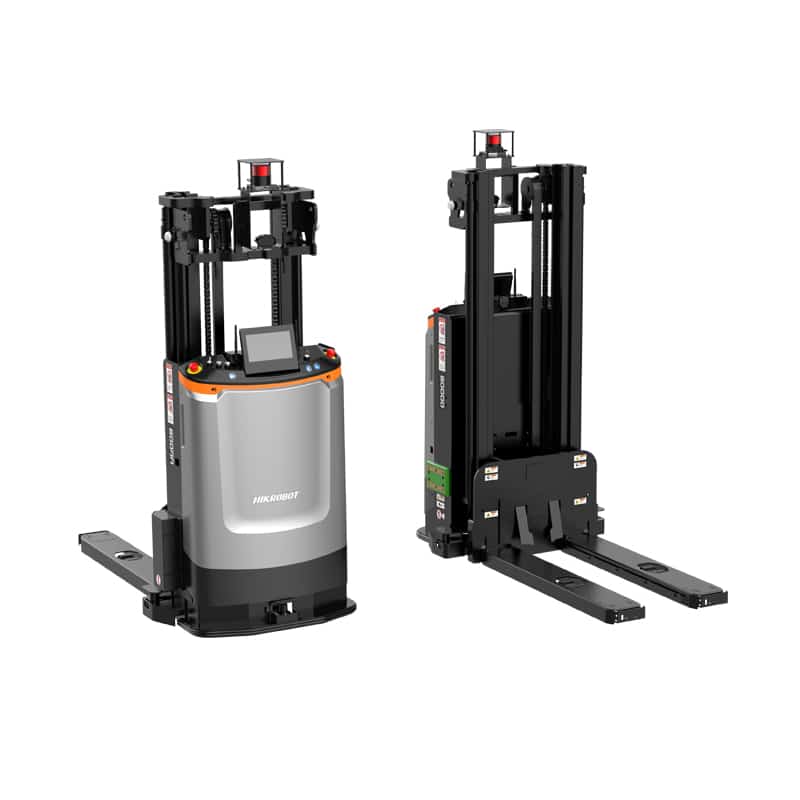
Какой метод навигации лучше соответствует будущим тенденциям автоматизации складских операций?
Поскольку автоматизация складов постоянно развивается и становится частью интеллектуальных логистических экосистем, интегрированных с IoT и ИИ, способность к масштабированию и гибкость станут ключевыми факторами, указывающими на целесообразность использования лазерных технологий.
Интеграция с системами «умного склада»
Управление автоматизированными транспортными средствами с лазерным наведением осуществляется с помощью интеллектуальных платформ управления, таких как WMS, сети IoT и оптимизация на основе искусственного интеллекта, для планирования маршрутов и управления всем парком. Актуальная карта склада повышает качество принятия решений и позволяет постоянно отслеживать движение по всему складу, в каждой его зоне.
Автоматизированные транспортные средства (AGV) превращаются в интеллектуальные логистические узлы, интегрированные с системами управления складом (WMS), системами управления производством (MES) и системами планирования ресурсов предприятия (ERP), создавая бесперебойные потоки данных и динамическое планирование. Такая интеграция обеспечивает синхронизацию операций на производственных линиях и складских помещениях — важная функция для «умных» заводов, внедряющих стандарты Индустрии 4.0.
Адаптивность к динамичной среде
Наша лазерная технология для автономного комплектования заказов поддерживает алгоритмы SLAM, которые автоматически адаптируются к изменениям окружающей среды, будь то новые стеллажи или новые маршруты. Алгоритмы не требуют ручной перекалибровки для таких изменений, комплектование заказов может продолжаться круглосуточно. Это также актуально во время перепроектирования или расширения производственных площадей.
Почему компания Wesar Intelligence Co., Ltd. является надежным партнером в области решений для автоматизированных транспортных средств (AGV)?
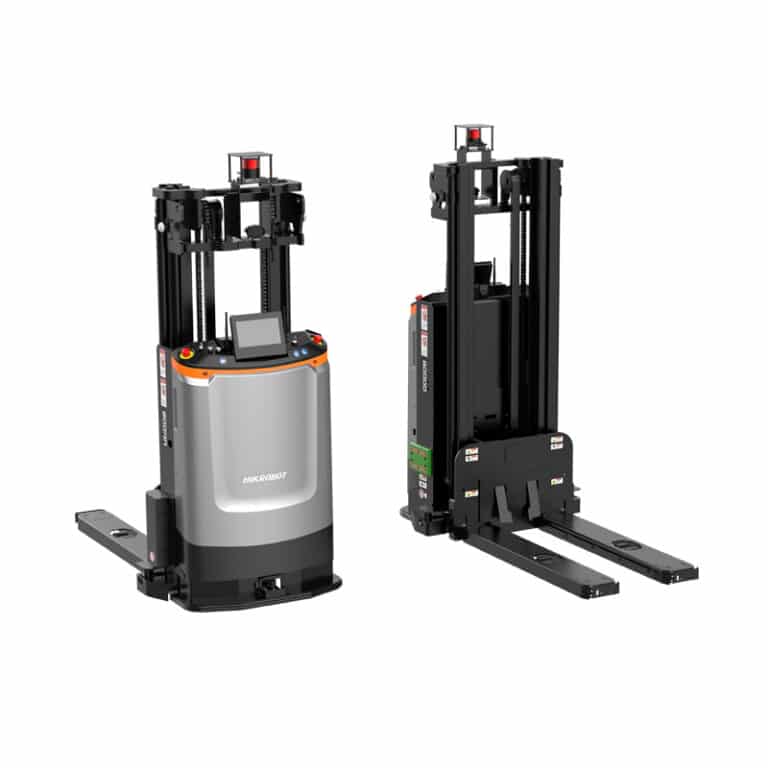
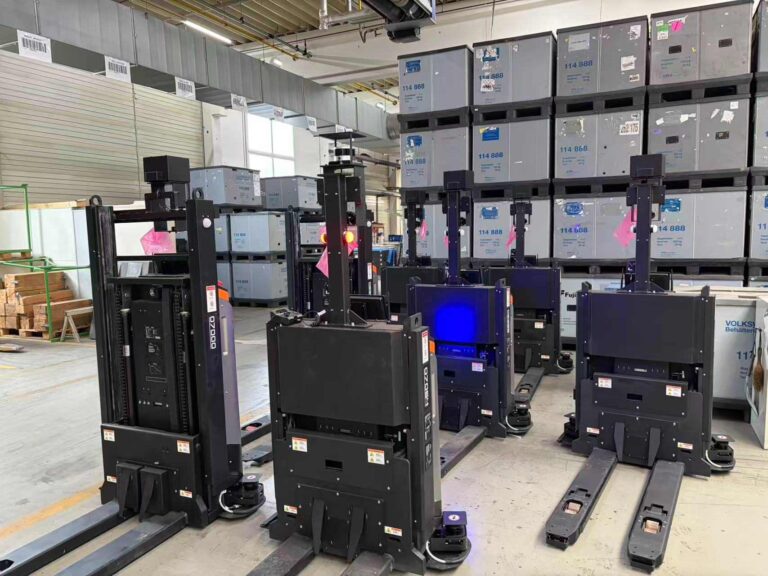
Wesar Intelligence Co., Ltd. является универсальным поставщиком решений для интеллектуальных заводов. Основные услуги включают в себя разработку экологически чистых интеллектуальных логистических роботов, а также проектирование и строительство интеллектуальных заводских систем. Предлагает широкий спектр решений по автоматизации, от простых до индивидуальных интеллектуальных решений, интегрируя высокоточную лазерную навигационную технологию с промышленной логистикой и другими процессами.
Основные преимущества компании Wesar Intelligence Co., Ltd.
- Подтвержденный опыт проектирования высококлассных автоматизированных транспортных средств, оснащенных современными системами лазерного наведения.
- Убедительный послужной список успешных проектов в различных отраслях, таких как электронная коммерция, логистика и производство.
- Комплексное сервисное обслуживание — от консультаций по системной интеграции до послепродажной технической поддержки.
- Профессиональная команда инженеров по установке и послепродажному обслуживанию на месте гарантирует удовлетворенность клиентов.
Компания Wesar — идеальный партнер для предприятий, которые хотят поэтапно внедрять автоматизацию с использованием надежных автоматизированных транспортных средств с лазерным наведением.
Какие ключевые моменты следует учитывать при выборе между лазерной навигацией и навигацией по QR-коду?
Выбор между гибридным и чисто GPS-ориентированным подходом к навигации зависит от ряда факторов, включая масштаб, бюджет, условия окружающей среды и будущие цели автоматизации.
Стратегические соображения для лиц, принимающих решения
Лазерная навигация на складе обычно лучше всего подходит для очень больших складов. В таких случаях необходима высокая точность, и лазер обладает преимуществом адаптивного картографирования. С другой стороны, для небольших складов с простым расположением товаров часто лучше всего подходит навигация с помощью QR-кодов, поскольку низкая стоимость запуска является большим преимуществом. Однако организациям, планирующим будущее, лучше всего вложить средства в масштабируемую систему, соответствующую современным тенденциям цифровой трансформации, и поэтому лучше всего подойдет интеллектуальная система навигации на основе SLAM.
Заключение: Баланс между точностью, гибкостью и стоимостью в автоматизации складских операций.
Лазерная навигация представляет собой передовую технологию автономного перемещения в автоматизации складов, сочетая непревзойденную точность с высокой адаптивностью, подходящей для динамичных промышленных условий. Хотя навигация по QR-кодам продолжает эффективно использоваться в экономически важных приложениях, перспективным предприятиям, стремящимся к устойчивому повышению эффективности, следует отдавать приоритет решениям AGV с лазерным наведением, способным беспрепятственно интегрироваться в экосистемы «умных заводов», поддерживаемые передовыми аналитическими платформами, такими как те, что предлагает компания Wesar Intelligence Co., Ltd.
Часто задаваемые вопросы
1. В чем основное различие между лазерной навигацией и навигацией с помощью QR-кода в автоматизированных транспортных средствах (AGV)?
Лазерная навигация создает карту пространства, в котором находится объект, и определяет его местоположение с высокой точностью с помощью датчиков LiDAR; системы с QR-кодами не создают карту и определяют местоположение только путем сканирования фиксированных визуальных маркеров камерами через определенные интервалы.
2. Могут ли обе технологии работать вместе в рамках одной складской системы?
Да. Многие гибридные конфигурации представляют собой даже сочетание обоих методов. Например, лазеры для глобального позиционирования и QR-код для точного позиционирования на док-станции или в точке пересадки.
3. Как освещение влияет на производительность каждой системы?
На работу лазерных датчиков не влияет окружающий свет. Однако низкая освещенность может снизить эффективность распознавания QR-кодов камерой.
4. Какие проблемы технического обслуживания существуют при использовании каждой из этих технологий?
Лазерные датчики нуждаются в периодической калибровке, но в остальном являются неинвазивными и требуют минимального обслуживания по сравнению с частыми проверками QR-кодов на наличие повреждений поверхности или загрязнений.
5. Почему лазерная навигация считается более перспективной технологией на будущее?
Он поддерживает самообучающиеся карты на основе SLAM и совместим с программным обеспечением для управления складом на основе искусственного интеллекта. Он легко масштабируется до сложных многозональных складов без необходимости в дополнительной инфраструктуре.






 Russian
  English
  Chinese
  Japanese
  Italian
  Korean
  Spanish
  Arabic
  French
  German