
Choosing the right type of automated guided vehicles for a manufacturing production line is something many factories struggle with. The technology keeps changing, production needs shift fast, and every plant has its own layout problems. Some lines move small parts all day long. Others transport heavy frames or oddly shaped items. Because of this, one single AGV model will never fit all situations.
Still, the right type of AGV can remove delays, smooth out material flow, and cut down on labor strain. So the real challenge is knowing how to match your production needs with the AGV style that does the job best. This guide breaks everything down in straightforward terms, using real factory scenarios instead of theory, so you can make a practical decision that helps your line run better.
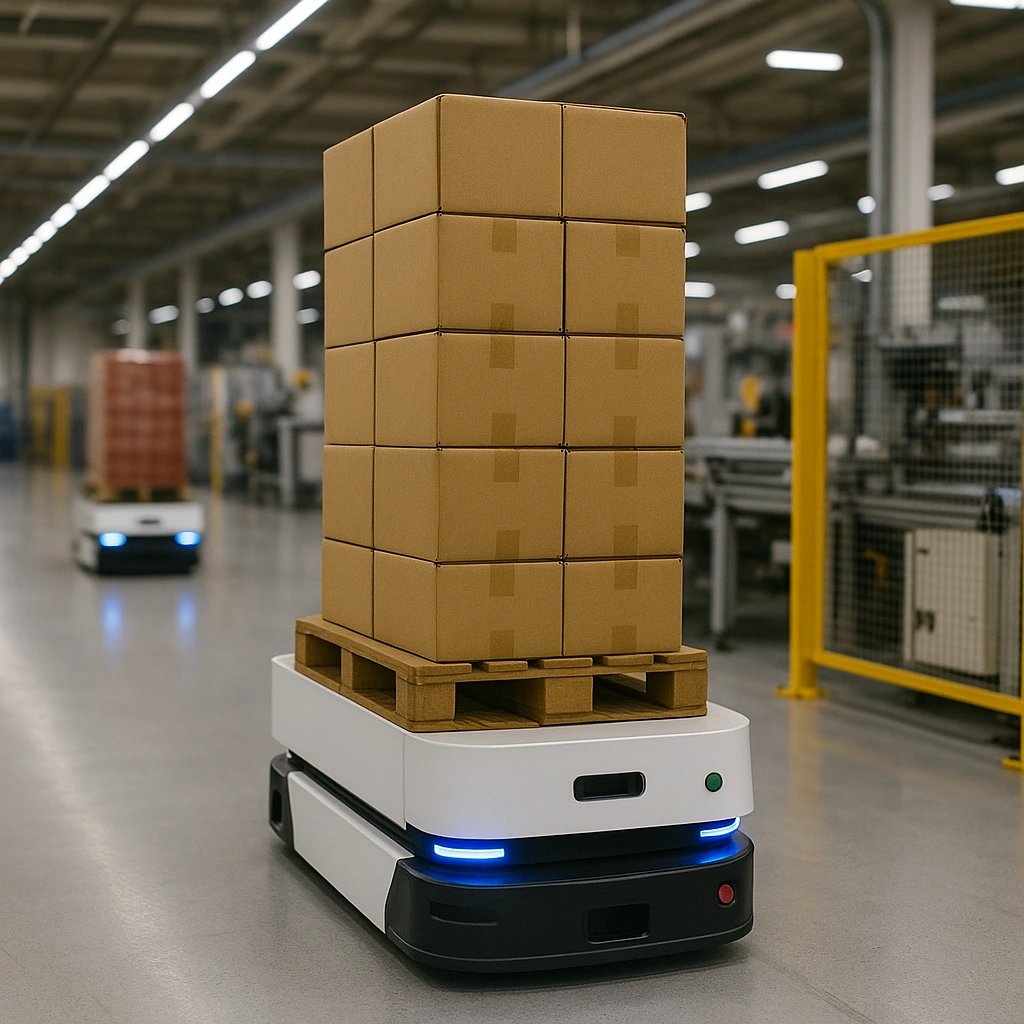
Why Automated Guided Vehicles Matter in Today’s Manufacturing Production Line
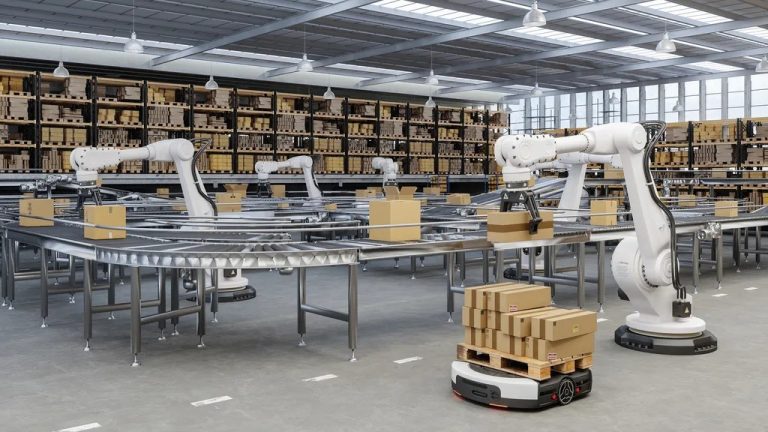
Automated guided vehicles are becoming standard equipment in plants that want stable and predictable workflows. You see them in electronics, machinery, automotive parts, appliances, and anywhere repetitive handling slows things down. They move materials across the floor, link workstations, and support operators by taking on the hauling that usually tires people out. When an AGV replaces the old push-cart routine, the whole line tends to stay balanced instead of swinging between “too much” and “not enough.”
Many factories now redesign part of their production layout around AGVs. This shift is happening because manufacturing is becoming more digital. Production schedules change quickly and require transport methods that can adjust without rewriting the entire line. AGVs fill that gap because they can follow traffic routes, report status to control software, and stay on task every hour of the day.
Before jumping into AGV types, it helps to look at how they fit into modern line design. They work with warehouse systems, automated storage, robotic cells, and packaging equipment. When every link is connected, AGVs basically act as the internal road system that keeps materials moving.
Common Types of AGVs Used in Manufacturing Production Lines
Factories often start AGV selection by looking at size, load, and navigation. But a better approach is looking at how the AGV behaves on the floor. That makes the differences much easier to judge.
Towing AGVs
Towing AGVs pull carts full of materials between areas. They are simple, tough, and great for moving batches of items. If your plant handles large quantities or needs fixed loops—such as repeated trips from storage to assembly—towing AGVs fit well.
Unit Load AGVs
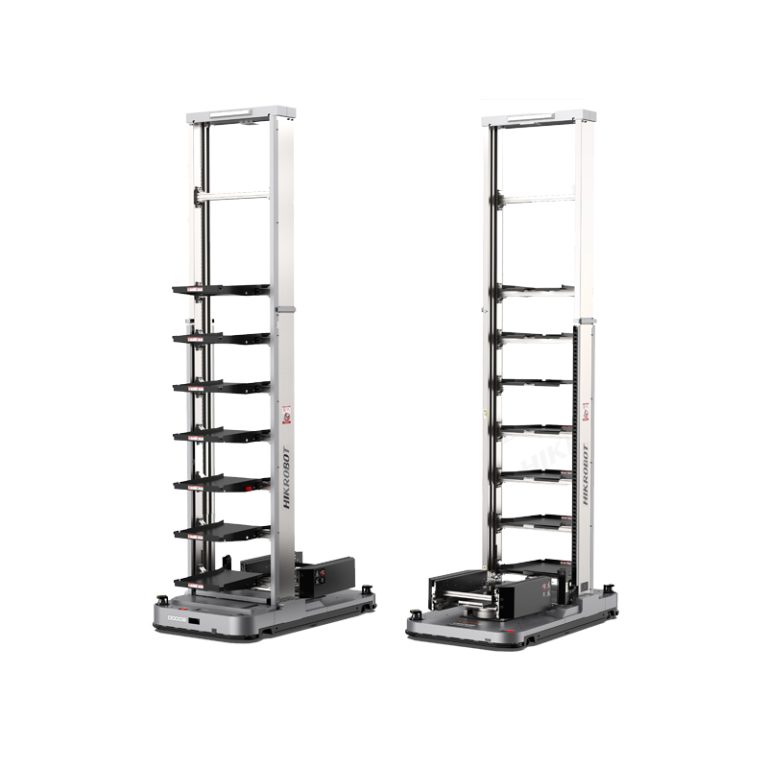
Unit load AGVs carry containers, trays, or boxes directly on their deck. They work best in production lines where multiple workstations need steady feeding. Their movement is steady, and their stopping positions are reliable, which helps with automated loading.
Fork-Type AGVs
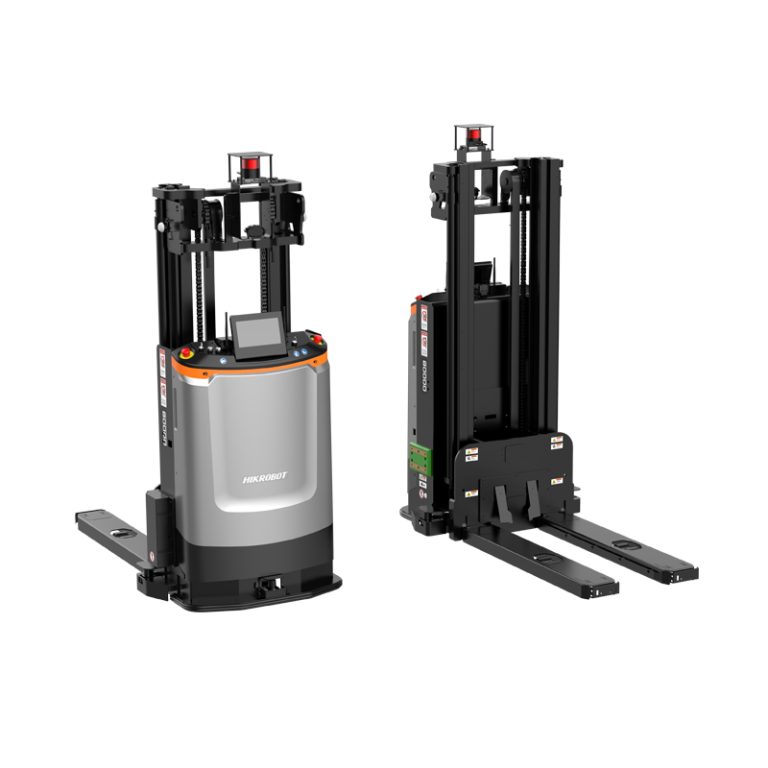
These AGVs lift pallets or bins just like forklifts. Unlike normal forklifts, though, they follow guided paths and operate at controlled speeds. Manufacturers choose them when they need to stack, unstack, or transfer goods to racks. They help reduce forklift accidents, too.
Conveyor-Top AGVs
These AGVs have conveyor belts mounted on top. They connect two parts of a production line without building a fixed conveyor on the ground. When the line updates, these AGVs can simply be rerouted.
Customized AGVs
Some factories require vehicles shaped for special parts. Long, narrow, or fragile items may need frames or clamps built specifically for them. This is common in machinery and electronics. Customized AGVs cost more, but they save time later because operators no longer fight with oversized carts or risky handling.
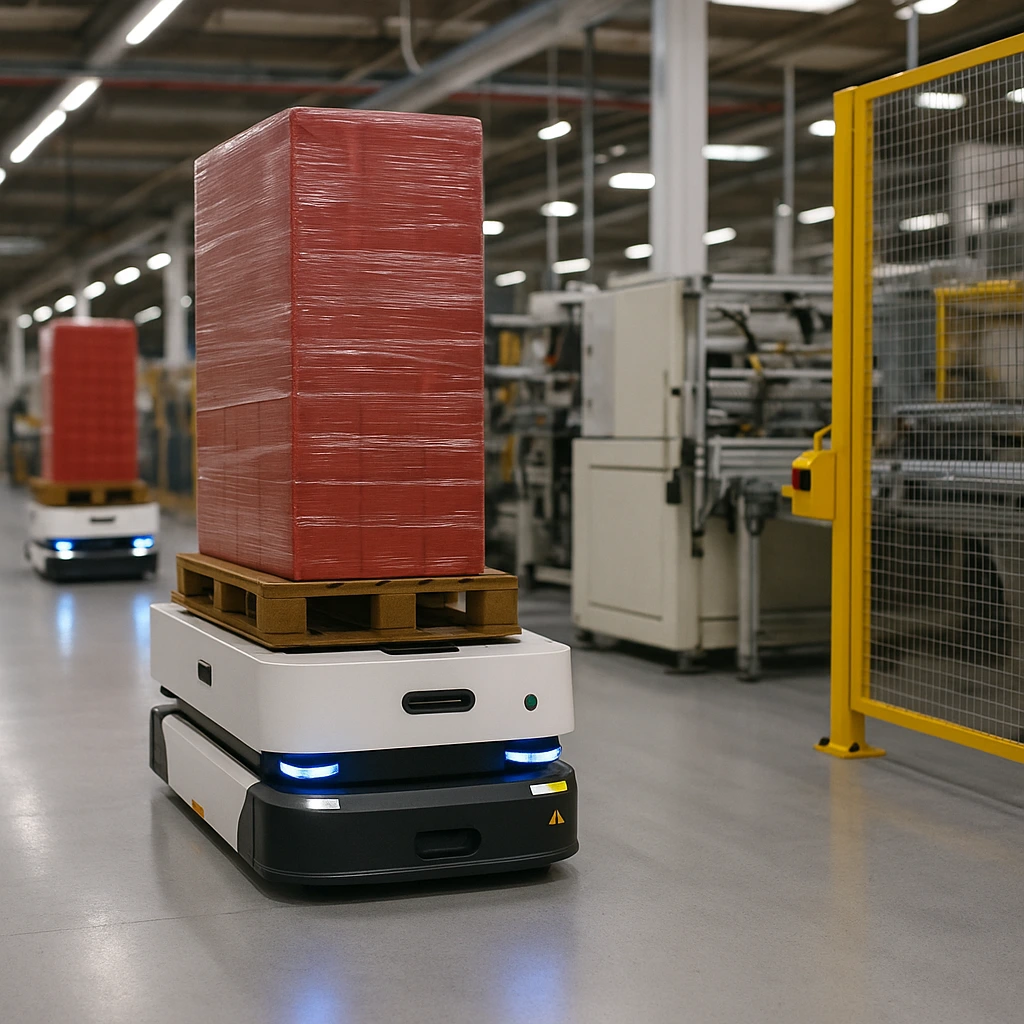
How to Match AGV Types to the Right Production Requirements
A big mistake factories make is choosing AGVs first and then trying to redesign the line around them. The smarter approach is to study the workflow and let the AGV type follow naturally.
Material Weight and Dimensions
Heavy loads call for fork-type or towing AGVs. Lighter or medium materials fit unit-load AGVs. For unstable or long items, a custom platform prevents tipping.
Distance and Route Complexity
Simple point-to-point routes often work fine with magnetic-guided AGVs. More flexible plants with changing layouts do better with laser or SLAM-based navigation. If you expect to update your line often, picking a rigid navigation type will only cause frustration later.
Traffic Density Around Workstations
Busy lines with tight corners benefit from compact AGVs that stop smoothly and turn sharply. Larger AGVs can cause jams. It seems obvious when reading it, but many plants discover this only after a vehicle gets stuck near a machine.
Integration With Existing Systems
AGVs that can send signals to warehouse software, robotic cells, and quality stations make the production line feel unified. When the AGV arrives, the machine knows it, the supervisor sees it on the system, and the next step can start immediately.
Required Cycle Time
Fast production lines need AGVs that accelerate and decelerate efficiently. Slow lines can use lower-speed or heavy-duty models. Timing is everything—an AGV arriving even 30 seconds late can slow down an entire row of stations.
Key Features to Look For When Choosing the Right Type of AGV
Choosing the right type of AGV involves more than size or load rating. These smaller factors decide whether the AGV becomes a smart investment or an everyday headache.
Navigation Style
Different navigation methods matter more than many new buyers think. Laser and SLAM units adjust easily. Magnetic or QR-based routes stay consistent and cost less. The right type depends on how stable your plant layout is.
Load Capacity and Stability
Manufacturing production lines often deal with mixed loads. An AGV must carry the heaviest expected weight and still keep movement smooth. Wobbling loads slow down automation.
Battery System
Longer battery life means fewer charging interruptions. Some AGVs use auto-charging docks so they never stop during a shift. This is useful in 24-hour operations.
Safety Features
AGVs should have sensors that slow or stop them safely. Production lines are crowded, and anything moving on wheels needs reliable detection.
Software Compatibility
A good AGV connects easily to your factory’s systems. If you already use MES or warehouse software, check that the AGV can talk to it.
How to Avoid Common Mistakes When Choosing an AGV
Factories often buy AGVs too quickly. Here are mistakes worth avoiding.
- Choosing the cheapest model, only to realize it can’t handle the workload
- Buying a forklift-type AGV for small items (overkill leads to slow movement)
- Using tape-guided AGVs in a constantly changing layout
- Forgetting to test turning radius around machines
- Ignoring maintenance access and charging space
These problems are common but preventable once you slow down and examine the details.
Introducing Wesar Intelligence Co., Ltd.
Before wrapping up, it’s helpful to look at a company working deeply in AGV and automation technology. Wesar Intelligence Co., Ltd. builds intelligent mobile robots and automated systems for manufacturing environments that require steady operation and accurate control. Their product range includes different AGV types for assembly, inspection, logistics, and more. One thing that stands out in their approach is how carefully they match equipment to the real demands of a production line.
They design systems with navigation stability, strong load performance, and smooth integration in mind. This lets their clients place AGVs directly into machinery lines, electronics assembly, packing areas, or precision manufacturing scenarios without constant layout issues. Their team also supports planning, deployment, and system maintenance, which helps factories treat AGVs as long-term infrastructure rather than small add-ons.
Because Wesar works closely with manufacturing customers, their solutions feel grounded in real workflow conditions, not just engineering theory.
Conclusion
Finding the right type of AGV is a step-by-step process. You match your material needs, route complexity, safety goals, and production rhythm to the AGV style that fits best. When the match is correct, automated guided vehicles can lift the performance of a manufacturing production line and create a smoother, safer environment for workers and machines.
FAQ
Q1: How do I know which AGV is the right type for my manufacturing production line?
The best way is to look at your load weight, route patterns, cycle time, and how often your layout changes. These factors narrow the AGV style quickly.
Q2: Do automated guided vehicles fit small manufacturing plants?
Yes. Compact AGV models are designed for tight aisles and shorter routes, making them suitable even for limited floor space.
Q3: Which navigation system works best for AGVs in changing production lines?
SLAM navigation usually works best because it’s flexible and adjusts to layout updates without major construction.
Q4: Can AGVs improve material handling speed?
They help by moving consistently, avoiding delays, and staying on scheduled routes. This keeps production steps supplied on time.
Q5: Are AGVs safe around workers?
AGVs use sensors and controlled movement. They slow down or stop when they detect people or obstacles, creating a safer working area compared to forklifts.






 English
  Russian
  Chinese