
Today’s manufacturing plants require material-handling systems that quickly adapt to shifting layouts, new storage spots, and varying traffic flows. Laser SLAM navigation grants automated guided vehicles much more versatility than older fixed-path techniques. By utilizing LiDAR data to construct a map, pinpoint the vehicle’s position, and aid route planning, SLAM-based AGVs function with minimal reliance on physical floor markers. Consequently, they adjust effortlessly whenever the workspace undergoes modifications.
Why Is Navigation Flexibility Important in Modern AGV Projects?
AGVs currently handle tasks across production lines, warehouses, conveyors, loading docks, and temporary holding areas. Their travel paths frequently must shift alongside production needs, rather than staying static for long periods.
Frequent Layout Changes
Facilities constantly relocate workstations, move storage racks, or bring in new machinery. A setup relying heavily on physical markers makes every single alteration quite slow. However, Laser SLAM permits engineers to refresh digital maps, designated stations, and travel routes directly, entirely avoiding the hassle of reinstalling navigation references across the facility floor.
Complex Mixed Traffic
AGVs routinely operate in spaces shared with human workers, manual forklifts, push carts, and various other robots. Adaptable navigation enables the entire fleet to react properly to sudden congestion, brief aisle closures, and shifting task priorities. Meanwhile, it ensures strict adherence to essential traffic regulations.
How Does Laser SLAM Navigation Work?
Laser SLAM effectively merges environmental mapping with precise localization. It generally relies on LiDAR sensors, wheel encoders, safety scanners, and dedicated fleet-control software.
Digital Map Creation
During the initial setup phase, the AGV actively scans surrounding walls, structural columns, racks, machinery, and other permanent features. The system then utilizes these visual references to generate an accurate digital map of the designated operating zone. This greatly minimizes the tedious requirement of placing QR codes at tight intervals.
Real-Time Localization
While in motion, the AGV continuously matches fresh LiDAR scans against the previously saved map. This determines its exact location and heading. Afterward, specialized route-planning software steers the machine toward the correct pickup or drop-off destination. Ultimately, this approach handles movement smoothly across wide open spaces, busy intersections, and pathways that might need future adjustments.
How Does Laser SLAM Compare with QR Code Navigation?
QR code navigation still works exceptionally well for straightforward and highly stable environments. Laser SLAM, on the other hand, delivers vastly superior flexibility whenever the facility layout, pathway network, or daily traffic flow experiences regular changes.
Which Method Adapts Better to the Environment?
Technicians typically install QR codes directly onto the floor or at specific, immovable reference spots. Unfortunately, accumulated dirt, general wear, spilled oil, standing water, loose packaging scraps, or basic floor maintenance can easily block code visibility. Furthermore, altering a route usually demands fresh codes, careful measurement, and tedious recalibration.
Conversely, Laser SLAM primarily depends on the existing surrounding geometry instead of an endless trail of floor markers. It suffers far less interference from damaged labels. Therefore, it proves much better suited for bustling plants that require constant cleaning or endure heavy vehicle traffic. Major structural renovations still demand a quick map verification, yet daily route tweaks remain remarkably simple.
Which Method Simplifies Mapping and Route Changes?
Using QR navigation means travel routes stay rigidly linked to the actual physical marker arrangement. Consequently, growing the active operating zone almost always involves substantial extra installation labor.
A standard laser SLAM map effortlessly accommodates multiple distinct routes, various pickup stations, strict off-limits zones, one-way travel aisles, and specific speed-limit areas. Engineers can quickly alter many of these parameters simply through the software interface. This specific capability proves incredibly beneficial for gradual automation rollouts where both the robot fleet and the total operating space expand progressively over months or years.
Which Method Handles Dynamic Obstacles Better?
QR codes essentially just supply basic position checkpoints. Therefore, if a designated fixed path becomes blocked, the machine typically halts completely until someone physically clears the obstruction.
A typical laser SLAM solution seamlessly incorporates safety LiDAR, advanced obstacle detection, and intelligent route-planning capabilities. The AGV easily spots walking personnel, misplaced pallets, stray carts, or other moving vehicles. It can then automatically reduce speed, execute a safe stop, or intelligently select an alternative approved path. While SLAM absolutely does not replace mandatory certified safety functions, it certainly builds a much stronger foundation for agile movement around unpredictable, dynamic obstacles.
Where Does SLAM Create the Most Value?
The sheer advantages of SLAM become glaringly obvious inside facilities where travel routes and daily operating conditions never remain entirely static. Furthermore, the technology flawlessly supports both standard transport AGVs and sophisticated automated forklifts.
Brownfield Factory Automation
Older, established factories routinely feature awkward support columns, tight narrow passages, heavily shared aisles, and generally irregular floor layouts. Pasting down huge quantities of QR markers might severely disrupt ongoing production and heavily inflate routine maintenance tasks. Laser SLAM effectively minimizes physical infrastructure modifications and perfectly supports a phased, step-by-step commissioning process.
Flexible Multi-Vehicle Transport
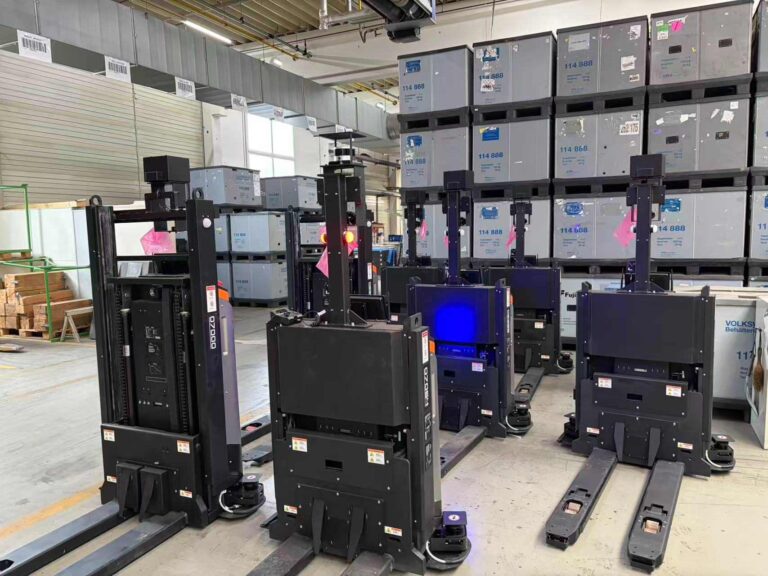
SLAM-based AGVs easily service numerous different stations rather than blindly tracing one single, permanent track. Sophisticated fleet software dynamically dispatches individual vehicles based entirely on the current task location, real-time traffic conditions, and remaining battery levels.
Additionally, these digital maps precisely outline busy intersections, designated waiting spots, battery charging stations, mandatory speed-controlled zones, and strict no-entry areas. This comprehensive mapping significantly helps multiple active vehicles coordinate their travel smoothly and drastically cuts down on frustrating traffic jams.
What Should Be Checked Before Selecting Laser SLAM?
Laser SLAM offers tremendous flexibility. However, a truly successful deployment still relies heavily on specific site conditions, proper safety design, and smooth system integration. Therefore, a thorough, detailed site survey must absolutely occur before finalizing any vehicle or navigation solution choices.
Environmental Features
The intended operating zone must feature an adequate number of stable, permanent structures to guarantee reliable localization. Vast empty hallways, expansive glass walls, intensely reflective surfaces, thick airborne dust, or constant large-scale layout shifts might necessitate advanced sensor fusion or extra positioning aids.
Machinery, storage racks, solid walls, and support columns utilized as primary map references must stay relatively stationary. Workers should never treat temporary wooden pallets or mobile equipment as dependable, permanent localization landmarks.
Safety, Network, and Software
Any dynamic navigation setup must operate alongside certified safety scanners, robust emergency stopping procedures, strict speed zoning, and clearly defined pedestrian interaction rules. Furthermore, wireless network coverage must stay exceptionally stable across every single route. This ensures the vehicles can flawlessly exchange task updates and vital operating data with the central fleet-management system.
Critical interfaces connecting with WMS, MES, ERP systems, moving conveyors, automatic doors, and freight elevators require rigorous testing. This testing phase must deliberately evaluate communication lags, completely blocked destinations, sudden network drops, and various other highly abnormal conditions. It should never focus solely on perfect, standard transport cycles.
Why Choose Wesar Intelligence Co., Ltd. as an AGV Forklift Supplier?
A truly dependable supplier delivers rugged vehicle hardware, seamless software integration, smooth implementation, and comprehensive after-sales support. They never treat the AGV as merely an isolated, stand-alone gadget.
Integrated AGV Solutions
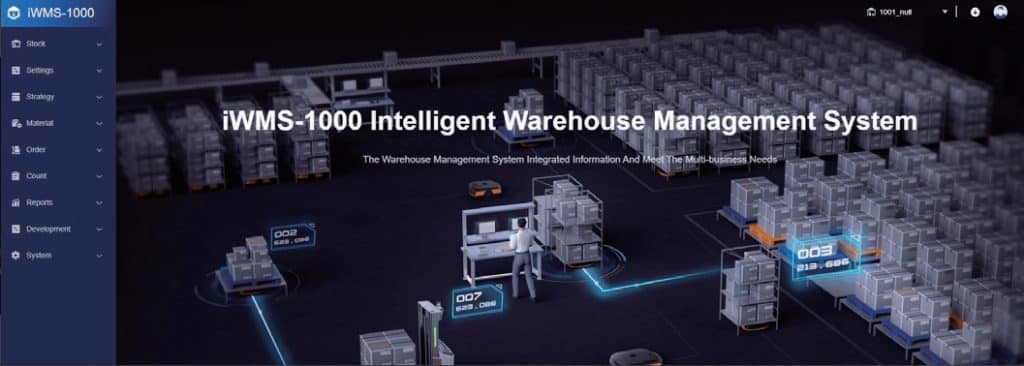
Wesar Intelligence Co., Ltd. supplies complete intelligent factory solutions. These encompass expert consulting, detailed facility planning, custom software development, precise equipment manufacturing, hands-on project implementation, and responsive after-sales support. Their extensive portfolio prominently features AGV robots, advanced WMS systems, automated storage solutions, reliable conveyors, and diverse other logistics equipment.
Practical Forklift Automation Capability
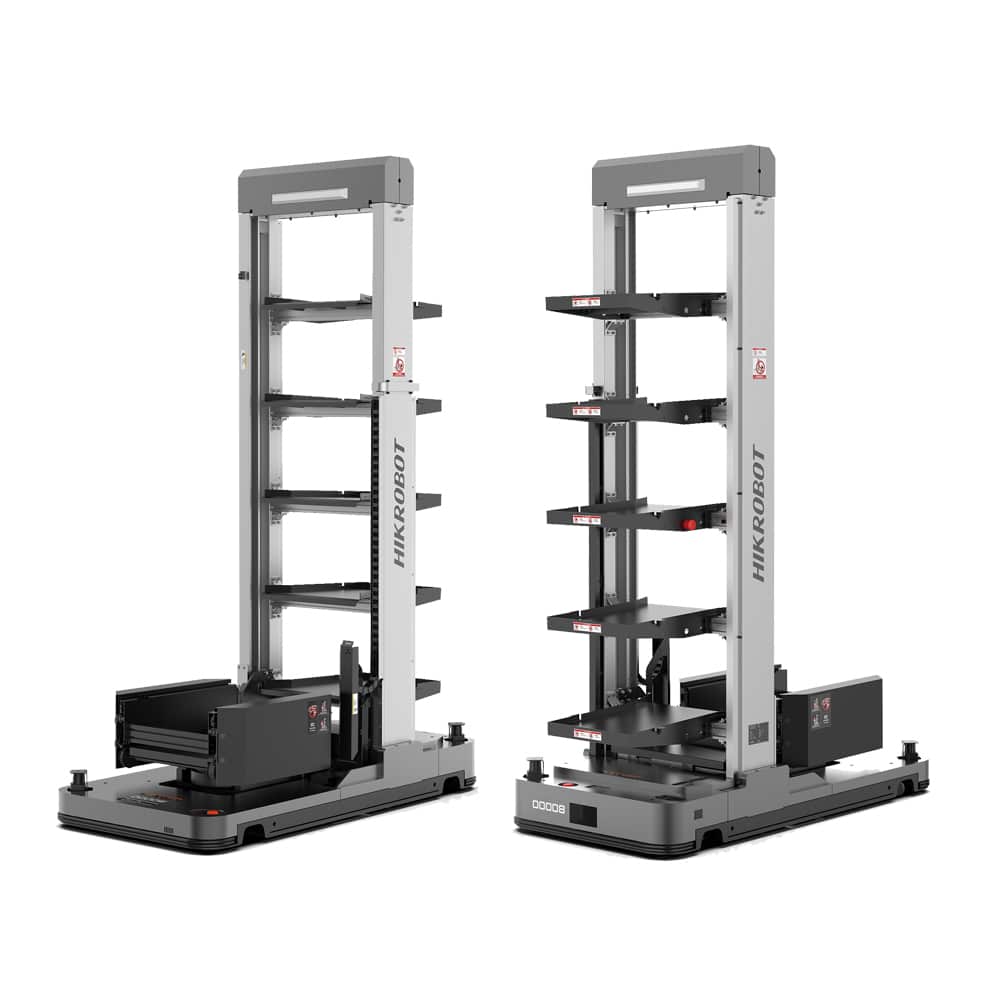
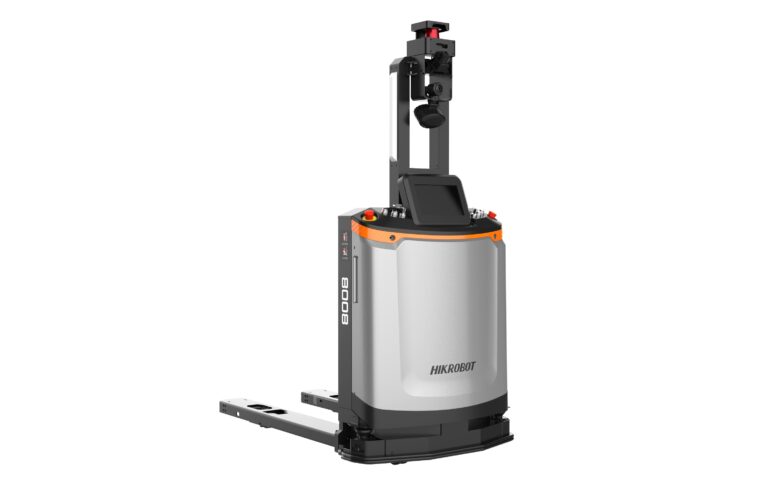
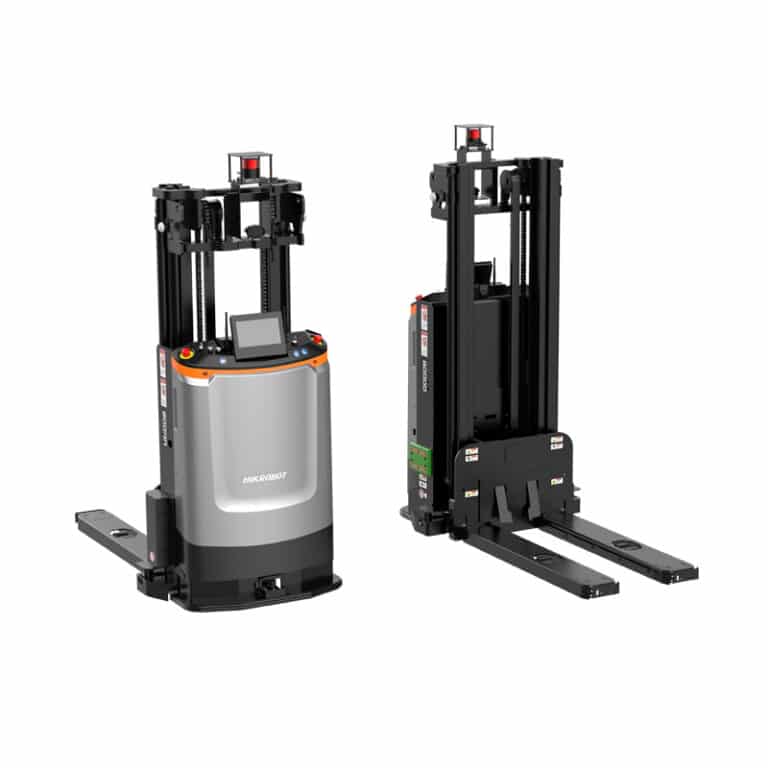
Wesar actively provides agile forklift mobile robots designed specifically for pallet transportation, tight narrow-aisle operation, high stacking, and heavy counterbalance applications. Their broad product lineup includes specialized models built to handle vastly different load capacities and specific vertical lifting requirements.
Moreover, Wesar’s robust software architecture effortlessly links corporate ERP, MES, and WMS platforms directly with operational WCS, RCS, industrial PLCs, and the actual robot equipment. This deeply integrated capability flawlessly supports comprehensive SLAM-based material-flow projects, guiding clients all the way from initial planning and precise vehicle selection through to final commissioning and reliable ongoing service.
Conclusion
Laser SLAM grants AGVs remarkable freedom within constantly shifting industrial environments. When evaluated against basic QR code navigation, it drastically lowers the reliance on vulnerable floor markers. It also greatly simplifies map revisions and route updates. Finally, it enables much smarter, more responsive obstacle-handling strategies.
These distinct advantages significantly minimize costly modification work. They also make future facility expansions remarkably easier, especially inside older, existing factories and chaotic mixed-traffic environments. However, achieving truly strong results absolutely demands compliant safety systems, rock-solid wireless communication, highly effective fleet control, and deeply experienced system integration.
FAQs
Is Laser SLAM Always Better Than QR Code Navigation?
Not necessarily. Standard QR code navigation often proves highly cost-effective for very simple, totally stable, and extremely repetitive travel routes. Conversely, Laser SLAM generally becomes the superior choice whenever physical layouts change, travel routes heavily overlap, or the vehicles must react constantly to unpredictable, dynamic traffic.
Can a SLAM AGV Operate After the Factory Layout Changes?
Absolutely, though the actual scale of the physical change definitely matters. Minor tweaks to a specific station or a small route segment might only need a quick software update. However, massive alterations involving structural walls, large storage racks, or heavy machinery usually demand complete rescanning, thorough map verification, rigorous route testing, and a completely renewed safety validation process.
Does SLAM Eliminate the Need for Safety Sensors?
Absolutely not. SLAM merely handles the environmental mapping and exact localization. Meanwhile, strictly certified safety scanners and dedicated control systems actively manage critical protective stopping, necessary speed reduction, and overall personnel protection. A genuinely safe AGV absolutely requires both highly flexible navigation and fully compliant safety hardware.






 English
  Russian
  Chinese
  Japanese
  Italian
  Korean
  Spanish
  Arabic
  French
  German