
Anyone who has spent time inside an automotive plant knows one thing very well: production rarely stops because a robot breaks down. Much more often, it slows because something did not arrive when it should have.
A pallet shows up late. A cart waits in the wrong zone. A forklift is busy somewhere else. None of this feels dramatic, but in automotive manufacturing, timing is everything. When the rhythm slips, even slightly, the entire line feels it.
That is why intralogistics has moved from a background function to a deciding factor in manufacturing efficiency.
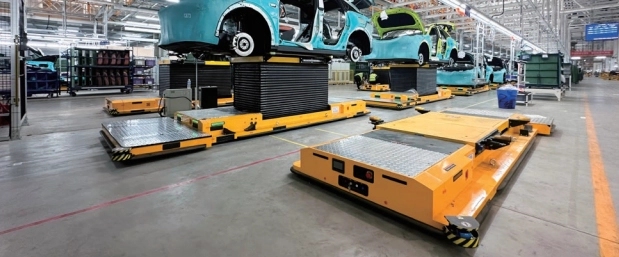
Automotive Plants Leave Little Room for Logistics Errors
Automotive manufacturing is built on tight tolerances, not just in machining, but in time. Takt times are fixed. Sequencing is strict. A missed delivery does not pause one station; it disrupts an entire flow.
Years ago, buffers absorbed these issues. Space was available. Variants were limited. Manual coordination worked, mostly because conditions were predictable.
Today, predictability is the exception. Mixed-model lines, regional customization, and frequent changes have turned logistics into a continuous balancing act. When material flow cannot keep up, production absorbs the consequences.
Quietly, at first.
Why Intralogistics Has Become the Real Constraint
In many automotive plants, logistics systems grew organically. A route added here. A temporary workaround that became permanent. Over time, complexity accumulated without a clear system behind it.
The result is familiar. Inventory exists, but not where it is needed. Movements depend on individual experience. When demand shifts, the system reacts too late.
Intelligent intralogistics does not remove complexity. It manages it. By linking movement decisions to production signals, it replaces reaction with coordination.
That shift alone changes how a plant behaves under pressure.
AGVs in Automotive Manufacturing Are Not Just Vehicles
Why Forklift Replacement Is a Limited Goal
AGVs are often justified through labor savings or safety improvements. Both are valid, but in automotive environments, they miss the larger picture.
An AGV moving material without context behaves much like a forklift. Someone still decides priorities. Someone still resolves conflicts. Automation exists, but intelligence does not.
The difference appears only when AGVs operate as part of a system—responding to line demand, adjusting routes, and coordinating with other movements automatically.
One Plant, Many Logistics Realities
Automotive plants move many kinds of materials. Small parts for assembly. Large stamped panels. Heavy subassemblies. Each behaves differently.
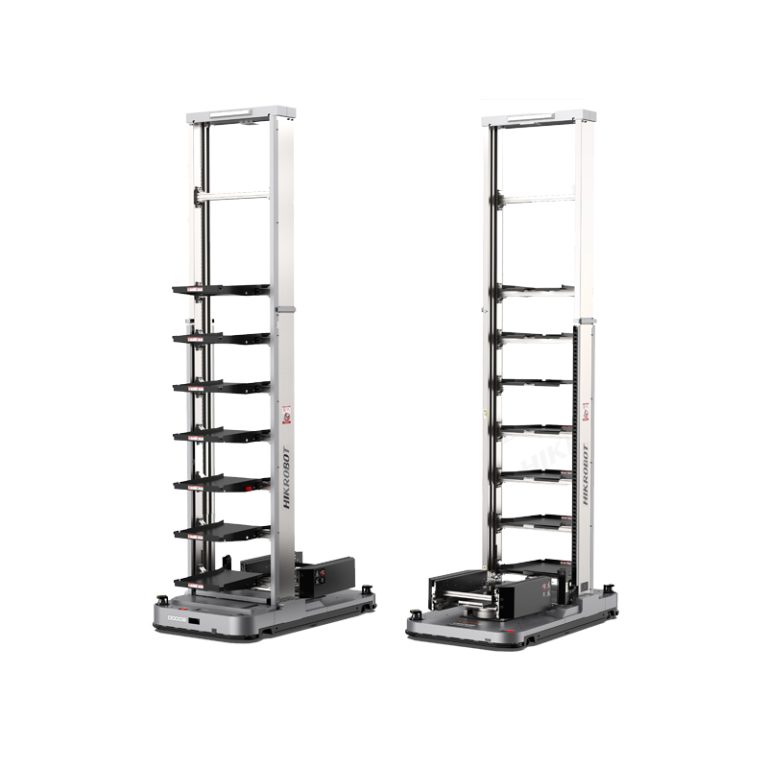
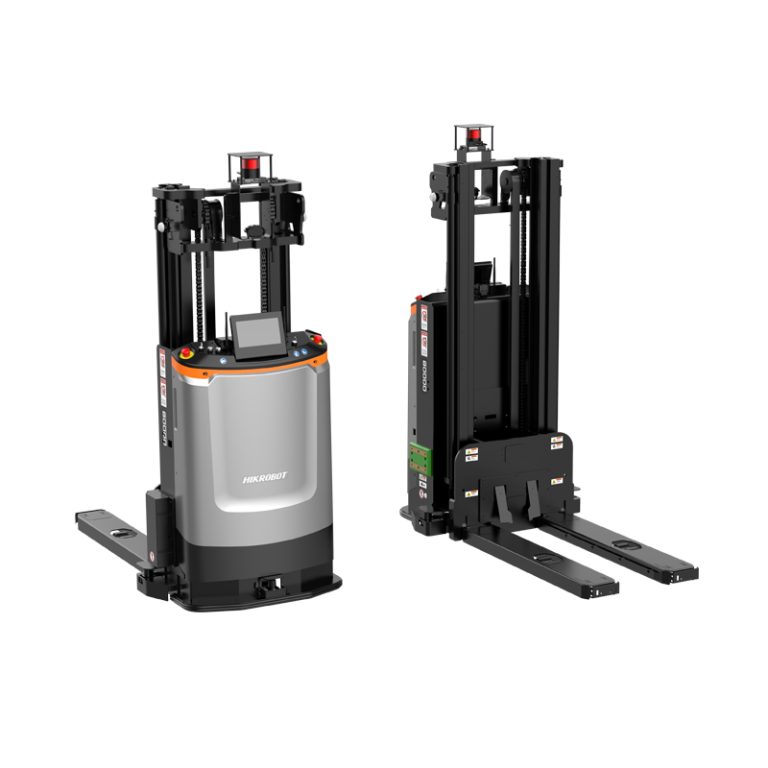
This is why single-type solutions rarely work for long. Practical systems combine multiple mobile platforms under a shared control logic. What matters is consistency of decision-making, not uniformity of hardware.
When that logic is missing, complexity overwhelms the operation.
Heavy Components Change the Automation Equation
Few industries move as many heavy items internally as automotive manufacturing. Engines, chassis, dies, battery packs—these are not occasional exceptions. They are routine.
Manual handling of such loads introduces risks that training alone cannot eliminate. Even well-managed forklift operations struggle under high frequency and tight schedules.
Heavy-duty mobile robots bring stability to these movements. Not speed. Stability. Predictable behavior, repeatable paths, and controlled interaction with people and equipment.
In many plants, that stability matters more than throughput gains.
Smart Warehousing Only Matters When Production Feels It
Visibility Does Not Guarantee Flow
Warehouses today are rarely blind. Stock levels are known. Locations are tracked. Systems look clean.
And yet, lines still run short.
The gap is synchronization. Knowing where parts are is not the same as delivering them when production actually needs them. Without alignment, warehouses optimize themselves while production absorbs the friction.
When Warehousing and AGVs Share the Same Logic
When warehouse systems and mobile robots respond to the same production signals, behavior changes. Releases become automatic. Priorities adjust without intervention. Emergency movements decline.
This is where smart warehousing stops being a storage upgrade and starts functioning as part of the line.
JIT and JIS Under Real Conditions
Just-in-time and just-in-sequence concepts are easy to describe and hard to maintain. They depend on logistics behaving consistently, even when conditions change.
Manual systems struggle here. People compensate, until they cannot.
Intelligent intralogistics supports JIT and JIS by reducing variability, not by eliminating it. Movements stay synchronized because the system understands what matters first.
Without that understanding, buffers creep back in.
Designing Automotive Intralogistics for What Comes Next
One mistake appears again and again in automation projects: designing for the plant as it exists today.
Automotive manufacturing does not stay still. New models arrive. Volumes change. Layouts shift. Systems built for a single configuration age quickly.
Scalable intralogistics designs acknowledge this reality. They allow routes to change. Capacity to expand. Logic to evolve. Not perfectly. But enough.
That flexibility often determines whether an investment remains useful five years later.
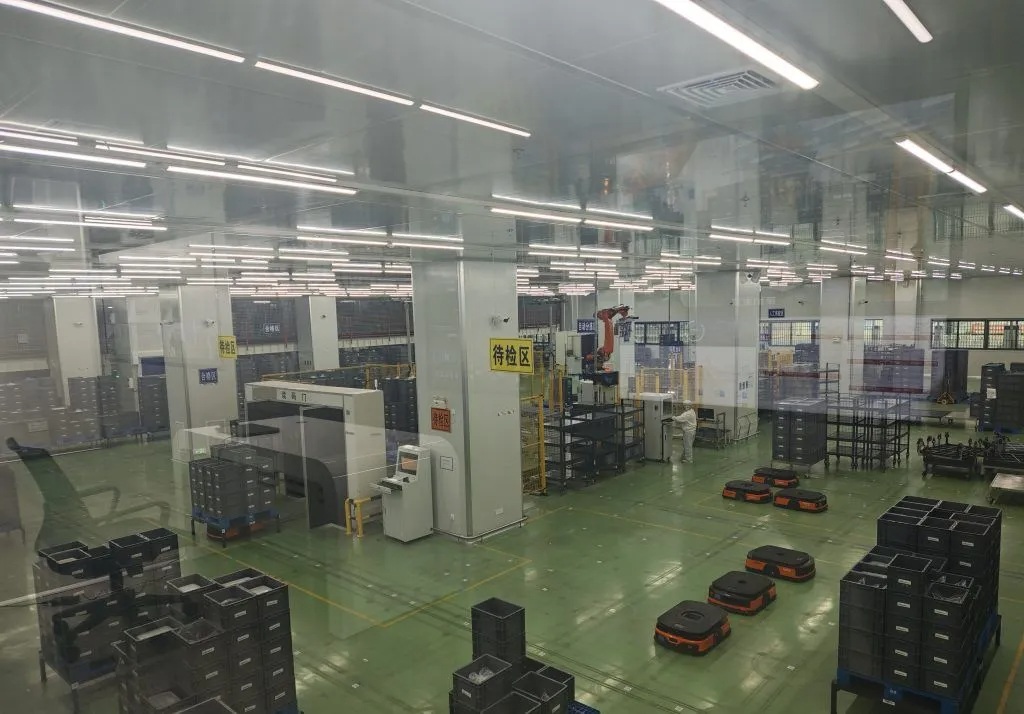
A Practical View on Wesar Intelligence Co., Ltd.
Wesar Intelligence Co., Ltd. approaches automotive intralogistics from a system perspective. The focus is not on individual machines, but on how mobile robots, warehouse systems, and production operations interact.
By integrating different types of AGVs with centralized control and intelligent warehousing, Wesar supports automotive plants dealing with heavy loads, high takt demands, and constant change. The emphasis remains on coordination and reliability rather than rigid automation.
This perspective reflects how real automotive factories operate day to day.
Conclusion
In automotive manufacturing, efficiency is fragile. Small logistics issues scale fast, and recovery is rarely simple.
Intelligent intralogistics does not eliminate complexity, but it absorbs it more gracefully. By aligning AGVs, smart warehousing, and production signals, plants gain stability without locking themselves into inflexible systems.
That balance is increasingly hard to achieve—and increasingly necessary.
FAQs
How are AGVs typically applied in automotive manufacturing plants?
They support internal transport across stamping, body shop, assembly, and warehousing areas, especially where timing and safety are critical.
Why does intralogistics matter more in automotive than in many other industries?
High takt times, heavy components, and strict sequencing leave little tolerance for delays or manual adjustments.
Can AGV systems support both JIT and JIS logistics models?
Yes, when they are integrated with production and warehouse systems and respond to real-time demand rather than static schedules.
What causes intralogistics automation projects to underperform in automotive plants?
Common issues include fragmented system design, poor scalability, and underestimating how often production conditions change.
What should automotive manufacturers clarify before upgrading intralogistics systems?
Material flow logic and future variability matter more than individual robot specifications.






 English
  Russian
  Chinese