
Introduction: Why E-Commerce Warehouses Are Under Pressure Like Never Before
Walk into any modern e-commerce fulfillment center and one thing becomes clear immediately: speed rules everything. Orders arrive every second, SKU counts explode, and customers expect same-day or next-day delivery as a normal service—not a privilege. Many operations teams report that order volumes can jump 3–5× during peak shopping seasons, while labor availability continues to shrink.
This is the moment when automation stops being “nice to have” and becomes a survival strategy.
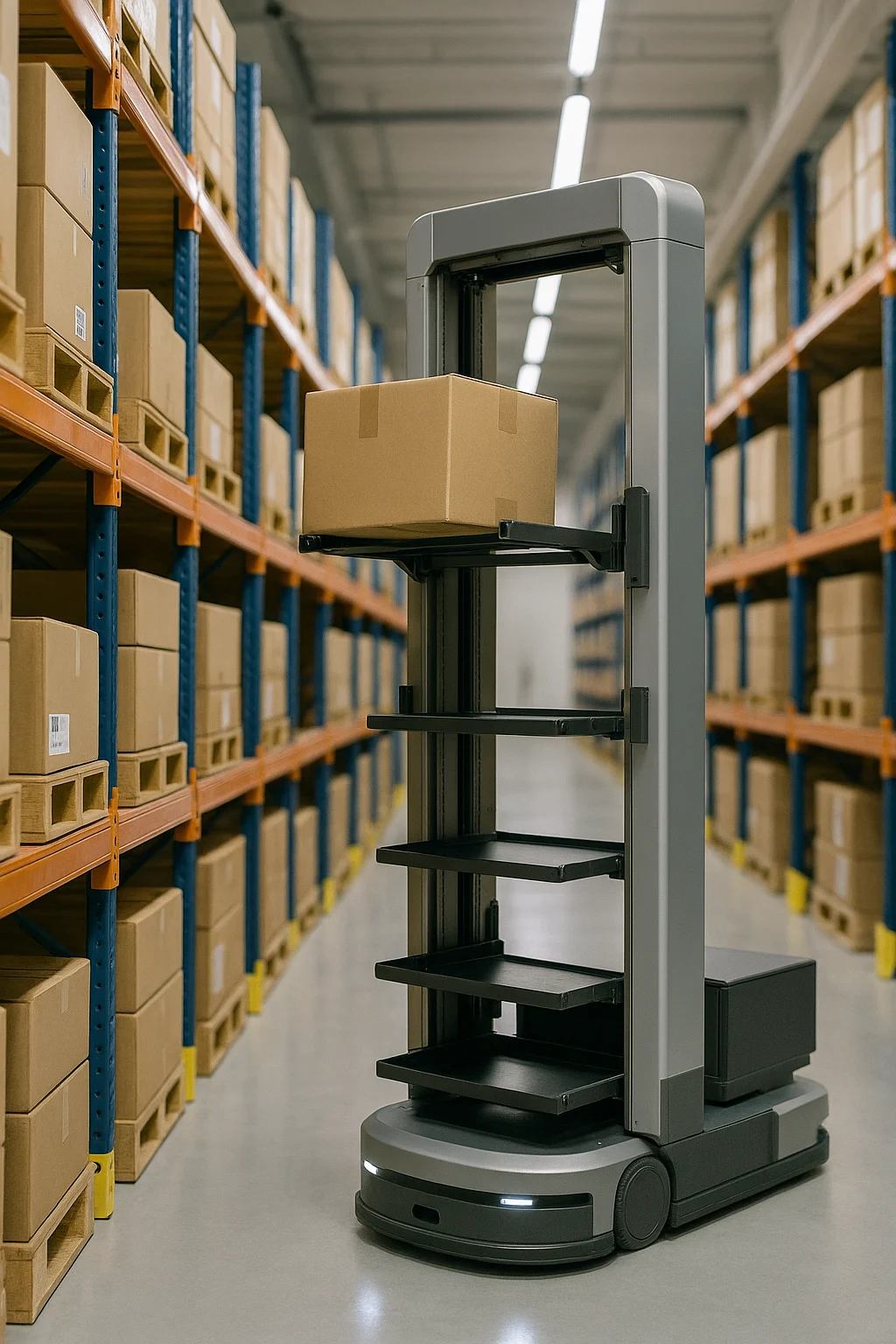
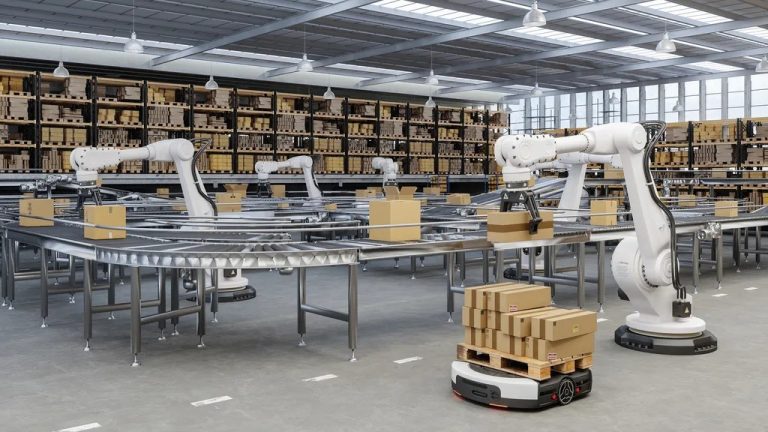
Among the many warehouse automation technologies emerging today, the carton transfer unit (CTU) has rapidly become one of the most practical tools for improving e-commerce throughput. Designed for carton and tote handling, CTUs help fulfillment centers move goods more efficiently, reduce errors, and stabilize performance even during heavy demand surges.
This article takes a close look at how CTUs reshape e-commerce workflows—through real operational scenarios, measurable efficiencies, and the impact they have on labor costs, storage density, and overall order accuracy.
The Core Challenges in E-Commerce Fulfillment
Labor shortages and rising operational costs
In many fulfillment centers, manual picking and carton movement account for up to 50% of total labor hours. Yet hiring large numbers of workers is becoming harder each year. Not only does labor availability fluctuate massively during peak seasons, but turnover rates in e-commerce warehouses are frequently above 30%.
This leads to three major operational headaches:
- Unpredictable throughput
- Training and onboarding delays
- Higher per-order fulfillment costs
A carton transfer unit directly addresses these labor bottlenecks by taking over repetitive carton movement in storage aisles and staging areas.
Escalating SKU complexity
E-commerce businesses today may sell tens of thousands of SKUs with frequent assortment changes. Manual processing struggles to keep up because:
- Storage locations shift
- Cartons vary in weight and size
- Order profiles change dramatically day by day
A CTU system adapts far better to SKU variety because it handles totes or cartons in standardized, automated ways.
Accuracy problems that cause costly returns
Even a 1% picking error rate can lead to thousands of incorrect shipments every week for a mid-size fulfillment center. Errors create:
- Return shipping costs
- Repacking and reshipping expenses
- Customer dissatisfaction
CTUs reduce human error by digitizing carton movement and supporting more structured workflows.
How Carton Transfer Units Improve Fulfillment Reliability
Deep storage and high-density utilization
E-commerce warehouses often suffer from lack of space. CTUs help improve storage density by supporting multi-layer or deep-lane carton storage. Instead of long travel distances for workers, the CTU moves cartons directly between storage racks and workstations.
In some deployments, fulfillment centers report 20–40% better space utilization after switching from manual carton handling to CTU-supported workflows.
Faster replenishment and order picking
A typical CTU workflow looks like this:
- The CTU retrieves cartons from a designated storage lane.
- It transports the carton to a picking station or sorting point.
- The CTU returns the carton to storage or moves it to another area.
Because the CTU navigates narrow aisles and repetitive routes with consistent speed, it reduces congestion and shortens picking cycles. Many operations see:
- 20–35% faster picking
- More predictable replenishment timing
- Better synchronization between picking and packing teams
This consistency is especially important when order volume spikes sharply.
Stabilizing throughput even during peak seasons
During major shopping events, such as holidays or promotional weeks, manual workflows often break under pressure. CTUs provide stability by:
- Preventing bottlenecks in carton retrieval
- Maintaining constant travel speed regardless of workload
- Reducing the strain on temporary labor
Instead of throughput dropping by 15–20% during peak hours—a common trend in manual warehouses—CTU-enabled facilities report far smoother performance curves.
A Realistic Example of CTU Impact in an E-Commerce Operation
Imagine a fulfillment center processing 25,000–40,000 orders per day. Before deploying automation, workers spend a significant amount of time walking, searching for cartons, or moving goods between zones.
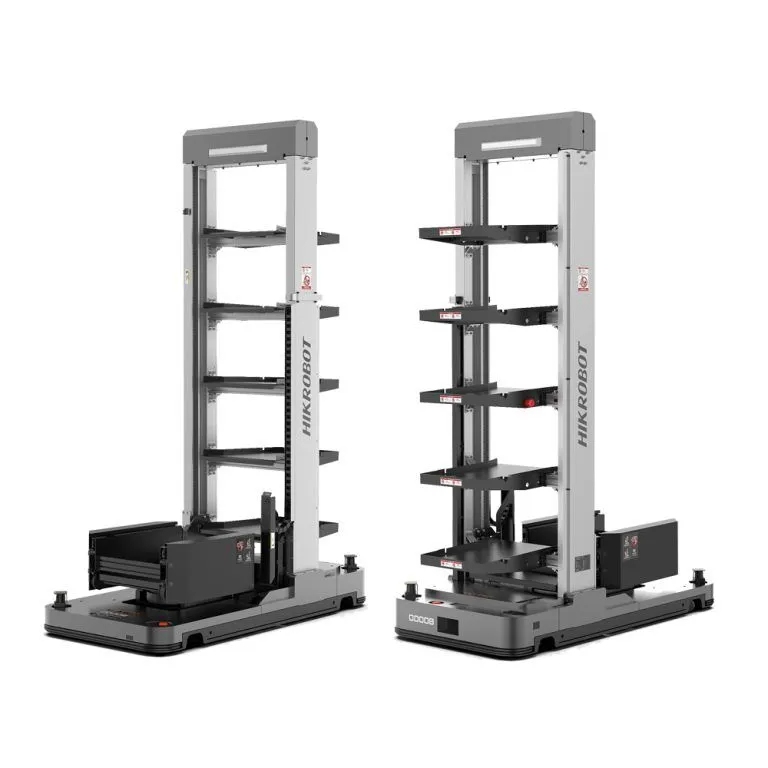
After installing the Wesar Carton Transfer Unit (CTU) series, daily operations shift dramatically:
- Walking distances shrink by thousands of meters per worker
- Cartons are delivered directly to stations without delay
- Pickers stay focused on value-adding tasks
- Supervisors gain visibility into carton locations and workflow timing
As a result, the warehouse observes:
- Up to 30% higher order throughput
- Noticeably fewer picking errors
- Reduced overtime costs
- Higher inventory accuracy
These gains are not theoretical—they reflect common outcomes in highly repetitive e-commerce environments.
Why More Fulfillment Centers Choose CTUs Over Traditional Automation
Lower deployment complexity
Compared to large automated storage systems or conveyor retrofits, CTUs:
- Require less construction work
- Fit into existing shelves or rack aisles
- Scale up gradually with business growth
This flexibility is particularly useful for fast-growing e-commerce brands.
Friendlier for SKU variability
E-commerce inventory changes quickly. CTUs adapt because they:
- Handle mixed cartons and totes
- Move efficiently through narrow aisles
- Support evolving picking strategies
Whether the business adopts batch picking, wave picking, or cluster picking, the CTU workflow remains stable.
Lower long-term labor dependency
Instead of hiring dozens of temporary workers during peak months, fulfillment centers equipped with CTUs maintain a more stable team size. Workers transition into:
- Quality checks
- Exception handling
- Packing
- Workstation operations
The CTU takes over the repetitive transport tasks.
About Wesar Intelligence Co., Ltd.
Wesar Intelligence Co., Ltd. is a technology-driven company specializing in autonomous mobile robots and intelligent logistics solutions. Headquartered in China’s robotics innovation hub, Wesar focuses on delivering practical, high-performing warehouse automation systems that support modern supply chain needs.
The Wesar Carton Transfer Unit (CTU) series reflects the company’s engineering philosophy: creating stable, highly reliable solutions for carton handling in dense storage environments. With strong R&D capabilities and global customers across e-commerce, retail, and manufacturing, Wesar continues to push forward the evolution of warehouse automation through flexible, scalable robotic systems.
Conclusion
For e-commerce fulfillment centers facing rising labor costs, SKU complexity, and relentless delivery expectations, the carton transfer unit is more than a useful tool—it is a strategic upgrade. CTUs reshape how cartons travel inside the warehouse, enabling smoother picking, faster replenishment, and more predictable throughput.
As customer expectations grow and order volumes continue rising year after year, forward-thinking e-commerce operators are turning to CTU systems to stay ahead of operational pressure. The result is a fulfillment workflow that feels steadier, more accurate, and far more capable of handling tomorrow’s challenges.
FAQs
How does a carton transfer unit help reduce labor needs in an e-commerce warehouse?
A carton transfer unit takes over repetitive carton transport, reducing the walking distance and manual handling required from workers. This shift allows a smaller team to maintain high throughput, especially during seasonal peaks.
Can a carton transfer unit improve picking accuracy?
Yes. By delivering the correct carton to the correct workstation, a CTU reduces common errors that occur when workers manually search for cartons or move goods between zones.
What makes the Wesar CTU series suitable for e-commerce operations?
The Wesar CTU series is designed for narrow aisles, deep storage, and stable carton transfer. It adapts well to fast-changing SKU profiles and high-volume picking workflows typical in e-commerce fulfillment centers.
How does a CTU contribute to faster order throughput?
By automating the transport between storage racks and picking stations, CTUs eliminate unnecessary worker travel. This enables pickers to complete more orders per hour with less fatigue.
Is a carton transfer unit difficult to integrate into an existing warehouse?
No. CTU systems usually require minimal construction and can be deployed within existing rack layouts. Many fulfillment centers start with a small fleet and expand gradually as operational needs grow.






 English
  Russian
  Chinese