
Warehouses in 2026 remain under constant pressure from labor shortages that routinely affect inbound receiving, bulk storage replenishment, production line feeding, order picking, and outbound staging. Field reports and current industry benchmarks show about 76% of supply chain operations running with notable staffing gaps, while around 41% of warehouse managers highlight ongoing issues in attracting and retaining skilled material transport and handling teams. Turnover rates for common warehouse roles sit close to 36%, and the full expense of replacing someone—covering recruitment, onboarding downtime, and lost output—usually lands between 25% and 150% of yearly base pay. Labor continues to make up 50-70% of total warehousing costs in the bulk of facilities, turning any extended vacancy into one of the biggest variables hitting profitability. Gaps lead to heavy overtime demands, spotty shift coverage, delayed truck turns, more frequent handling mistakes or damages, and sometimes forced reductions in volume when demand overwhelms available manpower.
The heaviest toll shows up in material transport cycles—pallets shifting from receiving docks to reserve storage, from racks to manufacturing feed stations, or from pick zones to shipping consolidation areas. Incremental wage bumps and temp labor pools ease things temporarily, but they rarely tackle the root constraints fueled by steady e-commerce growth, shrinking pools of entry-level workers, and quick burnout in positions focused on repetitive horizontal movement. Automated Guided Vehicles (AGVs) stand out as one of the more solid countermeasures seen in actual deployments. They handle the routine point-to-point transport work, cut back sharply on manual operator needs, and keep material flowing without breaks from shift changes, call-offs, or fatigue dips. Operations that bring AGVs into the mix often pull former drivers into verification, exception handling, value-added packaging, or inventory reconciliation, typically holding or boosting prior daily pallet volumes.
That realignment brings noticeable headcount stability along with clear drops in variable labor spend and better process reliability—right in line with what operations leads and procurement groups check for when sizing up material handling upgrades amid lingering workforce squeezes.
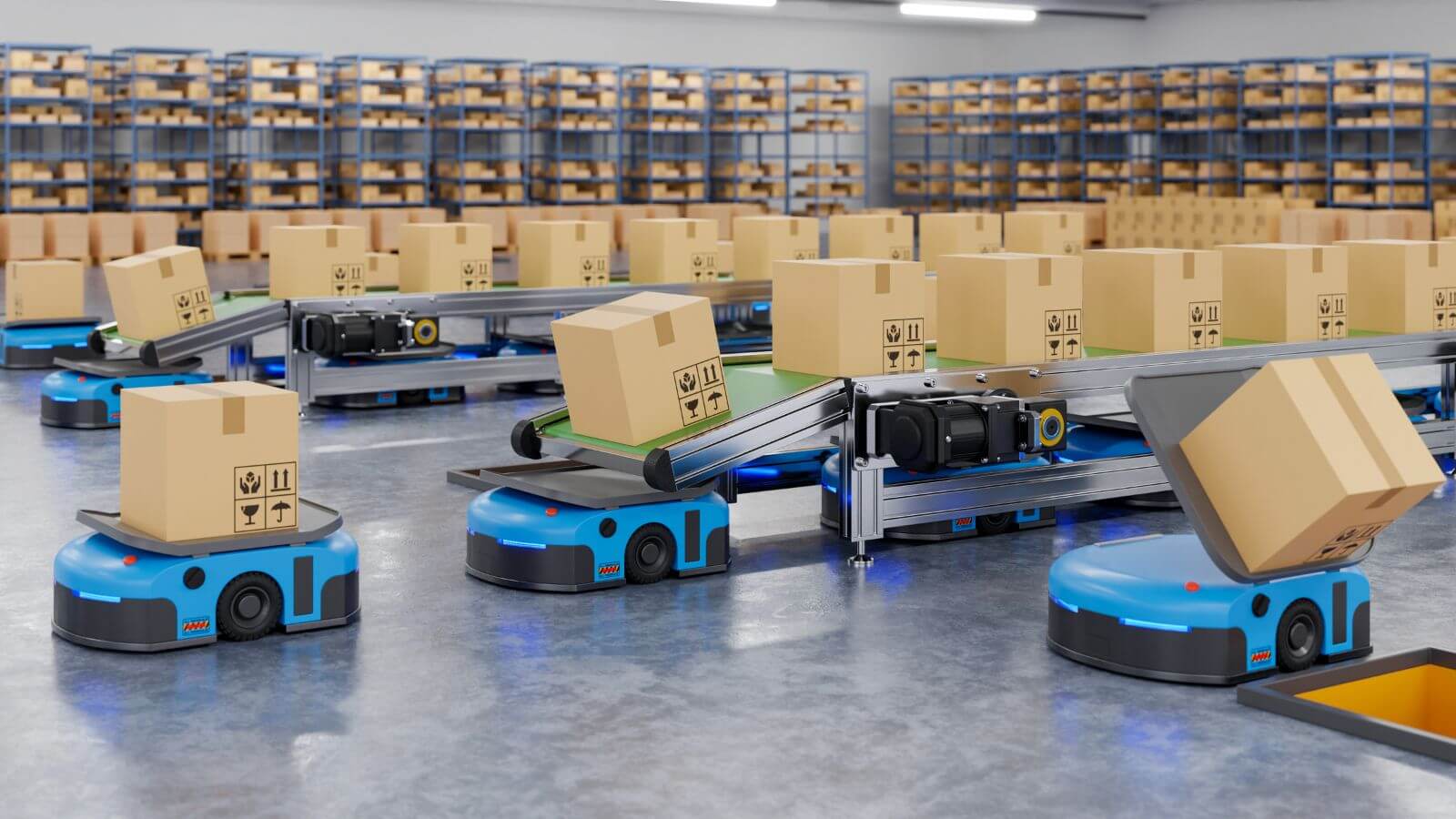
The Current Warehouse Labor Shortage Crisis in 2026
Staffing shortfalls keep driving the warehousing landscape this year. Operator polls and management insights peg labor availability as the main operational pain point for roughly 40% of sites, with logistics-adjacent areas hitting similar snags at dock doors and dispatch zones. Worldwide driver shortage numbers already top 2.4 million spots, and warehouse-side gaps line up with the same trend of long-term understaffing and throughput hits during peak times.
Pay scales have pushed higher—most regions hover in the $17-22 hourly bracket for transport and forklift jobs—yet the extra money seldom fills out rosters completely. Constant turnover throws off workflow balance; every new hire pulls veterans into mentoring instead of core tasks and ups the odds of placement slips or item damage. Seasonal ramps or promo-driven spikes regularly outrun available hands, leading to deferred loads or service-level hits. In setups leaning hard on manual processes these labor drags can bump operating costs up 11-25%.
The fallout goes further than just numbers. Repeated pallet and tote shifts build up fatigue, ergonomic issues, and injury logs that thin out the workforce even more. Tight aisles with standard forklifts or powered jacks ramp up collision chances when focus drops under pressure. The loop is standard across the board: shortages pile on the existing crew, speed up wear-out, and dig the hole deeper.
Switching those repetitive moves to automated setups cuts into that cycle. It locks in steady output, reins in wage and overtime creep, and dials down reliance on a tight hiring scene.
How AGVs Directly Solve Labor Shortages
AGVs hit the shortage head-on by claiming the repetitive transport stretches that eat up the biggest chunks of operator hours. In everyday warehouse setups teams sink serious time into moving pallets or containers zone to zone. AGVs run those transfers on their own, free from break timetables, shift swaps, or personal time off.
Picture a distribution center churning through 500 pallets a day. Manual transport could tie up three to five focused operators per shift for lifts, path choices, and aisle flow. An AGV group grabs tasks from the oversight system, sticks to set or flexible routes with solid repeatability, and wraps up moves on cue. Folks who used to handle driving pivot to jobs needing a human touch—label checks, defect spots, order tweaks—without dragging down overall pallet flow.
Staffing tweaks come into view fast. Most rollouts trim spots locked to straight transport, mostly by shifting people rather than cutting them. In heavy-travel designs AGVs let the same volume roll with 30-50% fewer pure transport roles, depending on run lengths and load rates. Nonstop running stretches coverage or soaks up spikes without matching headcount hikes—a real plus when good candidates stay hard to find.
Safety stats climb too. Built-in sensors deal with obstacles, foot traffic, and sudden stops better than worn-out drivers. Fewer incidents mean less comp claims and downtime from absences. In shared spaces AGVs grab the heavy or repeating lifts, lightening the load on teams and helping hold onto people longer.
Common navigation tools—laser scans, magnetic strips, or vision tech—bring dependable positioning with enough give for rack shifts or inventory tweaks.
Major Cost Reduction and Efficiency Gains with AGVs
Containing labor spend stays the key draw for AGVs. Live installations show steady 30-40% cuts in transport labor costs over a few years. Payback windows usually sit at 12-36 months, pushed by less vulnerability to pay hikes, big overtime savings, and extra wins from less rework.
Straight payroll shifts are the clearest. Sites with $350,000-500,000 yearly in operator costs (benefits included) can often swap out shifts with a small AGV setup, where upkeep and power run far under the people equivalent. Accuracy upsides add up quick: manual moves can hit 4% error marks in busy runs, but automated ones drop defects close to zero, shaving damage payouts, returns work, and fix time.
Throughput lifts build on that. Even cycle times and route smarts often hike material capacity 30-50% in crowded or long-haul spots. Deadhead trips drop, aisles stay smoother, and space use gets better. Seen cases point to 25% shorter order cycles post-transport auto, allowing quicker turns without extra hands.
Power use and servicing hold up well. Electric AGVs pull less energy long-haul than gas or diesel rigs, and smart checks head off unplanned halts. Full ownership costs ease as volume grows without matching labor or square footage jumps.
In pallet-dense spots the full picture clicks: tighter, forecastable cycles sharpen planning and service steadiness. Capped variables plus output gains shield margins from market squeezes.
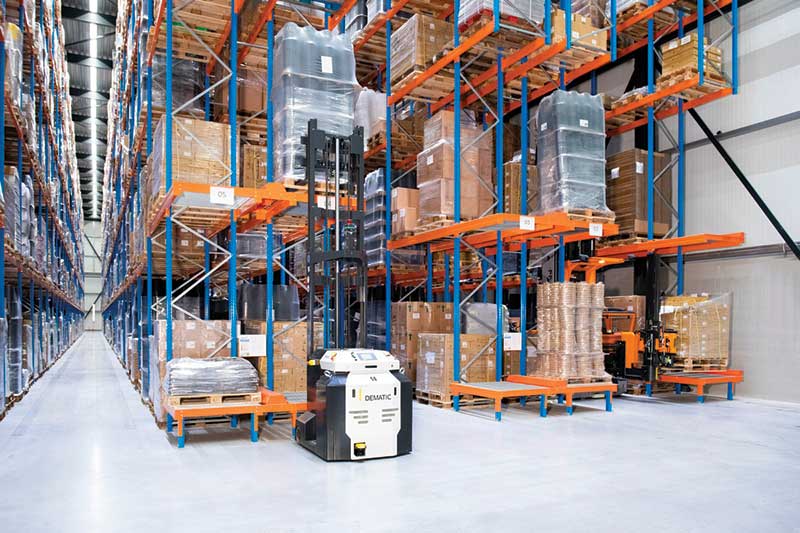
Actionable Steps: How to Implement AGVs to Address Labor and Cost Challenges
Solid AGV intros move through a planned, low-risk lineup.
Chart the starting point first. Trace transport paths, clock movement hours, and tally full costs from overtime, slips, and bottlenecks. Nail down hard targets—cut transport headcount by a set percent or bump daily pallets by a fixed amount.
Check site prep. Measure aisle gaps, floor evenness and seams, fixed barriers, and crossover areas. Lay out load specs, longest runs, and rush-hour loads to size the fleet right.
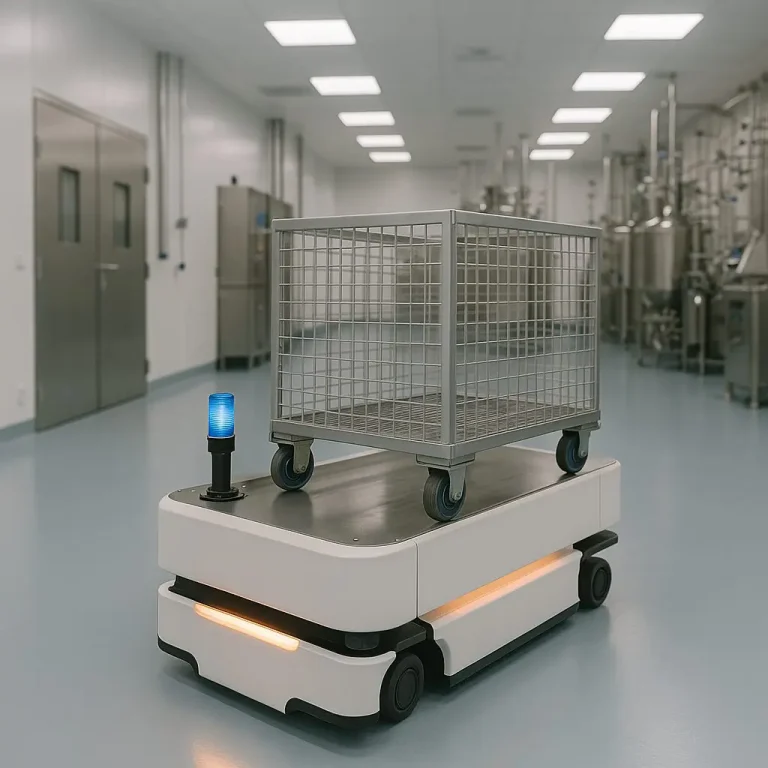
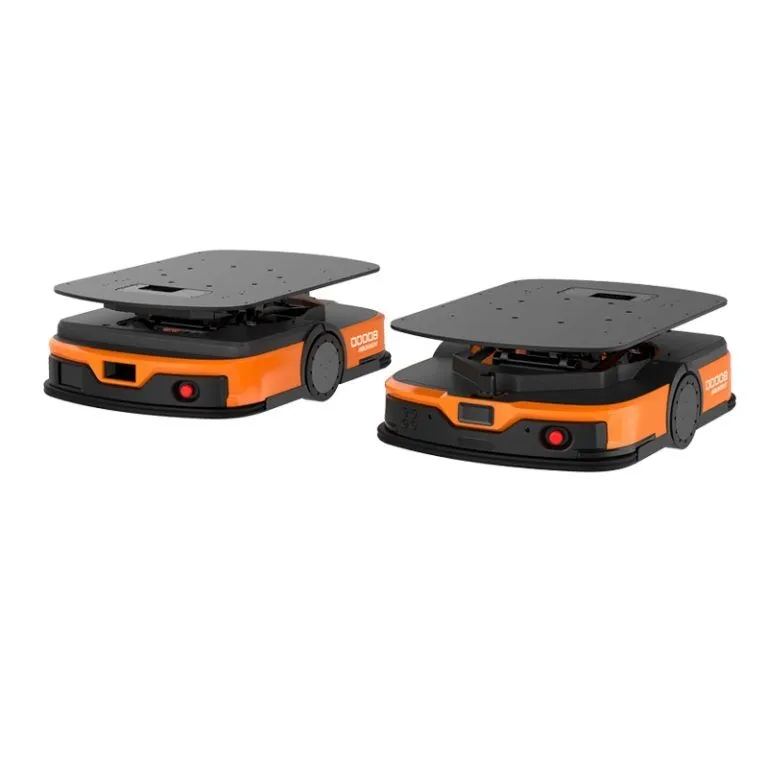
Pick AGV setups that fit the work. Fork models tackle pallet lift-place; tug or under-cart types do towing and light container shifts. Navigation picks should weigh layout flex against spot-on placement.
Link up with warehouse controls or hosts. Set task drops, status feeds, and stock ties. Test through to make sure inventory stays synced with vehicle work.
Kick off in a boxed pilot zone. Watch real-run action, pull in floor input, and tune speeds, paths, or safety bits. Log baselines—cycle length, place rightness, labor moves—across the test.
Weave in safety rules and drills early. Zone out shared areas, fit lights and sounds, and run hands-on sessions on working together. Schedule check-ups to keep things running.
Grow step by step, gauging against start goals: logged labor drops, throughput rises, incident dips. Tweak fleet numbers or types as ops shift.
Wesar Intelligence Co., Ltd.
Wesar Intelligence Co., Ltd. zeroes in on smart warehousing and factory auto solutions, backed by close to two decades of hands-on material handling integration. Set in Suzhou, Jiangsu, China, the company runs a 5,000-square-meter build site and holds a team over 100 strong, with focused build and tech crews.
The lineup spotlights autonomous mobile robots, covering forklift types in stack and all-way moves, latent robots, and carton shift models. These setups drive exact material runs with low odds of spot errors, skips, or harm. Wesar handles full project runs—from app advice and software tweaks, through gear making and field setup, to steady backing—for fields like precision metal work, auto parts, and new energy gear.
The drive stays on real gains: sharper inventory holds, maxed space use, trimmed daily costs, and grow-ready systems fed by live data.
Conclusion
AGVs offer one of the steadier paths through the labor shortages still marking warehousing in 2026. Automating repetitive transport cuts a key tie to hard-to-get operators, sets consistent material pace, and drives solid cost drops via lower labor outlays, fewer slip-ups, and higher throughput. Sites that go with AGVs pick up better forecastability and scale room in shaky staffing spots. The rollout calls for solid upfront mapping and staged growth, but the payoffs—held costs, quicker flows, and eased team strain—fit tight with today’s ops and buy-side realities.
FAQs
How much can AGVs reduce warehouse labor costs in 2026?
AGVs regularly hit 30-40% cuts in transport labor costs over years in heavy-move setups, mostly from shift swaps and overtime trims. Figures shift with volume, start staffing, and tie-in depth, but payback often lands in 1-3 years blending direct pay saves with indirect accuracy and rework wins.
What steps should I take to implement AGVs in my warehouse?
Trace transport flows and sum costs from overtime, errors, and limits. Run a full site check, pick AGV fits for loads and nav needs, hook to warehouse controls, test in one spot, drill safety and team work, then roll wider tracking cycle times, rightness, and labor shifts.
Do AGVs really help solve warehouse labor shortages?
AGVs tackle shortages by running repetitive material moves nonstop without turnover or break stops. They ease needs for dedicated transport crews, shift folks to value tasks, and hold throughput even when hires lag.
How do AGVs improve efficiency compared to manual handling?
AGVs bring even cycle times, smart routing, and near-no errors, often upping throughput 30-50% in travel-hot zones. They ditch fatigue drags, ease jams, and run long without added heads, cutting order times and boosting space use over manual ways.
Are AGVs suitable for warehouses facing high turnover rates?
AGVs match high-turnover spots by auto-ing routine transport that feeds fatigue and quits. The switch steadies runs, cuts retrain loops, and lets leftover staff hit less repeating jobs, keeping output up through staffing swings.






 English
  Russian
  Chinese