
Pharmaceutical distribution doesn’t get second chances. A mispicked carton, a missing lot number, or a delayed shipment can ripple all the way to hospitals, pharmacies, and patients who simply cannot wait. At the same time, your team is dealing with SKU proliferation, tighter regulations, and constant pressure to cut errors and cost.
That’s why so many distribution leaders are looking at medical supply chain automation not as a “nice to have,” but as core infrastructure. Among the tools reshaping modern pharma logistics, Carton Transfer Unit (CTU) systems stand out because they directly attack the hardest part of the job: safe, accurate handling of totes and cartons in high-density storage.
Wesar Intelligence Co., Ltd. provides a full range of CTU robots and software designed exactly for these environments, combining high-density storage, precise carton handling, and real-time data for traceability.
In this article, we’ll walk through what CTU solutions look like in a pharma distribution center, how they support zero-error operations, and where Wesar’s technology fits into your automation roadmap.
Why pharma logistics needs a different kind of warehouse automation
If you run a pharmaceutical DC or medical distribution hub, your challenges are very specific:
- Strict batch and lot traceability for every carton and tote
- FEFO / FIFO rules driven by expiry dates
- Temperature and handling requirements for sensitive products
- Regulatory scrutiny from authorities and audited customers
- Frequent small orders and mixed cartons instead of simple full-pallet moves
Traditional pallet-focused automation doesn’t always map well to this world. You may have:
- Very high SKU counts but relatively small quantities per SKU
- Fast-moving items that must be close to pick stations
- Slow movers that still require full traceability and controlled access
This is exactly where medical supply chain automation with CTU systems comes into play. Instead of moving entire pallets, Carton Transfer Units move totes and cartons safely and repeatably through dense racking, picking stations, and quality check points.
The result: the system handles the complexity, while your team focuses on exceptions, quality decisions, and service to customers.
What is a Carton Transfer Unit in a pharma DC?
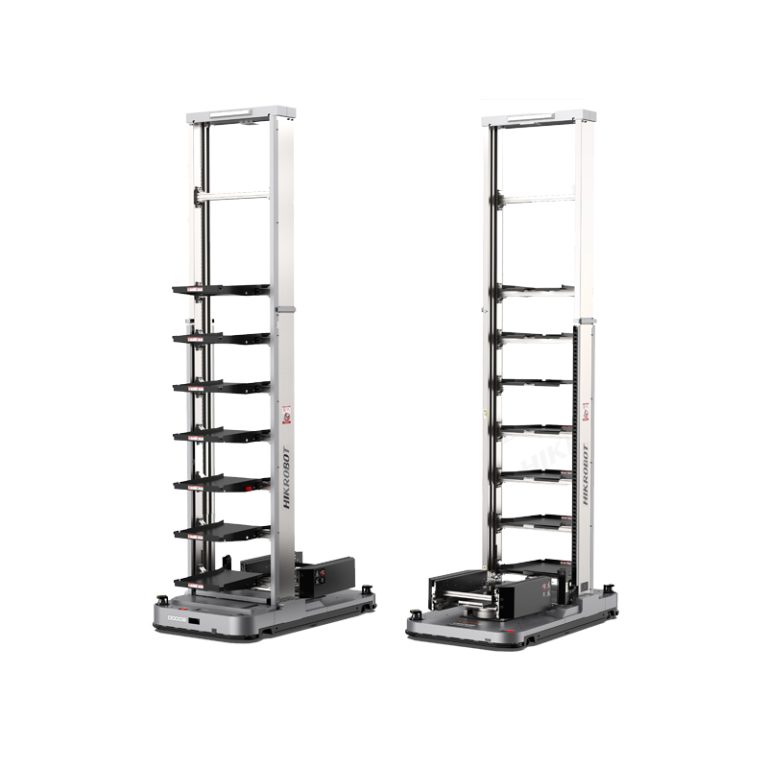
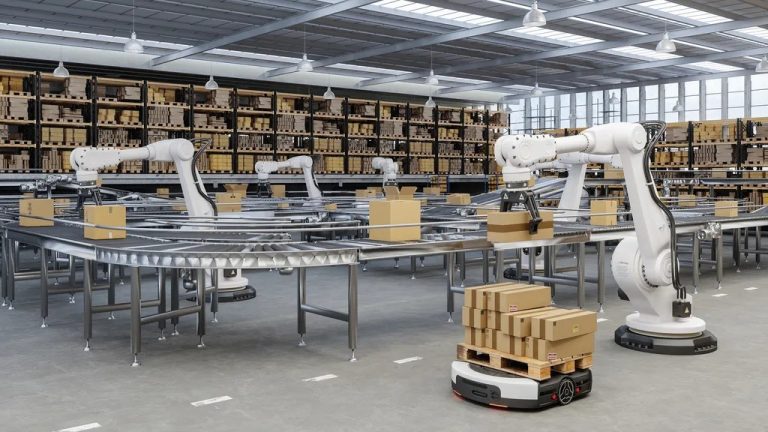
A Carton Transfer Unit (CTU) is an autonomous mobile robot designed to move cartons and totes in and out of racking, typically in narrow aisles and multi-level storage. Instead of a human walking, bending, and lifting dozens of times per hour, the CTU travels to the storage position, picks the tote or carton, and brings it to a work or consolidation station.
Wesar’s CTU lineup supports different sizes and types of carriers—standard totes, cartons and more—covering access heights from around 0.3 m up to 10 m, depending on configuration. That makes it suitable for floor-level fast movers as well as upper-level reserve storage in a pharma warehouse.
Safety by design for regulated environments
In pharmaceutical distribution, safety isn’t just about people—it’s also about product integrity and record keeping. Wesar CTUs are built with multiple layers of protection, such as:
- 360° laser scanning on the chassis for full-perimeter protection, detecting both low and suspended obstacles
- Detection of protruding cartons or totes and telescopic obstacle avoidance to keep goods and infrastructure safe
- Emergency stop buttons and audio-visual alarms for clear on-floor feedback
For a pharma operation, this means the robots can work close to people, picking stations, and inspection zones while keeping risk under control.
Traceability in every move
A CTU system naturally captures data every time it moves:
- Which tote or carton was picked
- From which location (rack, level, position)
- By which robot and at what time
- To which station or outbound lane it was delivered
When this data is synchronized with Wesar’s warehouse management system (iWMS-1000) and robot control system (RCS-2000), you get a full chain of custody for every unit, with real-time visibility into inventory.
That’s critical in pharma logistics—especially when you need to handle recalls, trace suspect lots, or demonstrate control during an audit.
Zero-error handling as a design goal
“Zero error” sounds ambitious, but CTU systems push you closer by:
- Reducing manual travel and touches, where most picking mistakes happen
- Using precise travel and lifting accuracy (travel stop accuracy as tight as ±10 mm and ±1°, with lifting stop accuracy around ±2 mm)
- Enforcing system-directed workflows rather than free picking
Operators scan, confirm, and check—while the robot handles positioning. You eliminate a lot of the guesswork that sneaks into purely manual operations.
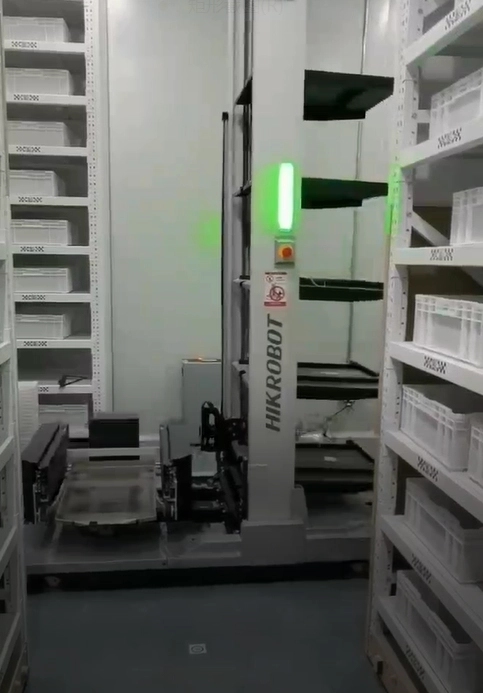
Key capabilities of Wesar Carton Transfer Unit systems for pharmaceutical distribution
Wesar has several CTU models tailored to different rack configurations and load profiles. Let’s look at the capabilities that matter most for pharmaceutical distribution and medical supply chain automation.
High-density storage in narrow aisles
Space is always tight. Wesar CTUs are designed with:
- Small product width and narrow operating aisles—for example, aisle widths around 840–1000 mm depending on the model
- Support for high racks up to 10 m
- Options for double-deep assemblies and adjustable aisle distances to boost storage density
For a pharma DC, this lets you:
- Store slow-moving or specialty SKUs higher up without losing access speed
- Keep temperature-controlled zones compact
- Delay or even avoid warehouse expansion by squeezing more capacity into your existing building
Fast, predictable picking and replenishment
Speed by itself isn’t enough—you want predictable, repeatable flows. Wesar CTU solutions support:
- High inbound and outbound efficiency with workstations that can dock multiple boxes at a time, reducing station idle time
- Rated speeds around 1.8 m/s so robots can serve several stations without clogging the aisles
- Eight-hour operating time under rated conditions, with fast charging cycles to keep availability high
In day-to-day pharma logistics, that translates into:
- Faster wave picking for hospital and pharmacy orders
- Smoother replenishment of forward pick faces
- More stable service levels during seasonal or pandemic-driven spikes
Integrated software and data flow
Hardware alone won’t fix a complex warehouse. Wesar ties CTUs into a full software stack, including:
- iWMS-1000 for inventory, task management and storage strategy
- RCS-2000 for robot scheduling, route planning and traffic control
- Additional material control and monitoring tools for system-wide visibility
- For a pharma or medical supply chain operation, this means:
- You can enforce FEFO rules at the system level, not just by procedure
- Each move is recorded and auditable
- You can gradually automate zones—starting with cartons and totes—without losing control of the bigger picture
Real-world scenarios in medical supply chain automation
To make it more concrete, here are typical ways pharma and healthcare distributors use CTU systems in practice.
Scenario 1: National pharma wholesaler
A national wholesaler serving thousands of pharmacies needs to handle:
- High order lines in the afternoon cut-off window
- Many SKUs with strict expiry rules
- Frequent regulatory and customer audits
CTUs handle reserve and active storage of totes and cartons, feeding ergonomic pick stations. Operators focus on scanning, checking labels, and handling exceptions. The CTU system keeps replenishment flowing without last-minute chaos, while the WMS tracks every lot and expiry date.
Scenario 2: Hospital central pharmacy
A hospital central pharmacy must deliver medications and medical devices to wards, operating rooms, and satellite pharmacies. Orders are smaller but frequent and urgent.
CTUs can:
- Store and retrieve mixed cartons with drugs, devices, and kits
- Run in narrow aisles close to compounding and picking zones
- Feed stations where pharmacists verify and pack orders
Because every move is tracked, the central pharmacy has a clear history of what was sent, when, and by which batch—very useful when questions come up days or weeks later.
Scenario 3: Regional vaccine and specialty drug hub
Cold chain and high-value products add another layer of risk. Here, CTUs can operate in cold or controlled environments, managing totes that keep packaging within the required temperature range, while the software provides visibility into inventory positions.
The CTU system reduces the number of people who need to work in the cold room and keeps handling patterns consistent, which is exactly what auditors like to see.
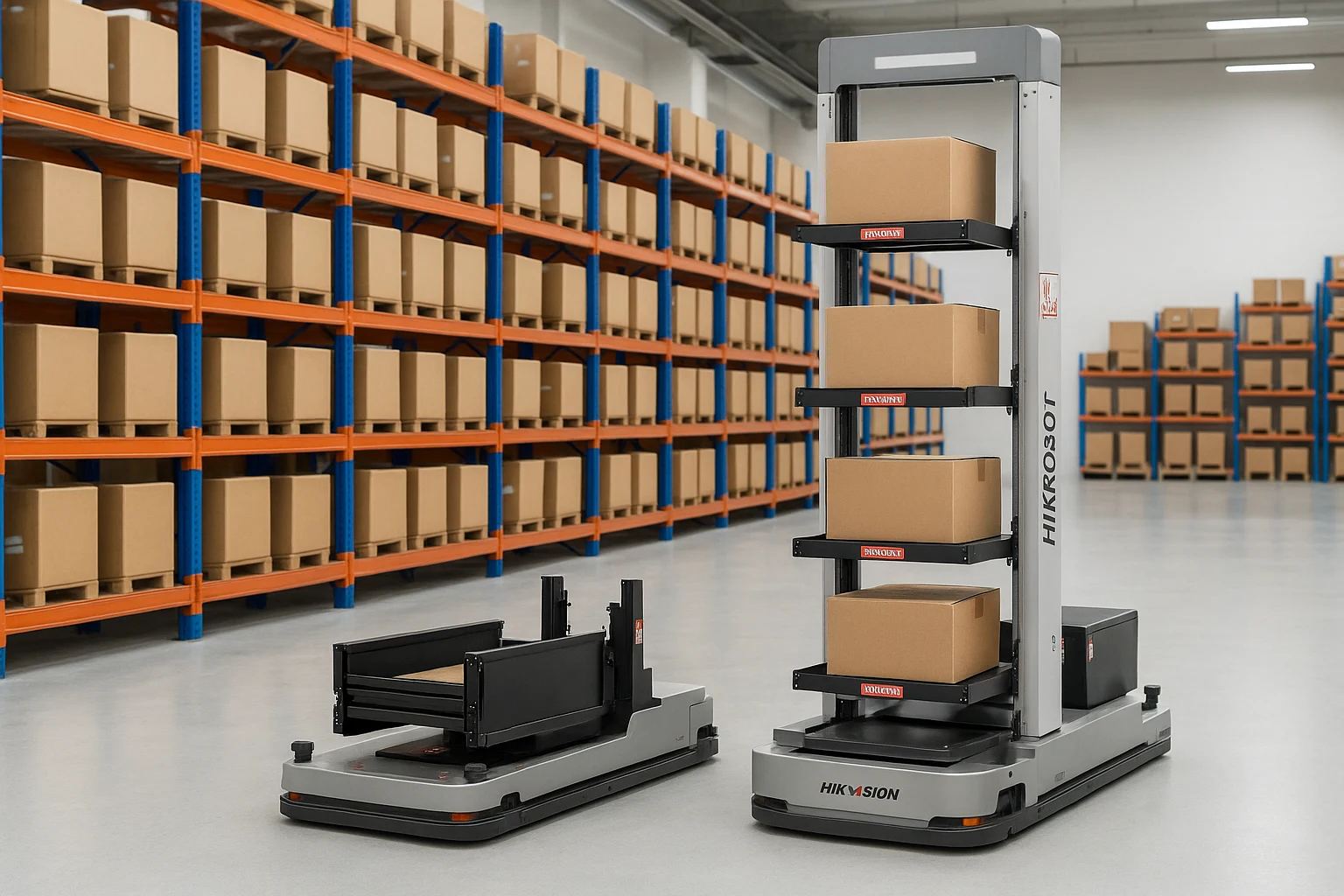
Why pharma and healthcare distributors partner with Wesar
Many providers can sell you robots. Wesar goes further as a one-stop intelligent factory and warehouse solution provider, combining robots, software, and project execution.
Key points that matter to pharma and medical supply chain leaders:
- End-to-end capabilities – From consulting and layout design to equipment manufacturing, software development, on-site commissioning, and after-sales support. Experience and scale – Nearly two decades in automation, a 5,000㎡ production facility, and a team of more than 100 professionals, including dozens of technical experts focused on real-world projects.
- Cross-industry know-how – Projects in precision manufacturing, automotive, and new energy mean Wesar is used to strict quality standards and complex logistics flows—skills that translate well into pharma environments.
For you, this means:
- A partner that can talk about URS, validation, and risk analysis—not just robot specs
- The ability to customize CTU solutions around your racks, SKUs, and regulatory reality
- Local and remote support teams who understand that downtime in pharma logistics is not an option
About Wesar Intelligence Co., Ltd.
Wesar Intelligence Co., Ltd. is a smart warehousing and factory automation provider headquartered in Suzhou, China. The company is structured around two main business branches:
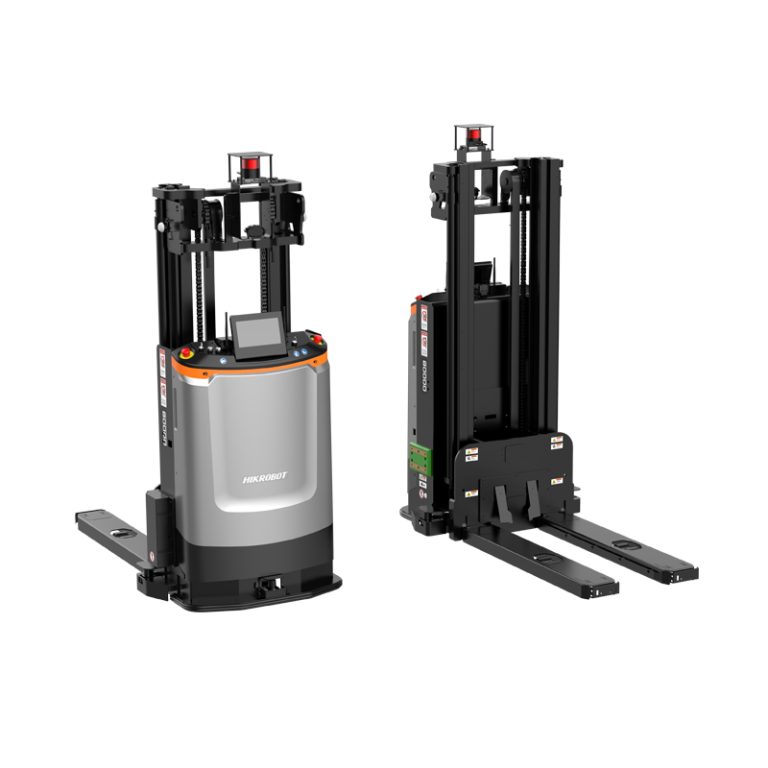
- Smart warehousing solutions – focusing on green intelligent logistics robots (including CTUs, latent mobile robots, forklift mobile robots and more) plus the design and implementation of intelligent warehouse systems.
- Specialized services for electronics and machinery – delivering production line automation, custom fixtures and non-standard equipment from a 5,000㎡ facility, supported by a dedicated engineering and production team.
Guided by an experienced management team, Wesar delivers integrated solutions across consulting, software, equipment, project execution and after-sales service. Nearly twenty years of project experience across sectors such as precision sheet metal, automotive and new energy have shaped a practical, results-focused culture.
For pharma and healthcare distribution, this combination of robotics, software, and system integration makes Wesar a strong partner for Carton Transfer Unit solutions for pharmaceutical distribution and broader medical supply chain automation.
Conclusion: Turning pharma warehouses into smart, resilient nodes
Pharmaceutical distribution is only getting more complex—more SKUs, more regulations, more customer expectations. Manual processes alone can’t keep up without running into error rates, overtime, and rising risk.
Carton Transfer Unit solutions for pharmaceutical distribution give you a different way forward:
- Robots handle the repetitive travel, lifting and positioning
- Software drives storage strategies, traceability and task orchestration
- Your team focuses on quality, problem-solving and service
Wesar’s CTU systems bring together high-density storage, precise carton handling, and a mature software stack built around real-world projects. If you’re exploring medical supply chain automation and want a long-term partner—not just a piece of equipment—Wesar Intelligence Co., Ltd. is worth a serious look.
FAQs: Carton Transfer Unit Solutions for Pharmaceutical Distribution
How does a Carton Transfer Unit improve pharma logistics compared with manual picking?
A CTU system replaces long walking distances and manual lifting with automated carton and tote handling. In pharma logistics, this means robots bring the right totes to pick stations, while operators focus on scanning, checking labels, and handling exceptions. You cut travel time, reduce physical strain, and dramatically lower the chance of pulling the wrong lot or expiry date.
Can CTU systems support FEFO and batch/lot traceability in medical supply chain automation?
Yes. Each move a CTU makes is driven by the warehouse management system, which “knows” batch, lot and expiration data. When you use CTUs within a broader medical supply chain automation setup, the system can apply FEFO rules automatically—selecting the right carton or tote based on expiry date—and record every movement for audit and recall purposes.
Are Carton Transfer Unit solutions suitable for temperature-controlled or high-value pharmaceuticals?
CTU solutions are well suited to high-value and temperature-sensitive products because they reduce unnecessary touches and keep handling patterns consistent. In a controlled or cold environment, CTUs can move totes or cartons in and out of storage quickly, so doors stay closed longer and people spend less time in harsh conditions. For high-value products, tighter traceability and fewer manual steps mean a lower risk of loss, misplacement, or dispute.
How difficult is it to integrate CTUs into an existing pharmaceutical distribution center?
Integration is usually done in phases. Wesar typically starts by analyzing current flows and identifying a zone—like tote storage or carton picking—where CTUs can deliver quick wins. The CTU fleet connects to your WMS (or Wesar’s iWMS) and robot control system, and then tasks such as put-away, replenishment, and order picking are gradually shifted to the automated layer. In many pharmaceutical distribution centers, the project can be staged so normal operations continue while automation ramps up.
How can Wesar help us evaluate whether Carton Transfer Unit solutions for pharmaceutical distribution are a good fit?
Wesar works with pharma and healthcare customers to map current processes, identify pain points, and simulate different CTU deployment scenarios. That might include layout sketches, capacity and throughput estimates, and discussions about validation and regulatory expectations. If you’re considering Carton Transfer Unit solutions for pharmaceutical distribution as part of a broader medical supply chain automation strategy, Wesar can help you build a roadmap—from pilot zone to full rollout—based on your actual data and constraints.





 English
  Russian
  Chinese