
Heavy-duty mobile robots (HMR) form a key part of industrial automation. They help industries shift from old material handling setups to fully independent logistics. These devices handle heavy loads in factories and warehouses with great accuracy and security. Their connection to digital control networks fits the ideas of Built for Industry 4.0. This setup lets them work in flexible, information-based production areas.
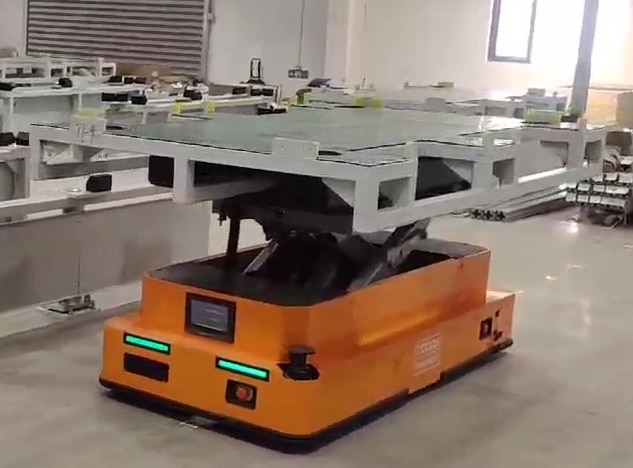
Core Characteristics of Heavy-Duty Mobile Robots
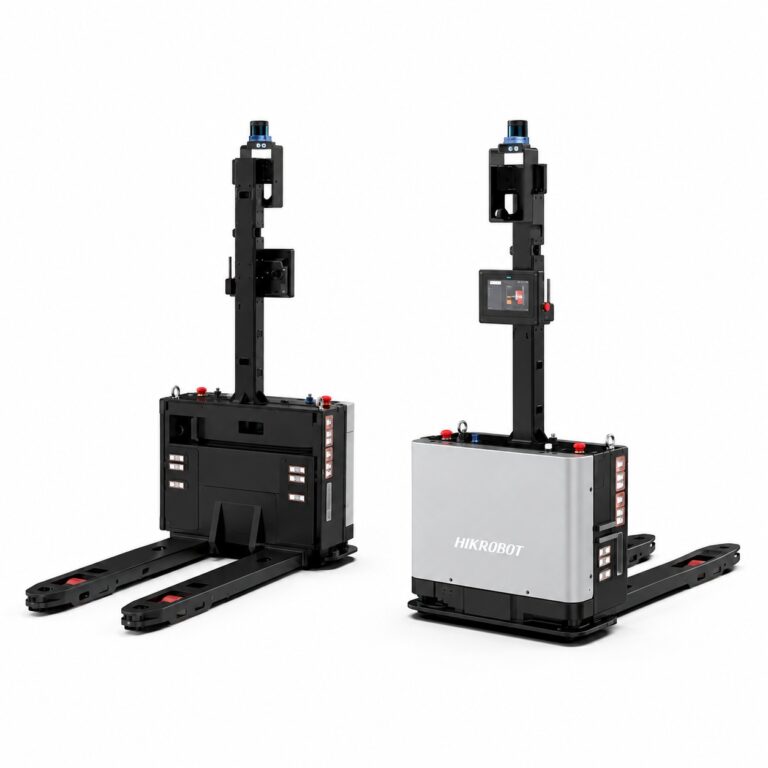
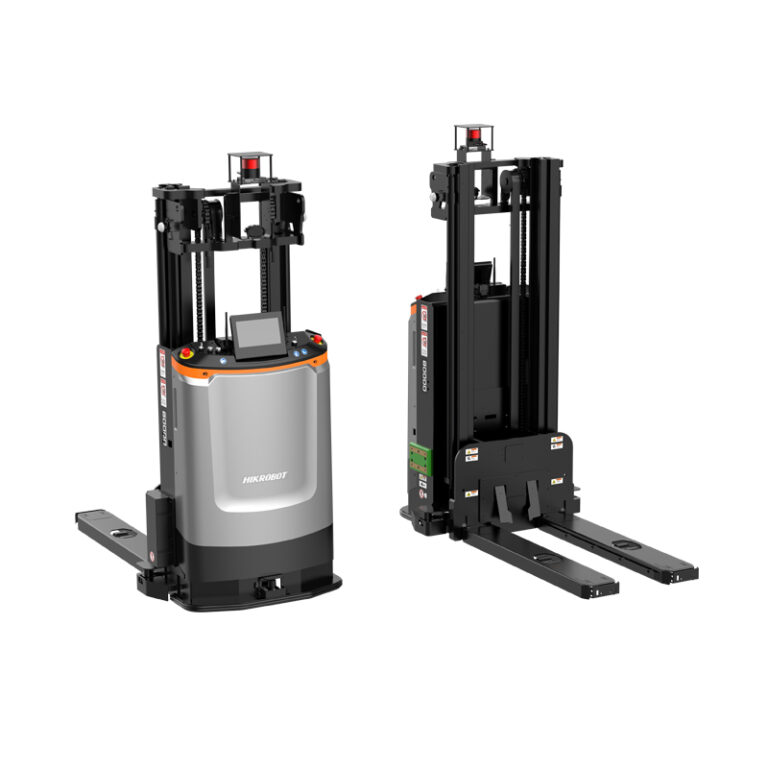
The main trait of HMRs is their strong ability to carry loads. These loads often go over several tons. This feature makes them vital for tough manufacturing fields like automotive, aerospace, and metal work. Their sturdy navigation tools use LiDAR, SLAM, or mixed location methods. These ensure exact placement even in changing factory settings. Plus, their flexible design lets them adjust with special add-ons. Examples include lifting platforms, conveyors, or robotic arms. As a result, they fit many industrial uses.
Key Components That Enable Reliable Operation
Steady performance comes from advanced drive setups. These keep balance under shifting load situations. Battery systems boost working time. They do this by managing energy flow and recharge periods well. Tough sensors improve movement control. At the same time, they meet global safety rules. This careful design allows non-stop work in strict production plans. Downtime there can cause big losses.
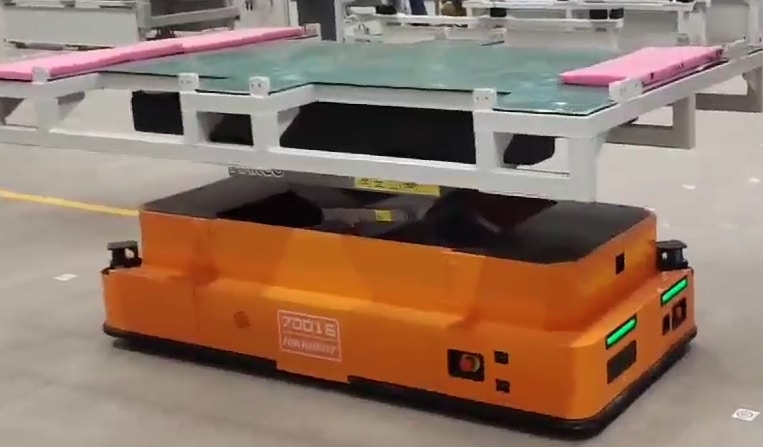
How Are HMRs Transforming Industrial Applications?
Using heavy-duty mobile robots changes how operations run in various industrial areas. They take over repeated or risky jobs. This cuts down on human involvement. It also raises output and keeps processes steady. Robots and automation aid industry right now. Their flexibility means industries can handle quick changes in production. They do this without big shifts to their setups.
Applications in Manufacturing Environments
In factory settings, HMRs make material movement smoother between production steps. They cut down wait times between tasks a lot. These robots deliver parts to assembly spots on their own. They base this on current production needs. Moreover, they link easily with MES and ERP systems. This matches logistics with other operations. Such links aid in forecasting schedules and assigning resources. All this follows lean manufacturing ideas.
Role in Warehousing and Logistics Operations
In storage areas, HMRs manage pallet movement, loading, and unloading well. They work in tight storage designs. Smart route planning helps them move through tricky warehouse shapes. They also steer clear of crowded spots. With RFID and IoT links, every action gets tracked. This boosts stock visibility. It also lowers mistakes from hand-operated tasks.
What Are the Technical Challenges in Deploying HMRs?
Though they offer benefits, setting up heavy-duty mobile robots faces tech hurdles. These relate to path accuracy, surroundings fit, and system matching.
Navigation and Environmental Adaptability Issues
Busy factory areas bring problems like shifting barriers or uneven light. These can mess with sensor work. Dust buildup or shiny surfaces might twist LiDAR data. So, smart programs are needed. They adjust paths quickly. Machine learning models help with better awareness in these changing spots. They improve over time.
Integration with Existing Infrastructure
Fitting HMRs into old automation setups often needs changes for matching. This includes older talk protocols or physical links. Places might require updates for charging spots or wireless power systems. Also, handling mixed groups from different makers calls for central control software. It must guide various robot types smoothly.
How Does Artificial Intelligence Enhance HMR Performance?
Artificial intelligence plays a big role in improving heavy-duty mobile robots. It brings wiser path methods and forward-looking upkeep plans. These raise working time and overall output.
AI-Based Navigation and Path Planning
Machine learning tools study traffic flows in buildings. They guess the best paths as things change. Reinforcement learning boosts dodge skills for barriers. Robots get better with data from past runs. Live data checks also sharpen path choices. They look at crowd levels or urgent tasks. This keeps steady flow in auto logistics setups.
Predictive Maintenance Through Data Analytics
AI watch systems gather info on shakes, heat, and power from built-in sensors. They check part conditions all the time. Forward warnings from this info let teams fix issues early. This stops big stoppages that cost a lot. Such info-focused ways lengthen robot life. They also raise investment returns via better upkeep timing.
Why Choose Wesar Intelligence Co., Ltd as a Reliable Supplier?
Wesar Intelligence Co., Ltd shines as a dependable maker. They focus on tough, industry-level heavy-duty mobile robots for today’s smart factories. Their products mix solid builds with smart program designs. These match Industry 4.0 goals. The focus is on digital links and self-run tasks.
Strengths of Wesar Intelligence Co., Ltd’s Offerings
The firm offers a full range of choices. These cover different load sizes for various operation levels. Think small units for electronics lines or huge ones for car frame moves. Their build skills aid easy fitting into smart factory networks. There, robots work well with other auto tools. Special tech help makes setup phases simple. Long-term care services keep systems at top shape over time.
What Future Trends Will Shape the Development of Heavy-Duty Mobile Robots?
The path for HMR tech heads to more self-rule. This comes with better link systems like 5G networks. Mixed power designs aim for green goals. These fit new manufacturing ways.
Emerging Innovations in Design and Functionality
Coming designs will add mixed power setups. These blend batteries with quick-charge units for longer runs under heavy use. Team-based heavy robots will work safely with people. They mix power with quick reactions. This changes work comfort. It’s a growing idea in team robotics studies, like Automate 2025: 5 ways cobots and AMRs top humanoid robots. Also, bases count, from single robots to growing systems, he said. This growth makes them ready for changing factory flows.
Integration into Smart Manufacturing Ecosystems
Fitting into smart manufacturing will grow deeper. Digital twin tools allow test runs in sims before real starts. Edge computing handles sensor info on-site. This speeds choices without cloud delays. As fields grow use beyond usual areas into mining or ship work, HMR range will matter more. It supports auto links across fields.
Conclusion: The Strategic Role of HMRs in Industrial Modernization
Heavy-duty mobile robots hold a key spot in global industrial updates. They boost output with self-moving fixes that blend AI smarts with strong builds. This shows the move from fixed auto to flexible cyber-physical setups. These match Industry 4.0 plans, such as Industrial automation must meet five needs. The steady tweaks to these techs promise big changes in all areas that need exact logistics and large material handling.
FAQs
What distinguishes a heavy-duty mobile robot from standard autonomous mobile robots?
Heavy-duty mobile robots stand out mainly by carrying much higher loads. These often reach several tons. They keep exact path control in hard factory settings. Standard AMRs would face build or mechanical issues there.
How can industries ensure the safe deployment of HMR fleets?
Safety comes from layered guard plans. These include extra sensors, set work limits, live checks via control platforms, and following ISO 3691 rules. These cover robotic vehicle work in shared areas.
What factors should be considered when selecting an HMR supplier?
When looking at suppliers like Wesar Intelligence Co., Ltd., check key points. These include load range options, growth for different plant sizes, help with current IT fits, steady after-service, and proven work in similar high-uptime industrial uses.






 English
  Russian
  Chinese
  Japanese
  Italian
  Korean
  Spanish
  Arabic
  French
  German