
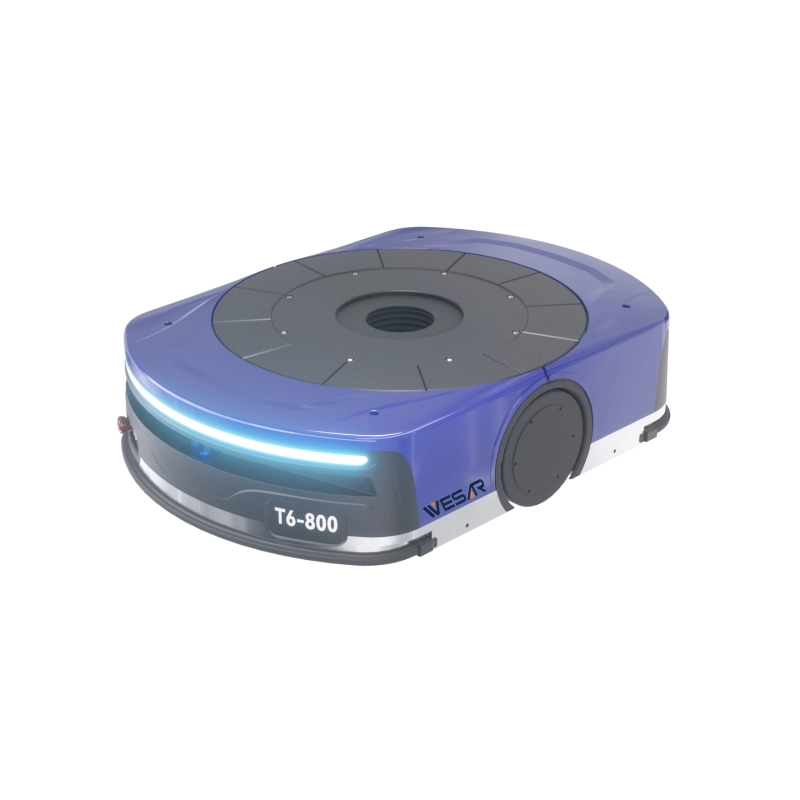
QR code navigation in warehouse automation serves as a basic but reliable way to guide automated guided vehicles (AGVs) in structured settings. It uses a pattern of QR codes placed on the warehouse floor. Each code holds certain coordinates or location details. As an AGV travels, its built-in camera scans these QR codes. This helps the vehicle figure out its exact spot and the best way to move next. Many places use this method because it is simple, cheap to set up, and easy to put into action. The focus on visual signs means quick rollout without tough setup or mapping steps. Thus, it fits well for modest to medium warehouses with steady designs.
Benefits and Limitations of QR Code Navigation
The key plus of QR code navigation is its low price and easy installation. It allows precise route following with few hardware needs. Yet, this way of guiding has downsides in busy or big spaces where changes happen often. It counts on real markers stuck to the ground. So, any shift—like moving shelves or changing routes—can mess up the system’s correctness. Over time, the QR codes might wear out from use. This could mean more upkeep work and possible stops in operations. Hence, though budget-friendly, it works best in steady work areas, not in flexible shipping setups.
How Does Laser SLAM Navigation Work?
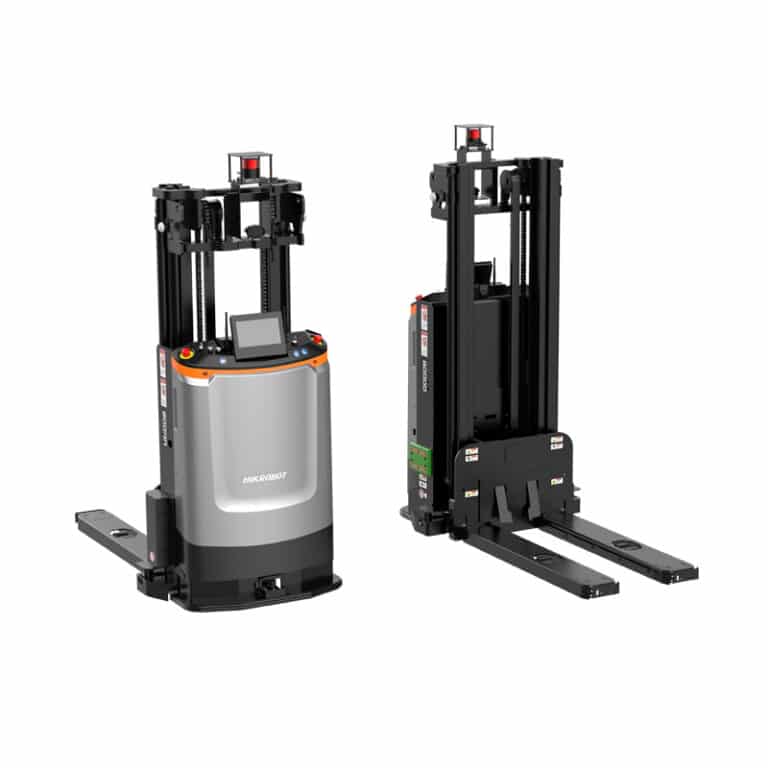
Laser SLAM (Simultaneous Localization and Mapping) offers a more developed and adaptable option for warehouse automation. AGVs use laser tools to check their area all the time. They build a live map and at the same time find their place in it. This two-part skill lets the system move on its own without fixed signs like QR codes or tape strips.
Enhance software planning, boost work flow, fulfill demands of automated shipping in various steps, and reach smart production that is smooth, affordable, and adjustable. Crystal pulling, slicing, cells, modules Full-process automation robots, fitting tough making spots VSLAM, LSLAM navigation technology and 5G communication technology industry-leading robots meet the needs of high-precision docking of different photovoltaic process machines Greatly reduce the burden of employees’ loading and unloading and material transfer operations Solution advantages Feeding raw material silo fleece making Viscose outbound crystal pulling Diffusion Slicing Cutting cleaning Square opening. This statement highlights how LSLAM technology ensures high-precision docking and adaptability even in complex manufacturing environments, underscoring its reliability in dynamic industrial contexts.
Advantages of Laser SLAM Over QR Code Navigation
Laser SLAM gives great freedom when compared to old sign-based setups. It lets AGVs work well even if the warehouse setup shifts or items block ways for a bit. And since it does not need set structures, it cuts down on fix-up costs from damage or changes in the surroundings.
Solution Digital twin: In the planning stage of the solution, a virtual factory is established in equal proportions to pre-empt problems such as solutions, product development, delivery and implementation, and risk avoidance in advance. High degree of software flexibility: Using SLAM navigation technology, you only need to adjust the point on the server to complete the route change. This demonstrates that route adjustments can be completed digitally through software rather than by physically modifying floor markings, which enhances operational agility.
Plus, Laser SLAM brings better exactness via mixing several sensors and live sense of the area. Relying on the industry’s leading 3D visual positioning technology and multi-sensor fusion technology, it can meet the docking accuracy of ±1mm for air expansion shaft and winding/laminating equipment. Such precision ensures consistent performance even under variable lighting or surface conditions—an essential factor for high-volume logistics operations.
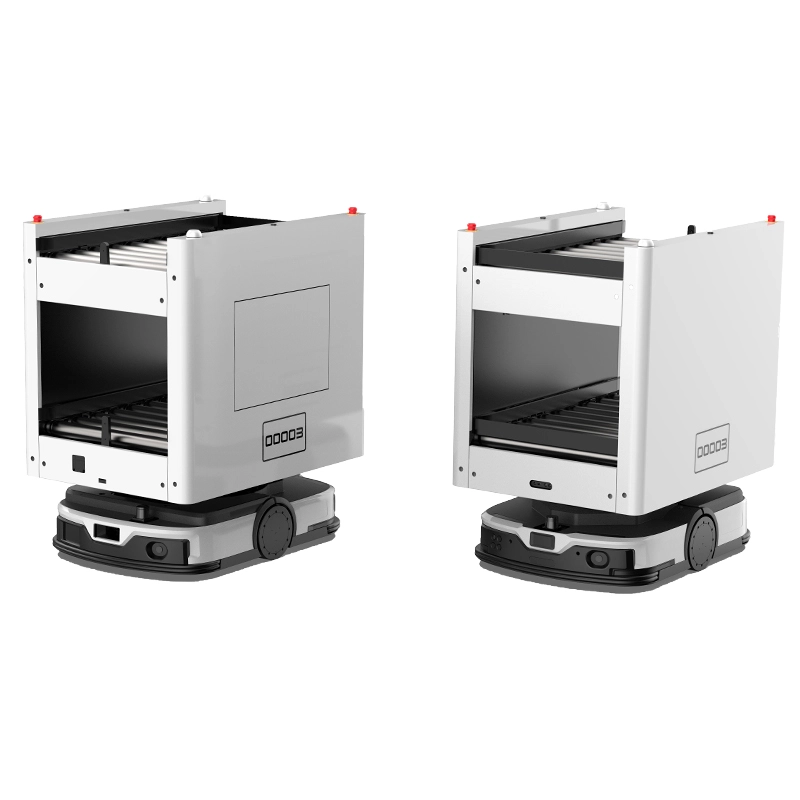
Which Navigation System is More Suitable for Large Warehouses?
When looking at value for money, QR code navigation seems appealing at the start because of its small starting costs. But over the years, upkeep expenses might rise. This happens since the real markers break down and need regular swaps. On the other hand, Laser SLAM needs more money up front for tools and processing units. However, it lowers steady fix-up costs. There are no parts that wear out in this case.
Also, the growth potential of Laser SLAM leads to bigger savings in huge buildings where setup tweaks occur a lot. The skill to change paths through programs instead of fixing real markers means less stop time and quicker shifts to new ways. These are big wins for businesses aiming for ongoing betterment plans.
Evaluating Scalability and Flexibility
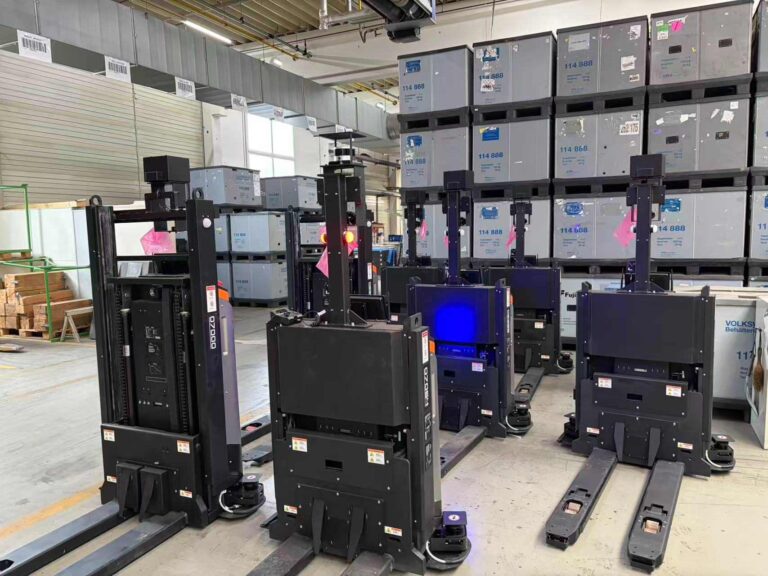
Big warehouses need setups that adjust fast to work shifts like yearly stock changes or process overhauls. Laser SLAM does great here. It updates space maps on its own without hands-on help. Focusing on the automotive and lithium battery industries, it can flexibly switch between multiple navigation methods in scenarios such as final assembly SPS, door line sub-assembly, line-side distribution, and pack workshops. In the material distribution system, the parts distribution process can be optimized by dragging one or more. This flexibility illustrates how multi-navigation compatibility—including LSLAM—supports scalable operations across different production lines.
In comparison, QR code navigation misses this adjustability. Any tweak calls for printing new codes and placing them again. That takes a lot of time and limits growth. So, from views of steady work and planning ahead, Laser SLAM is the better pick for large automation efforts.
How Do These Technologies Impact Warehouse Efficiency?
Both qr code navigation and slam navigation help a lot in boosting warehouse output. They do this by handling goods with machines and cutting down on human mistakes. In the 3C industry, intelligent warehousing and automated logistics equipment are widely used in production, storage, and distribution processes. Automation technologies like these enable real-time inventory monitoring and streamline workflows across multiple departments.
Still, Laser SLAM’s self-adjusting nature boosts these gains even more. It allows AGVs to run smoothly amid always-shifting designs or short-term blocks. Through the integration of logistics execution systems with AMRs, RFID, distribution vehicles, etc., automatic material receipt, goods-to-person sorting instruction error prevention, dynamic inventory management, etc., significantly improve the level of flexibility, increase the efficiency of logistics operations by 55%, and effectively accelerate the product delivery cycle. This example demonstrates how integrated AMR systems powered by advanced navigation technologies can dramatically increase logistics efficiency while ensuring higher delivery accuracy.
Safety Considerations in Automated Environments
Safety stays very important when adding self-running systems in areas shared with people. Laser SLAM improves safety by scanning the surroundings non-stop. It spots blocks right away and changes paths to fit. Unlike fixed sign systems that stick to set routes no matter what blocks pop up, SLAM-fitted AGVs can switch ways fast to dodge crashes.
On top of that, mixing many sensor types gives better sense accuracy even in hard spots like dirt or dim light. This further lowers risks tied to people and machines working close in warehouses.
Why Choose Wesar Intelligence Co., Ltd. as Your AGV Supplier?
Wesar Intelligence Co., Ltd. has built a strong name as a top provider of fresh AGV answers made for many industry uses. The firm’s know-how is in blending new guide tech like Laser SLAM into strong automation bases. These ensure trust, sharpness, and growth in fields like car making and electronics putting together.
Their answers stress freedom via piece-by-piece hardware builds paired with smart program bases. These can link many robots at once for joint tasks. That is a must for big shipping webs aiming for top flow speed.
Conclusion
While both qr code navigation and slam navigation add useful skills in warehouse automation setups, their fit varies by size and trickiness needs. For tiny spots with fixed plans, QR code systems give ease at small cost. But for wide or often-changing areas that call for adjustability, sharpness, and lasting output wins, Laser SLAM shines clearly as the best fix. It pushes forward smart warehouse changes of the next kind.
FAQs
What are the main differences between QR code navigation and Laser SLAM?
QR code navigation relies on static physical markers for guidance, whereas Laser SLAM uses real-time mapping with laser sensors for dynamic navigation.
Is Laser SLAM suitable for small warehouses?
While it can be used in smaller settings, the benefits of Laser SLAM are most pronounced in larger or more complex environments where flexibility is crucial.
How does Wesar Intelligence Co., Ltd. support its AGV clients?
Wesar Intelligence Co., Ltd. provides comprehensive support through customized solutions, expert consultation, and ongoing maintenance services to ensure optimal AGV performance.






 English
  Russian
  Chinese
  Japanese
  Italian
  Korean
  Spanish
  Arabic
  French
  German