
The use of Control and Test Unit (CTU) technology has truly transformed the manufacturing field, particularly when it comes to putting together electrical instruments. When you connect intelligent control setups with quick testing and data processing, CTUs improve precision, pace, and automated operations along the production paths. Designed specifically for Industry 4.0: These CTU systems match up nicely with the most recent approaches to industrial automation. Moreover, they provide smart linkages and digital shifts inside current factory environments.
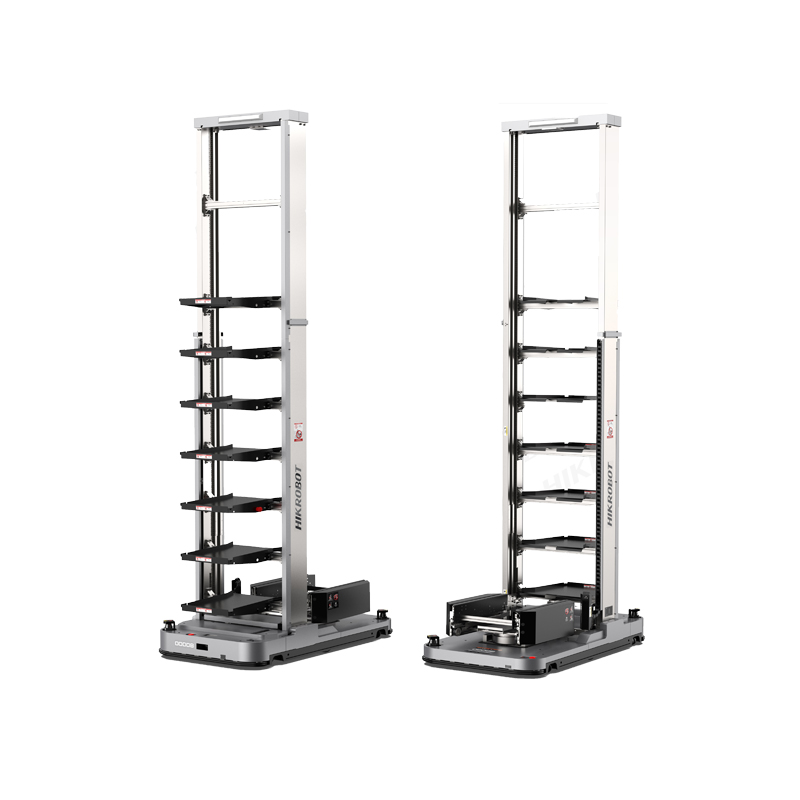
The Role of CTU in Modern Manufacturing Systems
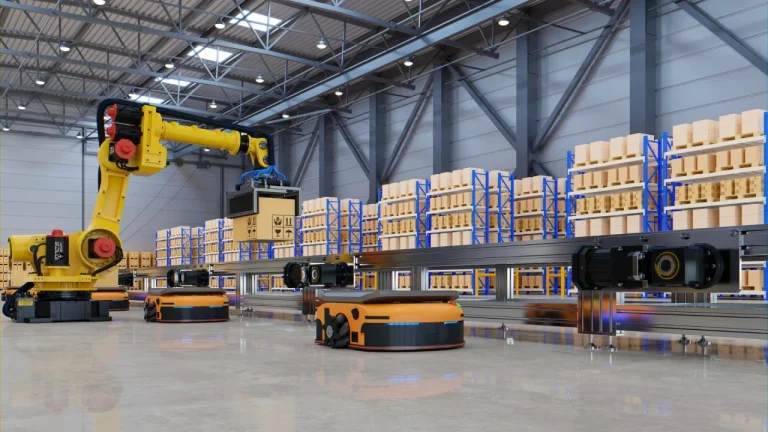
CTUs function as primary control points. They oversee a range of automated tasks in the assembly of electrical instruments. For instance, these units align movements between robotic arms, testing equipment, and systems for gathering data. As a result, this arrangement guarantees a fluid workflow that avoids interruptions. Furthermore, such connections support reliable quality inspections. They also reduce errors made by people through straightforward algorithmic decisions and feedback mechanisms. Consider advanced production areas, such as The battery cell workshop of the leading enterprise in the lithium battery industry. In places like that, CTUs assist with precise assembly jobs. In those settings, fine details in precision are essential for both performance and safety.
Key Components of a Typical CTU Setup in Electrical Assembly
A common CTU arrangement contains a few essential elements. Among them are control processors, signal connections, and communication components. These elements manage the collaboration of hardware as well as the execution of software instructions. The modular structure permits adjustments according to particular types of instruments or specific production demands. Additionally, the embedded real-time monitoring capabilities in these systems detect issues immediately. Then, they address them promptly. Consequently, this ensures that every element adheres to rigorous manufacturing guidelines prior to advancing to the following phase.
What Are the Core Benefits of Applying CTU in Electrical Instrument Manufacturing?
Incorporating CTU technology into the manufacturing of electrical instruments yields evident advantages in terms of production velocity, product standards, and operational reliability. These advantages arise from enhanced automation abilities and practical process management features. In turn, they simplify each segment of the assembly process.
Enhancing Production Efficiency and Throughput
CTUs refine the alignment of processes by decreasing delays between different assembly phases. Automated connections confirm continuous activity without additional halts or manual assistance. Response loops that operate in real time modify workflows according to performance indicators. Therefore, they increase production rates while preserving uniform outcomes. This method contributes to elevating overall equipment effectiveness (OEE). Specifically, it achieves this by reducing periods of inactivity.
Improving Product Quality and Consistency
Precise control mechanisms integrated into CTUs guarantee balanced application of force, correct positioning, and accurate calibration during assembly. Moreover, the connected testing modules evaluate component performance before completing the final product. As such, this reduces defects that appear after production. In addition, the statistical process control (SPC) information produced by CTUs supports efforts for continuous improvement. It identifies irregularities at an early stage within the production cycle.
Strengthening Data Management and Traceability
Each stage of production is documented within the CTU system. The purpose is to enable tracking and compliance with documentation requirements. This thorough collection of data allows manufacturers to satisfy regulatory demands. It further promotes transparency across all operations. Intelligent analysis of CTU logs reveals trends related to equipment performance or efficiency in material consumption. When combined with Manufacturing Execution Systems (MES), these observations facilitate proactive decision-making. They likewise support the optimization of resources throughout various facilities.
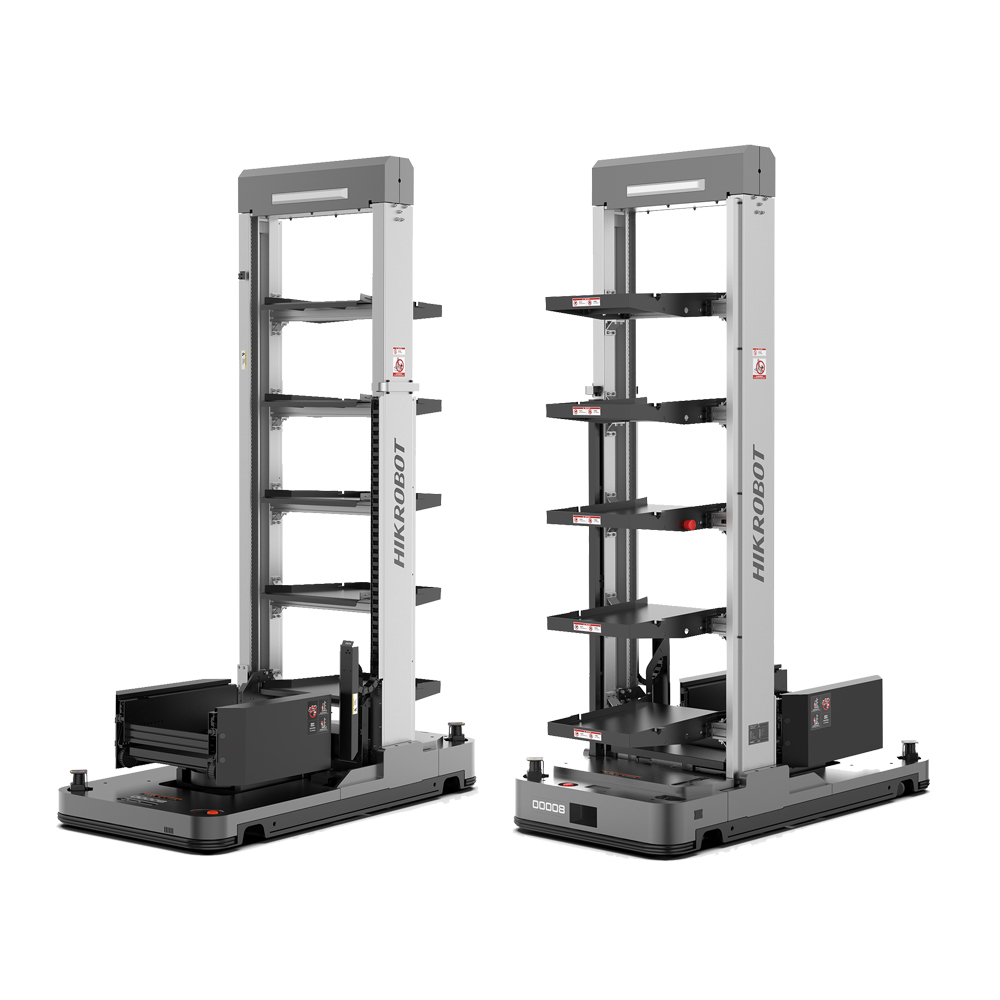
How Does CTU Support Automation and Smart Manufacturing Goals?
While global manufacturing shifts toward digital adaptations within Industry 4.0 frameworks, CTUs emerge as vital supporters of intelligent automation in environments for producing electrical instruments.
Facilitating Interconnectivity Across Production Lines
CTUs create straightforward communication between Programmable Logic Controllers (PLCs), sensors, actuators, and robotic systems located on factory floors. Through the application of established industrial communication protocols such as OPC UA or Modbus, they ensure that equipment from diverse manufacturers operates compatibly. Networked connections permit centralized oversight of multiple assembly lines concurrently. This capability is crucial for expanding smart manufacturing environments.
Enabling Predictive Maintenance Through Data Analytics
Persistent monitoring functions in CTUs supply valuable datasets for applications in anticipatory maintenance. Algorithms powered by AI examine operational data accumulated over time to foresee potential malfunctions before they arise. This forward-thinking strategy lowers maintenance expenses. It prevents unexpected interruptions in operations. Furthermore, it prolongs the durability of equipment through timely corrections grounded in actual evidence, rather than mere reactive measures.
Supporting Flexible Manufacturing Configurations
Configurable logic incorporated into contemporary CTUs enables swift transitions to new product variations without substantial retooling. Flexible arrangements allow manufacturers to alternate between customized small-batch production and large-scale standardized operations with ease. These characteristics underpin agile production strategies required by today’s rapidly evolving markets. Such adaptability maintains a company’s competitive edge. It also enables effective fulfillment of diverse customer expectations.
How Can Manufacturers Implement CTU Systems Effectively?
Achieving successful deployment of CTU technology demands a structured implementation approach that aligns with existing infrastructure competencies and employee preparation standards.
Assessing Current Production Capabilities and Needs
Manufacturers ought to commence by evaluating their present levels of automation development. They must identify integration shortcomings appropriate for CTU introduction. Establishing definite objectives—for example, shortening cycle durations or enhancing defect ratios—assists in synchronizing technological adoption with concrete performance achievements.
Designing an Integration Strategy for Seamless Operation
Partnering with proficient system integrators guarantees that newly installed CTUs align properly with pre-existing machinery networks. Pilot initiatives function as testing grounds. In these, system functionality can be assessed in controlled circumstances prior to comprehensive deployment across production lines.
Training Personnel for Optimal System Utilization
Comprehensive training programs prove essential for enabling operators and engineers to harness the complete capabilities of implemented CTUs. Interactive workshops concentrating on procedural operations, diagnostic procedures, and routine maintenance cultivate assurance among personnel. They likewise optimize the reliability of system availability. Beyond that, training programs should highlight the ways in which real-time data interpretations can inform superior decisions spanning departments.
Why Choose Wesar Intelligence Co., Ltd as a Reliable CTU Supplier?
Wesar Intelligence Co., Ltd distinguishes itself as a dependable supplier specializing in sophisticated Control and Test Units customized expressly for applications in electrical instrument manufacturing. Their solutions demonstrate durability via sturdy hardware constructions coupled with astute software frameworks calibrated for tasks in industrial automation that correspond with Industrial automation must meet five needs.
Key Strengths of Wesar Intelligence Co., Ltd’s Offerings
Wesar Intelligence demonstrates established proficiency in crafting industrial-grade CTUs compatible with diverse manufacturing contexts. These span from high-volume automated production lines to precision-oriented laboratory settings. The company offers extensive technical assistance, including guidance on integration during initial phases and regular software updates. These measures secure sustained operational performance. Persistent innovation forms the core of their approach. They emphasize AI-augmented diagnostic tools that advance automation productivity beyond standard levels noted among industry competitors.
Conclusion: The Strategic Value of CTU Adoption in Electrical Instrument Assembly Manufacturing
Embracing Control and Test Unit technology signifies a crucial progression for manufacturers aiming for superior levels in efficiency, precise oversight, and digital preparedness within operations for assembling electrical instruments. Via resilient system designs akin to those developed by Wesar Intelligence Co., Ltd, organizations attain consistent quality in outputs. Simultaneously, they harmonize their procedures with Industry 4.0 benchmarks. Ultimately, this fosters robustness in competition against fluctuating international market pressures.
Часто задаваемые вопросы
What specific functions does a CTU perform during electrical instrument assembly?
A Control and Test Unit oversees coordination among diverse production phases. It executes automated sequences for testing. It collects operational data without interruption. Additionally, it supports immediate modifications required to sustain reliable product functionality throughout the entire assembly line.
How does implementing a CTU contribute to cost savings?
Installing a CTU diminishes the necessity for manual involvement. Consequently, it decreases labor expenditures. It further mitigates mistakes through refined automation logic. Moreover, it permits anticipatory maintenance approaches that effectively diminish costs associated with unforeseen downtime across extended durations.
Can existing manufacturing lines be upgraded with CTUs without full system replacement?
Yes. The majority of contemporary Control and Test Units incorporate modular design principles. These facilitate straightforward incorporation into established infrastructures through standardized communication interfaces. This scalability obviates the requirement for wholesale substitutions when modernizing legacy systems toward configurations that align with present-day production necessities.





 Russian
  English
  Chinese