
Those running warehouses in 2026 know the drill—labor churn rates pushing beyond 30-40% in busy distribution spots, overtime eating into margins while scrambling to cover endless shifts. Handling accidents don’t let up either, claiming about 25% of all reported issues in facilities around the world, pulling in downtime and compliance headaches. Plenty of operations wrestle with spotty performance during rush times, jacked-up damage bills from slip-ups in moves, and that constant push-pull between safer practices and cranking out more volume. Under these strains, pitting Латентные мобильные роботы against forlift mobile robots turns into a make-or-break choice for folks sourcing gear and directing logistics in warehouse automation pushes.
These low-profile lifters slide in from below to hoist and haul, perfect for squeezed-in areas. Upright stackers, meanwhile, echo old-school forklifts with masts for direct pallet work. The breakdown runs deeper than sticker prices, hitting ongoing hits to workflows, hazard controls, crew assignments, and broad-site yields. Fields like auto parts chains, gadget building, green power stockpiles, and fine-tuned putting-together often size up these paths amid plant refreshes or size-ups.
What Are Latent Mobile Robots (LMR)? Key Features in 2026
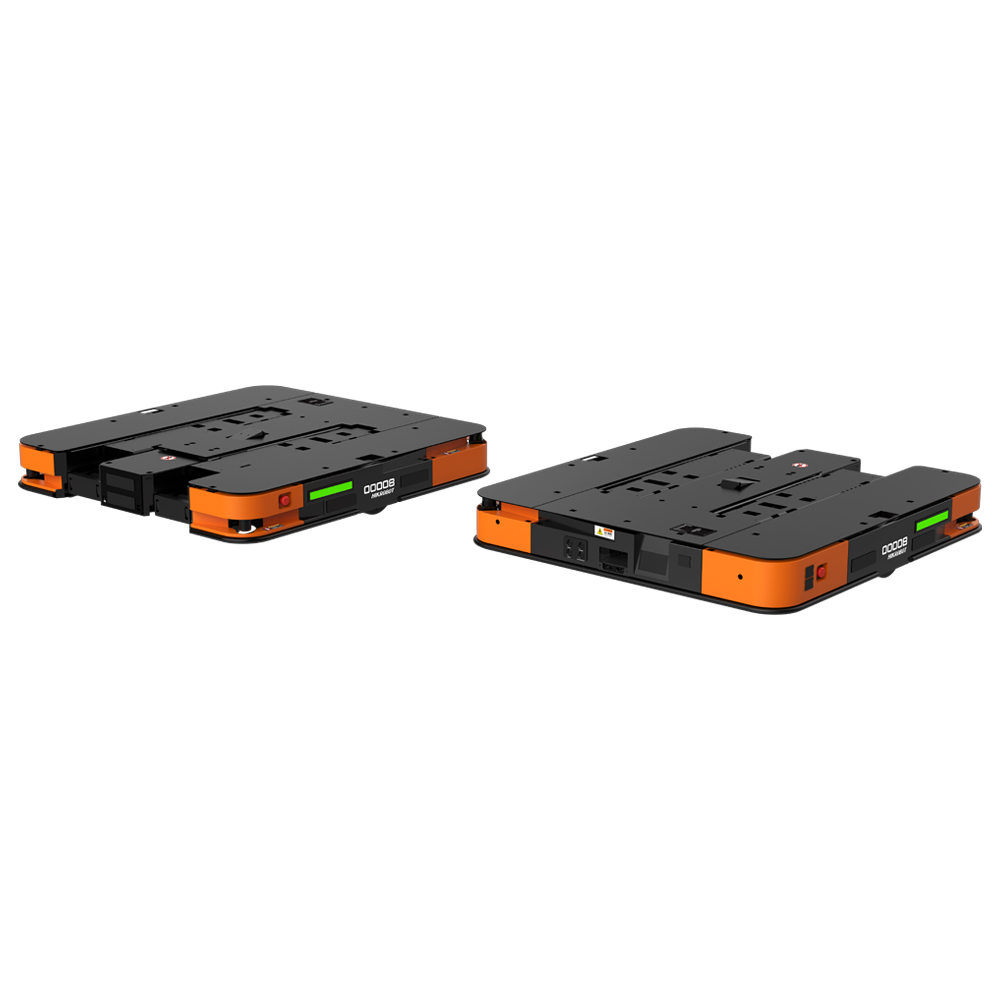
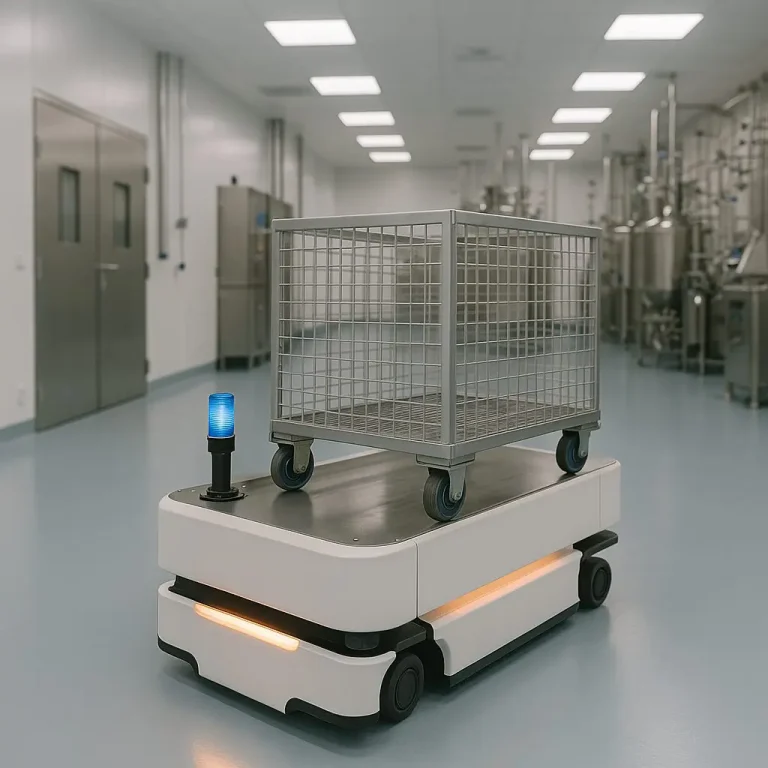
Folks knee-deep in handling gear peg latent mobile robots as squat rigs built to duck under racks or carts, then jack up cargo from the floor up. Called LMR or hidden AGVs in shop talk, they slot right into packed setups where chunky machines just won’t cut it.
Builds keep heights below 30 centimeters, letting them weave into slim passages and rack undersides that bigger outfits bypass. Payloads run 600 to 2000 kilograms usually—picture a workhorse unit toting 1000kg, raising it maybe 100 millimeters for steady pulls. Pathfinding taps laser or sight-based mapping, tweaking on the spot around blocks sans permanent tags. Power leans on lithium cells for staying power, clocking eight to twelve hours straight with snappy top-offs in quiet spells.
Hazard guards pack full-circle scanners that freeze action on spotting people or surprise snags, dialing down smash-ups in zones mixing folks and bots. They pop in fulfillment hubs for online retail, where zipping bins or trolleys short hops calls for quick feet over brute force. Come 2026, beefed-up group control code lets squads sync up, trimming waits and sharpening reactions in up-and-down load swings.
Such bots fix sticky spots in aging sheds. Slotting into legacy floors stays simple with scant ground tweaks—beats outfits needing buried leads. Buyers chasing bulk deals dig the piece-by-piece setups, easing from test runs to whole packs minus big teardowns.
What Are Forklift Mobile Robots (FMR)? Key Features in 2026
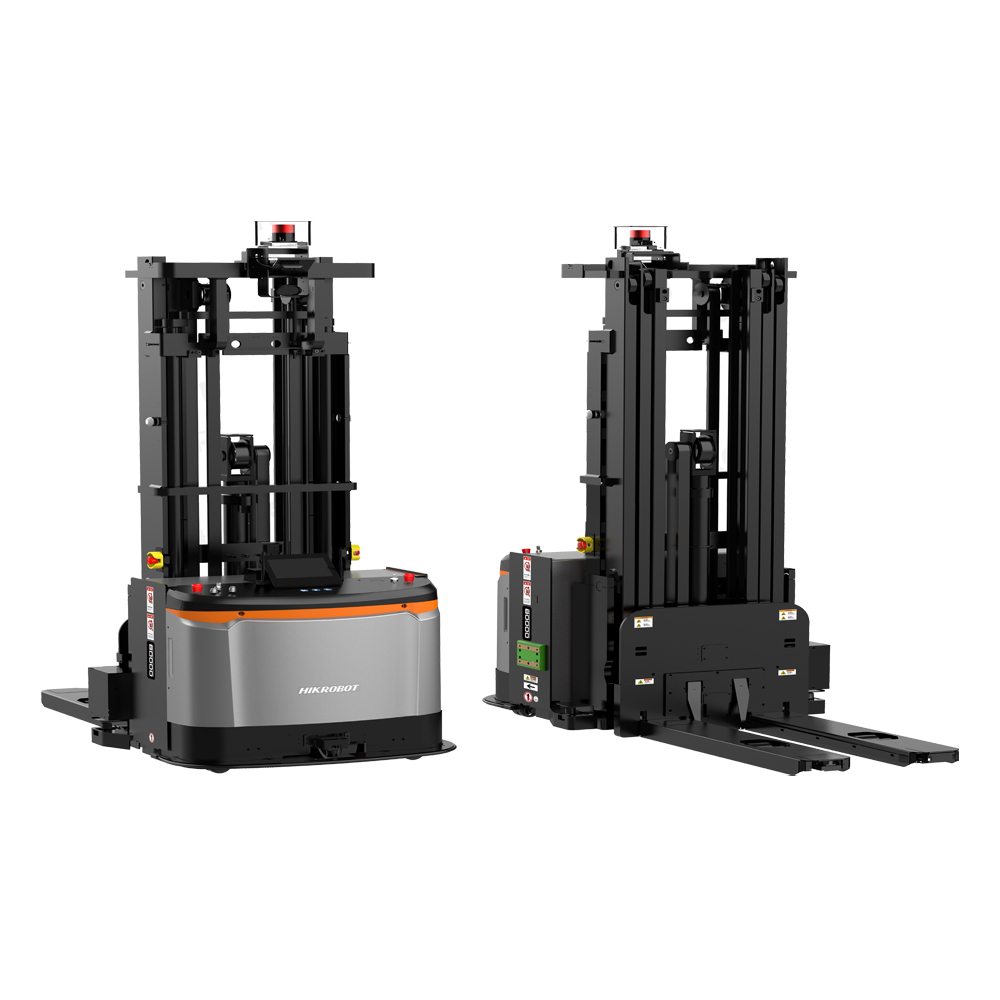
Forklift mobile robots get labeled FMR or upright AGVs by insiders, mirroring manned lifters’ stacking and shifting but going solo. They stand tall in spots needing reach skyward and beefier hauls, marking them as staples for ordered stockpiles.
Standard rigs sport poles stretching past 4.5 meters, matched with prongs grabbing 1000 to 3000 kilograms. A tough specimen could heft 3000kg full stretch, holding steady via balanced frames. All-way rollers allow side slips, upping ease in wide stalls or bends. Steering mixes LiDAR with motion trackers for spot-on trails, holding firm amid moving stock.
Juice flows from sturdy lithium packs enabling nonstop loops, grabbing charges in slow patches. Shields cover beam fences, buzz warnings, and throttle cuts in foot-traffic thick spots, easing dangers manual runs breed. In fab plants or mass ship-out pads, these handle pallet piles in shelves, locking in placements that curb shifts on pulls.
Eyeing 2026, hooks to stock control systems tighten, dishing out jobs ahead via live counts. This slashes blank trips and fits trim methods. Wholesale hunters prize the toughness—chassis tanking shop bangs, with check gaps stretched by data feeds.
Direct Comparison: Latent Mobile Robots vs Forklift Mobile Robots
Laying them out head-to-head spotlights fits for varied floor plans.
Load Capacity and Handling Capabilities
Latent mobile robots top at roughly 2000kg for drags, zeroing on flat shifts with bare-minimum rises—just clearing turf. Forklift mobile robots stretch limits with 3000kg towers over four meters, key for sky-high packs squeezing max from footprints.
Flexibility in Warehouse Layouts
LMR setups rule skinny lanes, dipping under loads sans fat swing spaces. Fits chopped-up grounds thick with blocks. FMR needs elbow room for pole work but offsets with all-angle pushes easing wider runs. In a stock online depot, latent AGV vs forklift AGV bendability sways to LMR for crate dashes, FMR for intake merges.
Upfront and Total Ownership Costs
Starter tabs for latent mobile robots hit $30,000 to $80,000 each, undercutting FMR’s $50,000 to $150,000 from basic guts. Across five years, return math backs the workload match—LMR trims tabs 20-40% in zippy, low-rise gigs via staff swaps, FMR matching in pile-heavy corners with recoups in 18-36 months.
Safety Features and Risk Reduction
Each packs sharp spotting, yet LMR’s stubby build trims top threats, prime for jammed decks. FMR tosses in lean detectors to block flips. Field numbers peg crash drops at 50% after swaps, LMR topping in picker-crowded bays, FMR at dock fronts.
Productivity and Throughput Metrics
Latent mobile robots fine-tune brief loops, netting 20-50% volume bumps in repeat hauls by axing driver swings. Forklift mobile robots keep brisk paces for far pulls, lifting flows in chunk shifts. A matchup in a gadget plant could show LMR nailing 150 rounds hourly for tiny bits, against FMR’s 80 for big builds—but sans shift breaks.
Scalability and Integration Ease
Bumping LMR groups means code nudges for team play, suiting swelling web sales. FMR meshing calls more shelf planning but grows up in hold space. Sourcing calls often turn on lasting fits: LMR vs FMR growth edges LMR for add-on chunks, FMR for pack-dense swells.
Maintenance and Downtime Considerations
LMR layouts cut grind with slim parts counts, hitting every-three-months looks. FMR wants pole scans but gains from ahead-of-break reads. In sum, both shave surprise halts 30-60% over hand ops, with thrift batteries widening work spans.
Real-World Use Cases & Performance Metrics
Think auto bits sheds: Latent mobile robots zip parts under build lines, slashing worker treks and bumping yields 25%. Spot checks from those pads drop flubs below 1%, coded routes locking in drops.
Flip to green cell holds, where forklift mobile robots stack bulky units. There, dead-on lines at 4-meter marks slash claims 40%, flows jumping 35% in rush builds. Shop lore flags LMR for spot-on feeds in tech, snappy under-lifts dodging jams, FMR ruling mass retail for swift pallet stacks.
Draws from rolls where bots trimmed crews—often chopping shifts half—and honed count truths via clean control links. Spend breakdowns flash 15-30% ops cuts, sparked by scarcer hits and smart power pulls.
Choosing the Right One: Actionable Decision Guide for Your Warehouse
Floor bosses ought to kick off with flow checks. Aisles under two meters stressing flat hauls? Latent mobile robots hold sway. Tall shelves and hefty grabs steer to forklift mobile robots.
Weigh in bulk: Zippy, feather tasks back LMR for nimbleness; lump work tips FMR. Crunch returns on local figs—crews at $40,000 yearly each, plus $5,000 average per ding. Dodge woes via trial deploys: Roll one rig for lap counts, then ramp.
Fixes cover mixed packs—LMR for grabs, FMR for stows—to buffer floor flips. Choice calls bank on outlooks: Surging online wants LMR twists; fab swells match FMR muscle.
Why Wesar’s LMR and FMR Excel in 2026
Wesar Intelligence Co., Ltd. shapes LMR and FMR ranges with care for harsh spots. The LMR lineup, say units with hidden fork tricks, doles 1000kg rises in tight shells, propped by sharp pathing for smooth slots. FMR types, like pile rigs hitting 4.5m, weave in all-way tech for brisk heavy gigs.
They shine via solid makes in a 5,000㎡ pad, locking in lasts. Tailored control hooks and post-buy aid tackle rollout snags, solid picks for sourcing in auto and tech realms.
About Wesar Intelligence Co., Ltd.
Wesar Intelligence Co., Ltd. anchors in smart haul plays, based in Suzhou’s tech zone with a 5,000㎡ make base. Over 100 hands, 26 tech whizzes among them, fuel fresh takes on AGV bots, control soft, auto racks, and mech lines. Hitting precision metal, vehicles, and fresh power niches, it rolls full spreads from talks to upkeep, stressing spend trims and slip cuts in store runs.
Заключение
Picking latent mobile robots over forklift mobile robots ties to floor truths beyond lone traits. By 2026, spots pinched for room or stacking tall spot matches that lift flows and guards. LMR brings slick fixes for crammed zones, FMR packs punch for up demands—each rides waves in self-run, sure shifts. Sizing tabs, runs, and threats yields smart picks that fix now woes and brace for steady growth.
Часто задаваемые вопросы
What are the main differences in load capacity between latent mobile robots and forklift mobile robots?
Latent mobile robots cap at up to 2000kg focused on pulls, fitting light, repeat shifts. Forklift mobile robots tackle 3000kg with tall rises, geared for piling hefty pallets in shelves.
How do latent mobile robots improve efficiency in narrow warehouse aisles compared to forklift mobile robots?
Latent mobile robots duck under with stubby builds, threading slim gaps sans broad swings, jacking rounds 20-50%. Forklift mobile robots want space for poles but shine in clears with all-angle hustle.
What factors influence the ROI when choosing latent AGV vs forklift AGV for warehouse automation?
Returns pivot on starters ($30k-80k latent vs $50k-150k forklift), crew cuts (15-30% drops), and job fits—latent for quick drags, forklift for sky stores, recoups hitting 18-36 months.
Are latent mobile robots safer than forklift mobile robots in mixed human-robot environments?
Each sports keen sensors, but latent’s short stance trims high threats in jammed areas. Forklift adds lean guards for hold, in all slashing events 50% via self-runs.
When should a warehouse opt for forklift mobile robots over latent ones?
Go forklift mobile robots for sky piles and grabs past 2000kg. Latent fits tighter for rack-under drags in snug plans with feather, loop tasks.





 Russian
  English
  Chinese