
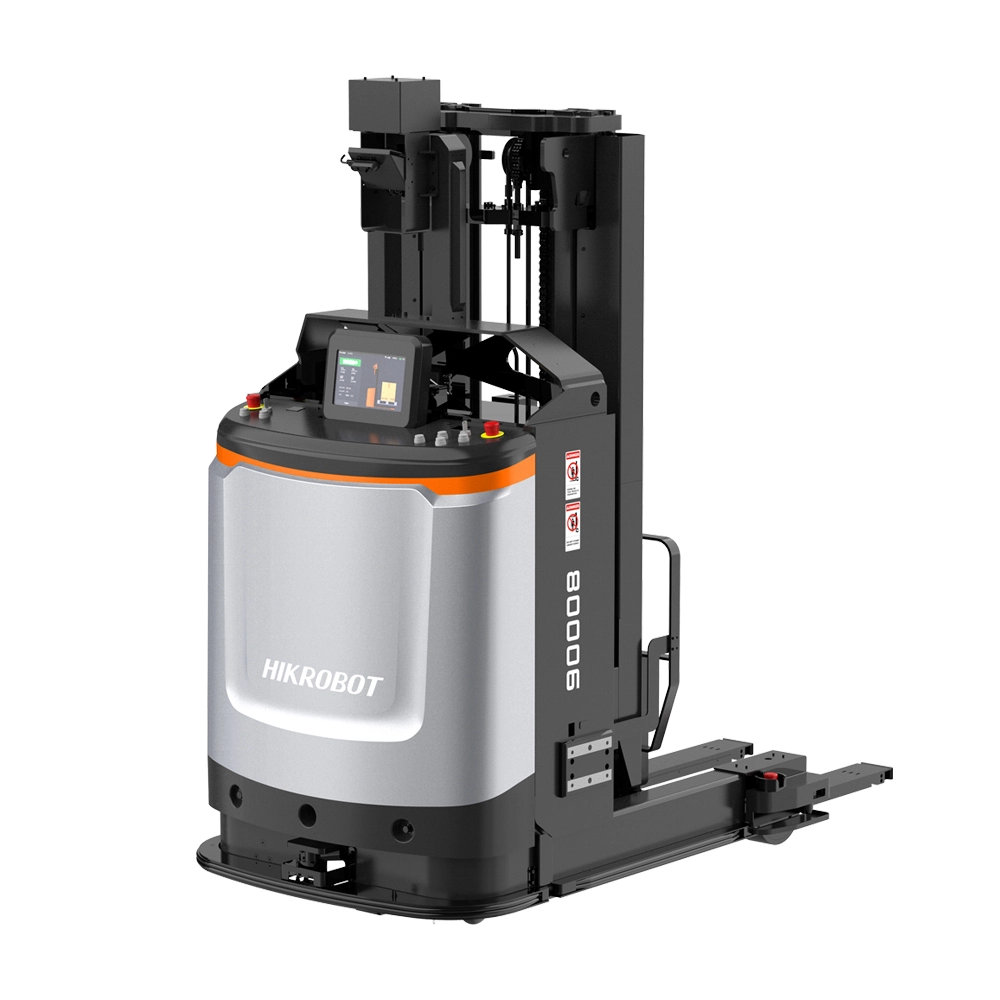
To figure out the correct number of Автоматизированные управляемые транспортные средства (AGVs) for your warehouse, you need to look at several practical and technical aspects. These elements help make sure that your investment in automation fits well with the pace of production, the needs for handling materials, and the limits of space.
Assessing Warehouse Size and Layout
The initial task is to check the overall area and the details of your warehouse setup. Bigger places with multiple sections or routes that cover long distances often need extra AGVs to keep things moving smoothly. Tight paths, stacked storage levels, and spots for loading also play a role in how many vehicles you require. The guidance tech in each AGV has to work with these features to avoid backups and boost movement speed.
Each site has its own design, types of goods, and ways of working, so basic hand-done methods often fall short or do not apply. That is why a thorough on-site check and creating a digital map are key before setting the size of your fleet. Tools for improving paths can mimic traffic flows to spot possible jams that might slow down AGV work.
Evaluating Current and Projected Workloads
The amount of material handling right now sets the starting point for using AGVs. But you must plan for growth, as warehouses see ups and downs by season or steady business increases. With more orders coming in and a wider range of items, AGVs handle tasks like selecting, organizing, and managing packages in online shopping centers. This boosts output and precision, particularly in busy times such as Black Friday or Double 11.
This approach means forecasts for workloads should cover regular daily tasks and high-demand periods. The count of AGVs ought to handle today’s needs and leave room for extra capacity as things expand.
Analyzing Operational Efficiency Goals
Setting specific targets for better performance helps match the level of automation to key results. For instance, if you aim to cut back on staff needs because of worker shortages or frequent staff changes, then more automation makes sense. Plenty of factories and shipping firms deal with a lack of trained people and growing pay rates. This issue hits hardest in jobs with repeated lifting tasks, which are tough to staff, teach, and keep.
If boosting output is the main focus, then tools for modeling can figure out the number of AGVs needed to keep steady work going without pauses or waits between spots.
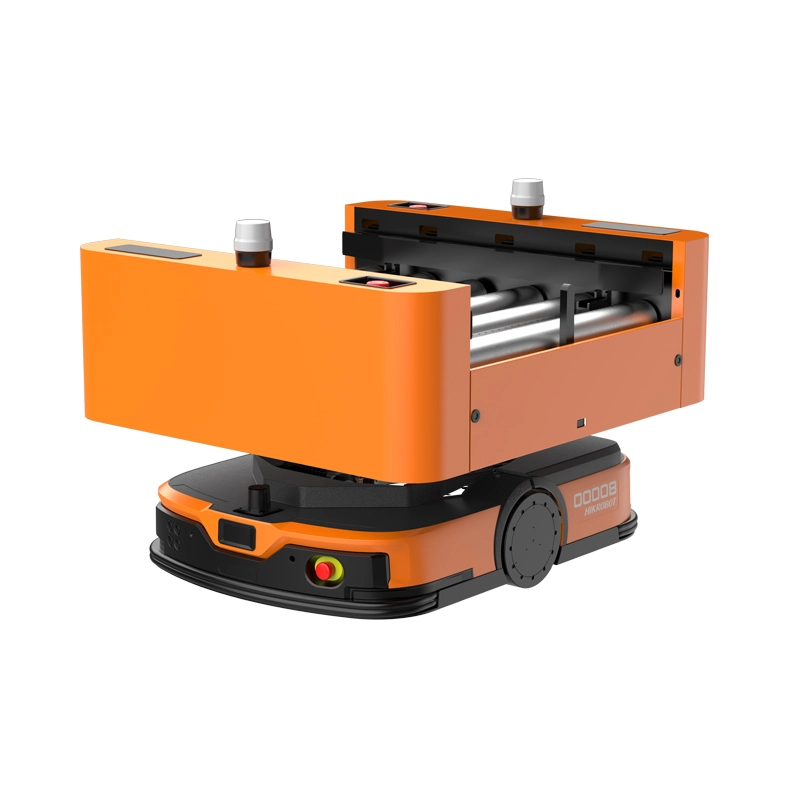
How to Calculate the Optimal Number of AGVs?
Finding the best number calls for mixing data review with real-world details from the site. The method usually starts by looking at the rhythm of production, or how regularly materials shift between areas. Then, it balances that with the time each AGV takes for its path.
Utilizing Simulation Tools for Accurate Estimation
Today’s software for modeling lets warehouse planners test various setups before putting them into use. These programs can tweak factors like how fast vehicles go, how much they carry, speed limits on starting up, battery life, and levels of path crowding. By trying out several versions under different loads, you can find the smallest number of AGVs that keeps productivity at the desired level without spending too much.
AGV setups provide planning for routes, assigning tasks on the fly, and dodging hurdles, which ensures precise and smooth transport. You can test these features in virtual spaces to confirm if the planned fleet size hits the main performance measures (KPIs).
Considering Peak Times and Downtime
Warehouse tasks seldom stay at the same level all day or all year. In busy hours or sales events like Double 11 or Black Friday, the movement of materials picks up a lot. So, planning has to include these rushes by having enough working units during intense times. At the same time, keep some vehicles ready as extras for when others need fixes.
On top of that, time lost to recharging or repairs must factor into the math. For example, if every AGV needs an hour to charge after eight hours of work, the actual number available drops by about 12%. Adding backups makes sure the flow of work stays steady even if a few units are out.
What Are the Benefits of Using AGVs in Warehouse Automation?
Automated Guided Vehicles serve as vital parts in current strategies for warehouse automation. They improve reliability, protection, and ability to grow in shipping networks.
Повышение производительности и эффективности
AGVs allow round-the-clock work without drops in performance from tiredness. Their exact path-following cuts down on mistakes by people in moving goods. Solution: AGVs handle repeated transport jobs, which lowers costs for workers and raises output per person. This lets staff turn to important tasks like checking quality or watching systems instead of heavy lifting by hand.
Also, AGV systems cut down on emissions from carbon and use energy better, supporting eco-friendly plants and goals for environment, society, and governance. This mix of gains fits operations with efforts for lasting practices that big companies value more these days.
Improving Safety Standards
Protection is a major concern in warehouse areas where big loads travel often through common zones. Jobs with heavy or tall handling carry big dangers, and mishaps usually come from weariness or slips by workers.
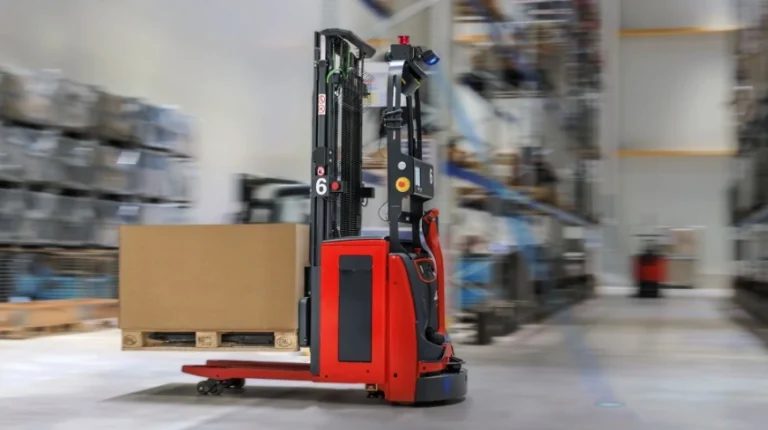
By swapping out hand-driven forklifts for AGVs with sensors and laser detection for obstacles, firms greatly lower the chance of incidents. Solution: AGVs with laser-based avoidance of hurdles and self-adjusting positions cut injuries at work and raise safety. This guards people and reduces harm to goods while they move.
Why Choose Wesar Intelligence Co., Ltd. as Your AGV Supplier?
Wesar Intelligence Co., Ltd. stands out as a reliable ally for companies seeking smart automation options suited to tricky shipping setups.
Key Offerings by Wesar Intelligence Co., Ltd.
Their range covers adaptable AGV types for various fields, from tough factories needing HMR series units for big molds or metal sheets (Heavy-duty AGVs (e.g., HMRs) are ideal for transporting large and heavy parts like molds or metal plates, improving both safety and production rhythm). It also includes spots for controlled food shipping where clean standards call for no-people operation (In cold chain or humidity-controlled environments, AGVs offer stable and hygienic unmanned operation, reducing contamination risks and labor costs).
Besides that, Solution: High-quality AGV suppliers (such as Wesar) can provide system docking services and long-term after-sales support to ensure stable operation. Their help goes past just sending equipment. It covers linking with current WMS/MES setups and ongoing care to keep things running well over time.
Conclusion: Making an Informed Decision on AGV Deployment
Deciding how many AGVs your warehouse really requires means weighing the speed of operations (production beat), the details of the site design, how often materials flow, cycles of high demand, and allowances for pauses. A clear method, from checking the site to using digital models, ensures the investment matches the results you expect.
Bringing in AGV tech follows steps: first, a study on if it works; then, mapping the layout; next, building models; after that, testing a small version; followed by full use; and finally, steady improvements via platforms for watching in real time, like control systems tied to WMS (Solution: AGV systems are usually paired with WMS or fleet control software to provide real-time tracking and intelligent control). With this organized way and backing from solid providers like Wesar Intelligence Co., Ltd., groups can gain clear boosts in output. They also keep options open for growth later.
Часто задаваемые вопросы
How do I determine if my warehouse is ready for AGV implementation?
Assess your current workflow processes, technological infrastructure readiness (e.g., wireless coverage), floor flatness standards, safety zoning compliance requirements, and employee change management preparedness before introducing autonomous vehicles into live operations.
Can AGVs be integrated with existing warehouse management systems?
Yes. Most modern fleets support standard communication protocols enabling seamless integration with existing Warehouse Management Systems (WMS) ensuring synchronized task allocation across both automated vehicles and human operators.
What is the typical lifespan of an AGV?
Depending on usage intensity—such as daily operating hours—and adherence to preventive maintenance schedules provided by suppliers like Wesar Intelligence Co., Ltd., typical lifespans range from five up to ten years under optimal conditions while maintaining consistent reliability throughout service life.






 Russian
  English
  Chinese