
Скрытые мобильные роботы Локальные погрузчики (LMR) стали ключевым элементом интеллектуального производства. Они объединяют автоматизацию, перемещение и интеллектуальные функции в логистических задачах. Эти установки предназначены для самостоятельного перемещения под стеллажами, поддонами или станками. Они плавно поднимают и перемещают грузы. Они сочетают в себе прочную конструкцию вилочных погрузчиков с точностью и адаптивностью локальных погрузчиков. АГВ.
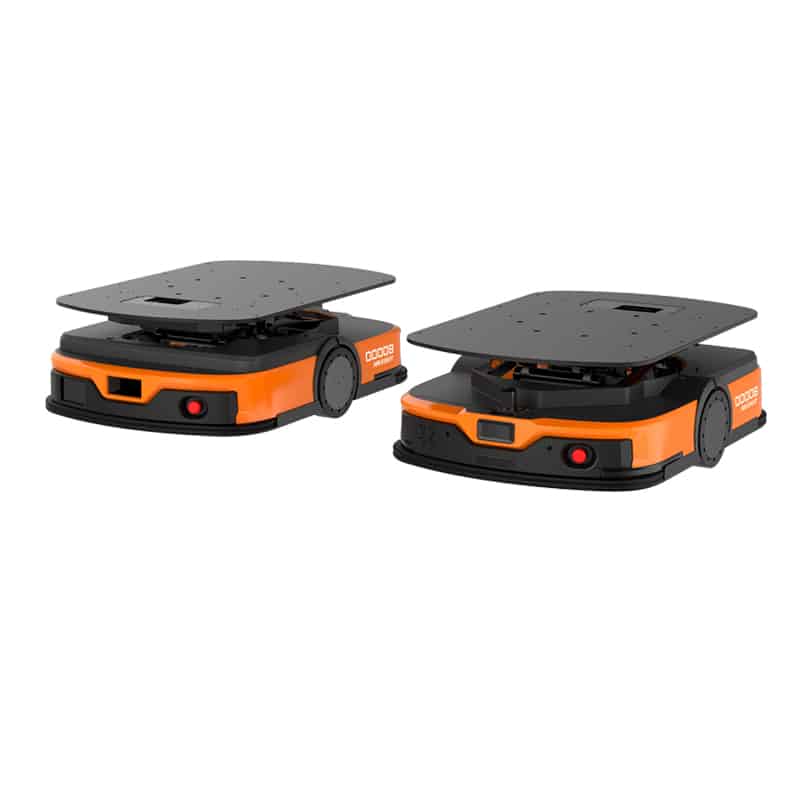
Основные функциональные принципы латентных мобильных роботов
LMR-машины используют современные средства навигации, такие как лазерное наведение, SLAM-картирование или навигация по QR-коду. Это позволяет им точно перемещаться в производственных помещениях. Они поддерживают SLAM-навигацию и навигацию по QR-коду. Они обеспечивают повороты на 360 градусов. Они работают в обоих направлениях и вращаются на месте. Их связь с системами управления производством (MES) или Системы управления складами Система управления складом (WMS) упрощает планирование и координацию материальных потоков. Кроме того, ее алгоритмы для оперативного избегания препятствий позволяют безопасно работать в местах с интенсивным движением.
Интеграция с инфраструктурой «умного завода»
Эти роботы хорошо вписываются в общую систему «умного завода». Они подключаются к устройствам IoT для постоянных проверок и распределения заданий. Они также взаимодействуют с роботизированными манипуляторами или конвейерными системами, обеспечивая синхронизацию производственного процесса. Они управляют задачами на нескольких этажах с помощью лифтовых соединений. Такая конфигурация обеспечивает стабильную вертикальную логистику без участия человека. Подобные соединения превращают роботов-манипуляторов в интеллектуальные точки в взаимосвязанной промышленной сети.
Каковы основные области применения скрытых мобильных роботов в промышленности?
Скрытые мобильные роботы находят широкое применение в областях, где точная логистика и высокая производительность имеют первостепенное значение. Их комбинированная конструкция позволяет им выполнять задачи, обычно выполняемые как вилочными погрузчиками, так и автоматизированными транспортными средствами (AGV).
Автоматизация внутризаводской логистики
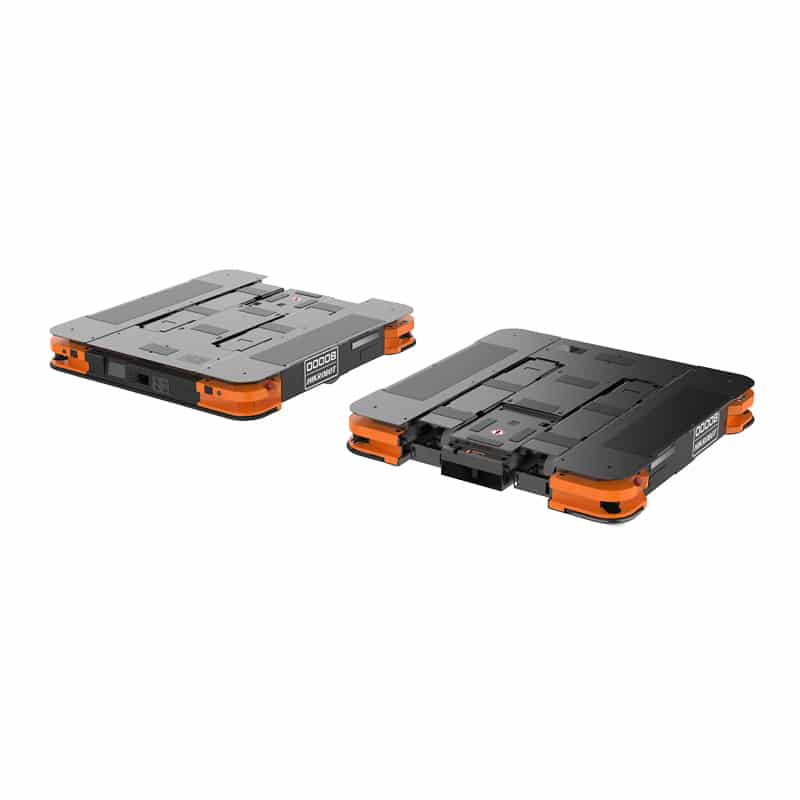
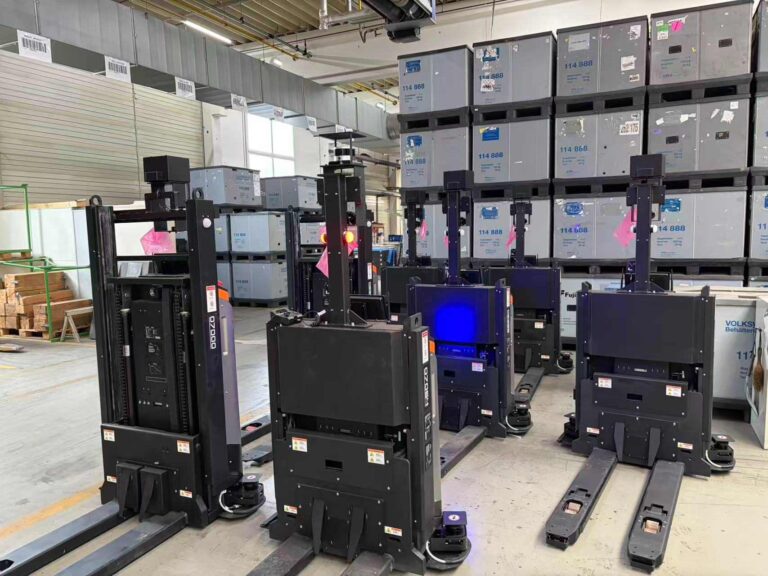
На производственных предприятиях мобильные роботы (LMR) самостоятельно перемещают сырье со складов на сборочные линии. Они обрабатывают полуфабрикаты между рабочими зонами. Они возвращают пустые поддоны или контейнеры в заданные зоны. Автоматизированные транспортные средства (AGV) широко используются во внутренней логистике производственных отраслей, таких как автомобилестроение, производство бытовой техники, электроники и машиностроение. Такая система позволяет автоматизировать все этапы от поставки материалов до хранения готовой продукции.
Управление складом и погрузочно-разгрузочные работы
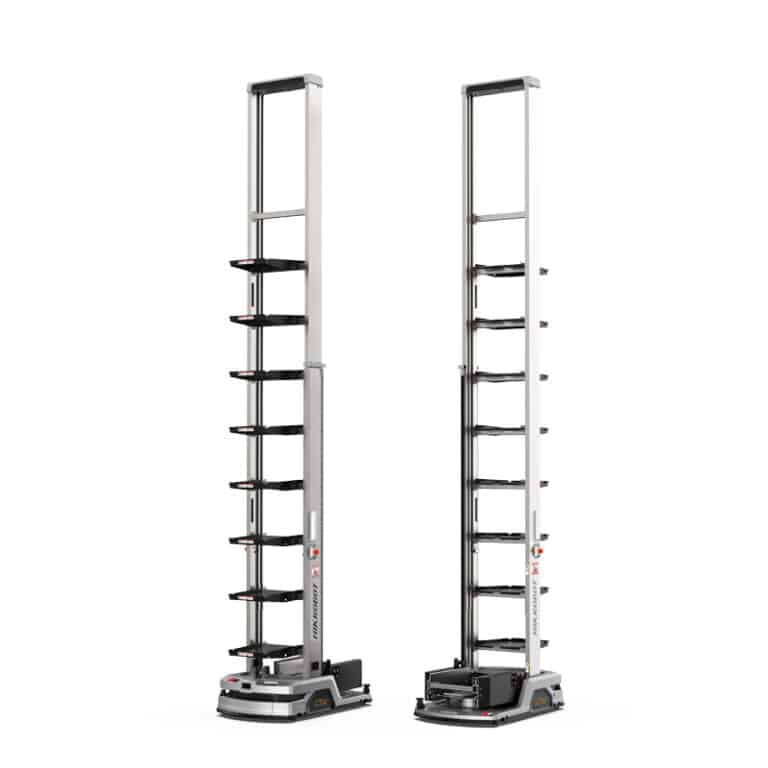
В складских помещениях автоматизированные транспортные средства (LMR) автоматически выполняют задачи по подъему полок. Это помогает в условиях ограниченного пространства на складе. Они отслеживают запасы в режиме реального времени благодаря интеграции с программным обеспечением WMS. Сокращая ручной труд и сохраняя высокую скорость выполнения, они значительно повышают эффективность работы. По мере роста количества заказов и разнообразия ассортимента продукции, автоматизированные транспортные средства (AGV) помогают в комплектации, сортировке и упаковке товаров на складах онлайн-продаж. Они значительно повышают производительность и точность. Это особенно актуально в периоды пиковой нагрузки, такие как Черная пятница или 11 ноября.
Функции поддержки производственной линии
На производственных линиях мобильные роботы доставляют детали точно в срок в соответствии с меняющимися планами. Они самостоятельно перемещают готовую продукцию со сборочных участков в зоны упаковки. Одновременно они взаимодействуют с другими самоорганизующимися системами, оптимизируя рабочий процесс без остановок.
В чём преимущества латентных мобильных роботов по сравнению с традиционными автоматизированными транспортными средствами и вилочными погрузчиками?
Этот мобильный робот сочетает в себе грузоподъемность, характерную для вилочных погрузчиков, с быстрыми перемещениями и интеллектом, присущими автоматизированным транспортным средствам (AGV). Такая комбинированная система обеспечивает комплексное решение современных логистических проблем.
Повышенная гибкость и масштабируемость
LMR-станки имеют пошаговую конструкцию, что упрощает адаптацию к различным весам грузов и формам оборудования. Программное обеспечение для управления заданиями позволяет быстро переключаться на выполнение новых производственных задач. Их потенциал роста позволяет поэтапно добавлять новые элементы без существенных изменений в технологическом процессе.
Повышение безопасности и операционной эффективности.
Оснащенные мощными датчиками, такими как лидары и ультразвуковые искатели, мобильные мобильные роботы снижают вероятность аварий даже в местах с высокой плотностью движения. Самостоятельная работа сокращает время, затрачиваемое людьми на работу в опасных зонах. Она обеспечивает стабильную производительность благодаря непрерывным рабочим циклам.
Экономическая эффективность и окупаемость инвестиций
Благодаря уменьшению потребности в ручном труде, в отличие от вилочных погрузчиков, низкоскоростные погрузчики значительно снижают эксплуатационные расходы. Алгоритмы, позволяющие прогнозировать необходимость технического обслуживания, продлевают срок службы оборудования за счет сокращения времени простоя. Энергосберегающие конструкции обеспечивают дополнительную экономию в течение длительного периода эксплуатации.
Каким образом сочетание преимуществ вилочных погрузчиков и скрытой маневренности автоматизированных транспортных средств создает дополнительную ценность?
Смешанная конструкция мобильных роботов сочетает в себе прочную механику, характерную для вилочных погрузчиков, с интеллектуальными функциями поиска пути, свойственными автоматизированным транспортным средствам (AGV). Это делает их удобным логистическим инструментом, подходящим для многих промышленных зон.
Двойные функциональные возможности на одной платформе
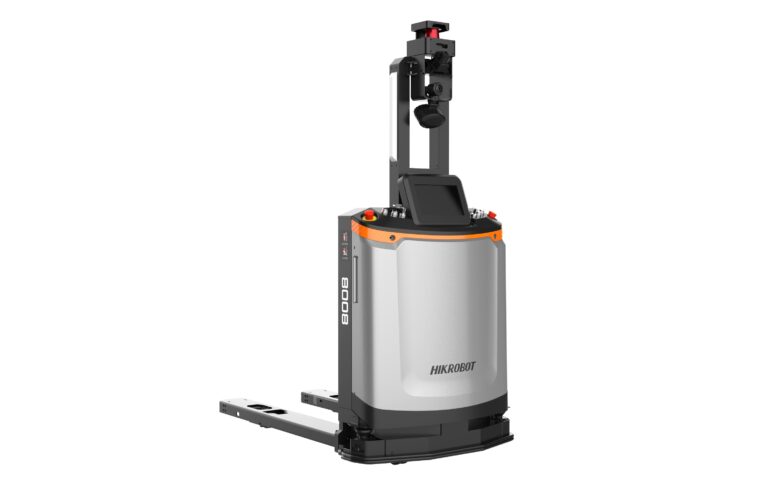
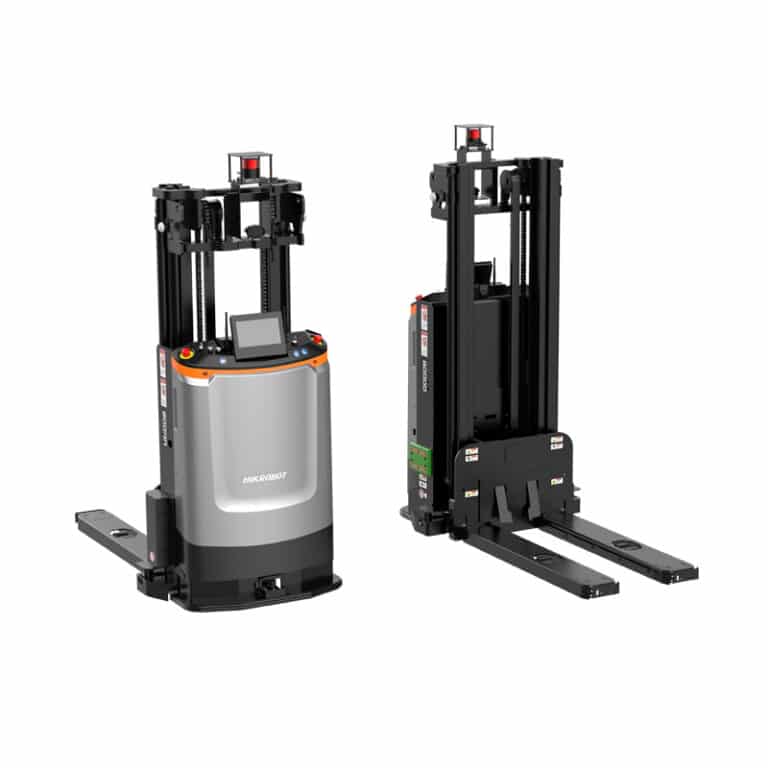
Робот-погрузчик с вилочным захватом — это мобильный робот, сочетающий в себе сильные стороны как беспилотных транспортных средств, так и вилочных погрузчиков. Сочетание шасси беспилотного погрузчика и опорных ножек учитывает гибкость конструкции. Он может мгновенно поднимать поддоны. Такое сочетание позволяет выполнять работы по подъему и опусканию грузов, как и вилочные погрузчики. При этом сохраняется возможность плоского перемещения, характерная для автоматизированных транспортных средств, которые легко подъезжают под грузы, обеспечивая удобную транспортировку. Комбинированная система управления обеспечивает сбалансированное распределение мощности между подъемными механизмами и функциями перемещения для достижения лучших результатов.
Эксплуатационные преимущества гибридной конструкции
Это двустороннее повышение квалификации подходит для многих случаев. К ним относятся работа с паллетами, перемещение грузов на стеллажах или многоэтапные перемещения. Оно сокращает потребность в нескольких типах транспортных средств на одном предприятии. Оно упрощает контроль за автопарком благодаря единой системе управления, такой как системы управления роботами RCS-2000.
Каким образом компания Wesar Intelligence Co., Ltd. поддерживает автоматизацию «умных» заводов?
Wesar Intelligence Co., Ltd. Компания лидирует в разработке интеллектуальных роботизированных решений. Она способствует развитию автоматизации интеллектуальных заводов благодаря целенаправленной разработке мобильных роботов, обладающих скрытыми возможностями.
Компания Wesar обладает опытом в разработке интеллектуальных робототехнических решений.
Компания Wesar Intelligence Co., Ltd. выступает в качестве поставщика комплексных решений для «умных» заводов. Она специализируется на таких основных задачах, как внедрение экологически чистых «умных» логистических роботов, а также планирование и создание систем «умного» производства. Ассортимент продукции компании включает в себя роботов AGV, системы WMS, автоматизированные системы хранения и поиска (ASRS), конвейеры, мобильные погрузочные платформы, складские шкафы и многое другое. Все это призвано помочь клиентам в создании комплексных планов движения материалов, соответствующих их производственным потребностям.
Мобильные роботы Wesar, предназначенные для скрытой установки, оснащены первоклассными навигационными системами, соответствующими мировым стандартам безопасности, таким как сертификация CE. Они обеспечивают идеальную подгонку деталей для легкой установки в различных промышленных условиях. Кроме того, они гарантируют интеграцию в системы Индустрии 4.0.
Приверженность инновациям и надежности
Компания прилагает все усилия, чтобы предоставлять клиентам профессиональные, индивидуальные и комплексные решения. Это включает в себя консультации и планирование, разработку программного обеспечения и оборудования, реализацию проектов и послепродажное обслуживание. Постоянные инвестиции в исследования позволяют компании опережать конкурентов в развитии автоматизации. Квалифицированная команда специалистов по установке оборудования на местах гарантирует своевременное завершение проектов. Это обеспечивает оперативное послепродажное обслуживание. Компания обеспечивает стабильную долгосрочную работу в таких областях, как производство электроники, автомобильные сборочные линии, фармацевтические логистические центры и многое другое.
Какие перспективы развития можно ожидать от скрытых мобильных роботов?
По мере быстрого развития искусственного интеллекта (ИИ), сенсорных инструментов и сетей 5G по всему миру, потенциальные мобильные роботы будут продолжать совершенствоваться в плане самоуправления на «умных» заводах.
Тенденции, определяющие возможности автоматизации нового уровня.
В будущих версиях будут интегрированы инструменты для автоматического определения параметров на основе искусственного интеллекта, позволяющие автоматически корректировать настройки в зависимости от потока данных о работе в реальном времени. Улучшенная взаимосвязь между группами роботов позволит создавать автоматизированные системы, способные одновременно выполнять сложные задачи с участием нескольких роботов. Кроме того, шаги к полной самостоятельности в принятии решений позволят этим машинам не только следовать указаниям, но и изменять свои действия на лету, ориентируясь на окружающую обстановку. Это знаменует собой большой шаг к созданию по-настоящему самонастраивающихся промышленных систем.
Заключение
Мобильные роботы-переносчики меняют промышленную логистику. Они сочетают в себе мощность, сравнимую с вилочными погрузчиками, с точностью перемещения, характерной для автоматизированных транспортных средств (AGV). Это обеспечивает эффективную транспортировку материалов в условиях постоянно меняющегося пространства «умных» заводов. Простота настройки, а также инструменты безопасности, такие как эффективное обнаружение препятствий, делают их незаменимыми инструментами для современных производителей, стремящихся к внедрению автоматизации на этапе роста. Благодаря поддержке таких лидеров отрасли, как Wesar Intelligence Co., Ltd., предприятия могут с уверенностью внедрять эти технологии. Они формируют основу для интеллектуальных логистических систем следующего поколения, которые способствуют росту производства по всему миру.
Часто задаваемые вопросы
Чем отличается скрытый мобильный робот от традиционного автоматизированного транспортного средства (AGV)?
Благодаря своей компактной конструкции, мобильный робот может поднимать грузы снизу. Он сохраняет способность к самостоятельному перемещению по заданной траектории, как и автоматизированные транспортные средства (AGV). Это открывает больше возможностей, особенно в стесненных условиях, где погрузчики не могут эффективно развернуться.
Можно ли интегрировать мобильных роботов, способных к скрытому использованию, в существующие заводские системы?
Да. Они легко интегрируются с системами MES или WMS через стандартные правила обмена данными. Это позволяет выполнять согласованные задания в существующих цифровых системах без масштабной переналадки.
Какие отрасли больше всего выиграют от внедрения мобильных роботов, изначально предназначенных для работы в данной сфере?
Значительные преимущества получают такие отрасли, как производство электроники (3C), автомобильные заводы, компании по складской логистике и цепочки поставок лекарств. Это достигается за счет повышения производительности, снижения трудозатрат и ужесточения правил безопасности благодаря автоматизированным системам на основе LMR в соответствии со стандартами Индустрии 4.0.






 Russian
  English
  Chinese
  Japanese
  Italian
  Korean
  Spanish
  Arabic
  French
  German