
Подъем и перемещение тяжелых грузов на заводе или складе — это трудоемкий и длительный процесс. Даже использование традиционного вилочного погрузчика не всегда решает проблемы высоких затрат на рабочую силу, повреждения продукции и увеличения времени ожидания. Поскольку «умные» заводы становятся нормой, компаниям приходится менять методы ведения бизнеса, чтобы оставаться конкурентоспособными в современном быстро меняющемся мире логистики и производства. Именно здесь на помощь приходит… Автоматизированные управляемые транспортные средства (AGV)Системы автоматизированной транспортировки поддонов (AGV), специально разработанные для непрерывной перевозки паллет, способны автоматизировать монотонную работу по перемещению грузов, обеспечивая более эффективное использование пространства, более безопасные условия труда и повышение производительности в режиме 24/7. Как работают системы AGV для транспортировки паллет? Каковы основные преимущества для бизнеса? И на что следует обратить внимание при выборе партнера по автоматизированным системам обработки материалов?
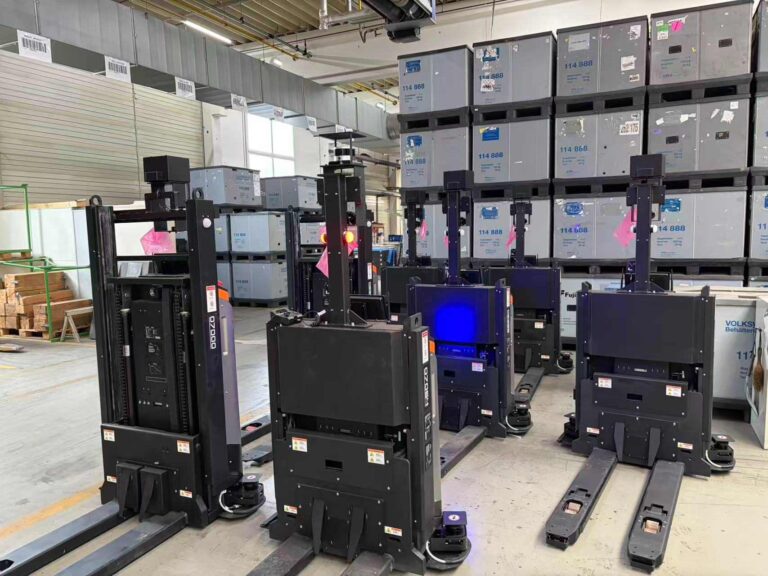
Автоматизированные транспортные средства (AGV) для паллет оптимизируют автоматизацию складских операций, исключая ручную погрузку и разгрузку. Эти транспортные средства автоматически перемещают паллеты в производственных и складских помещениях. Во внутренней логистике таких отраслей, как автомобилестроение, производство бытовой техники, электроника и машиностроение, AGV составляют основу полностью автоматизированного процесса и поддерживают поставку материалов от сырья до готовой продукции и соответствующего складирования. Транспортировка внутри склада полностью автоматизирована, что обеспечивает более высокую производительность и постоянную безопасность эксплуатации.
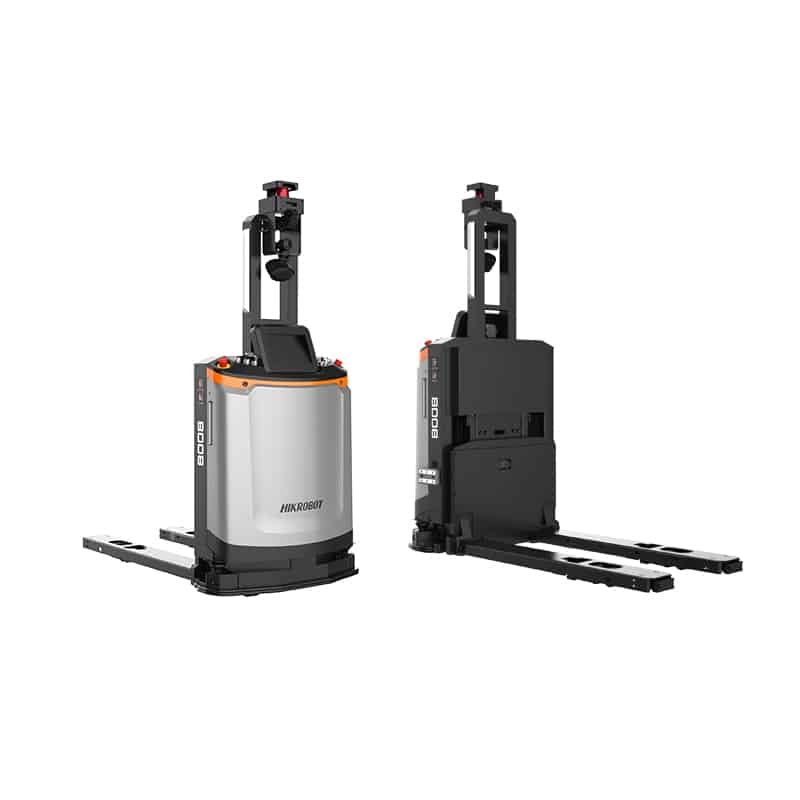
Основные компоненты системы транспортировки поддонов с помощью автоматизированных транспортных средств (AGV)
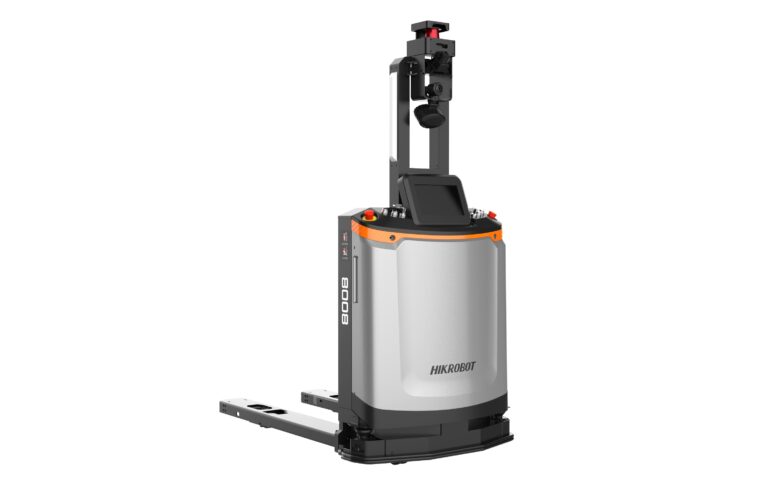
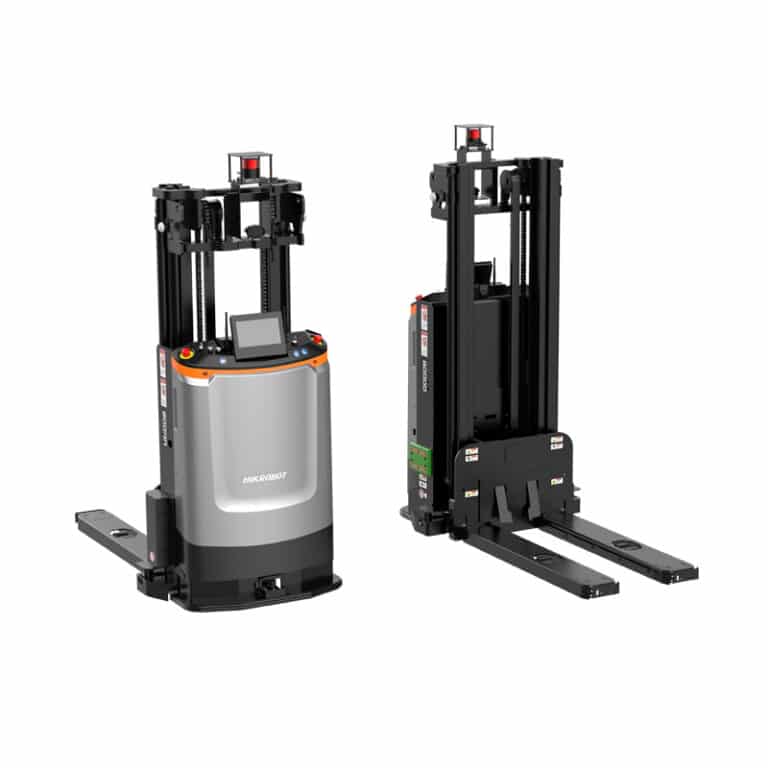
Решения для транспортировки паллет с помощью автоматизированных транспортных средств (AGV) обеспечиваются комплексом интегрированных технологий, начиная с навигационных технологий, таких как лазерное наведение (SLAM), наведение с помощью магнитной ленты и визуальное наведение, позволяющее AGV следовать заданным маршрутам. Встроенные датчики, а также сканеры безопасности способны обнаруживать любые препятствия в режиме реального времени и своевременно реагировать, предотвращая несчастные случаи. Интегрированы коммуникационные технологии для подключения AGV к центральной системе. Система управления складом (WMS) или к системе управления производственными процессами (MES) для полной координации логистических процессов на складе. Мобильный робот-погрузчик оснащен лазерной SLAM-навигацией, обеспечивающей точное позиционирование во время работы. Он может обслуживать стеллажи высотой до 1,6–4 метров, перевозя при этом максимальный груз до 1500 кг.
Основные эксплуатационные характеристики автоматизированных транспортных средств для перевозки поддонов.
Новейшие разработки автоматизированных транспортных средств (AGV) для обработки паллет предназначены для работы с большими объемами европаллет, а также с промышленными грузами. Эти транспортные средства точно выравниваются относительно конвейерных лент или мест хранения на стеллажных системах. Интеллектуальная функция подзарядки и оптимизированная по энергопотреблению маршрутизация повышают экологичность. Современные системы AGV включают планирование маршрута, динамическое распределение задач, а также предотвращение столкновений с препятствиями. Таким образом, транспортные задачи решаются точно и эффективно.
Каким образом автоматизированные системы транспортировки поддонов повышают эффективность автоматизации складских операций?
Внедрение автоматизированных транспортных средств для перемещения паллет в системы автоматизации повышает производительность, отслеживаемость и безопасность на складах, а также значительно снижает затраты.
Повышение эффективности материальных потоков и пропускной способности.
Благодаря круглосуточной работе без влияния смен персонала эти системы функционируют 24 часа в сутки, 7 дней в неделю. Маршрутизация оптимизируется в зонах с высокой проходимостью. А по мере перемещения материалов по различным этапам складирования, их можно отслеживать в режиме реального времени.
Повышение безопасности и эргономики на рабочем месте
Вместо ручной погрузки/разгрузки с помощью вилочного погрузчика полностью автоматизированная транспортировка паллет повышает безопасность. Даже лазерные сканеры, имеющие соответствующий сертификат безопасности, не должны беспокоиться о сосуществовании с людьми, поскольку их задача ограничивается обнаружением объектов и персонала в четко определенных зонах. В случае неожиданных препятствий, блокировки транспортного средства другими препятствиями или внезапного перемещения персонала в зоне движения транспортного средства, немедленно срабатывает автоматическое торможение.
Снижение операционных затрат и повышение рентабельности инвестиций.
Стоимость рабочей силы снижается по мере уменьшения потребности в ручных водителях. Кроме того, затраты на техническое обслуживание автоматизированных транспортных средств (AGV) ниже, чем у традиционных вилочных погрузчиков, поскольку в них меньше механических частей. Более того, энергоэффективная система управления батареями обеспечивает более длительное время работы. Во многих отраслях производство и логистика затруднены нехваткой квалифицированных рабочих и высокими заработными платами. AGV берут на себя повторяющиеся транспортные задачи. Это приводит к снижению общих затрат на рабочую силу и повышению производительности труда на одного работника.
Какие ключевые моменты следует учитывать при внедрении решений для автоматизированных транспортных средств (AGV) на базе вилочных погрузчиков?
При внедрении системы, основанной на использовании вилочного погрузчика. система транспортировки поддоновВам необходимо согласовать ключевые элементы вашей существующей инфраструктуры и необходимую автоматизацию.
Оценка совместимости инфраструктуры
Перед установкой необходимо оценить состояние пола, ширину проходов, высоту стеллажей и конструкции погрузочных площадок, чтобы обеспечить совместимость с выбранными моделями автоматизированных погрузчиков (AGV). Необходимо также проверить интеграцию с системами управления складом (WMS) или системами планирования ресурсов предприятия (ERP) для обеспечения бесперебойного обмена информацией.
Выбор подходящей навигационной технологии
Навигация с помощью магнитных лент, лазерная навигация и картирование природных объектов (SLAM) являются альтернативными методами поддержки объектов с различными требованиями, такими как структурированные среды, динамические среды и гибкая переконфигурация в зависимости от условий освещения и отражательной способности поверхности.
Обеспечение масштабируемости и гибкости в операциях.
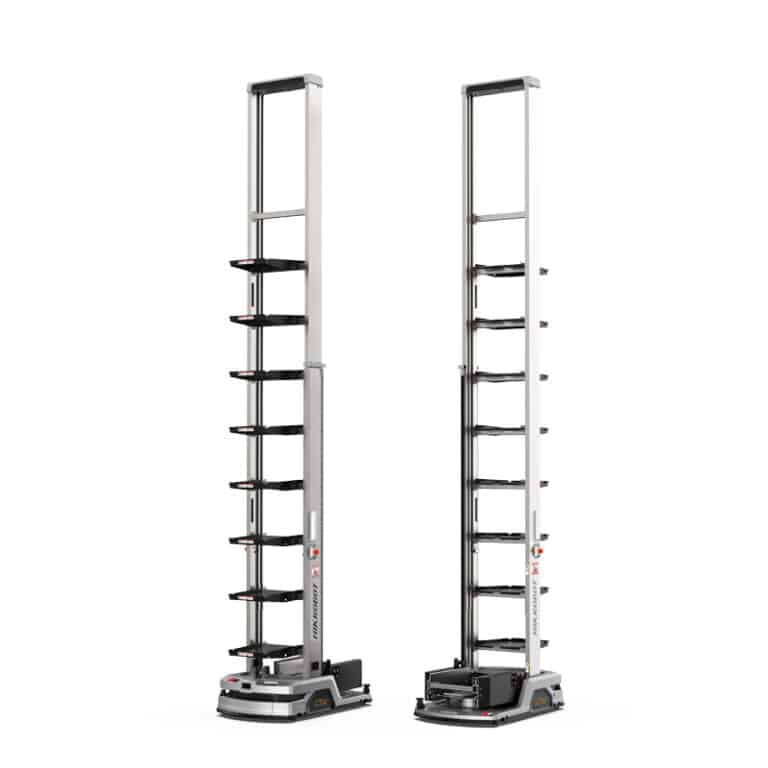
Архитектура системы должна обеспечивать масштабируемость в будущем — будь то добавление большего количества транспортных средств или интеграция роботизированных манипуляторов для автоматизированного комплектования паллет — и беспрепятственно взаимодействовать с автоматизированными системами хранения и поиска (ASRS). Гибкие производственные линии, интегрированные с AGV, широко используются в 3C-производстве для точных и высокочастотных логистических операций на интеллектуальных заводах.
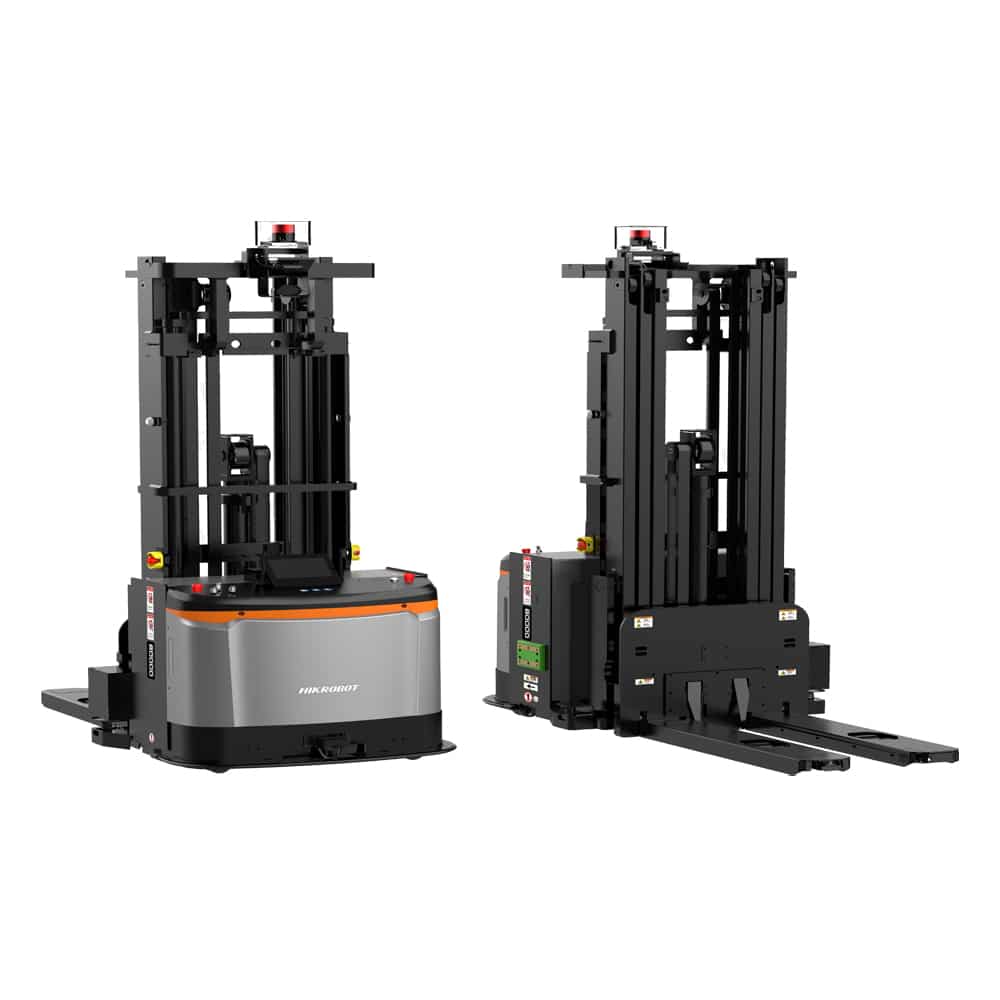
Как интеграция данных может повысить эффективность систем транспортировки паллет?
Оптимизация производительности автоматизации вашего склада с помощью взаимосвязанной цифровой экосистемы прежде всего требует принятия решений на основе данных.
Мониторинг в реальном времени и прогнозирующее техническое обслуживание
Данные с датчиков, собранные с помощью автоматизированных транспортных средств (AGV) для вилочных погрузчиков, могут использоваться для прогнозной аналитики, позволяющей заблаговременно выявлять износ компонентов, планировать работы по техническому обслуживанию и предотвращать простои, не вызванные внешними факторами.
Синхронизация работы автоматизированных транспортных средств с другим автоматизированным оборудованием.
Автоматизированные транспортные средства для перемещения поддонов могут быть синхронизированы с конвейерами, роботизированными погрузчиками или интеллектуальными стеллажами, что позволяет устранить узкие места в процессах между этапами.
Использование аналитики для непрерывной оптимизации
Используя показатели времени в пути, времени простоя, режима использования батарей и точности стыковки, анализируемые алгоритмами машинного обучения, система будет становиться более эффективной с течением времени и по мере того, как все больше крупных флотов будут ее использовать.
Почему компания Wesar Intelligence Co., Ltd. является надежным поставщиком систем для транспортировки поддонов?
Wesar Intelligence Co., Ltd. Мы являемся универсальным поставщиком решений для интеллектуальных заводов. Мы предлагаем основные услуги в области экологически чистых интеллектуальных логистических роботов, а также проектирования и строительства интеллектуальных заводских систем. Мы выступаем в качестве консультантов, разработчиков программного обеспечения, производителей оборудования, исполнителей проектов, поставщиков послепродажной поддержки, а также интеграторов новейших технологий для обеспечения высочайшего качества комплексной реализации проектов.
В линейку продукции Wesar входят: роботы AGV, системы управления складом (WMS), автоматизированные системы хранения и поиска (ASRS) со стеллажами, заводское оборудование, логистическое оборудование, такое как конвейеры и мобильные погрузочные рампы. Их мобильные роботы-погрузчики (FMR) обеспечивают точную навигацию с использованием лазерной технологии SLAM и поддерживают паллеты европейского стандарта грузоподъемностью до 1500 кг — идеально подходят для автоматизированных складских помещений, требующих высокой надежности.
В дополнение к вышеперечисленным услугам, команда обслуживания клиентов Wesar может предоставить полный комплекс интегрированных услуг по интеллектуальному складированию под одной крышей — от консультаций до послепродажного обслуживания. Благодаря времени ответа в 12 часов с момента получения звонка, наша команда экспертов может предоставить клиентам, внедряющим автоматизацию паллетной транспортировки, лучшие технические знания, а также поддержку по техническому обслуживанию для обеспечения максимальной окупаемости инвестиций.
Какие тенденции определят будущее автоматизации транспортировки паллет?
Новые технологии, появляющиеся в рамках концепции «Индустрия 4.0», меняют подход к использованию автоматизации обработки паллет на складах.
Принятие решений в управлении автопарком на основе искусственного интеллекта
Искусственный интеллект позволяет в режиме реального времени осуществлять адаптивную оптимизацию маршрутов внутри склада с учетом текущего трафика и распределения рабочей нагрузки между транспортными средствами для достижения максимально возможной эффективности автопарка.
Интеграция совместной робототехники
Новое поколение систем автоматизации складов объединяет коллаборативных роботов (коботов) с автоматизированными транспортными средствами (AGV) для управления операциями со смешанными грузами, включающими одновременно большие поддоны и более мелкие упаковки, что повышает гибкость рабочих процессов в различных категориях продукции.
Устойчивое развитие посредством экологически чистых логистических практик
Устойчивое развитие стало важнейшим фактором при разработке новых логистических концепций. Значительно сокращая выбросы углекислого газа и повышая энергоэффективность, системы AGV создают устойчивые заводы или так называемые «зеленые заводы», которые также соответствуют целям ESG. Например, новейшие усовершенствованные вилочные погрузчики AGV работают на литий-ионных батареях и оснащены системами рекуперативного торможения. Эти системы восстанавливают энергию во время фазы замедления, тем самым обеспечивая высокоэффективную экологичную работу складов без потери производительности.
Заключение: Стратегическая ценность систем транспортировки паллет с использованием автоматизированных транспортных средств (AGV) и вилочных погрузчиков на современных складах.
Автоматизированные транспортные средства для перемещения паллет являются ключевым компонентом полностью автоматизированного склада. Благодаря интеллектуальному управлению парком и точному перемещению материалов, вилочные погрузчики могут транспортировать паллеты и повышать безопасность на рабочем месте, обеспечивая при этом важные преимущества для увеличения производительности, снижения затрат, повышения масштабируемости и улучшения устойчивости в современной глобальной конкурентной цепочке поставок.
Часто задаваемые вопросы
В1: Чем автоматизированные вилочные погрузчики (AGV) отличаются от традиционных вилочных погрузчиков?
Автоматизированные вилочные погрузчики (AGV) управляются автоматически с помощью датчиков и навигационного программного обеспечения, а не людьми. Благодаря цифровой интеграции с системой управления складом (WMS), они выполняют те же операции по комплектации и подъему грузов, но с большей точностью и меньшим риском несчастных случаев, чем соответствующие операции, выполняемые вилочными погрузчиками.
Вопрос 2: Могут ли автоматизированные транспортные средства для перевозки поддонов безопасно работать рядом с людьми?
Современные роботы для комплектации заказов оснащены сложными лазерными сканерами в пределах определенных зон комплектации. Эти зоны автоматически обнаруживают присутствие человека, замедляя движение или полностью останавливаясь, что обеспечивает безопасный доступ к месту комплектации для персонала и автоматизированных решений по комплектации заказов на складах розничной торговли.
В3: Какие факторы влияют на рентабельность инвестиций при внедрении системы транспортировки поддонов с использованием автоматизированных транспортных средств (AGV)?
Рентабельность инвестиций в систему зависит от первоначальных вложений и масштаба изменений, которые могут быть внесены в деятельность компании. Ключевые факторы включают сокращение трудозатрат, снижение частоты технического обслуживания, упрощение механики и повышение уровня интеграции. Чем больше поддержки поставщик может оказать в долгосрочной перспективе, тем выше степень интеграции и, следовательно, тем стабильнее будет работа системы. В компании Wesar мы много лет разрабатываем системы, которые отличаются простотой в эксплуатации, что позволяет нашим клиентам получить максимальную отдачу от первоначальных инвестиций в систему.






 Russian
  English
  Chinese
  Japanese
  Italian
  Korean
  Spanish
  Arabic
  French
  German