
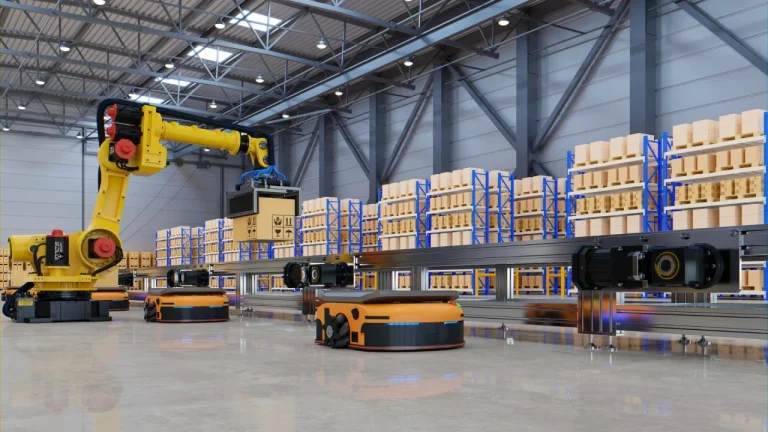
Manufacturing floors deal with AGV material handling in manufacturing production every day now. Shortages of reliable forklift drivers, constant pressure on takt times, and the cost of even small positioning errors have pushed automated transport from nice-to-have to must-have in many plants. Forklift mobile robots handle the heavy pallets that used to tie up crews for hours. Latent models slip under carts and deliver parts just in time without anyone pushing or pulling. Carton transfer units position boxes or trays exactly where assembly hands need them. In electronics lines, automotive subassembly areas, machinery shops, and new energy battery plants, these vehicles keep material flowing with far less human involvement. Cycle times shorten noticeably—often 20 to 40 percent. Transport-related headcount drops in the same range or higher. Docking repeatability stays within ±5 to ±10 millimeters shift after shift.
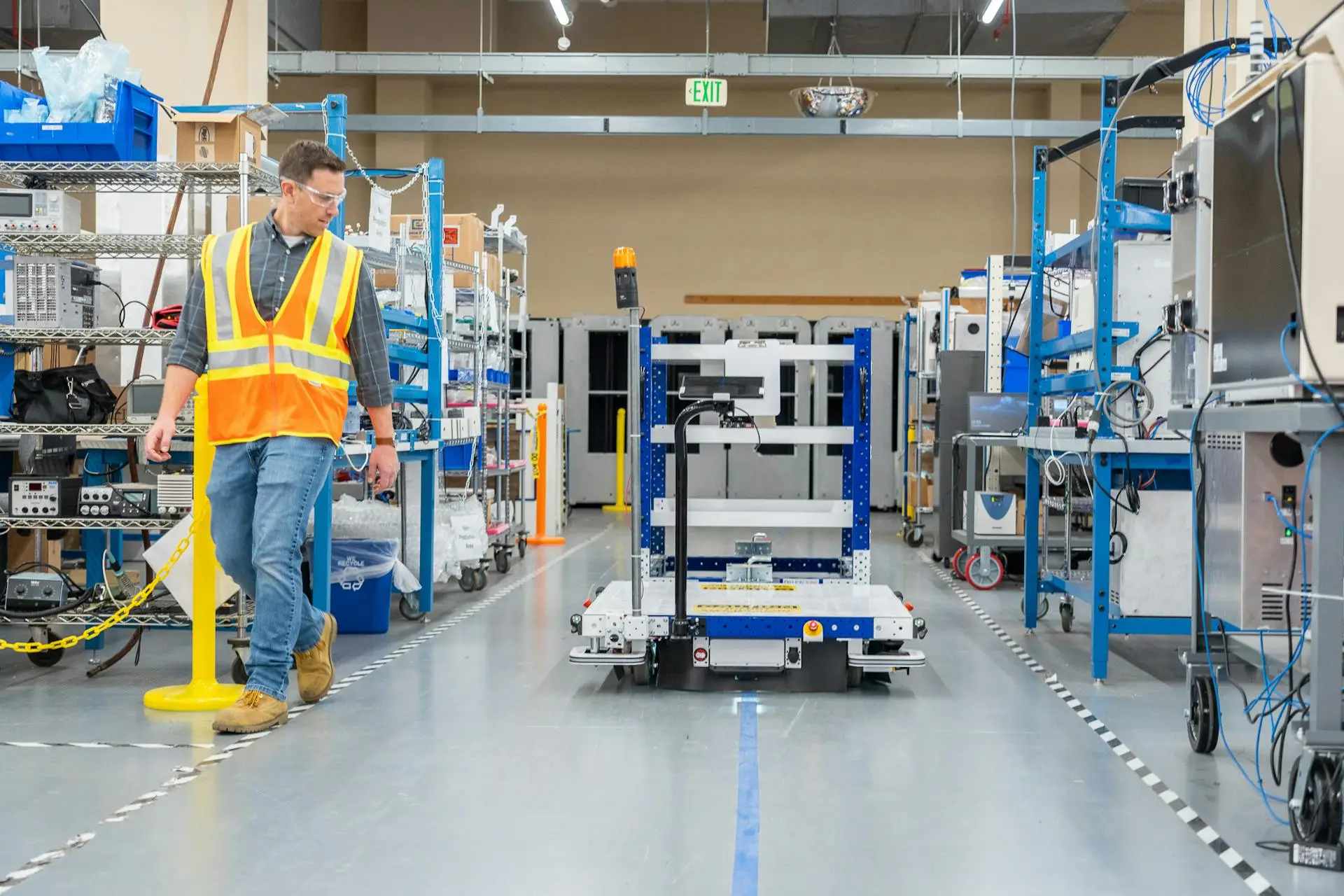
Why Manufacturing Sites Are Moving to AGV Material Handling
Labor turnover in material movement roles never seems to slow down. Operators burn out from long walks, repetitive lifts, and the mental load of remembering dozens of part locations. Add tighter production schedules and frequent model changes, and the old way of doing things starts breaking. AGV systems take over the repetitive routes. Vehicles travel predictable paths or adjust on the fly when needed. A typical electronics assembly operation that switched to automated delivery saw station wait times fall by about 30 percent and moved people to inspection and fixture changes instead of cart pushing.
Positioning accuracy matters more than most people realize until a slight offset stops a robotic cell or forces rework. Manual transfers accumulate small errors—maybe a pallet lands a few centimeters off, maybe a tray rotates a degree or two. Over time those add up to scrapped parts or delayed shipments. Laser-guided docking combined with vision correction keeps loads aligned consistently. The difference shows clearest in high-mix lines where every model switch increases the chance of human mistake. The setup scales easily too. When demand jumps, another vehicle joins the fleet without hiring and training more drivers.
Main Application Areas on the Shop Floor
Just-in-Time Delivery to Workstations
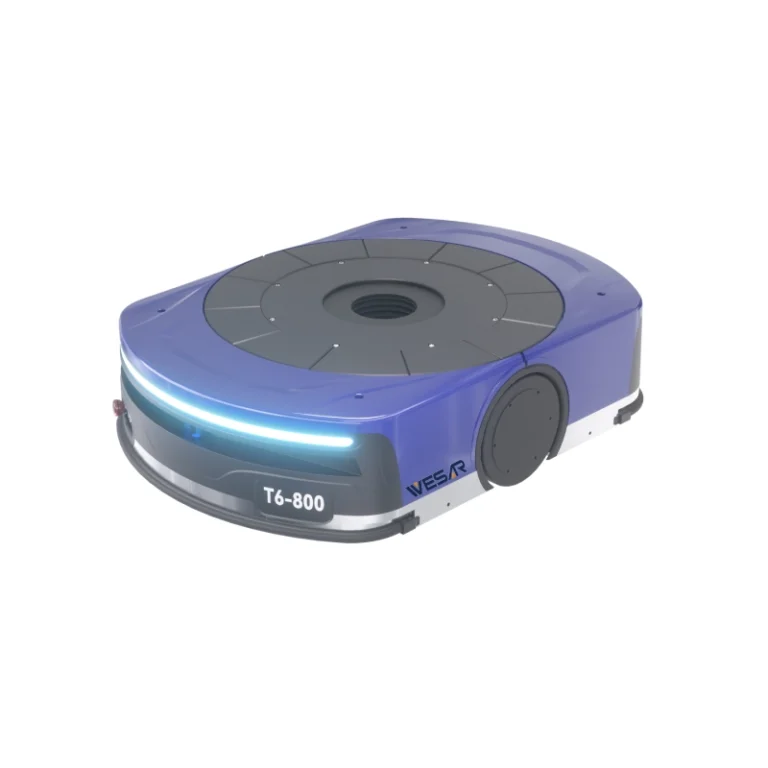
Most plants run some version of material-to-line delivery. Latent mobile robots lift standard carts from beneath, navigate tight aisles, and stop at call points with almost no noise. Automotive component lines use this approach to keep feeders full without interrupting takt. Buffers get smaller because parts arrive exactly when needed. One machinery facility tracked fewer than five line stops per shift after full rollout, down from twenty or more.
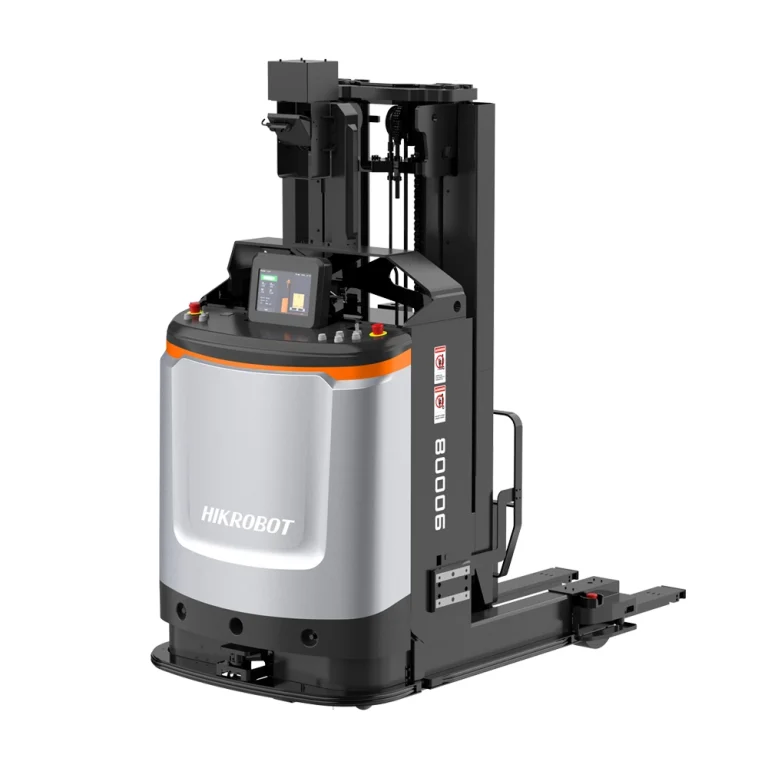
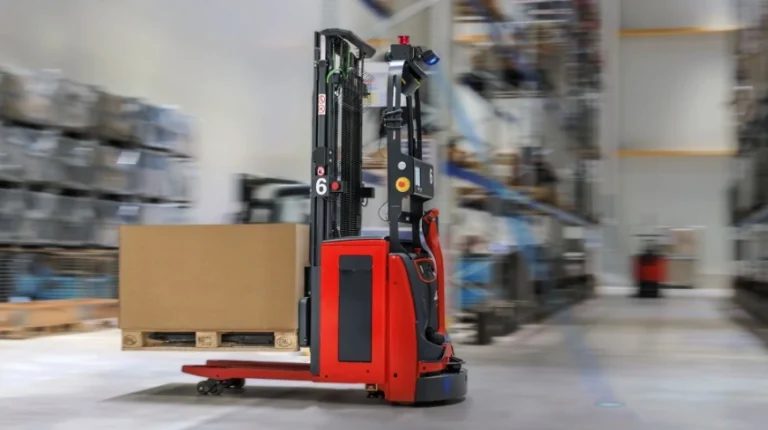
Heavier items require forklift mobile robots. Incoming steel frames, large castings, or battery tray stacks move from receiving to the line without double handling. In new energy production, where cell orientation affects downstream welding, these vehicles maintain exact alignment during transit. Damage from repeated lifts drops sharply, and the floor stays cleaner without constant forklift traffic.
Precision Transport and Station Docking
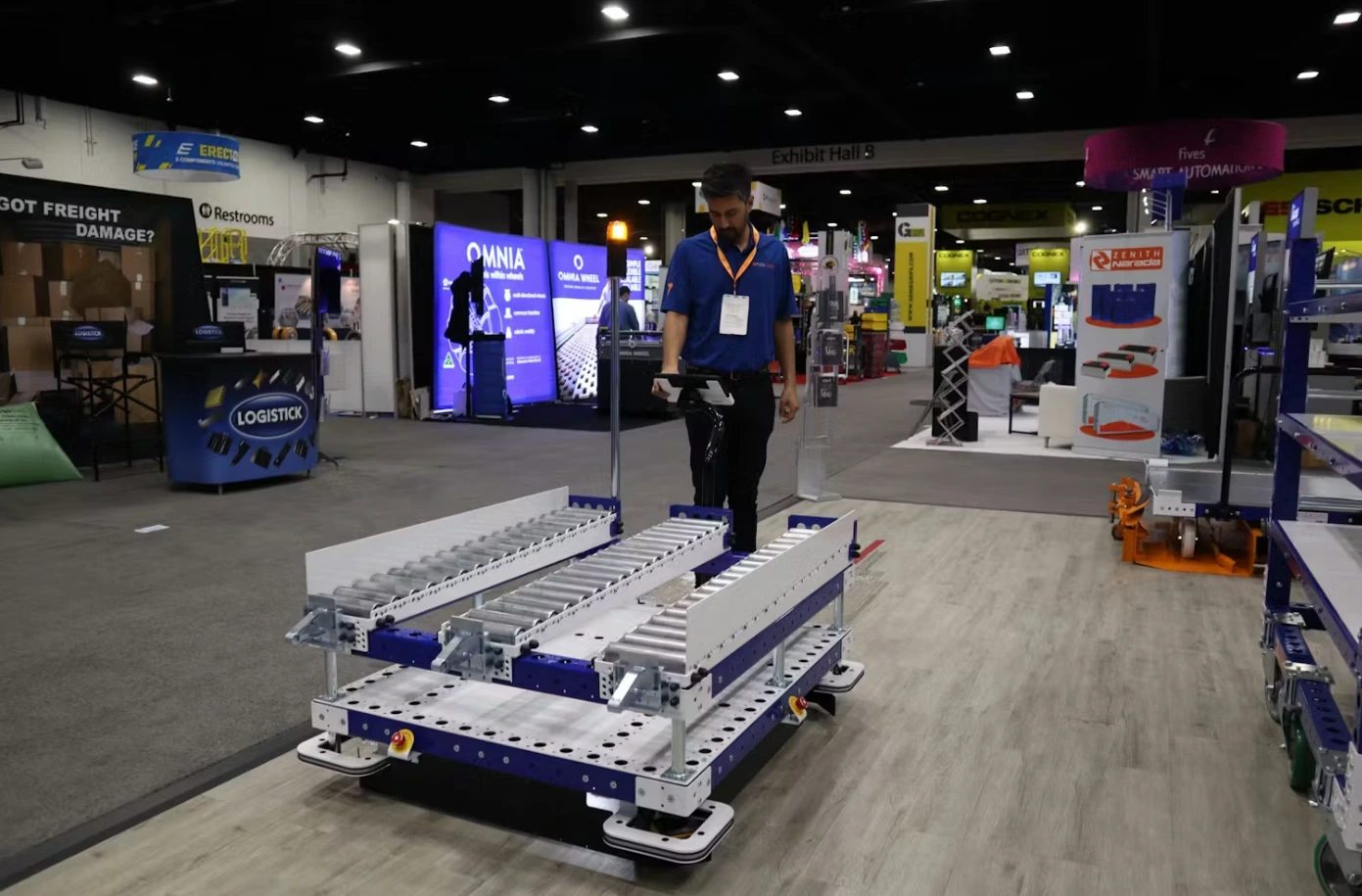
Small, high-value components or dense cartons need careful placement. Carton transfer units roll boxes onto benches or lift them into ergonomic reach. Electronics plants with thousands of SKUs benefit most—operators stay at their stations while the system delivers the next batch. Docking accuracy of ±5 millimeters becomes routine when navigation blends laser reflectors and visual markers. That level of repeatability supports automated screwdriving or pick-and-place arms without constant teaching.
Heavy-duty docking follows the same principle. Forklift models with side-shift forks or custom grippers align pallets to conveyor infeed or robotic grippers. Automotive suppliers moving engine blocks report far fewer arm faults and quicker cycle starts. The consistency cuts downtime and lets downstream automation run closer to design speed.
Handling Mixed-Model Lines and Frequent Changeovers
Model variety keeps growing. Plants switch door panels, battery packs, or circuit boards several times a shift. AGV fleets adapt through central software that reassigns tasks and reroutes paths in real time. Vehicles coordinate with line signals to support the next variant without long pauses. An automotive interior line handling three door styles in one shift reduced changeover from 45 minutes to under 15. The control system prevents deadlocks even when twenty or thirty units share the same space.
Practical Steps for Implementation on the Floor
Start with a detailed walk-through of material flows. Measure aisle widths, note door heights, weigh typical loads, and mark every pinch point. This information drives vehicle choice: latent models for narrow paths and lighter carts, forklift types for anything over a ton, transfer units for box-heavy areas.
Route simulation comes next. Software tests paths under worst-case traffic and identifies conflicts early. Navigation usually mixes laser for stable zones with vision for areas where carts or people appear unexpectedly. Integration with MES or line PLCs lets vehicles respond to button presses or automatic signals.
Pilot testing keeps risk low. One vehicle runs full cycles in a single zone while crews watch docking repeatability and speed. Dashboards show position history and help fine-tune parameters. After stability is proven, the fleet grows step by step. Congestion issues get solved with priority rules, speed zones, or added lanes. Precision drift receives periodic recalibration of reference targets.
Cost justification centers on hard numbers. Labor savings in movement roles often pay for the system within 18 to 36 months. Faster cycles increase output without new machines. Fewer misplacements mean less scrap and rework. Damage claims drop. Moderate-to-high volume operations see the quickest return.
Results Seen in Actual Deployments
Plants that install AGV material handling record clear improvements. Electronics precision lines reduced manual touches by 40 percent and raised first-pass yield through better part presentation. New energy battery tray lines held docking within ±8 millimeters consistently, cutting alignment rework significantly.
Automotive subassembly areas lowered logistics headcount by about 35 percent while keeping takt during model switches. Machinery shops moving heavy castings reported fewer safety incidents and quicker machine availability. Throughput gains of 25 to 40 percent appear regularly when the system is matched well to the process and tuned over time.
Introduction to Wesar Intelligence Co., Ltd.
Wesar Intelligence Co., Ltd. delivers full-scope intelligent factory solutions centered on smart warehousing and production logistics. The company operates a 5,000-square-meter production facility and employs more than 100 professionals, including over 25 dedicated technical specialists. Two decades of accumulated experience support end-to-end services from consulting and software development through equipment manufacturing, system integration, project execution, and ongoing support.
Key sectors include electronics, machinery, automotive, and new energy. The product range features autonomous mobile robots such as Forklift Mobile Robots for pallet transport, Latent Mobile Robots for under-cart movement, Carton Transfer Units for box handling, along with heavy-duty and collaborative models. These integrate tightly with intelligent warehouse management systems, robot control platforms, and material flow software to create reliable, high-accuracy material movement in manufacturing settings.
Заключение
AGV material handling has become a standard response to the ongoing pressures of labor availability, takt demands, and positioning accuracy in manufacturing production. Plants that implement these systems achieve more predictable flows, lower reliance on manual transport, and docking precision that supports advanced automation. Continued adoption across industries points to a clear direction for maintaining output and controlling costs in increasingly complex environments.
Часто задаваемые вопросы
How much labor can AGV material handling save in manufacturing production?
AGV material handling usually cuts labor in transport roles by 20 to 50 percent, depending on shift patterns, load frequency, and the extent of manual moves replaced. Many assembly plants reassign workers to inspection or setup tasks after implementation.
What docking precision can AGV systems achieve on manufacturing lines?
AGV systems routinely reach docking precision of ±5 to ±10 millimeters in production settings using combined laser and vision guidance. This accuracy supports direct robotic cell infeed and precise workstation placement with minimal adjustment.
How long does it usually take for AGV implementation to pay back in manufacturing?
AGV implementation in manufacturing typically pays back in 18 to 36 months. Labor savings, reduced downtime, and increased throughput drive the return, with shorter cycles in moderate-to-high volume facilities.
Can AGV material handling support mixed-model production changeovers?
AGV material handling manages mixed-model production well by rerouting vehicles and updating task assignments through central software. Changeover durations often decrease substantially, allowing fast switches between variants without extended stops.





 Russian
  English
  Chinese